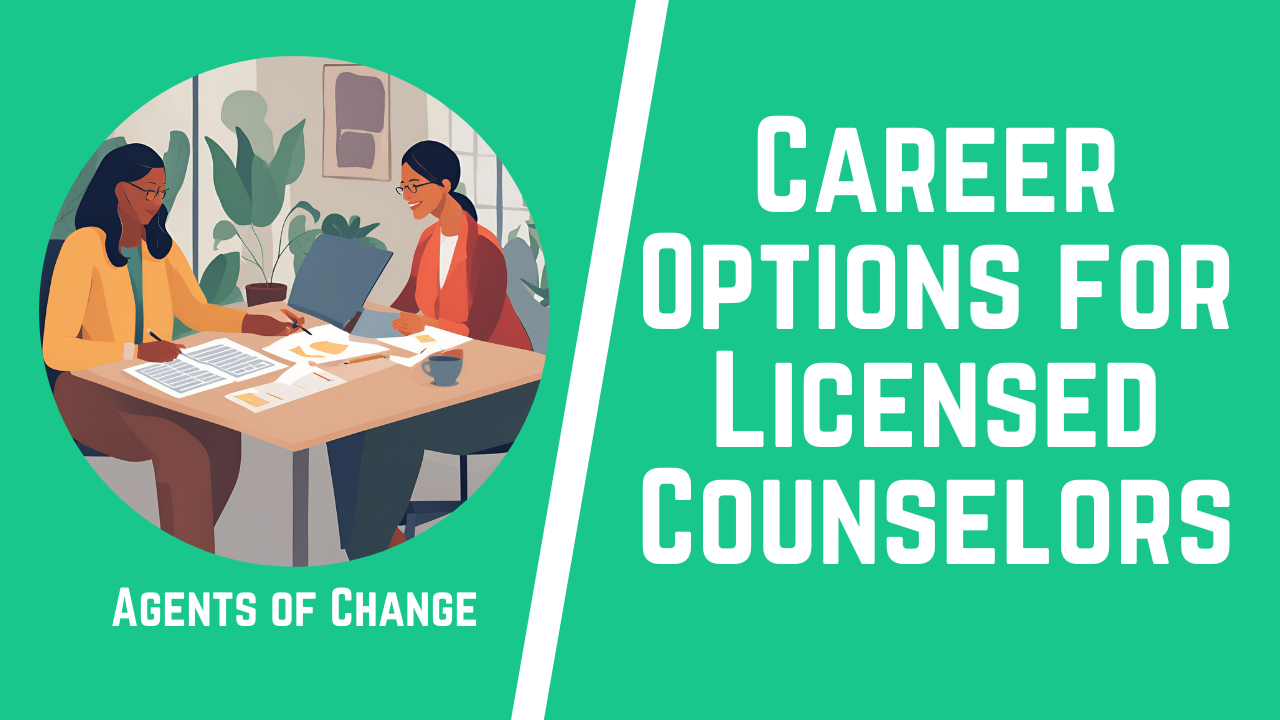
Being a licensed counselor opens up a world of opportunities, but the career options for licensed counselors go far beyond the traditional roles people may expect. Whether you’re just starting your counseling journey or looking for a new direction, the field offers a wide range of paths to explore.
From private practice to corporate wellness, each avenue comes with its own rewards and challenges, offering something for everyone. Counselors today have the unique chance to tailor their careers to their strengths and passions, making it an exciting time to be in the profession.
As mental health continues to gain recognition as a critical component of overall well-being, the demand for skilled counselors is on the rise. This growing awareness creates new opportunities in schools, corporations, clinics, and even crisis response teams. Whether you’re interested in guiding the next generation as a school counselor, helping individuals tackle substance abuse as an addiction counselor, or taking the leap into entrepreneurship with a private practice, there’s a rewarding career path waiting for you.
Continuing education is key to navigating these career options, keeping you informed about the latest techniques, research, and regulations. Platforms like Agents of Change offer licensed counselors a wide variety of courses designed to support their professional growth, providing the tools needed to thrive in whichever path they choose. So, let’s dive into some of the most fulfilling and dynamic career options for licensed counselors, and discover where your passion might lead you!
Did you know? Agents of Change Continuing Education offers Unlimited Access to 150+ ASWB and NBCC-approved CE courses for one low annual fee to meet your state’s requirements for Continuing Education credits and level up your career.
We’ve helped thousands of Social Workers, Counselors, and Mental Health Professionals with Continuing Education, learn more here about Agents of Change and claim your 5 free CEUs.
1) Career Options for Licensed Counselors
#1 Private Practice: The Dream of Independence
One of the most common career options for licensed counselors is opening a private practice. It’s no wonder—it offers independence, flexibility, and the ability to set your own schedule. You can create your niche, whether it’s trauma, family counseling, or substance abuse therapy, and tailor your practice to your personal strengths and interests.
Pros:
Complete autonomy over your practice and client base
Flexibility in working hours
Potential for higher income depending on clientele and rates
Ability to specialize in the areas you’re most passionate about
Cons:
Business management responsibilities, including finances and marketing
Building a steady client base takes time
No guaranteed income
Keys to Success
Private practice requires a mix of counseling skills and business acumen. Counselors need to manage everything from invoicing to marketing to ethical issues, which is why many practitioners opt to take additional courses to expand their business knowledge. Agents of Change, for instance, offers courses that help counselors navigate these entrepreneurial challenges.
#2 School Counseling: Shaping Young Minds
If helping kids and teenagers sounds rewarding, school counseling could be your calling. As a school counselor, you’ll be working closely with students, providing guidance on academic, social, and emotional issues. Whether it’s helping a student navigate a tricky personal situation or offering career advice, school counselors have a direct impact on young people’s lives.
What Does a School Counselor Do?
Provide emotional and academic support to students
Work with teachers and parents to create individualized plans for students
Assist with college or vocational planning
Address behavioral issues and social dynamics in schools
School counseling is a rewarding, stable career option with a clear pathway for advancement. You’ll need strong interpersonal skills, empathy, and the ability to navigate complex issues within the school setting. Also, ongoing professional development and continuing education are essential in school counseling, as the needs of students evolve over time.
#3 Clinical Supervisor: Guiding the Next Generation
As a licensed counselor, you may eventually feel drawn to a supervisory role. Becoming a clinical supervisor allows you to mentor new counselors, guiding them through the early stages of their career. Clinical supervisors are vital in ensuring that ethical standards are met and that clients receive top-notch care.
Responsibilities of a Clinical Supervisor:
Oversee the work of junior counselors and provide constructive feedback
Ensure compliance with ethical guidelines and state regulations
Support counselors in case management, documentation, and clinical skills
Provide supervision for licensure candidates working towards full licensure
For many, becoming a clinical supervisor offers a chance to expand their influence while remaining within the mental health field. You’ll need additional certifications or continuing education credits, which are conveniently available through organizations like Agents of Change.
#4 Corporate Wellness Counselor: A New Frontier
As companies become more aware of the importance of mental health in the workplace, corporate wellness programs are booming. Licensed counselors are finding fulfilling careers in helping employees manage stress, build resilience, and create a better work-life balance. Corporate wellness counselors work in-house or as consultants, providing individual or group therapy to employees, designing wellness programs, and even offering crisis intervention services.
What Makes This Role Unique?
You’ll work within a corporate structure, often as part of HR or wellness departments
There’s an emphasis on mental health and productivity
It involves creating broad wellness strategies alongside individualized support
This path can be highly rewarding for counselors who want to work outside the traditional clinical setting but still have a profound impact on people’s lives. The focus here is not just on mental health but on overall well-being, which can include physical health, nutrition, and stress management. As this is an evolving field, continuing education is crucial to staying ahead of the curve.
#5 Addiction Counselor: Tackling One of Society’s Biggest Challenges
Addiction counselors are in high demand as more people seek treatment for substance use disorders. Licensed counselors with experience in addiction have a unique opportunity to make a real difference in people’s lives by helping them overcome addiction and reclaim their health. Addiction counseling is a specialized field, and many counselors take additional certifications to become experts in this area.
Addiction Counselor Responsibilities:
Conduct assessments to determine the level of addiction and the best treatment path
Provide one-on-one and group counseling sessions
Develop treatment plans in collaboration with other healthcare providers
Educate clients on coping strategies, relapse prevention, and health resources
Given the ever-changing nature of addiction treatment, continuing education is vital in staying up to date with the latest research and therapeutic approaches. Programs like those offered by Agents of Change provide essential insights and tools for addiction counselors to maintain their expertise.
#6 Crisis Counselor: Supporting in Times of Need
Crisis counseling is fast-paced, urgent, and can be incredibly rewarding. Crisis counselors work with individuals who are experiencing acute mental health crises, whether due to trauma, natural disasters, or personal life events. This role requires an ability to think on your feet, provide immediate emotional support, and quickly assess the best course of action.
A Day in the Life of a Crisis Counselor:
Offer immediate, short-term support to individuals in distress
Coordinate with local resources (hospitals, shelters, law enforcement) to provide assistance
Develop safety plans and offer follow-up care when needed
Because crisis situations can range from emotional distress to suicidal ideation, crisis counselors must undergo rigorous training. Continuing education courses can help you stay prepared for these intense moments, ensuring you have the tools you need to support individuals in their most vulnerable times.
#7 Research and Academia: Educating the Next Generation
For those who enjoy theory, research, and teaching, a career in academia could be the perfect fit. Many licensed counselors transition into academic roles, teaching courses at universities or conducting research on mental health topics. This path allows counselors to explore the science behind therapy, contribute to scholarly work, and help train the next generation of professionals.
Why Consider Academia?
The chance to influence the future of the counseling profession
Opportunities to contribute to groundbreaking research
A structured environment with clear paths for professional growth
Learn more about Agents of Change Continuing Education.We’ve helped thousands of Social Workers, Counselors, and Mental Health Professionals with their Continuing Education and want you to be next!
2) The Numbers Behind Career Options for Licensed Counselors: A Look at Each Path
Understanding how many licensed counselors currently work in various fields can help provide clarity on the most popular—and perhaps most overlooked—career options. Whether you’re looking to join a well-established path or pioneer a new niche, knowing the numbers can guide your decision-making process. Let’s take a deeper dive into some of the key areas for licensed counselors and their sub-specialties, to see where your expertise may be needed the most.
1. Private Practice Counselors: The Largest Group
One of the most popular career options for licensed counselors is private practice. According to recent data, around 30% of licensed counselors in the United States run their own private practices. This number is significant, as it reflects the desire of many mental health professionals to have autonomy and flexibility in their work. Private practitioners often serve a diverse clientele, ranging from individuals seeking therapy for personal growth to those dealing with specific mental health challenges such as anxiety, depression, or relationship issues.
Within private practice, many counselors choose to specialize. For instance, roughly 12% of private practitioners focus exclusively on family or marriage counseling, while another 8% specialize in trauma therapy. Others may cater to niche markets like adolescent therapy, with an estimated 6% focusing on teenage clients specifically. As private practice allows for more customization in service offerings, it remains an attractive career option for those seeking independence.
2. School Counselors: Guiding the Next Generation
The role of school counselors is integral to the educational system, and it’s a field that’s growing steadily. Currently, there are more than 130,000 licensed school counselors employed across elementary, middle, and high schools in the U.S., according to the American School Counselor Association (ASCA). School counselors play a critical role in shaping young minds by providing academic support, career guidance, and social-emotional counseling.
School counseling can be further divided into sub-careers based on grade levels. Approximately 55% of school counselors work at the high school level, where the focus is on college and career preparation, while about 25% work in middle schools, primarily helping students navigate the tumultuous transition between childhood and adolescence. The remaining 20% are elementary school counselors, focusing on early development, emotional regulation, and building healthy social skills.
3. Clinical Supervisors: Mentoring the Next Wave of Professionals
If you have a passion for leadership and mentoring, a career as a clinical supervisor might be for you. Currently, roughly 10% of licensed counselors work as clinical supervisors, overseeing the work of newer or less experienced counselors. Clinical supervision is crucial in ensuring ethical practices and providing guidance as budding counselors navigate their own client cases. These supervisors are often employed by larger mental health clinics, hospitals, or community health centers, though some may also work in private practice settings where they provide supervision to licensure candidates.
Within the clinical supervision field, there is also room for specialization. Some supervisors focus exclusively on substance abuse or addiction counseling, a highly specialized area where roughly 15% of all clinical supervisors are concentrated. Others may supervise general mental health counselors or work with social services agencies, where they ensure that counselors are adhering to best practices when working with vulnerable populations.
4. Corporate Wellness Counselors: An Emerging Career
A relatively new, but rapidly growing, career option for licensed counselors is corporate wellness counseling. With the rise in awareness around mental health in the workplace, many corporations are investing in the well-being of their employees by bringing counselors on board. As of the latest estimates, there are around 7,000 licensed counselors working in corporate wellness settings across the United States.
Corporate wellness counselors typically work within large organizations, designing programs that promote mental health, stress management, and work-life balance. These counselors often provide both individual and group therapy sessions, as well as seminars or workshops. The demand for corporate wellness professionals is expected to continue growing as more companies realize the benefits of having dedicated mental health services for employees.
5. Addiction Counselors: Addressing a Nationwide Epidemic
Addiction counseling is one of the most critical fields in mental health today, especially with the ongoing opioid crisis and the broader increase in substance use disorders across the country. Currently, there are over 85,000 licensed addiction counselors in the U.S., making it one of the larger specialties within the mental health profession.
Addiction counselors often work in treatment centers, hospitals, rehabilitation facilities, or private practice. They provide individual and group counseling, develop treatment plans, and work closely with other medical professionals to ensure holistic care. The role of an addiction counselor is demanding, as many clients require long-term support and specialized interventions, but the rewards in terms of client impact can be immense.
6. Crisis Counselors: First Responders to Mental Health Emergencies
Crisis counseling is another area where the need for licensed counselors is growing rapidly. As of now, there are approximately 30,000 crisis counselors employed across various sectors, including hospitals, community health organizations, and non-profits. Crisis counselors often respond to mental health emergencies, providing immediate support to individuals experiencing intense emotional or psychological distress, whether due to trauma, natural disasters, or personal crises.
A subset of crisis counseling involves working with suicide prevention hotlines or crisis intervention teams, which is a critical area given the rising rates of mental health emergencies. Around 15% of crisis counselors work specifically in these urgent care environments, often collaborating with emergency services and medical professionals to ensure clients receive the care they need as quickly as possible.
7. Academic and Research Counselors: Shaping the Future
For those who prefer theory and research over direct client work, a career in academia is a fulfilling option. Currently, there are approximately 15,000 licensed counselors working in academic settings as professors, lecturers, or researchers. These professionals play an essential role in shaping the future of mental health services by training the next generation of counselors and contributing to groundbreaking research in psychology and counseling.
In academic settings, counselors often split their time between teaching courses and conducting research. Their work can influence policy, therapeutic approaches, and even shape how counseling services are provided in various settings. If you have a passion for both learning and teaching, this career path offers a blend of intellectual challenge and contribution to the broader field.
8. Government and Policy Advisors: Counselors Influencing Policy
Though less common, some licensed counselors find careers in government or policy advisory roles, helping to shape mental health policies at the local, state, or national level. There are an estimated 5,000 counselors working in such roles, often focusing on policy development for issues like healthcare, mental health funding, and education reform.
These counselors bring their clinical experience to the table, helping policymakers understand the real-world impact of legislation on mental health services. While this is a smaller subset of the profession, it’s incredibly influential, particularly as mental health becomes a more significant public policy issue.
These numbers provide a snapshot of the vast and varied career options for licensed counselors. Whether you want to work directly with clients, train future professionals, or shape mental health policies, there’s a career path that aligns with your skills and passions. Continuing education remains essential no matter which route you choose, and platforms like Agents of Change offer the necessary tools to help you thrive in any of these dynamic roles.
We’ve helped thousands of Social Workers, Counselors, and Mental Health Professionals with Continuing Education, learn more here about Agents of Change and claim your 5 free CEUs!
3) The Importance of Continuing Education for Licensed Counselors
As a licensed counselor, your education doesn’t stop once you’ve earned your degree and license. In fact, continuing education (CE) is one of the most crucial components of maintaining a successful and fulfilling career in counseling. It ensures you remain up to date with the latest research, techniques, and legal requirements in the mental health field, and helps you continuously develop both professionally and personally.
Licensed counselors are required by law in most states to complete a set number of continuing education hours in order to renew their licenses. However, the benefits of continuing education extend far beyond fulfilling state requirements. It can open doors to new career opportunities, sharpen your skills, and keep you competitive in a fast-evolving industry. Let’s take a look at why continuing education is so important and how it plays a role in shaping your counseling career.
Staying Current with Evolving Practices and Research
The world of mental health is constantly evolving. New research, therapeutic techniques, and technologies are being developed at a rapid pace. As a counselor, it’s essential to stay current with these developments to ensure you’re providing the best care possible to your clients. Continuing education allows you to keep up with these advances and incorporate them into your practice.
For instance, emerging areas such as trauma-informed care, teletherapy, and mindfulness-based interventions have gained traction in recent years. If you aren’t familiar with these concepts, you may miss out on providing more effective care for your clients or even lose out on opportunities where specialized knowledge is in demand.
Benefits of Keeping Up with New Techniques and Trends:
Improved client outcomes: Using evidence-based practices ensures your clients receive the best care, leading to better therapeutic results.
Competitive advantage: Counselors who stay updated with the latest trends in mental health can stand out in the job market and expand their services.
Adaptability to change: As mental health needs evolve, continuing education helps you adapt to shifts in societal issues and client demographics.
Meeting Legal and Ethical Standards
Continuing education is essential not only for improving skills but also for ensuring that you remain compliant with legal and ethical guidelines. Counseling is a profession governed by strict ethical standards and state regulations. These rules can change over time, and it’s your responsibility to stay informed about any updates that affect your practice.
For example, many states have updated laws around telehealth due to the COVID-19 pandemic, and now require counselors to complete specific training on teletherapy. In addition, as mental health professionals are increasingly asked to address topics such as diversity, inclusion, and cultural competence, continuing education helps counselors provide ethically sound services that respect all clients’ backgrounds and identities.
Legal and Ethical Benefits of Continuing Education:
Protect your license: Staying up to date with legal requirements helps you avoid fines, penalties, or the risk of losing your license due to non-compliance.
Maintain ethical integrity: Continuing education on ethical issues ensures that your practice aligns with the highest standards in counseling.
Stay informed about state-specific regulations: Each state has different licensing laws, and continuing education ensures that you meet those standards.
Expanding Career Opportunities
One of the most exciting aspects of continuing education is the way it can help expand your career options. Licensed counselors have a range of paths to choose from, such as school counseling, addiction therapy, crisis intervention, or private practice. To move into a new specialty or sub-specialty, additional training and certifications are often required, and this is where continuing education plays a vital role.
For example, if you’re interested in becoming an addiction counselor, you might need to take specific courses on substance use disorders, treatment plans, and recovery models. Similarly, if you wish to move into corporate wellness counseling, you’ll need to expand your knowledge on stress management, employee well-being, and workplace dynamics. Platforms like Agents of Change offer a variety of continuing education courses that are approved by organizations like NBCC and ASWB, making it easy for counselors to gain the skills they need for career advancement.
Career Expansion Benefits of Continuing Education:
Specialization: Earn certifications in niche areas like trauma, family therapy, or addiction counseling to broaden your career options.
Advancement: Gain the skills required to move into leadership roles, such as clinical supervision or program management.
Flexibility: With continuing education, you can pivot into new roles, whether it’s research, academia, or corporate wellness.
Enhancing Professional Credibility and Client Trust
Clients place significant trust in their counselors, and continuing education enhances your professional credibility. When clients see that you’re committed to ongoing learning, it reinforces the idea that you’re dedicated to providing the highest quality care. This dedication can also lead to stronger client relationships and better treatment outcomes, as clients feel more confident in your ability to help them.
Moreover, continuing education offers an opportunity to learn about and address new societal issues and trends, such as the rise in mental health concerns related to climate change anxiety, social justice issues, or post-pandemic stress. Staying informed on these topics helps you connect better with clients who are grappling with these real-world problems.
Benefits for Building Trust and Credibility:
Client confidence: Clients are more likely to trust counselors who demonstrate a commitment to ongoing professional growth.
Improved relationships: Being knowledgeable in contemporary issues enhances the therapeutic relationship, as clients feel their counselor understands their concerns.
Reputation: Continued education helps build a reputation as a knowledgeable, up-to-date professional in the counseling community.
Networking and Community Engagement
Another important benefit of continuing education is the opportunity it provides for networking. Whether you attend live seminars, online webinars, or certification programs, you’ll have the chance to meet and collaborate with other professionals in the field. These connections can lead to mentorship, job opportunities, and collaborative projects that enrich your career.
Networking also exposes you to new perspectives and insights. By learning from others, you can expand your understanding of different counseling methods, business strategies, and even the latest technologies used in therapy. Engaging with a community of like-minded professionals can provide support and inspiration, especially as you navigate the complexities of a counseling career.
Networking Benefits of Continuing Education:
Professional connections: Build relationships with fellow counselors, mentors, and potential employers.
Collaboration opportunities: Find partners for research projects, client referrals, or group practices.
Stay inspired: Interacting with peers keeps you motivated and can spark new ideas for your counseling practice.
Maximizing License Renewal and Certification
Each state has specific continuing education requirements that licensed counselors must meet to maintain their credentials. While it may feel like a regulatory hurdle, these requirements are there to ensure counselors remain effective in their roles. Continuing education helps you meet these obligations efficiently, and many organizations provide flexible, high-quality courses to fit busy schedules.
For example, Agents of Change offers over 150 ASWB and NBCC-approved courses that cover a wide range of topics relevant to counselors and Social Workers. These courses help ensure that you’re not only meeting your renewal requirements but also improving your skills and expanding your knowledge base in the process.
Key Considerations for License Renewal:
State requirements: Each state has specific CE hours needed for license renewal, so it’s important to stay informed about your jurisdiction’s guidelines.
Flexibility: Many CE programs offer online courses, allowing you to complete credits at your own pace.
Approved providers: Ensure that your continuing education courses are approved by your state licensing board to avoid issues during license renewal.
Conclusion
Continuing education is an indispensable part of a successful career in counseling. It ensures that you stay up to date with the latest developments in the field, meet legal and ethical standards, and maintain your license. It also opens up new career opportunities, enhances your professional credibility, and connects you with other mental health professionals. Whether you’re interested in expanding your practice, transitioning to a new role, or simply providing the best care possible to your clients, continuing education is the key to long-term growth and success.
With so many platforms offering accessible and diverse courses, like Agents of Change, fulfilling your continuing education requirements has never been easier. So why wait? Embrace lifelong learning and stay at the forefront of the counseling profession.
4) FAQs – Career Options for Counselors
Q: How many continuing education hours are required for licensed counselors to maintain their license?
A: The number of continuing education (CE) hours required varies by state and licensing body. Most states require licensed counselors to complete anywhere from 20 to 40 hours of continuing education per renewal cycle, which is typically every 2-3 years. Some states may also have specific requirements for certain topics, such as ethics, telehealth, or cultural competence. Be sure to check with your state’s licensing board for the exact number of hours and any mandatory content areas. Organizations like Agents of Change offer courses approved for CE credits, making it easy to meet these requirements.
Q: Can I specialize in a new area of counseling through continuing education?
A: Absolutely! Continuing education is one of the best ways to specialize or transition into a new area of counseling. For instance, if you’re interested in shifting from general counseling to a more specific field like addiction therapy or trauma counseling, you can take courses and earn certifications in that specialty. Specialized CE courses help counselors build the necessary knowledge and skills to confidently enter a new subfield and may also fulfill requirements for advanced certifications. Many platforms, such as Agents of Change, provide a range of specialized courses designed to help you pivot within your career.
Q: Do online continuing education courses meet state requirements for licensed counselors?
A: Yes, most states accept online continuing education courses as long as they are provided by an approved organization. Platforms like Agents of Change offer online courses that are approved by leading accrediting bodies such as the ASWB (Association of Social Work Boards) and NBCC (National Board for Certified Counselors). However, it’s important to ensure that the online courses you choose meet your state’s specific requirements. Some states may limit the number of online CE hours you can use, while others might require live, interactive webinars for certain content areas. Always verify with your state licensing board before enrolling.