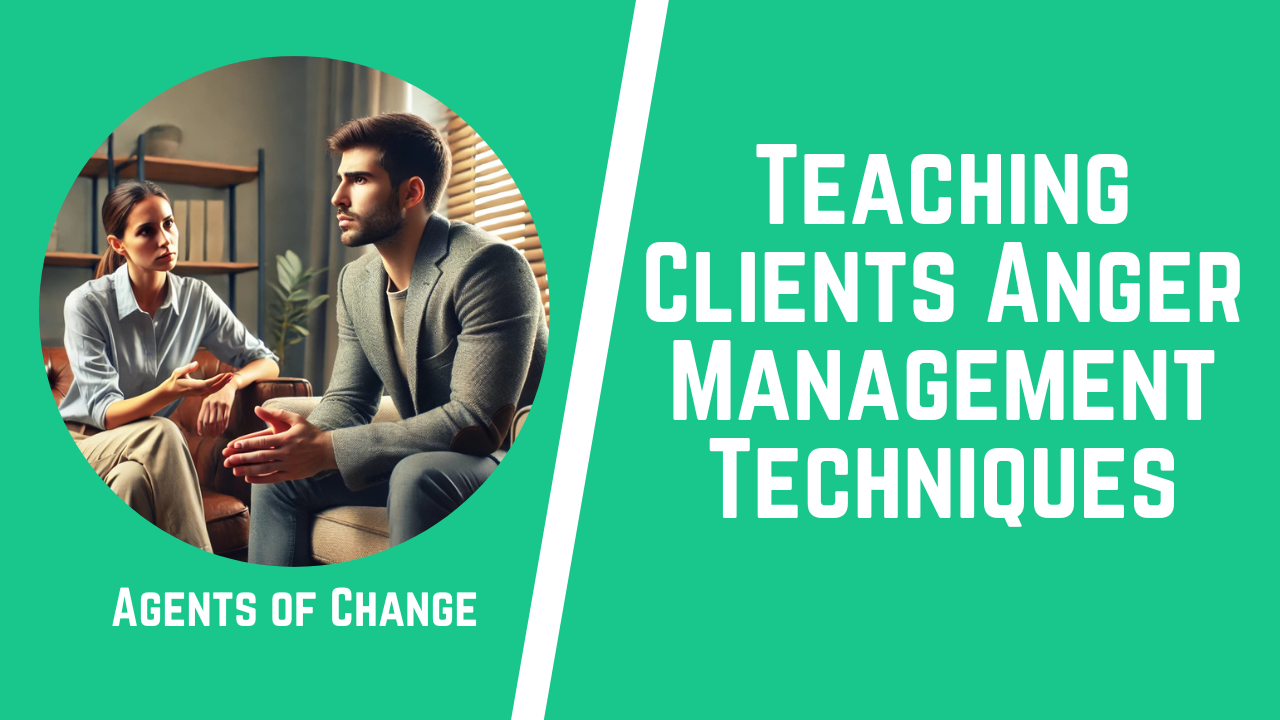
Teaching Clients Anger Management Techniques: A Guide for Mental Health Professionals
Teaching Clients Anger Management Techniques: A Guide for Mental Health Professionals
Anger is a natural emotion, but when left unchecked, it can lead to damaged relationships, poor decision-making, and even serious mental and physical health issues. Many clients seeking therapy struggle with managing their anger in healthy ways, often feeling overwhelmed or out of control when emotions take over. As a Social Worker, Counselor, or Mental Health Professional, your role isn’t to eliminate anger—it’s to help clients understand it, regulate it, and express it in ways that don’t cause harm to themselves or others. Teaching clients anger management techniques is a crucial part of this process, providing them with the skills they need to navigate frustration and conflict in a constructive way.

The challenge? Anger looks different for everyone. Some clients lash out, while others suppress their feelings until they explode. Some may not even realize they have an anger problem until it begins affecting their careers, relationships, or personal well-being. This is why a one-size-fits-all approach doesn’t work. Instead, effective anger management requires a tailored approach that helps clients recognize their triggers, change unhelpful thought patterns, and develop healthier coping mechanisms. By introducing clients to proven strategies, mental health professionals can guide them toward greater emotional control and self-awareness.

For those in the field of Social Work and mental health, staying up to date with the latest anger management techniques is essential. Agents of Change Continuing Education offers more than 150 ASWB and NBCC-approved courses, including specialized training on anger management and emotional regulation. They also host live continuing education events throughout the year, ensuring that professionals have access to the latest research and therapeutic approaches.

Did you know? Agents of Change Continuing Education offers Unlimited Access to 150+ ASWB and NBCC-approved CE courses for one low annual fee to meet your state’s requirements for Continuing Education credits and level up your career.

We’ve helped tens of thousands of Social Workers, Counselors, and Mental Health Professionals with Continuing Education, learn more here about Agents of Change and claim your 5 free CEUs.

1) Understanding Anger: Why Clients Struggle with It

Anger is often misunderstood. Many clients assume it’s a problem in itself, but anger is actually a symptom—an emotional response to deeper issues. It only becomes problematic when it’s unmanaged, misplaced, or expressed destructively. To effectively teach anger management techniques, Mental Health Professionals must first help clients understand where their anger stems from and why it’s so difficult to control.

therapy session focused on anger management

Common Causes of Anger Issues

Every client’s experience with anger is unique, but some underlying causes are more common than others. Identifying these root causes can help professionals tailor interventions that address the deeper emotional challenges behind their clients’ anger.

  • Unresolved Trauma – Past abuse, neglect, or distressing experiences can make individuals more reactive to anger triggers.
  • Chronic Stress – Financial problems, job pressure, and family conflicts can create a constant state of tension, making anger more likely to surface.
  • Poor Emotional Regulation – Some individuals were never taught healthy ways to process or express their emotions, leading to outbursts or suppressed rage.
  • Mental Health Conditions – Disorders such as anxiety, depression, PTSD, and personality disorders can heighten emotional sensitivity and make anger harder to control.
  • Unrealistic Expectations – Some people become angry when reality doesn’t align with their expectations, whether in relationships, work, or personal achievements.

How Anger Manifests in Clients

Anger doesn’t always look the same. Some clients explode outwardly, while others turn their anger inward. Recognizing these different manifestations helps professionals choose the right techniques for each client.

  • Explosive Anger: Sudden, intense outbursts that may include yelling, aggression, or even physical violence.
  • Passive-Aggressive Anger: Indirect expressions of frustration, such as sarcasm, procrastination, or intentional forgetfulness.
  • Suppressed Anger: Holding emotions in, which can lead to resentment, depression, or physical symptoms like headaches and high blood pressure.
  • Chronic Irritability: A constant low-level frustration that makes minor inconveniences feel overwhelming.

Why Clients Struggle to Control Anger

Even when clients recognize their anger issues, managing them can be difficult. Several factors contribute to this challenge:

  • Lack of Awareness: Many clients don’t realize they’re angry until it’s too late, making prevention difficult.
  • Automatic Reactions: Anger can become a default response to frustration, making it feel instinctive rather than controllable.
  • Reinforced Behaviors: If clients grew up in environments where anger was modeled as the primary coping mechanism, they may struggle to break the cycle.
  • Fear of Vulnerability: Some clients see anger as a form of strength and are reluctant to replace it with healthier coping strategies that require emotional openness.

The First Step: Helping Clients Understand Their Own Triggers

Before clients can control their anger, they need to recognize what sets it off. Encourage them to track their emotions and identify patterns by asking:

  • What situations or people tend to trigger frustration?
  • How does their body react when they’re getting angry?
  • Are there specific thoughts that intensify their anger?
  • What happens after they express anger—does it resolve the issue or create new problems?

Understanding these factors is a critical step toward effective anger management. When clients develop self-awareness, they’re better prepared to implement the techniques that can help them regulate their emotions before they escalate.

Learn more about Agents of Change Continuing Education. We’ve helped tens of thousands of Social Workers, Counselors, and Mental Health Professionals with their continuing education, and we want you to be next!

2) Teaching Clients Anger Management Techniques That Actually Work

When clients struggle with anger, they often feel like their emotions control them rather than the other way around. The goal of anger management isn’t to suppress or eliminate anger but to help clients recognize, regulate, and express it in healthier ways. By teaching practical and effective techniques, Mental Health Professionals can empower clients to break destructive patterns and develop emotional resilience.

therapy sessions focused on anger management

1. Recognizing Early Warning Signs of Anger

One of the first steps in anger management is helping clients identify the physical and emotional signals that indicate they are becoming angry. Many individuals don’t realize they’re on the verge of an outburst until they’ve already lost control.

Encourage clients to watch for:

  • Increased heart rate
  • Tightness in the chest, shoulders, or jaw
  • Clenched fists or teeth
  • Rapid breathing or shallow breaths
  • Feelings of frustration or resentment building up

Once clients can recognize these warning signs, they can begin using intervention techniques before anger escalates.

2. The STOP Technique: A Quick and Effective Anger Diffuser

Teaching clients a simple, easy-to-remember strategy can help them regain control in moments of heightened emotion. The STOP technique provides a structured way to pause and respond more mindfully:

  1. Stop – Don’t react immediately. Pause before doing or saying anything.
  2. Take a deep breath – Slow breathing can help regulate physiological responses to anger.
  3. Observe – Identify the emotions, thoughts, and bodily sensations they’re experiencing.
  4. Proceed mindfully – Choose a response that aligns with their long-term goals rather than reacting impulsively.

This method encourages clients to become more aware of their emotional state and practice self-regulation.

3. Reframing Negative Thought Patterns

Many clients struggle with anger due to distorted thinking patterns. Teaching them to challenge and reframe negative thoughts can help reduce emotional intensity and encourage healthier reactions.

Examples of Cognitive Restructuring:

  • Catastrophic Thinking: “This is the worst thing ever!” → “This is frustrating, but I can handle it.”
  • Personalization: “They’re doing this to make me mad!” → “Their behavior isn’t about me. I can choose how I respond.”
  • All-or-Nothing Thinking: “If I don’t win this argument, I’m weak.” → “It’s okay to compromise or let things go.”

By shifting their internal dialogue, clients can begin to view situations more rationally and react with less intensity.

4. Deep Breathing and Relaxation Techniques

Since anger triggers physiological responses like muscle tension and increased heart rate, relaxation exercises can help calm the nervous system.

Effective techniques include:

  • 4-7-8 Breathing: Inhale for four seconds, hold for seven, exhale for eight.
  • Progressive Muscle Relaxation: Tensing and releasing different muscle groups to relieve tension.
  • Mindfulness Meditation: Staying present and nonjudgmental toward thoughts and emotions.

Practicing these techniques daily can make them easier to access in stressful situations.

5. Encouraging Assertive Communication

Many clients resort to aggression or passive-aggressiveness because they don’t know how to express frustration constructively. Teaching assertive communication can help them set boundaries and address conflicts without hostility.

Key elements of assertive communication:

  • Using “I” Statements: “I feel frustrated when…” instead of blaming others.
  • Maintaining a Calm Tone: Speaking firmly but respectfully.
  • Setting Boundaries: Expressing needs clearly and consistently.
  • Active Listening: Giving others space to share their perspectives before responding.

Assertive communication allows clients to express themselves honestly while maintaining control over their emotions.

6. Channeling Anger Through Physical Activity

Exercise is one of the most effective ways to release pent-up frustration and reduce overall stress levels. Encouraging clients to engage in physical activity can help them manage their emotions more effectively.

Great options include:

  • Walking or jogging
  • Strength training
  • Boxing or martial arts (in a controlled, constructive setting)
  • Yoga or tai chi for mindfulness and relaxation

Regular physical activity can serve as a healthy outlet for anger and improve overall emotional well-being.

7. Using Time-Outs and Breaks

Sometimes, the best way to prevent anger from escalating is to remove oneself from the situation. Teaching clients to take intentional breaks when they feel overwhelmed can help prevent regrettable outbursts.

Effective time-out strategies:

  • Stepping away from a heated argument and returning when calmer.
  • Practicing deep breathing or grounding techniques during the break.
  • Engaging in a distraction, such as listening to music or taking a short walk.

Letting clients know it’s okay to pause and regain composure before reacting can prevent unnecessary conflict.

8. Helping Clients Identify and Avoid Triggers

Some anger triggers can’t be avoided, but many can. Helping clients recognize and modify their environment to reduce frustration can be a game-changer.

Encourage clients to:

  • Identify recurring situations or people that trigger their anger.
  • Establish boundaries in high-stress relationships or workplaces.
  • Improve time management to avoid frustration caused by feeling overwhelmed.
  • Practice self-care to reduce overall stress levels.

When clients understand their triggers, they can develop proactive strategies to navigate difficult situations more effectively.

9. Long-Term Anger Management: Building Emotional Resilience

Beyond immediate techniques, clients need to develop long-term emotional resilience. This includes:

  • Practicing gratitude to shift focus from negative emotions to positive experiences.
  • Journaling emotions to track patterns and reflect on progress.
  • Seeking support from a therapist, support group, or mentor.
  • Developing problem-solving skills to address frustrations before they escalate.

Teaching clients that anger management is an ongoing process rather than a quick fix helps them stay committed to change.


By equipping clients with these anger management techniques, Mental Health Professionals can help them navigate frustration more constructively and prevent destructive emotional outbursts. For professionals looking to enhance their skills, Agents of Change Continuing Education offers ASWB and NBCC-approved courses on anger management and other essential therapeutic strategies. Investing in continued education ensures that Social Workers and Counselors stay up to date with the latest tools to guide clients toward healthier emotional regulation.

We’ve helped tens of thousands of Social Workers, Counselors, and Mental Health Professionals with Continuing Education, learn more here about Agents of Change and claim your 5 free CEUs!

3) Addressing Specific Anger-Related Issues

Anger isn’t a one-size-fits-all problem. Some clients struggle with anger in relationships, while others face challenges in workplace settings or due to underlying mental health conditions. By tailoring interventions to specific anger-related issues, Mental Health Professionals can help clients manage their emotions more effectively in real-world situations.

therapy sessions focused on anger management

Anger in Relationships: Managing Conflict Without Destruction

Uncontrolled anger can be particularly damaging in personal relationships, leading to resentment, emotional distance, or even verbal and physical aggression. Clients who struggle with anger in relationships often need help developing healthier communication and conflict resolution skills.

Strategies to Teach Clients:

  • Use a Pause Button: Encourage clients to step away from an argument when emotions run high and return once they’re calmer.
  • Practice Active Listening: Teach clients to listen without interrupting, acknowledging their partner’s feelings before responding.
  • Speak with “I” Statements: Instead of blaming, guide clients to express their emotions constructively (e.g., “I feel hurt when…” instead of “You never listen!”).
  • Set Clear Boundaries: Help clients establish boundaries around conflict (e.g., no yelling, no name-calling).
  • Know When to Walk Away: If a relationship becomes toxic or abusive, clients may need guidance on when to distance themselves for their well-being.

Workplace Anger: Handling Frustration Professionally

Workplace anger can lead to conflicts with colleagues, poor performance, and even job loss. Many clients struggle with feeling undervalued, micromanaged, or overwhelmed by workplace demands, leading to resentment and frustration.

Techniques for Managing Workplace Anger:

  • Identify Triggers: Encourage clients to recognize specific workplace stressors (e.g., tight deadlines, lack of recognition, unfair treatment).
  • Develop a Response Plan: Instead of reacting impulsively, clients can prepare thoughtful responses to stressful situations.
  • Use Stress Reduction Techniques: Breathing exercises, taking short walks, or using mindfulness can help reduce tension in the moment.
  • Improve Workplace Communication: Clients should learn how to express concerns professionally and assertively without aggression.
  • Separate Work from Home: Encourage healthy work-life boundaries to prevent frustration from spilling into personal life.

Anger Stemming from Past Trauma

Clients who have experienced trauma may struggle with anger as a defense mechanism, often reacting with intense emotion due to unresolved pain. In these cases, anger isn’t just a response to a present situation but a deeply rooted protective reaction.

Therapeutic Approaches for Trauma-Related Anger:

  • Help Clients Recognize the Connection: Assist them in understanding how past experiences contribute to present anger responses.
  • Use Grounding Techniques: Mindfulness, sensory grounding, and relaxation exercises can help reduce emotional overwhelm.
  • Encourage Emotional Processing: Clients may need therapy to work through trauma before anger can be fully addressed.
  • Teach Self-Compassion: Many trauma survivors feel shame about their anger. Help them reframe it as a natural response that they can learn to manage.

Anger and Mental Health Disorders

Certain mental health conditions can make anger more intense or difficult to control. It’s important to recognize when anger is a symptom of a larger issue and ensure clients receive appropriate treatment.

Conditions That Commonly Affect Anger Regulation:

  • Depression: Clients with depression may experience irritability and frustration rather than typical sadness.
  • Anxiety: Chronic worry and stress can lead to frequent outbursts or irritability.
  • PTSD: Trauma survivors may react with intense anger due to hypervigilance and emotional dysregulation.
  • Bipolar Disorder: Clients with bipolar disorder may experience extreme mood swings, leading to unpredictable anger episodes.
  • Personality Disorders: Conditions such as borderline personality disorder can contribute to intense, impulsive anger responses.

Best Practices for Treating Anger in Clients with Mental Health Conditions:

  • Ensure clients receive appropriate diagnosis and treatment.
  • Combine anger management techniques with therapy (e.g., CBT, DBT).
  • Address underlying emotional dysregulation with mindfulness and coping strategies.
  • Teach clients self-awareness so they can recognize when anger is a symptom of their condition rather than an isolated emotional response.

Chronic Irritability and Low-Level Anger

Some clients don’t have explosive outbursts but instead live in a constant state of frustration. This chronic irritability can strain relationships, contribute to stress-related health issues, and make daily life unpleasant.

Ways to Reduce Chronic Anger:

  • Teach Emotional Check-Ins: Clients should assess their emotional state regularly to prevent bottled-up frustration.
  • Encourage Stress Management: Exercise, meditation, and hobbies can help reduce background tension.
  • Promote Perspective Shifting: Clients can learn to reframe everyday annoyances in a more balanced way.
  • Introduce Gratitude Practices: Focusing on positive aspects of life can help counteract irritability.

Helping Clients Create an Anger Management Plan

For long-term success, clients should have a structured plan they can refer to when anger arises.

Key Components of an Anger Management Plan:

  1. Recognizing Triggers – Identifying specific situations, thoughts, or emotions that lead to anger.
  2. Early Intervention Techniques – Practicing deep breathing, mindfulness, or grounding exercises.
  3. Alternative Coping Strategies – Using exercise, journaling, or creative outlets to release anger safely.
  4. Communication Strategies – Practicing assertiveness rather than aggression.
  5. Seeking Support – Turning to a therapist, support group, or trusted individual when anger becomes overwhelming.

By addressing anger in these specific contexts, Mental Health Professionals can provide targeted solutions that help clients develop long-term emotional regulation skills. For professionals looking to deepen their expertise, Agents of Change Continuing Education offers ASWB and NBCC-approved courses that cover anger management, emotional regulation, and therapeutic interventions. Continuing education ensures that Social Workers and Counselors have the most effective tools to help clients overcome anger-related challenges.

4) FAQs – Teaching Clients Anger Management Techniques

Q: How long does it take for clients to see improvement in anger management?

A: The timeline for improvement varies depending on the individual, the severity of their anger issues, and their willingness to practice the techniques they learn. Some clients may see noticeable progress in a few weeks by implementing simple strategies like deep breathing and cognitive reframing. Others, especially those dealing with trauma-related anger or underlying mental health conditions, may require months of consistent therapy and self-work. The key is to reinforce that anger management is a skill that improves with practice—just like any other behavioral change. Encouraging clients to track their progress and celebrate small wins can help maintain motivation.

Q: What should I do if a client refuses to acknowledge their anger issues?

A: Denial is a common barrier to effective anger management. Some clients may minimize their outbursts, blame others, or believe their anger is justified rather than problematic. In these cases, it’s important to approach the conversation with empathy rather than confrontation. Using motivational interviewing techniques—such as asking open-ended questions, highlighting the impact of anger on their relationships or career, and helping them connect their emotional responses to deeper issues—can help clients recognize the need for change. If direct conversation isn’t effective, having them complete self-assessment tools or track their anger triggers can sometimes provide the wake-up call they need.

Q: Can anger management techniques work for clients with severe aggression or violent tendencies?

A: Yes, but these cases often require more intensive intervention. Clients with severe aggression may benefit from structured anger management programs, cognitive-behavioral therapy (CBT), dialectical behavior therapy (DBT), or even medication if underlying conditions contribute to their emotional dysregulation. Safety should always be a top priority—if a client has a history of violent behavior, professionals should assess risk factors and implement safety planning as part of their therapeutic approach. In some cases, referrals to specialized anger management groups, rehabilitation programs, or psychiatric care may be necessary to ensure that the client gets the appropriate level of support.

5) Conclusion

Helping clients manage anger isn’t about suppressing their emotions—it’s about equipping them with the tools to recognize, regulate, and express their feelings in a healthier way. By teaching effective anger management techniques, Mental Health Professionals can guide clients toward greater emotional control, improved relationships, and overall well-being. Whether it’s recognizing early warning signs, practicing mindfulness, using assertive communication, or addressing underlying emotional triggers, these strategies help individuals take ownership of their responses rather than letting anger dictate their actions.

However, anger management is not a quick fix. It requires consistent effort, self-awareness, and a willingness to unlearn destructive habits. Some clients may struggle with deeply ingrained patterns of anger tied to past trauma, mental health conditions, or environmental stressors. In these cases, a more comprehensive therapeutic approach—such as cognitive-behavioral therapy, dialectical behavior therapy, or structured anger management programs—may be necessary to create meaningful and lasting change. The role of Social Workers and Counselors is to provide guidance, support, and encouragement as clients navigate their personal journey toward emotional regulation.

For Mental Health Professionals looking to enhance their ability to teach anger management techniques, Agents of Change Continuing Education offers ASWB and NBCC-approved courses covering a range of therapeutic interventions, including anger management and emotional regulation. With more than 150 courses available and live continuing education events throughout the year, professionals can stay up to date on best practices while earning required Continuing Education Credits. Investing in ongoing education ensures that Social Workers and Counselors remain equipped with the latest tools and strategies to help clients gain control over their emotions and lead more balanced, fulfilling lives.

————————————————————————————————————————————————

► Learn more about the Agents of Change Continuing Education here: https://agentsofchangetraining.com

About the Instructor, Meagan Mitchell: Meagan is a Licensed Clinical Social Worker and has been providing Continuing Education for Social Workers, Counselors, and Mental Health Professionals for more than 8 years. From all of this experience helping others, she created Agents of Change Continuing Education to help Social Workers, Counselors, and Mental Health Professionals stay up-to-date on the latest trends, research, and techniques.

#socialwork #socialworker #socialwork #socialworklicense #socialworklicensing #continuinged #continuingeducation #ce #socialworkce #freecesocialwork #lmsw #lcsw #counselor #NBCC #ASWB #ACE

Disclaimer: This content has been made available for informational and educational purposes only. This content is not intended to be a substitute for professional medical or clinical advice, diagnosis, or treatment

Share:

Discover more from Agents of Change

Subscribe now to keep reading and get access to the full archive.

Continue reading