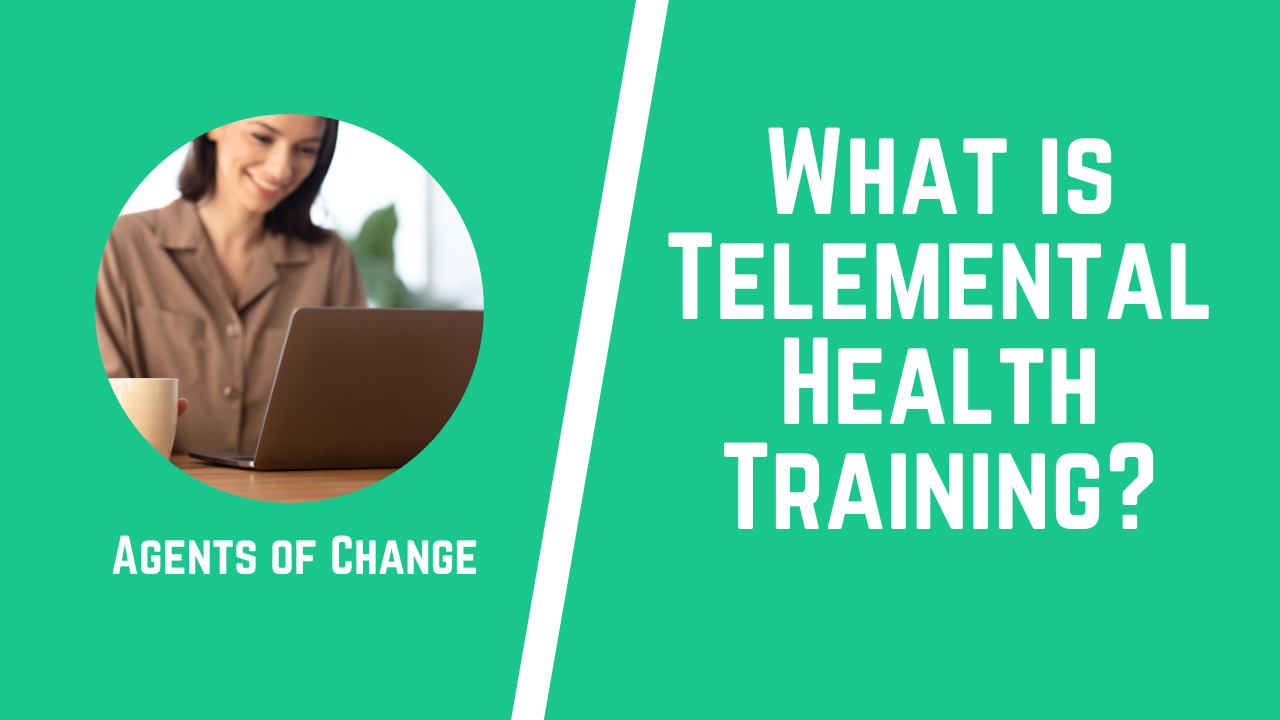
What is Telemental Health Training?

What is Telemental Health Training?

Mental health care has changed dramatically in recent years. Therapy is no longer limited to a quiet office with two chairs and a closed door. Today, many clinicians meet with clients through secure video platforms, messaging systems, and other digital tools. This shift has expanded access to care for people who may live in remote areas, have mobility challenges, or simply need more flexible scheduling options.

As telehealth becomes a regular part of mental health services, professionals must develop new skills to provide effective care in virtual environments. Online therapy introduces unique considerations involving confidentiality, technology, ethics, and crisis management. While the core principles of therapy remain the same, the way sessions are conducted requires thoughtful adaptation. This is where specialized education comes into play.

So, what is telemental health training? In simple terms, it is professional education that prepares therapists, counselors, social workers, and other mental health providers to deliver care safely and ethically through digital platforms. Through structured learning, clinicians gain the tools needed to navigate online sessions, protect client privacy, and maintain strong therapeutic connections even when the conversation happens through a screen.

Did you know? Agents of Change Continuing Education offers Unlimited Access to 150+ ASWB and NBCC-approved online CE courses and 15+ Live Events per year for one low annual fee to meet your state’s requirements for Continuing Education credits and level up your career.

We’ve helped hundreds of thousands of Social Workers, Counselors, and Mental Health Professionals with Continuing Education, learn more here about Agents of Change and claim your 7.5 free CEUs.

1) What is Telemental Health Training?

Telemental health training refers to specialized education that prepares mental health professionals to provide therapy and psychological services through digital platforms. While traditional clinical training focuses on in-person interactions, telemental health training helps clinicians adapt those skills to virtual environments such as video conferencing, secure messaging systems, and telehealth platforms.

a diverse client doing a telehealth mental therapy session at their computer

At first glance, online therapy might seem like a simple extension of in-person practice. Log in, start the session, and continue as usual. Yet virtual care introduces new considerations involving technology, ethics, privacy, client safety, and legal regulations. Because of these additional responsibilities, many therapists pursue formal training to ensure they are delivering high-quality care in digital settings.

The Purpose of Telemental Health Training

The primary goal of telemental health training is to help mental health professionals effectively and responsibly translate their clinical skills into online environments.

Even experienced clinicians may encounter challenges when sessions move online. Issues such as internet disruptions, maintaining client engagement on screen, and ensuring secure communication can affect the therapeutic process. Training provides practical strategies that allow clinicians to handle these challenges with confidence.

Some of the key goals of telemental health training include:

  • Ensuring compliance with telehealth laws and ethical standards

  • Protecting client confidentiality and data security

  • Improving communication and rapport in virtual settings

  • Preparing clinicians for crisis intervention during online sessions

  • Teaching best practices for telehealth documentation and consent

When clinicians understand these elements, they can deliver care that is just as thoughtful and effective as traditional therapy.

Who Needs Telemental Health Training?

Telemental health training is designed for a wide range of mental health professionals. Anyone who plans to provide services through digital platforms can benefit from learning how telehealth works in practice.

Professionals who commonly seek this training include:

  • Licensed clinical social workers

  • Professional counselors

  • Marriage and family therapists

  • Psychologists

  • Psychiatric nurse practitioners

  • Graduate students preparing for clinical practice

Many professionals pursue this training through continuing education courses. For example, Agents of Change Continuing Education offers more than 150 ASWB and NBCC-approved courses for therapists, counselors, and social workers to earn the continuing education credits required to maintain their licenses. These courses help clinicians strengthen their knowledge of telehealth practices while staying current with evolving industry standards.

Key Topics Covered in Telemental Health Training

Telemental health training programs usually cover several core areas that support safe and effective online care. These topics help clinicians understand how digital environments affect therapy delivery.

Common training topics include:

  1. Telehealth Ethics and Legal Regulations
    Clinicians learn how state licensing rules, confidentiality laws, and professional guidelines apply to telehealth services.

  2. HIPAA Compliance and Data Security
    Training explains how to select secure platforms, protect client information, and maintain digital confidentiality.

  3. Technology and Platform Management
    Therapists learn how to choose reliable telehealth software and troubleshoot common technical problems.

  4. Virtual Clinical Skills
    Training focuses on adapting therapeutic techniques for video sessions, including maintaining presence, interpreting visual cues, and keeping clients engaged.

  5. Crisis Response in Remote Settings
    Clinicians develop strategies for responding to emergencies when clients are not physically present.

These skills allow therapists to deliver professional care even when sessions are held via a screen.

Why Telemental Health Competency Matters

As telehealth becomes more common, professional competence in digital therapy is increasingly expected. Clients rely on clinicians to create safe and supportive virtual environments, just as they would in a physical office.

Training helps clinicians feel confident using technology while maintaining clinical excellence. It also ensures that therapists understand their ethical responsibilities when working remotely.

Learn more about Agents of Change Continuing Education. We’ve helped hundreds of thousands of Social Workers, Counselors, and Mental Health Professionals with their online continuing education and CEUs, and we want you to be next!

2) Why Telemental Health Training Matters

Telehealth has transformed the way mental health services are delivered. What began as a convenience for some clinicians has become a critical part of modern care. Many clients now expect the option to meet with their therapist virtually, and healthcare systems increasingly support remote services as a standard practice.

a diverse client doing a telehealth mental therapy session at their computer

However, providing therapy through digital platforms involves more than turning on a webcam. Online sessions introduce unique ethical, clinical, and technical challenges that can affect the quality of care. Telemental health training ensures clinicians are equipped to handle virtual sessions responsibly while maintaining the same standards expected in traditional therapy settings.

Expanding Access to Mental Health Care

One of the most significant benefits of telehealth is improved access to care. Many individuals who previously struggled to attend in-person therapy can now connect with clinicians from the comfort of their homes.

Telemental health training helps professionals serve a wider range of clients, including:

  • Individuals living in rural or underserved areas

  • Clients with physical disabilities or mobility challenges

  • People with demanding work or family schedules

  • Individuals who feel more comfortable receiving therapy at home

  • Clients who travel frequently or relocate temporarily

When clinicians understand how to conduct effective online sessions, they can remove many of the barriers that once prevented people from receiving mental health support.

Protecting Client Privacy and Confidentiality

Confidentiality is one of the most important ethical responsibilities in mental health care. In virtual settings, protecting client information requires careful attention to technology and security.

Without proper training, clinicians might unintentionally use platforms or communication tools that fail to meet privacy standards. Telemental health training teaches professionals how to safeguard client data while conducting therapy online.

Key privacy practices often covered in training include:

  • Choosing HIPAA-compliant video platforms

  • Using encrypted communication tools

  • Securing digital documentation and records

  • Discussing privacy expectations with clients at the start of treatment

  • Creating a confidential space for both therapist and client during sessions

These precautions help maintain trust and ensure that client information remains protected.

Strengthening Online Clinical Skills

Therapeutic communication changes slightly when therapy moves to a digital format. Small cues that are easy to notice in person may be harder to observe through a screen. At the same time, technical delays or connection issues can disrupt the natural flow of conversation.

Telemental health training helps clinicians adapt their communication style for virtual sessions. Professionals learn strategies that support engagement and emotional connection even when the session takes place online.

Important skills developed during training include:

  • Maintaining eye contact through the camera rather than the screen

  • Managing pauses and delays in conversation

  • Observing subtle facial expressions and body language

  • Using clear verbal cues to guide discussion

  • Encouraging client participation in digital environments

With practice, many clinicians discover that online therapy can be just as meaningful and impactful as in-person sessions.

Preparing for Crisis Situations

Handling emergencies during telehealth sessions requires careful preparation. When a client is experiencing a mental health crisis, the therapist may not be physically present to provide immediate assistance.

Telemental health training helps clinicians create clear plans for these situations. These protocols allow therapists to respond quickly and effectively if a crisis occurs.

Crisis preparation may include:

  • Confirming the client’s physical location at the beginning of each session

  • Collecting emergency contact information

  • Identifying local crisis resources in the client’s area

  • Developing safety plans with high-risk clients

  • Understanding when and how to contact emergency services

These procedures ensure that therapists can prioritize client safety even when sessions take place remotely.

Keeping Up With Professional Standards

As telehealth continues to expand, licensing boards and professional organizations are updating their expectations for clinicians who provide online services. Staying informed about these standards is an essential part of responsible practice.

Continuing education helps mental health professionals maintain competence while meeting licensing requirements. For example, Agents of Change Continuing Education offers more than 150 ASWB and NBCC-approved courses designed for therapists, counselors, and social workers who need to earn CE credits to keep their licenses active.

In addition to their extensive course library, Agents of Change hosts more than 15 live continuing education events each year, allowing clinicians to stay current with emerging topics such as telehealth ethics, digital therapy techniques, and evolving regulatory guidelines.

Supporting Long-Term Career Growth

Telemental health is no longer a temporary trend. It has become a permanent part of the mental health landscape. Clinicians who develop strong telehealth skills are better positioned to adapt as the profession continues evolving.

Telemental health training supports career development by helping professionals:

  • Expand their client base

  • Offer flexible scheduling options

  • Work remotely or in hybrid practice models

  • Increase confidence using digital tools

  • Stay competitive in a changing healthcare environment

For many therapists, mastering telehealth opens doors to new opportunities while improving access to care for the clients who need it most.

Agents of Change has helped hundreds of thousands of Social Workers, Counselors, and Mental Health Professionals with Continuing Education, learn more here about Agents of Change and claim your 7.5 free CEUs!

3) Core Components of Telemental Health Training

Telemental health training is designed to give mental health professionals the practical knowledge and confidence needed to provide therapy in digital environments. While the format of sessions may change, the responsibility to provide ethical, effective, and client-centered care remains the same.

To support this transition, most training programs focus on several core areas that prepare clinicians for the unique demands of virtual therapy. These components address the intersection of clinical practice, technology, legal regulations, and client safety.

1. Ethical and Legal Foundations of Telehealth

Ethical practice remains the backbone of mental health services, whether therapy occurs in an office or through a video call. Telemental health training places strong emphasis on understanding how existing ethical guidelines apply in digital settings.

Mental health professionals must navigate several legal and regulatory considerations when practicing online. These regulations can vary depending on state laws, licensing boards, and professional organizations.

Key areas covered in this component often include:

  • Telehealth laws and licensing requirements across states

  • Professional ethical standards for virtual practice

  • Online informed consent procedures

  • Documentation requirements for telehealth services

  • Jurisdictional issues when clients relocate or travel

Clinicians also learn how to explain telehealth policies clearly to clients. For example, informed consent for online therapy usually includes discussions about technology risks, privacy expectations, and emergency procedures.

Without proper training, these legal details can become confusing. By learning them in a structured way, therapists reduce the risk of compliance issues and strengthen their professional practice.

2. Privacy, Security, and HIPAA Compliance

Protecting client confidentiality is a core responsibility in mental health care. In telehealth settings, maintaining privacy requires careful selection of digital tools and communication practices.

Telemental health training teaches clinicians how to evaluate technology platforms and ensure they meet professional privacy standards. Understanding data protection becomes especially important when client information is transmitted electronically.

Training in this area often focuses on:

  • Identifying HIPAA-compliant telehealth platforms

  • Using encrypted video and messaging systems

  • Protecting client records and digital files

  • Avoiding unsecured communication methods

  • Creating a private and secure therapy environment

Therapists also learn how to educate clients about privacy on their end. A client attending therapy from a busy household, for example, may need guidance on finding a quiet and confidential space.

When clinicians understand these privacy considerations, they can confidently conduct online sessions while maintaining strong ethical boundaries.

3. Technology Competence and Platform Management

Technology plays a central role in telehealth services, so clinicians must feel comfortable using digital tools during sessions. Telemental health training introduces professionals to the technical aspects of online therapy in a practical, manageable way.

This portion of training typically covers:

  • Selecting reliable telehealth software

  • Understanding platform security features

  • Managing video, audio, and screen-sharing tools

  • Troubleshooting common technical issues

  • Creating backup communication plans

Technical disruptions are inevitable from time to time. A poor internet connection, frozen video feed, or microphone issue can interrupt a session unexpectedly. Training helps clinicians remain calm and adaptable when these situations arise.

Professionals also learn how to guide clients through technical problems. Sometimes clients may be unfamiliar with telehealth platforms, especially older adults or individuals with limited technology experience. Having the skills to walk clients through the process helps keep sessions running smoothly.

4. Online Clinical Communication and Therapeutic Presence

Providing therapy through a screen changes how clinicians observe and interact with clients. Nonverbal cues may be harder to notice, and subtle communication signals can be missed if clinicians are not attentive.

Telemental health training focuses on adapting clinical skills for digital communication so that the therapeutic relationship remains strong.

Some of the communication strategies explored include:

  • Maintaining eye contact through the camera

  • Adjusting tone and pacing during online conversations

  • Observing facial expressions and body language on video

  • Managing pauses or audio delays during sessions

  • Encouraging engagement when clients appear distracted

Therapists also learn how to structure sessions to support focus and emotional safety. For instance, beginning sessions with a quick technology check or reviewing confidentiality expectations can help establish a comfortable online environment.

Over time, many clinicians discover that virtual communication skills strengthen their overall therapeutic presence.

5. Risk Assessment and Crisis Management in Virtual Settings

Crisis intervention requires thoughtful planning when therapy is conducted remotely. Unlike in-person sessions, therapists cannot physically assist clients or immediately connect them with nearby support.

Telemental health training prepares clinicians for these situations by teaching structured crisis management protocols.

Common strategies discussed during training include:

  • Confirming the client’s physical location at the beginning of each session

  • Maintaining updated emergency contact information

  • Identifying local emergency resources near the client

  • Creating safety plans for high-risk individuals

  • Establishing clear procedures for contacting emergency services

These steps allow therapists to act quickly if a client experiences a mental health crisis during an online session.

Preparation is key. By developing crisis protocols in advance, clinicians ensure they are ready to respond appropriately in difficult situations.

6. Cultural Competence and Accessibility in Telehealth

Virtual therapy can improve access to care for many communities. Clients who live in rural areas, have limited transportation, or experience physical disabilities may find telehealth far more convenient than traditional appointments.

However, digital care also introduces new accessibility considerations.

Telemental health training encourages clinicians to think carefully about factors such as:

  • Digital literacy and technology familiarity

  • Internet access limitations

  • Cultural attitudes toward online therapy

  • Language barriers and communication differences

  • Accommodations for disabilities

Therapists learn how to adapt their approach to meet clients where they are. In some cases, this might involve simplifying technology instructions or offering alternative communication methods.

Providing inclusive telehealth services helps ensure that virtual care remains accessible to diverse populations.

7. Continuing Education and Skill Development

Telehealth technology and regulations continue evolving, which means clinicians benefit from ongoing education even after completing initial training.

Continuing education programs allow mental health professionals to stay informed about emerging best practices, new telehealth platforms, and updated ethical guidelines.

For example, Agents of Change Continuing Education offers more than 150 ASWB and NBCC-approved courses designed for therapists, social workers, counselors, and other mental health professionals who need continuing education credits to maintain their licenses.

Their platform includes a wide range of topics related to telehealth and modern clinical practice. In addition to self-paced courses, Agents of Change hosts more than 15 live continuing education events each year, giving clinicians opportunities to learn directly from experts and stay current with industry developments.

Bringing the Core Components Together

Each of these core components plays an important role in preparing clinicians for effective telehealth practice. Ethical knowledge, technological competence, communication skills, and crisis preparedness work together to create a strong foundation for virtual mental health care.

By mastering these areas, mental health professionals can confidently provide therapy through digital platforms while maintaining the same level of professionalism and compassion that defines in-person care.

4) How to Choose the Right Telemental Health Training Program

With telehealth becoming a permanent part of mental health care, many clinicians are seeking quality training to prepare them to practice confidently in virtual settings. However, not all training programs offer the same level of depth, credibility, or practical value.

Selecting the right program requires careful consideration. A well-designed training course should provide clear guidance on ethics, technology, clinical practice, and legal responsibilities while also helping professionals earn continuing education credits needed to maintain licensure.

If you’re evaluating your options, here are several key factors to consider when choosing a telemental health training program.

Look for Accreditation and CE Approval

One of the most important factors when choosing a training program is whether it offers approved continuing education credits. Mental health professionals must often complete a certain number of CE hours to keep their licenses active.

Training programs that are approved by recognized organizations ensure the material meets professional standards. Common approval bodies include:

  • ASWB (Association of Social Work Boards)

  • NBCC (National Board for Certified Counselors)

  • State licensing boards for social workers, counselors, and therapists

Courses approved by these organizations are widely accepted and recognized across many licensing jurisdictions.

Evaluate the Depth of Course Content

A strong telemental health training program should go beyond basic introductions. It should provide practical guidance that clinicians can apply directly to their virtual practice.

When reviewing a program, look for coverage of topics such as:

  • Telehealth ethics and professional standards

  • HIPAA compliance and digital privacy protections

  • Telehealth laws and interstate practice considerations

  • Online clinical communication skills

  • Crisis management during remote sessions

  • Telehealth documentation and informed consent procedures

Programs that offer real-world case examples and scenario-based learning can be particularly valuable. These types of lessons help clinicians understand how telehealth challenges might appear in actual practice.

Consider the Learning Format

Different professionals learn best in different ways. Some prefer structured, instructor-led training, while others appreciate the flexibility of self-paced courses.

Common learning formats include:

  • Self-paced online courses that can be completed anytime

  • Live webinars where participants interact with instructors

  • Virtual workshops focused on practical skill-building

  • Multi-session certification programs

Many clinicians benefit from combining formats. Self-paced learning allows professionals to explore topics on their own schedule, while live events create opportunities to ask questions and engage in discussion.

Platforms like Agents of Change Continuing Education offer both options. Their course library includes on-demand learning along with more than 15 live continuing education events each year, which gives clinicians opportunities to stay current with evolving telehealth practices.

Assess Cost and Long-Term Value

Continuing education can become expensive if clinicians pay separately for each course or workshop. Some training providers charge high fees for individual telehealth certification programs.

When evaluating options, it helps to look at the long-term value rather than the price of a single course.

Consider questions like:

  • Does the program provide access to multiple courses?

  • Are live training events included?

  • Will new courses be added regularly?

  • Can the program support continuing education throughout the year?

Many clinicians choose subscription-based programs because they provide ongoing access to a wide range of training materials.

For example, Agents of Change Continuing Education offers one of the most affordable options available for mental health professionals. Their $99/year subscription provides access to a growing library of 150 ASWB and NBCC-approved courses, along with 15+ live CE events each year, which averages more than one live learning opportunity per month.

This type of structure allows professionals to earn CEUs throughout the year while expanding their knowledge in areas like telehealth, ethics, trauma-informed care, and clinical best practices.

Look for Practical, Real-World Application

The best telemental health training programs focus on practical implementation rather than theory alone. Clinicians should walk away with tools they can immediately apply to their practice.

Helpful features to look for include:

  • Step-by-step guidance for starting telehealth services

  • Sample telehealth consent forms or documentation templates

  • Crisis management protocols for remote sessions

  • Demonstrations of telehealth platforms and technology tools

  • Real-life case examples involving online therapy scenarios

Training that focuses on practical application helps clinicians feel more confident when transitioning to virtual care.

Choose a Program That Supports Ongoing Learning

Telehealth regulations, technology platforms, and clinical best practices continue evolving. Because of this, telehealth education should not be a one-time event.

The most valuable programs provide ongoing updates and fresh learning opportunities so clinicians can stay informed about industry changes.

Ongoing continuing education allows professionals to:

  • Adapt to new telehealth regulations

  • Learn about emerging digital therapy tools

  • Improve online clinical communication techniques

  • Maintain compliance with licensing requirements

Choosing a training provider that regularly updates its course library ensures clinicians remain well prepared for the future of digital mental health care.

Making the Right Choice

Selecting the right telemental health training program ultimately comes down to finding a balance between quality, credibility, flexibility, and affordability. Programs that combine approved continuing education credits with practical instruction and ongoing learning opportunities offer the greatest value.

As telehealth continues to grow, clinicians who invest in comprehensive training will be better prepared to provide effective, ethical, and accessible mental health care in virtual environments.

5) FAQs – Telemental Health Training

Q: Is telemental health training necessary if I already provide online therapy?

A: Many clinicians began offering virtual sessions quickly when telehealth expanded, sometimes without formal training. While it may feel comfortable to conduct sessions online, structured training helps ensure that services meet ethical, legal, and clinical standards. Telemental health training provides guidance on issues that may not be obvious at first, such as interstate licensing laws, online informed consent, crisis intervention procedures, and HIPAA-compliant technology.

Training can also improve the quality of virtual sessions. Clinicians learn techniques for maintaining therapeutic presence through video, managing digital distractions, and responding effectively if technology fails during a session. Even experienced therapists often find that telehealth education strengthens their confidence and improves the overall client experience.

Q: Can telemental health training count toward continuing education requirements?

A: Yes, many telemental health training programs are designed to provide continuing education credits for licensed mental health professionals. These credits can often be applied toward the CE requirements needed to maintain licensure for social workers, counselors, therapists, and other behavioral health professionals.

For example, Agents of Change Continuing Education offers more than 150 ASWB and NBCC-approved courses that help clinicians earn CE credits while learning about telehealth, ethics, trauma-informed care, and other important clinical topics. Their platform also hosts more than 15 live continuing education events each year, giving professionals regular opportunities to stay updated on emerging practices. Programs like this allow clinicians to expand their knowledge while fulfilling their licensing requirements.

Q: How do I know if a telemental health training program is high-quality?

A: A strong telemental health training program should cover both the technical and clinical aspects of virtual care. When evaluating a program, clinicians should look for courses that address telehealth ethics, legal regulations, privacy protections, digital communication skills, and crisis management procedures.

It’s also important to verify that the training offers approved continuing education credits from recognized organizations such as ASWB or NBCC. Many professionals prefer programs that provide flexible learning options, including self-paced courses and live events. For instance, Agents of Change Continuing Education offers an affordable $99/year subscription that provides access to a growing library of courses along with 15+ live events per year, allowing clinicians to continue building telehealth skills as standards and technologies evolve.

6) Conclusion

Telemental health has reshaped the way mental health services are delivered. As more clients seek flexible and accessible care, virtual therapy has become a lasting part of clinical practice. Understanding what telemental health training is helps professionals recognize the skills and knowledge required to deliver safe, ethical, and effective care through digital platforms. With the right training, clinicians can confidently adapt their therapeutic approaches while maintaining the same level of professionalism and compassion expected in traditional settings.

Strong telemental health training prepares clinicians to navigate the complexities of online therapy. From privacy protections and legal compliance to communication strategies and crisis management, these programs provide the tools needed to support clients in virtual environments. As technology continues to evolve, ongoing learning allows therapists, counselors, and social workers to stay informed about emerging best practices and new regulatory guidelines.

————————————————————————————————————————————————

► Learn more about the Agents of Change Continuing Education here: https://agentsofchangetraining.com

About the Instructor, Dr. Meagan Mitchell: Meagan is a Licensed Clinical Social Worker and has been providing Continuing Education for Social Workers, Counselors, and Mental Health Professionals for more than 10 years. From all of this experience helping others, she created Agents of Change Continuing Education to help Social Workers, Counselors, and Mental Health Professionals stay up-to-date on the latest trends, research, and techniques.

#socialwork #socialworker #socialwork #socialworklicense #socialworklicensing #continuinged #continuingeducation #ce #socialworkce #freecesocialwork #lmsw #lcsw #counselor #NBCC #ASWB #ACE

Disclaimer: This content has been made available for informational and educational purposes only. This content is not intended to be a substitute for professional medical or clinical advice, diagnosis, or treatment

Note: Certain images used in this post were generated with the help of artificial intelligence.

Share:

Discover more from Agents of Change

Subscribe now to keep reading and get access to the full archive.

Continue reading

SOCIAL WORK MONTH SPECIAL: Unlimited CE + Live Events for $49. Spots are limited!