
The demands of the Social Work profession are ever-increasing and the concept of self-care has transitioned from being a mere suggestion to an essential element of professional practice.
Social Workers, the unsung heroes in the trenches of societal challenges, are often so busy in the act of helping others that their well-being takes a back seat. This oversight, while understandable, can lead to a cycle of stress, burnout, and decreased effectiveness.
Did you know? Agents of Change Continuing Education offers Unlimited Access to 150+ CE courses for one low annual fee to meet your state’s requirements for Continuing Education credits.
We’ve helped thousands of Social Workers with Continuing Education, learn more here about Agents of Change and claim your 5 free CEUs.
1) Why Self-Care Matters More Than Ever for Social Workers
Navigating Emotional Storms
- Absorbing Emotional Impact: Social Workers are constantly exposed to the trauma and hardships of others, making their work emotionally taxing.
- The Invisible Load: They carry the weight of their clients’ emotional and psychological challenges, which can accumulate and lead to stress and burnout.
The Unique Stressors of Social Work
- High-Pressure Decisions: The responsibility to make life-altering decisions for clients adds significant stress.
- Limited Resources and Emotional Labor: Working with scarce resources and high emotional demands is a recipe for chronic stress and compassion fatigue.
- Resilience Building: Self-care is crucial for building resilience against the daily challenges and frustrations of the profession.
The Digital Age Dilemma
- Extended Emotional Demands: Digital connectivity exposes Social Workers to traumatic content outside traditional working hours, blurring the lines between personal and professional life.
- The Need for Digital Detox: Implementing self-care practices includes managing digital exposure to prevent overload and maintain mental health.
The Ripple Effect of Self-Care
- Enhancing Professional Efficacy: Regular self-care ensures Social Workers can continue providing quality care.
- Sustaining Passion and Purpose: Self-care practices help Social Workers recharge and retain their commitment to their work.
The Bottom Line
- Self-Care as a Necessity, Not a Luxury: Social Workers need to prioritize their well-being to maintain their ability to support others effectively.
Agents of Change Continuing Education offers Unlimited Access to 150+ CE courses for one low annual fee to meet your state’s requirements for Continuing Education credits.
2) The Emotional Toll of Social Work
Grappling with Compassion Fatigue
At its core, Social Work is about empathy and connection, but these same qualities can lead to compassion fatigue, a type of stress resulting from helping or wanting to help those who are suffering.
This fatigue manifests in various forms – emotional and physical exhaustion, decreased feelings of empathy, increased cynicism, and a sense of ineffectiveness. It’s the cost of caring, where the constant exposure to distressing situations starts to erode the emotional resilience of the Social Worker.
Secondary Traumatic Stress and Burnout
- Living Through Others’ Trauma: Social Workers often deal with stories and experiences of trauma, which can lead to secondary traumatic stress – a condition where they start exhibiting trauma symptoms similar to the people they are helping.
- The Burnout Creep: Alongside this, burnout slowly creeps in. It’s not just about being tired; it’s a complete emotional and physical exhaustion that stems from prolonged stress and overwork. This can lead to detachment from the job, reduced performance, and even questioning one’s career choice.
The Personal Cost
- Emotional and Physical Health Risks: The constant emotional strain can lead to anxiety, depression, sleep disturbances, and a host of physical health issues.
- Impact on Personal Life: This emotional toll doesn’t clock out at the end of the workday. It impacts personal lives, affecting relationships, family dynamics, and personal well-being.
The Ripple Effect in Professional Life
- Impaired Decision-Making: The emotional toll can impair judgment and decision-making abilities, crucial in Social Work.
- Decreased Empathy and Engagement: Prolonged exposure to stress can lead to a decrease in empathy, which is ironic and tragic for a profession built on this very trait.
Navigating Emotional Turbulence
- Recognizing the Signs: Awareness is the first step. Recognizing the symptoms of compassion fatigue, secondary traumatic stress, and burnout is crucial.
- Seeking Support: Professional help, whether through therapy or support groups, is essential. It’s about giving Social Workers a space to process their emotions safely.
3) Crafting a Self-Care Strategy
Personalizing Your Self-Care Plan
Creating a self-care strategy in Social Work isn’t a one-size-fits-all approach. It’s about tailoring practices that resonate personally and professionally with each individual.
This personalization is key because what might be relaxing and rejuvenating for one person could be entirely different for another. It involves a deep understanding of personal needs, preferences, and lifestyle.
Integrating Self-Care into Daily Routines
- Small Yet Consistent Steps: Incorporating small self-care activities into daily life can have a cumulative positive effect. This could be as simple as taking short breaks during the workday, practicing deep breathing exercises, or ensuring regular healthy meals.
- Setting Boundaries: This is crucial in Social Work. This might mean setting specific work hours, limiting exposure to work-related communication after hours, or delegating tasks when necessary.
- Mindfulness Practices: Engaging in mindfulness can help Social Workers stay grounded and centered amidst the chaos of their work. This could involve mindfulness meditation, mindful walking, or other practices that encourage living in the present moment.
Long-Term Self-Care Strategies
- Regular Professional Development: Engaging in workshops, seminars, or courses not only enhances professional skills but also helps Social Workers feel more competent and confident in their roles.
- Building a Support Network: Having a robust support system, whether it’s colleagues, friends, family, or professional networks, provides a safety net for Social Workers. It offers a platform for sharing experiences, seeking advice, and gaining emotional support.
Overcoming Barriers to Self-Care
- Financial Constraints: Not all self-care activities need to be expensive. Many effective strategies, like meditation, journaling, or walking, require minimal to no financial investment.
- Cultural and Institutional Barriers: Addressing these barriers involves advocacy within organizations to recognize the importance of self-care and provide resources and support for it.
The Impact of a Well-Implemented Self-Care Strategy
- Enhanced Well-being: Regular self-care leads to improved mental, emotional, and physical health, which is crucial for the demanding nature of Social Work.
- Increased Professional Efficacy: When Social Workers take care of themselves, they are better equipped to care for others, leading to improved job performance and client outcomes.
- Sustainable Career in Social Work: Effective self-care strategies can make the difference between a short stint and a long, fulfilling career in Social Work.
4) FAQs – Social Work Self-Care
Q: What are some effective self-care strategies for Social Workers facing high levels of stress and burnout?
A: Mindfulness and Meditation: Incorporating mindfulness practices like meditation, yoga, or tai chi can significantly reduce stress levels and improve focus and emotional regulation.
Physical Activity: Regular exercise, whether it’s a gym session, a brisk walk, or a dance class, can help alleviate stress and boost mood through the release of endorphins.
Professional Support: Seeking counseling or therapy can provide a safe space for Social Workers to process their experiences and develop coping strategies.
Peer Support Groups: Joining or forming peer support groups offers a platform for sharing challenges and solutions with colleagues who understand the unique stresses of the profession.
Work-Life Balance: Actively setting boundaries between professional and personal life, such as designated work hours and unplugging from work communications during off-hours, is crucial.
Hobbies and Creative Outlets: Engaging in hobbies or creative activities that are unrelated to work can provide a mental break and a sense of achievement and pleasure.
Q: How can Social Work organizations promote and support self-care among their staff?
A: Implementing Self-Care Policies: Organizations can develop policies that encourage regular breaks, reasonable workloads, and respect for off-hours.
Providing Resources and Training: Offering workshops and training on stress management, mindfulness, and self-care strategies can be beneficial.
Creating a Supportive Culture: Fostering an organizational culture that values and prioritizes employee well-being, including open discussions about stress and burnout, can create a more supportive environment.
Access to Professional Mental Health Services: Providing access to counseling services or Employee Assistance Programs (EAPs) can help staff address personal and work-related issues.
Regular Check-ins and Supervision: Ensuring that supervisors are trained to recognize signs of stress and burnout in their teams and to provide necessary support and resources.
Q: Can self-care prevent burnout in Social Work, and what are the signs that a Social Worker might be approaching burnout?
A: Preventive Role of Self-Care: Yes, regular and effective self-care can play a significant role in preventing burnout. By managing stress and providing outlets for relaxation and rejuvenation, self-care practices can mitigate the effects of the high demands placed on Social Workers.
Signs of Approaching Burnout:
- Chronic Fatigue: Feeling tired most of the time, even after rest or a weekend off.
- Detachment and Cynicism: A growing sense of detachment from the job, clients, and colleagues, or a cynical attitude towards the work.
- Decreased Professional Efficacy: Feeling like one’s work is no longer making a difference or noticing a decline in job performance.
- Emotional Exhaustion: Experiencing emotional numbness, irritability, or frustration more frequently.
5) Conclusion
It’s clear that self-care is not just a buzzword or a luxury; it’s an indispensable part of the Social Work profession. The nature of Social Work inherently involves navigating emotional turbulence, which, if not managed with effective self-care strategies, can lead to burnout and a decline in the quality of care provided.
As we’ve explored, crafting a personalized self-care strategy is crucial. This involves integrating practices that resonate personally and professionally, from mindfulness and meditation to setting boundaries and seeking professional support.
Learn more about Agents of Change Continuing Education. We’ve helped thousands of Social Workers with their Continuing Education and want you to be next!
————————————————————————————————————————————————
► Learn more about the Agents of Change Continuing Education here: https://agentsofchangetraining.com
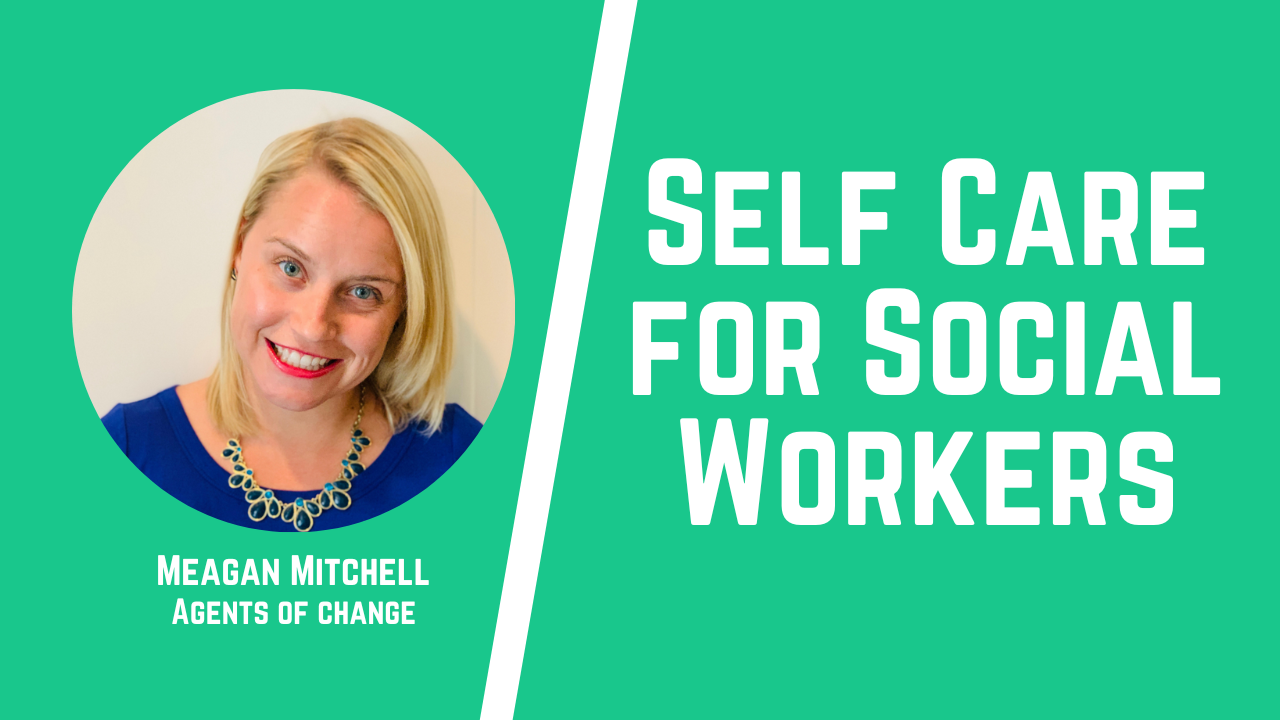
About the Instructor, Meagan Mitchell: Meagan is a Licensed Clinical Social Worker and has been providing Continuing Education for Social Workers for more than 8 years. From all of this experience helping others pass their exams, she created Agents of Change Continuing Education to help Social Workers stay up-to-date on the latest trends, research, and techniques.
#socialwork #socialworker #socialwork #socialworklicense #socialworklicensing #continuinged #continuingeducation #ce #socialworkce #freecesocialwork #lmsw #lcsw
Disclaimer: This content has been made available for informational and educational purposes only. This content is not intended to be a substitute for professional medical or clinical advice, diagnosis, or treatment