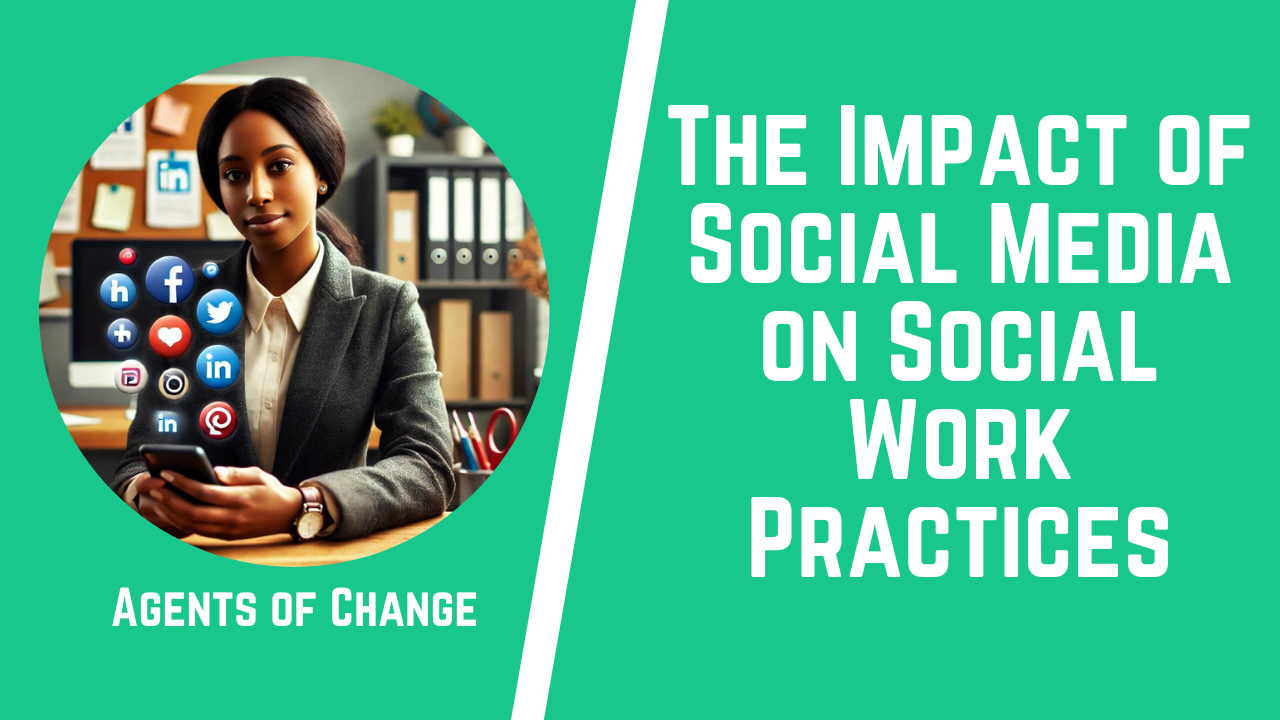
In today’s world, social media has become an integral part of our daily lives. Whether we’re connecting with friends, staying updated on the latest news, or advocating for social change, platforms like Facebook, Twitter/X, and Instagram are often our go-to tools.
But beyond personal use, social media is increasingly influencing professional fields, and Social Work is no exception. The impact of social media on Social Work practices is profound, offering new opportunities for engagement, communication, and advocacy while also presenting unique challenges that Social Workers must navigate.
Social Workers have long been on the front lines of addressing social issues, and now, with the rise of social media, they have powerful new platforms to amplify their voices and reach broader audiences.
From raising awareness about critical social issues to connecting with clients in innovative ways, social media has the potential to enhance the effectiveness of social work. However, the digital age also brings ethical dilemmas, privacy concerns, and the need for clear professional boundaries. The line between personal and professional can become blurred, making it essential for Social Workers to approach social media with care and a well-defined strategy.
Did you know? Agents of Change Continuing Education offers Unlimited Access to 150+ CE courses for one low annual fee to meet your state’s requirements for Continuing Education credits and level up your career.
Earn 6 ethics credits by taking our live Ethics of AI and Technology course!
We’ve helped thousands of Social Workers with Continuing Education, learn more here about Agents of Change and claim your 5 free CEUs.
1) The Growing Influence of Social Media in Social Work
The digital age has transformed the way we communicate, share information, and engage with the world around us. For Social Workers, this transformation has opened up new possibilities for connecting with clients, advocating for social change, and accessing resources.

However, as social media continues to permeate every aspect of our lives, its influence on social work practices is becoming increasingly significant. In this section, we’ll explore the various ways social media is shaping the field of Social Work, with a focus on communication, resource access, and advocacy.
1. Communication and Client Engagement: New Channels for Connection
Social media has revolutionized the way Social Workers communicate with clients and communities. Traditional methods of communication, such as phone calls and in-person meetings, are now supplemented by social media platforms that offer faster, more accessible ways to connect. This shift has created opportunities for Social Workers to engage with clients in ways that were previously unimaginable.
Enhanced Communication Methods
Social media platforms provide multiple channels for communication, each with its unique advantages:
-
Direct Messaging: Platforms like Facebook Messenger, Instagram Direct, and Twitter DMs allow Social Workers to communicate in real-time, making it easier to provide immediate support or share important updates.
-
Video Calls: Social media platforms such as WhatsApp and Facebook Messenger offer video call features that enable virtual face-to-face interactions. This is particularly useful for clients who may have mobility issues or live in remote areas.
-
Public Posts and Updates: Social Workers can share public posts on platforms like Facebook or Twitter to disseminate information, raise awareness, or update the community on ongoing initiatives.
While these tools offer convenience, they also raise questions about boundaries and professionalism. Social Workers must navigate the fine line between being accessible and maintaining appropriate professional distance.
For example, what happens when a client sends a friend request or starts following you on Instagram? Establishing clear guidelines for social media interactions is essential to ensuring that boundaries are respected and professional ethics are upheld.
Client-Centered Online Support Groups
Another significant development is the rise of online support groups. Social Workers can now facilitate or participate in online communities where clients facing similar challenges can come together for mutual support. These groups can be hosted on platforms like Facebook or Reddit and provide a space for clients to share experiences, resources, and encouragement.
Benefits of Online Support Groups:
-
Accessibility: Clients can participate from the comfort of their homes, eliminating barriers such as transportation or scheduling conflicts.
-
Anonymity: Online groups can offer a level of anonymity that makes clients feel more comfortable sharing personal experiences.
-
Peer Support: These groups provide a sense of community, allowing clients to connect with others who are going through similar struggles.
However, Social Workers must be vigilant in monitoring these groups to ensure that the information shared is accurate and that the environment remains supportive and respectful.
2. Access to Resources and Information: Expanding the Social Work Toolkit
Social media is not just a communication tool; it’s also a vast repository of resources and information. For Social Workers, these platforms offer opportunities to stay informed, connect with peers, and access the latest research and best practices. However, with the sheer volume of content available, it’s crucial to approach social media with a discerning eye.
Staying Informed and Connected
Social media platforms allow Social Workers to stay updated on the latest trends and developments in their field. By following relevant organizations, thought leaders, and professional groups, Social Workers can access valuable resources and networking opportunities.
Key Platforms for Professional Development:
-
LinkedIn: A platform dedicated to professional networking, LinkedIn is an excellent resource for connecting with peers, sharing research, and discovering job opportunities.
-
Twitter/X: Many Social Workers and organizations use Twitter/X to share articles, news, and updates related to Social Work. Following hashtags like #SocialWork, #MentalHealth, or #SocialJustice can help you stay informed.
-
Facebook Groups: Numerous Facebook groups are dedicated to Social Work topics, offering a space for professionals to discuss challenges, share resources, and seek advice.
While these platforms are invaluable for professional development, it’s important to critically assess the content you encounter. Misinformation is rampant on social media, so verifying the accuracy of the resources you use and share is essential.

Resource Sharing and Collaboration
Social media also facilitates collaboration among Social Workers, enabling them to share resources and best practices more efficiently. This is particularly useful for those working in underserved areas or with limited access to traditional resources.
Examples of Resource Sharing on Social Media:
-
Research Articles: Social Workers can share links to recent studies, helping their peers stay informed about the latest findings in the field.
-
Toolkits and Guides: Platforms like Twitter/X and LinkedIn are often used to share toolkits, guides, and other practical resources that can be implemented in various social work settings.
-
Workshops and Webinars: Social media is a great way to promote and access continuing education opportunities, including workshops, webinars, and online courses.
One such resource for continuing education is Agents of Change Continuing Education. With over 150 courses designed specifically for Social Workers, they provide an excellent opportunity to earn the Continuing Education Credits (CEUs) required to maintain your license.
Whether you’re looking to deepen your expertise or stay current on industry trends, their courses can help you meet your professional goals.
3. Advocacy and Social Justice: Amplifying the Social Work Voice
Advocacy has always been a core component of social work, and social media has amplified the ability of Social Workers to promote social justice on a larger scale. By leveraging the power of social media, Social Workers can raise awareness, mobilize communities, and effect change in ways that were previously unattainable.
Raising Awareness Through Social Media Campaigns
Social media platforms provide Social Workers with powerful tools to raise awareness about critical social issues. By creating and sharing content, Social Workers can educate the public, advocate for policy changes, and give a voice to marginalized communities.
Effective Social Media Campaign Strategies:
-
Storytelling: Sharing compelling stories that highlight the experiences of individuals affected by social issues can humanize complex topics and inspire action.
-
Hashtag Activism: Strategic use of hashtags can help your message reach a broader audience and connect with larger social movements. Examples include #BlackLivesMatter, #MeToo, and #MentalHealthMatters.
-
Collaborations: Partnering with other organizations or influencers can increase the reach and impact of your advocacy efforts.
However, Social Workers must be mindful of the potential risks associated with social media advocacy. Online activism can sometimes lead to backlash or unintended consequences, so it’s important to approach these efforts with care and consideration.
Engaging Communities and Mobilizing Action
In addition to raising awareness, social media allows Social Workers to engage communities and mobilize action. Whether it’s organizing a protest, starting a petition, or simply encouraging others to get involved, social media can be a powerful tool for creating real-world change.
Ways to Mobilize Action on Social Media:
-
Petitions: Platforms like Change.org allow Social Workers to create and share petitions that can influence policy decisions.
-
Event Promotion: Social media is an excellent way to promote events such as rallies, workshops, or community meetings.
-
Calls to Action: Simple posts that encourage followers to take specific actions, such as contacting their representatives or donating to a cause, can have a significant impact.
While social media has democratized advocacy, it also requires Social Workers to be strategic in their efforts. Overloading your audience with information or making too many demands can lead to disengagement, so it’s important to strike a balance between raising awareness and encouraging action.
The growing influence of social media on Social Work practices is both exciting and challenging. From enhancing communication with clients to expanding access to resources and amplifying advocacy efforts, social media offers Social Workers powerful tools to improve their practice. However, it’s crucial to navigate this digital landscape with care, maintaining ethical standards, professional boundaries, and a discerning approach to information.
Learn more about Agents of Change Continuing Education. We’ve helped thousands of Social Workers with their Continuing Education and want you to be next!
Earn 6 ethics credits by taking our live Ethics of AI and Technology course!
2) Navigating the Challenges of Social Media in Social Work
While social media has undeniably transformed the field of Social Work, offering new opportunities for communication, resource sharing, and advocacy, it also brings with it a host of challenges.
Social Workers must navigate ethical dilemmas, maintain professional boundaries, protect their mental health, and combat misinformation—all within the ever-changing landscape of digital platforms.

1. Ethical Considerations: Balancing Accessibility and Confidentiality
One of the most significant challenges Social Workers face when using social media is navigating the complex ethical landscape. Social media blurs the lines between personal and professional lives, making it difficult to maintain confidentiality, protect clients’ privacy, and uphold ethical standards.
Confidentiality and Privacy Concerns
Maintaining client confidentiality is a cornerstone of Social Work practice, and social media complicates this responsibility. Whether it’s through direct messaging, online support groups, or even public posts, the risk of inadvertently disclosing sensitive information is heightened.
Key Ethical Considerations:
-
Avoiding Confidential Information: Social Workers must be vigilant about not sharing any details that could identify a client, even in seemingly anonymous posts. For example, sharing a success story might seem harmless, but if it includes identifying information, it could violate confidentiality.
-
Privacy Settings: Social Workers should regularly review and adjust their privacy settings on social media platforms to ensure that their personal information is not easily accessible to clients or the public.
-
Informed Consent: If you plan to use social media in your practice, it’s essential to obtain informed consent from clients, clearly explaining how you might use social media and the potential risks involved.
To help navigate these concerns, many Social Work organizations have developed guidelines for social media use. Familiarizing yourself with these guidelines and incorporating them into your practice can help you strike a balance between being accessible to your clients and protecting their confidentiality.
Professional Boundaries: Navigating Dual Relationships
The informal nature of social media can make it challenging to maintain professional boundaries. Clients may attempt to connect with Social Workers on platforms like Facebook or Instagram, creating the potential for dual relationships that can blur the lines between personal and professional interactions.
Strategies for Maintaining Professional Boundaries:
-
Separate Accounts: Consider maintaining separate personal and professional social media accounts. This can help ensure that your personal life remains private while allowing you to engage professionally with clients and colleagues.
-
Clear Policies: Establish clear policies regarding social media interactions with clients. For example, you might decide not to accept friend requests from clients on personal social media accounts or limit your interactions to professional platforms like LinkedIn.
-
Transparent Communication: If a client reaches out to you on social media, address the situation directly. Politely explain your policy regarding social media connections and offer alternative ways to communicate professionally.
Navigating these boundaries requires both self-awareness and clear communication with clients. By setting expectations early on, you can help prevent potential ethical dilemmas and maintain the integrity of your professional relationships.
2. Burnout and Compassion Fatigue: The Emotional Toll of Constant Connectivity
Social Work is inherently emotionally demanding, and the addition of social media can exacerbate the risk of burnout and compassion fatigue. The 24/7 nature of social media means that Social Workers may feel pressure to be constantly available, leading to emotional exhaustion and a diminished capacity to care for themselves and others.
The Impact of Social Media on Mental Health
Constant exposure to distressing content on social media—whether it’s news about social injustices, client struggles, or even personal challenges—can take a toll on a Social Worker’s mental health. This emotional burden can contribute to burnout, making it more difficult to provide effective care.
Signs of Burnout and Compassion Fatigue:
-
Emotional Exhaustion: Feeling emotionally drained or overwhelmed by the demands of the job and the constant connectivity of social media.
-
Reduced Empathy: A diminished ability to empathize with clients or a sense of detachment from their struggles.
-
Decreased Job Satisfaction: Losing a sense of fulfillment from your work or feeling cynical about the impact you’re making.
Addressing burnout and compassion fatigue requires proactive self-care strategies and setting boundaries around social media use.
Setting Boundaries and Practicing Self-Care
To protect your mental health and avoid burnout, it’s essential to establish clear boundaries around your social media use. This can help you maintain a healthy work-life balance and ensure that you’re able to care for both your clients and yourself.
Self-Care Strategies:
-
Scheduled Breaks: Designate specific times during the day to check social media and respond to messages, and stick to those schedules. Avoid the temptation to be “always on.”
-
Digital Detox: Consider taking regular breaks from social media, especially during weekends or vacations. This can help you recharge and return to your work with renewed energy.
-
Mindfulness Practices: Engage in mindfulness or relaxation techniques, such as meditation or deep breathing exercises, to help manage stress and maintain emotional balance.
-
Peer Support: Connect with other Social Workers who understand the challenges you face. Sharing experiences and strategies for managing stress can be incredibly supportive.
By prioritizing self-care and setting clear boundaries, you can protect your well-being while continuing to use social media as a tool for your practice.
3. Misinformation and Mistrust: Navigating the Digital Minefield
Social media is a double-edged sword when it comes to information sharing. On one hand, it provides access to a wealth of resources and knowledge.
On the other hand, it is rife with misinformation, which can lead to mistrust among clients and the public. As a Social Worker, it’s crucial to critically evaluate the information you encounter and ensure that you are providing accurate, evidence-based guidance to your clients.
The Dangers of Misinformation
Misinformation can spread rapidly on social media, often leading to confusion, fear, and mistrust. For Social Workers, this can be particularly challenging, as clients may come to you with false or misleading information that can impact their decisions and well-being.
Common Sources of Misinformation:
-
Unverified News Stories: Social media platforms are filled with news articles that may not be fact-checked or reliable.
-
Pseudoscientific Claims: Health and wellness misinformation, such as unfounded claims about treatments or therapies, can be especially harmful to vulnerable populations.
-
Conspiracy Theories: These can sow distrust in institutions, including social services, and undermine the work of Social Workers.
Addressing misinformation requires both vigilance and communication. Social Workers must be prepared to identify and counteract false information while maintaining trust with their clients.
Promoting Media Literacy and Critical Thinking
One of the most effective ways to combat misinformation is by promoting media literacy among clients. By teaching clients how to evaluate the information they encounter on social media critically, Social Workers can empower them to make informed decisions.
Tips for Promoting Media Literacy:
-
Verify Sources: Encourage clients to check the credibility of the sources they encounter. Reputable news outlets, peer-reviewed journals, and official government or organization websites are generally more reliable.
-
Fact-Checking Tools: Introduce clients to fact-checking websites like Snopes or FactCheck.org, which can help verify the accuracy of questionable claims.
-
Healthy Skepticism: Teach clients to approach sensational or emotionally charged content with caution. If something seems too good (or too bad) to be true, it’s worth investigating further.
By equipping clients with the tools to critically assess the information they encounter, Social Workers can help mitigate the effects of misinformation and ensure that clients make informed choices.
Modeling Responsible Social Media Use
As a Social Worker, you also have a responsibility to model responsible social media use. This means being mindful of the information you share, verifying facts before posting, and considering the potential impact of your content on your audience.
By modeling responsible social media behavior, Social Workers can help create a more informed and supportive online community.
Navigating the challenges of social media in Social Work requires a careful balance of ethics, boundaries, and self-care. While these platforms offer invaluable tools for communication, advocacy, and resource sharing, they also present significant risks that must be managed thoughtfully. By maintaining clear professional boundaries, protecting your mental health, and promoting critical thinking, Social Workers can effectively navigate the digital landscape while continuing to make a positive impact on their clients and communities.
We’ve helped thousands of Social Workers with Continuing Education, learn more here about Agents of Change and claim your 5 free CEUs!
3) Practical Tips for Integrating Social Media into Social Work Practice
Social media can be a powerful tool for Social Workers, enabling them to connect with clients, share resources, and advocate for social justice.
However, integrating social media into Social Work practice requires careful planning and a strategic approach to ensure that it enhances, rather than detracts from, professional effectiveness. In this section, we’ll explore practical tips for using social media in a way that aligns with social work ethics, enhances client engagement, and supports ongoing professional development.
1. Establish a Professional Social Media Presence
Creating a professional social media presence is the first step in effectively integrating social media into your practice. This involves setting up accounts that are separate from your personal ones and tailoring your online presence to reflect your professional role as a Social Worker.
Creating a Professional Account
To maintain boundaries and ensure professionalism, it’s crucial to separate your personal and professional social media accounts. This helps protect your privacy and allows you to present a clear, consistent professional image.
Steps to Create a Professional Account:
-
Choose the Right Platforms: Not every social media platform is suitable for professional use. LinkedIn is ideal for networking and professional development, while Twitter/X and Facebook can be useful for sharing resources and engaging with the community. Consider your goals and choose platforms that align with your professional needs.
-
Use Professional Branding: Your professional social media accounts should reflect your role as a Social Worker. Use a professional photo for your profile, and ensure that your bio clearly states your credentials and area of expertise.
-
Develop a Content Strategy: Decide in advance what type of content you’ll share on your professional accounts. This might include industry news, resources for clients, or advocacy efforts. Having a content strategy helps maintain consistency and ensures that your posts are relevant and impactful.
Maintaining Professional Boundaries
Maintaining professional boundaries on social media is essential to avoid ethical dilemmas and ensure that your interactions with clients remain appropriate.
Tips for Maintaining Boundaries:
-
Set Clear Guidelines: Clearly communicate your social media policies to clients. For example, you might inform clients that you don’t accept friend requests on personal accounts or that you’ll only communicate through certain platforms.
-
Keep Communication Professional: Even on social media, it’s important to maintain a professional tone in all communications with clients and colleagues. Avoid sharing overly personal details or engaging in casual conversations that could blur the lines between your professional and personal lives.
-
Monitor Your Privacy Settings: Regularly review and adjust your privacy settings to ensure that your personal information is protected. This helps prevent clients from accessing details about your personal life that could compromise your professional relationship.
By establishing a clear and professional online presence, you can use social media effectively while maintaining the integrity of your practice.
2. Leverage Social Media for Client Engagement and Support
Social media offers unique opportunities to engage with clients and provide support in ways that are more accessible and immediate than traditional methods. However, it’s important to approach this with care to ensure that client interactions on social media are both ethical and effective.
Using Social Media for Client Communication
Social media platforms can be valuable tools for communicating with clients, especially when traditional communication methods are unavailable or impractical. However, it’s essential to establish clear boundaries and guidelines for these interactions.
Effective Communication Strategies:
-
Set Communication Protocols: Decide in advance how and when you’ll communicate with clients on social media. For example, you might only respond to messages during business hours or use certain platforms for specific types of communication.
-
Keep Records: Document all client communications that occur on social media, just as you would with phone calls or emails. This helps ensure that you have a record of important interactions and can refer back to them if needed.
-
Use Secure Platforms: Whenever possible, use platforms that offer secure, encrypted communication options to protect client confidentiality. Apps like WhatsApp and Signal offer end-to-end encryption, making them safer options for client communication.
Facilitating Online Support Groups
One of the most powerful ways to use social media in Social Work is by facilitating online support groups. These groups can provide a sense of community and peer support for clients who may feel isolated or unable to attend in-person meetings.
Benefits of Online Support Groups:
-
Accessibility: Clients can participate from anywhere, making these groups ideal for those with mobility issues or who live in remote areas.
-
Anonymity: Online support groups can offer clients a level of anonymity that may make them more comfortable sharing their experiences and seeking help.
-
Peer Support: These groups allow clients to connect with others who are facing similar challenges, fostering a sense of community and reducing feelings of isolation.
Best Practices for Facilitating Online Support Groups:
-
Establish Group Rules: Clearly define the rules and expectations for participation in the group. This might include guidelines for respectful communication, confidentiality, and how to handle conflicts.
-
Monitor the Group: Regularly monitor the group to ensure that the environment remains supportive and that misinformation or harmful behaviors are addressed promptly.
-
Provide Resources: Use the group as an opportunity to share valuable resources, such as articles, videos, or links to services that may benefit group members.
By using social media to enhance client engagement and support, Social Workers can provide more accessible and effective care.
3. Utilize Social Media for Advocacy and Social Justice
Advocacy is a core component of Social Work, and social media offers a powerful platform for amplifying your voice and effecting change. Whether you’re advocating for policy changes, raising awareness about social issues, or mobilizing your community, social media can help you reach a broader audience and make a greater impact.
Creating and Sharing Advocacy Content
Social media allows Social Workers to share their knowledge, experiences, and passion for social justice with a wide audience. By creating and sharing advocacy content, you can help educate the public, influence policymakers, and promote social change.
Types of Advocacy Content:
-
Educational Posts: Share information about social issues that are relevant to your practice. This might include statistics, research findings, or personal stories that highlight the impact of these issues on individuals and communities.
-
Call to Action: Encourage your followers to take action by signing petitions, contacting their representatives, or participating in advocacy campaigns. Be clear about the steps they can take and how their actions can make a difference.
-
Collaborative Campaigns: Partner with other organizations or influencers to amplify your message. Collaborative campaigns can help increase your reach and create a more significant impact.
Using Hashtags and Social Media Movements
Hashtags are a powerful tool for connecting your advocacy efforts with broader social media movements. By using popular and relevant hashtags, you can increase the visibility of your posts and engage with others who are passionate about the same issues.
Popular Social Justice Hashtags:
-
#BlackLivesMatter: A movement focused on addressing systemic racism and police brutality against Black individuals.
-
#MeToo: A movement aimed at raising awareness about sexual harassment and assault, particularly in the workplace.
-
#MentalHealthAwareness: A hashtag used to promote mental health awareness and reduce stigma around mental illness.
Tips for Using Hashtags Effectively:
-
Research Hashtags: Before using a hashtag, research it to ensure that it aligns with your message and reaches the right audience.
-
Be Strategic: Use a mix of popular hashtags and more niche ones to maximize your reach while targeting your specific audience.
-
Stay Informed: Keep up with current events and social movements to ensure that your advocacy efforts are timely and relevant.
By using social media for advocacy, Social Workers can amplify their voices and contribute to meaningful social change.
4. Enhance Professional Development Through Social Media
Social media is not just a tool for client engagement and advocacy; it’s also a valuable resource for your own professional development. By staying connected with industry leaders, participating in online communities, and accessing continuing education opportunities, you can stay current in your field and continue to grow as a professional.
Networking with Colleagues and Industry Leaders
Social media platforms like LinkedIn and Twitter/X offer unique opportunities to network with other professionals in the social work field. By connecting with colleagues, mentors, and industry leaders, you can expand your professional network and gain valuable insights into best practices and emerging trends.
Networking Strategies:
-
Join Professional Groups: Participate in LinkedIn or Facebook groups dedicated to social work topics. These groups provide a space for discussion, resource sharing, and networking with peers.
-
Engage with Thought Leaders: Follow and interact with thought leaders in the Social Work field. Comment on their posts, share their content, and participate in conversations to build relationships and stay informed.
-
Attend Virtual Events: Many social work organizations host webinars, virtual conferences, and online workshops that you can attend to learn from experts and connect with other professionals.
Accessing Continuing Education Opportunities
Continuing education is essential for Social Workers to stay licensed and maintain their professional competencies. Social media can be a valuable resource for discovering and accessing continuing education opportunities.
Ways to Use Social Media for Continuing Education:
-
Follow Educational Providers: Follow organizations that offer continuing education courses, such as Agents of Change Continuing Education, on social media. They often share updates about new courses, webinars, and resources that can help you earn Continuing Education Credits (CEUs).
-
Participate in Webinars: Many social work organizations and educators host free or low-cost webinars on social media platforms. These webinars can provide valuable insights and help you stay current on industry trends.
-
Engage in Online Discussions: Participate in discussions on platforms like Twitter/X and LinkedIn, where professionals share knowledge and debate current issues in social work. Engaging in these conversations can enhance your understanding and keep you up to date on best practices.
By leveraging social media for professional development, Social Workers can continue to grow and adapt in their field, ensuring that they provide the best possible care to their clients.
Earn 6 ethics credits by taking our live Ethics of AI and Technology course!
4) FAQs – Social Work and Social Media
Q: How can Social Workers effectively manage the emotional toll of social media use to avoid burnout?
A: To effectively manage the emotional toll of social media and avoid burnout, Social Workers should establish clear boundaries and practice regular self-care. Social media can expose professionals to distressing content and create a sense of constant connectivity, leading to emotional exhaustion and compassion fatigue. To combat this, Social Workers should set specific times for social media use and avoid checking it outside of work hours whenever possible.
Taking regular digital detoxes, where you step away from social media entirely for a set period, can also help rejuvenate your mental health. Additionally, engaging in mindfulness practices, seeking peer support, and prioritizing activities that promote well-being, such as exercise or hobbies, can help maintain a healthy work-life balance. Remember, protecting your own mental health is essential to providing effective care for your clients.
Q: What are the ethical concerns of using social media in social work?
A: The primary ethical concerns for Social Workers using social media revolve around confidentiality, professional boundaries, and dual relationships. Social media blurs the line between personal and professional lives, making it easy to inadvertently share information that could compromise client confidentiality.
Additionally, Social Workers must be cautious about accepting friend requests or engaging in casual conversations with clients on social media, as this can create dual relationships that undermine the professional dynamic. To navigate these concerns, it’s important to have clear policies in place, communicate these boundaries with clients, and regularly review your privacy settings to protect both your and your clients’ information.
Q: How can Social Workers use social media for professional development and continuing education?
A: Social media offers a wealth of opportunities for Social Workers to enhance their professional development and stay current in their field. Platforms like LinkedIn, Twitter, and Facebook are valuable for networking with colleagues, joining professional groups, and engaging in discussions about emerging trends in social work.
Additionally, many organizations share information about continuing education opportunities, such as webinars, workshops, and courses, on social media. Following reputable providers like Agents of Change Continuing Education can help Social Workers stay informed about new courses and resources to earn Continuing Education Credits (CEUs). By actively participating in online communities and staying connected with industry leaders, Social Workers can continue to grow and adapt in their practice.
5) Conclusion
Social media has undeniably become a powerful tool within Social Work, offering new ways to engage with clients, advocate for social change, and access professional resources. Its growing influence on social work practices presents both exciting opportunities and significant challenges.
By thoughtfully integrating social media into their practice, Social Workers can enhance their communication, expand their reach, and stay informed about the latest developments in their field. However, this must be done with careful consideration of ethical boundaries, client confidentiality, and the emotional toll that constant connectivity can bring.
To successfully navigate the digital landscape, Social Workers need to establish clear professional boundaries, use social media responsibly, and prioritize self-care. Leveraging platforms for client engagement and support, advocacy, and professional development requires a strategic approach that balances accessibility with professionalism. By modeling responsible social media use and promoting media literacy among clients, Social Workers can help mitigate the spread of misinformation and ensure that their practice remains both ethical and effective.
Learn more about Agents of Change Continuing Education. We’ve helped thousands of Social Workers with their Continuing Education and want you to be next!
Earn 6 ethics credits by taking our live Ethics of AI and Technology course!
————————————————————————————————————————————————
► Learn more about the Agents of Change Continuing Education here: https://agentsofchangetraining.com
About the Instructor, Meagan Mitchell: Meagan is a Licensed Clinical Social Worker and has been providing Continuing Education for Social Workers for more than 8 years. From all of this experience helping others pass their exams, she created Agents of Change Continuing Education to help Social Workers stay up-to-date on the latest trends, research, and techniques.
#socialwork #socialworker #socialwork #socialworklicense #socialworklicensing #continuinged #continuingeducation #ce #socialworkce #freecesocialwork #lmsw #lcsw
Disclaimer: This content has been made available for informational and educational purposes only. This content is not intended to be a substitute for professional medical or clinical advice, diagnosis, or treatment