In an age where technology is interwoven into nearly every aspect of our lives, the field of counseling is experiencing a profound transformation. The role of technology in modern counselor practice is reshaping how therapists engage with clients, gather insights, and deliver care.
Gone are the days when sessions were confined to the therapist’s office; today, clients can connect with their counselors from the comfort of their homes through teletherapy, access support via smartphone apps, and utilize virtual tools for real-time assistance. This digital evolution isn’t just a convenience; it’s a game-changer that enhances accessibility, engagement, and effectiveness in mental health care.
As mental health professionals adapt to this new landscape, they face both exciting opportunities and significant challenges. The integration of technology allows counselors to leverage data-driven insights for personalized treatment plans, while innovative tools such as virtual reality and mobile apps provide unique ways to address various mental health issues.
However, with these advancements come critical ethical considerations, such as maintaining client confidentiality and navigating the blurred lines of professional boundaries in digital spaces. Understanding these dynamics is essential for modern counselors who aim to provide the highest quality of care.
Did you know? Agents of Change Continuing Education offers Unlimited Access to 150+ ASWB and NBCC-approved CE courses for one low annual fee to meet your state’s requirements for Continuing Education credits and level up your career.
We’ve helped thousands of Social Workers, Counselors, and Mental Health Professionals with Continuing Education, learn more here about Agents of Change and claim your 5 free CEUs.
1) Why Technology Matters in Counseling
In today’s fast-paced, digitally connected world, the role of technology in counseling has become essential for providing accessible, effective, and flexible mental health care. Counselors and Social Workers are now equipped with tools that can transform how they assess, engage, and support their clients.
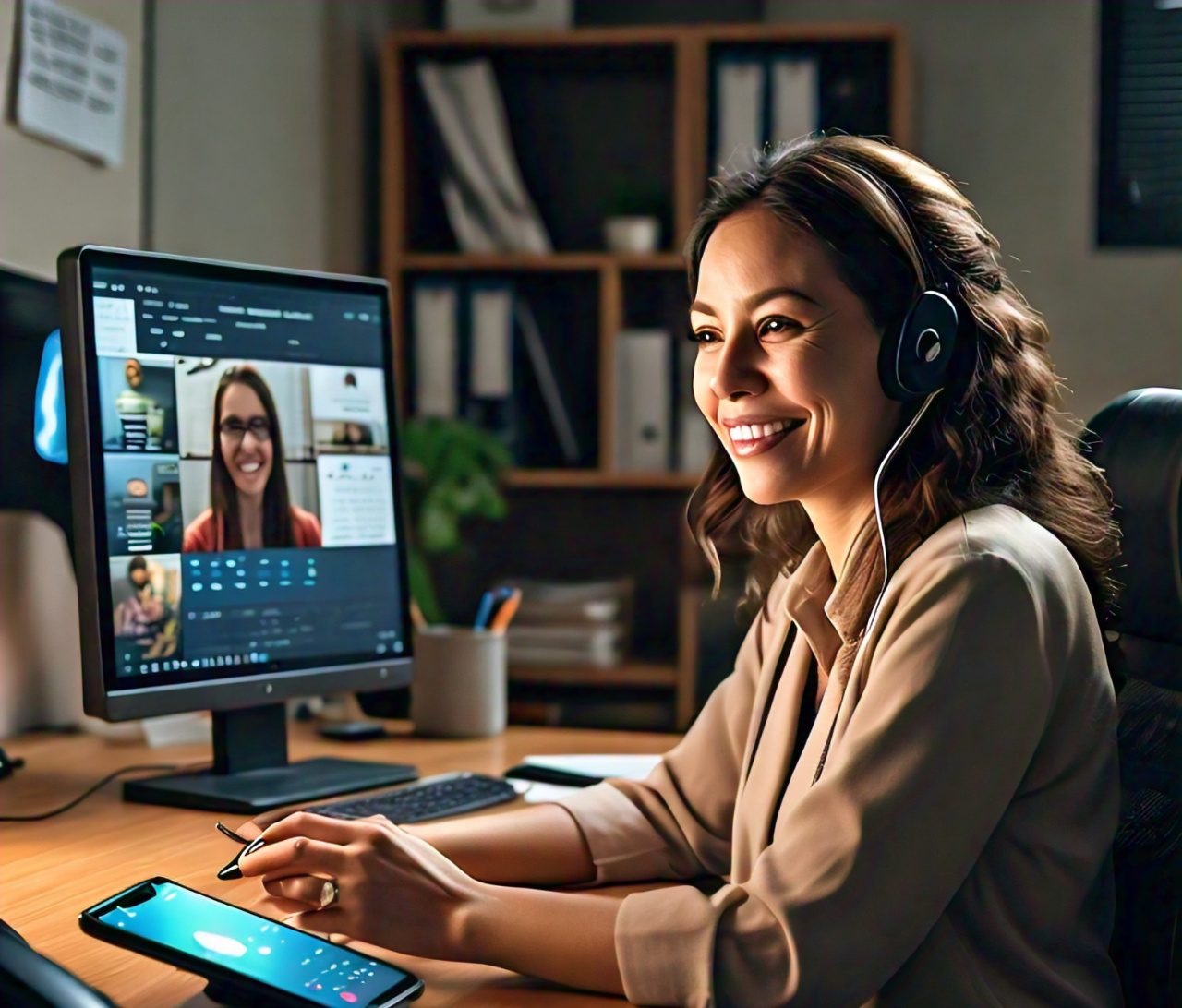
Technology in counseling isn’t just a modern add-on; it’s a critical component of effective practice. From expanding access to mental health services to providing personalized, data-driven insights, technology has reshaped the landscape of therapeutic care.
Expanding Access to Mental Health Services
Technology has greatly improved the accessibility of mental health services, allowing clients to reach professionals in ways that weren’t possible even a decade ago. This is especially valuable for individuals living in rural or remote areas, people with mobility issues, or those who might not feel comfortable in a traditional office setting. By enabling virtual sessions through teletherapy, counselors can connect with clients who otherwise may not seek or receive the support they need.
Key benefits of tech-enhanced accessibility include:
- Convenient Access: Clients can join sessions from anywhere, eliminating travel time and allowing for flexible scheduling.
- Inclusivity for Remote Areas: Individuals in rural or underserved regions can now access quality mental health care.
- Reduced Stigma: Many clients feel more comfortable opening up in familiar settings, such as their own home, which can ease the stigma around seeking therapy.
Enhancing Client Engagement and Retention
Keeping clients engaged and actively participating in therapy can be challenging, but technology has introduced tools that encourage ongoing involvement beyond the traditional weekly session. Through digital platforms, apps, and interactive resources, clients can practice therapeutic techniques, monitor their progress, and access support in real time.
Some popular tools that enhance engagement include:
- Mood-Tracking Apps: These apps allow clients to log their moods and emotions daily, creating a detailed picture of their mental health over time.
- Therapeutic Games and Exercises: Digital tools offer engaging ways for clients to practice mindfulness, coping strategies, or exposure exercises.
- Symptom and Progress Trackers: Clients can track specific symptoms, helping them stay motivated and focused on their goals.
By encouraging active participation between sessions, these tools help clients develop stronger coping skills and a deeper understanding of their emotional patterns, ultimately improving outcomes and retention.
Data-Driven Insights and Personalized Care
In counseling, personalization is key. The more a counselor understands about their client’s unique experiences and needs, the better they can tailor the therapeutic approach. Technology has made it possible to gather and analyze data that offers valuable insights, helping counselors create highly personalized treatment plans.
Data-driven insights allow counselors to:
- Identify Behavioral Patterns: By tracking data over time, counselors can spot trends and changes in client behavior that might indicate shifts in mental health.
- Adjust Treatment Approaches: Real-time feedback from apps and tools lets counselors adjust their approach based on a client’s current needs.
- Improve Outcome Tracking: Data analysis can help counselors assess the efficacy of certain techniques, providing a clear view of a client’s progress.
Supporting Crisis Intervention
For clients facing mental health crises, immediate access to support can be life-changing. Technology provides tools that allow clients to reach out quickly, access calming exercises, or contact emergency resources in urgent situations. With the advent of mobile crisis apps and digital hotlines, individuals in crisis have more options than ever to seek immediate assistance.
Examples of tech-supported crisis tools include:
- Crisis Hotlines via Text: Services like Crisis Text Line provide immediate, anonymous support, offering clients a quick and private way to access help.
- Mobile Crisis Apps: These apps include grounding exercises, emergency contacts, and even automated guidance to help clients calm themselves in moments of high stress.
- Online Support Networks: For clients who need peer support, online communities can provide a safe space to connect with others experiencing similar struggles.
Facilitating Ongoing Learning and Professional Development
As the counseling field rapidly evolves, it’s crucial for mental health professionals to stay up-to-date with the latest techniques and tools. Technology makes it easier than ever for counselors to access continued education and professional development programs that help them stay current in a tech-driven field.
For example, platforms like Agents of Change Continuing Education provide a wide range of ASWB and NBCC-approved courses tailored to Social Workers, counselors, and mental health professionals. These programs allow practitioners to earn necessary Continuing Education Credits, expand their skill sets, and ensure they’re delivering the most effective, ethical care.
Through online learning and self-paced courses, counselors can:
- Gain New Skills in Emerging Techniques: Courses on digital ethics, teletherapy, and data privacy help professionals navigate tech-specific challenges.
- Meet Licensing Requirements: Many states require counselors to earn a certain number of continuing education credits to maintain their license.
- Stay Informed on Industry Trends: Access to the latest research and best practices ensures counselors are well-prepared to meet modern client needs.
Technology has brought an array of powerful tools to modern counselor practice. From increasing accessibility to enabling ongoing client engagement and offering data insights for tailored care, the digital tools available today allow counselors to provide more flexible, effective support to a broader audience.
As counselors embrace these technologies, they’re better equipped to meet clients where they are—literally and figuratively—providing a level of care that’s responsive to the demands of our digital world.
Learn more about Agents of Change Continuing Education. We’ve helped thousands of social workers, counselors, and mental health professionals with their continuing education, and we want you to be next!
2) The Evolution of Teletherapy
Teletherapy has evolved from a niche offering to a widely accepted, even essential, mode of counseling in modern practice. What was once considered a secondary option to in-person therapy has transformed into a primary choice for many clients and counselors alike.

This shift didn’t happen overnight; the rise of teletherapy has been shaped by advancements in digital technology, changes in client expectations, and, most recently, the impact of the COVID-19 pandemic, which made in-person sessions difficult to maintain.
The Growth and Popularity of Teletherapy
The adoption of teletherapy surged as people recognized the convenience, accessibility, and effectiveness of virtual counseling. This format has opened the door for individuals who might otherwise face barriers to mental health services, from those in rural areas to people with physical disabilities or transportation challenges.
Key reasons for the growth of teletherapy include:
- Convenience for Clients and Counselors: Sessions can be attended from home, eliminating travel time and making scheduling more flexible.
- Increased Privacy: Clients who may feel self-conscious about visiting a therapist’s office benefit from the privacy of their own homes.
- Broader Reach: Counselors can connect with clients beyond their immediate geographic area, helping those in remote or underserved regions.
Benefits of Teletherapy
Teletherapy isn’t just popular—it offers real, tangible benefits to clients and counselors, contributing to positive therapeutic outcomes and improved access to care. Many clients find that teletherapy allows them to feel more comfortable and engaged, which can enhance the therapeutic process.
Top benefits of teletherapy include:
- Comfort and Familiarity of Home: Many clients feel more at ease in a familiar setting, which can lead to greater openness and vulnerability during sessions.
- Flexible Scheduling Options: Clients with busy schedules can more easily fit teletherapy into their lives without the added burden of commuting.
- Accessibility for Diverse Populations: Teletherapy serves clients who might face challenges with in-person sessions, such as those with physical limitations, chronic illnesses, or anxiety around travel.
Challenges and Limitations of Teletherapy
While teletherapy has many advantages, it’s not without its challenges. Both clients and counselors have encountered unique obstacles in the virtual setting that require creative solutions and adaptability.
Some of the main challenges of teletherapy are:
- Technical Difficulties: Internet connectivity issues, audio/visual glitches, and software malfunctions can interrupt the flow of sessions, affecting the therapeutic experience.
- Lack of Physical Presence: Body language and non-verbal cues can be harder to interpret, potentially affecting a counselor’s ability to fully understand a client’s emotional state.
- Privacy and Confidentiality Concerns: For clients in shared living spaces, maintaining privacy during sessions can be challenging, which may limit their ability to fully express themselves.
Teletherapy Best Practices
For teletherapy to be effective, both clients and counselors need to adopt certain best practices that enhance the virtual experience. By preparing for potential issues and creating a structured teletherapy environment, counselors can provide high-quality, ethical care to their clients.
Recommended best practices for teletherapy include:
- Ensuring a Private, Quiet Space: Both client and counselor should be in a secure, quiet room to maintain confidentiality and reduce distractions.
- Testing Equipment Before Sessions: Checking audio, video, and internet connections before each session can help avoid disruptions and ensure a smooth experience.
- Using HIPAA-Compliant Platforms: To protect client confidentiality, counselors should use secure, HIPAA-compliant telehealth platforms, which offer additional safeguards for data privacy.
The Role of Teletherapy in Crisis Situations
Teletherapy can be a powerful tool in crisis intervention, providing clients with immediate support and guidance when they need it most. Although in-person crisis intervention has its benefits, teletherapy enables counselors to reach clients who may not have access to emergency in-person support. This is especially crucial for clients experiencing intense anxiety, depression, or other mental health challenges during off-hours or in remote locations.
Ways teletherapy supports clients in crisis situations:
- Quick Access to Professional Support: Clients in crisis can schedule same-day teletherapy sessions, getting the support they need without delay.
- Guidance in a Safe Environment: Teletherapy allows clients to access crisis support in a place where they feel secure, such as their home.
- Emergency Resources at Their Fingertips: Many teletherapy platforms integrate with crisis resources, providing clients with easy access to emergency contacts and helpful coping tools.
The Future of Teletherapy
As technology continues to evolve, the future of teletherapy looks promising, with new tools and capabilities that could further enhance virtual counseling. From AI-driven assessments to more immersive digital platforms, teletherapy will likely incorporate advanced features that improve the client experience and deepen therapeutic outcomes.
Moreover, as teletherapy gains even more widespread acceptance, counseling practices may increasingly offer it as a permanent, fully integrated service option rather than an alternative to in-person care.
Potential advancements in teletherapy include:
- AI-Powered Assessments: AI technology may provide insights into client moods and emotional patterns, offering counselors real-time data to enhance their approach.
- Virtual Reality Integration: For specific types of therapy, VR could allow clients to engage in exposure therapy and other experiential techniques in a safe, controlled digital environment.
- Enhanced Client-Counselor Matching Algorithms: Technology could better match clients with counselors who specialize in their unique needs, improving therapeutic outcomes.
Teletherapy has come a long way, transforming from a supplemental service to a cornerstone of modern counseling. While challenges remain, the benefits of accessibility, convenience, and new opportunities for crisis intervention make it a vital part of the therapeutic toolkit.
As teletherapy continues to evolve, counselors who embrace these advancements will be better positioned to support their clients, offering a responsive, effective, and flexible approach to mental health care in the digital age.
We’ve helped thousands of Social Workers, Counselors, and Mental Health Professionals with Continuing Education, learn more here about Agents of Change and claim your 5 free CEUs!
3) Digital Tools for Client Assessment
The assessment process is a cornerstone of effective counseling, providing insights into a client’s mental health status, progress, and therapeutic needs. With the advent of digital tools, counselors can now gather more detailed, real-time data that goes beyond what traditional methods offer. These digital tools facilitate a more comprehensive understanding of client experiences and empower clients to participate actively in their own assessments.
AI-Driven Assessment Tools
Artificial intelligence (AI) has made significant inroads in mental health, offering counselors powerful tools to analyze client data more effectively. AI-driven assessment tools can process vast amounts of information, spotting trends and patterns that might be too subtle or complex for human analysis alone.
For example, AI can track subtle shifts in mood, word choice, or even facial expressions (in video sessions) to offer insights that enhance the therapeutic process.
Benefits of AI-driven assessment tools include:
- Pattern Recognition: AI can detect patterns in client behavior or mood, helping counselors predict potential issues or identify effective interventions.
- Automated Progress Tracking: AI can track a client’s progress over time, automatically generating reports that offer a visual representation of improvement or challenges.
- Enhanced Objectivity: By relying on data analysis, AI-driven tools help reduce potential biases, providing counselors with more objective assessments.
Mobile Apps for Self-Reporting
Self-reporting apps have transformed the way clients and counselors collaborate on tracking emotions, symptoms, and behaviors between sessions. These apps empower clients to log their moods, thoughts, and daily experiences in real-time, giving counselors an up-to-date view of their mental state.

By consistently documenting their emotional and behavioral patterns, clients become more self-aware, which can be beneficial for the therapeutic process.
Popular types of self-reporting apps include:
- Mood Tracking Apps: These apps allow clients to log their mood throughout the day, tracking fluctuations and patterns that can reveal insights into mental health.
- Symptom Trackers: Clients with specific conditions (e.g., anxiety, depression, PTSD) can use symptom-tracking apps to log relevant behaviors or physical symptoms, helping counselors assess treatment effectiveness.
- Journaling Apps: Digital journals provide a private space for clients to write down thoughts, experiences, and reflections, which can offer valuable context during therapy sessions.
Self-reporting apps offer clients a simple and immediate way to document their emotional journeys, making it easier for counselors to monitor progress and adjust treatment plans as needed.
Wearable Technology for Behavioral Monitoring
Wearable technology, like smartwatches and fitness trackers, is beginning to play a role in mental health assessment by providing counselors with data on clients’ physical and physiological states. This data can be particularly useful for clients experiencing anxiety, PTSD, or other conditions that impact physical health.
Ways wearable technology supports client assessment include:
- Tracking Heart Rate and Sleep Patterns: Changes in heart rate, sleep quality, or physical activity can reveal insights into a client’s mental health and stress levels.
- Physical Activity Monitoring: Activity levels often correlate with mood, energy, and motivation; tracking these can help counselors understand changes in mental state.
- Data Sharing with Counselors: Many wearable devices allow clients to share their data directly with counselors, providing a real-time look into physical indicators of mental health.
Online Questionnaires and Assessments
Online questionnaires and standardized assessments have long been a staple of counseling, but technology has made these tools more accessible and dynamic. Many platforms now offer digital versions of commonly used assessments, such as the Beck Depression Inventory (BDI) or the Generalized Anxiety Disorder 7 (GAD-7) scale, that clients can complete online.
These assessments give counselors structured insights into a client’s mental health status, which is helpful for diagnosis, treatment planning, and monitoring progress.
Advantages of online questionnaires include:
- Standardized Measurement: Digital assessments provide consistent, validated data, helping counselors assess mental health with reliable metrics.
- Immediate Results: Digital tools generate results immediately, allowing counselors to discuss findings with clients in real time.
- Customization for Individual Needs: Some platforms allow counselors to create or modify questionnaires to fit specific therapeutic goals or client concerns.
Interactive Tools for Engagement
Digital assessment tools also include interactive options that engage clients in self-exploration and reflection. Interactive tools are designed to be user-friendly and engaging, helping clients feel more connected to their own mental health journey.
Examples of interactive assessment tools include:
- Cognitive Behavioral Therapy (CBT) Worksheets: Digital CBT worksheets allow clients to practice thought-challenging exercises, record their automatic thoughts, and reflect on cognitive distortions.
- Skill-Building Games: Some digital tools include therapeutic games or exercises designed to help clients build skills, such as emotional regulation or stress management.
- Interactive Progress Charts: Visual charts that track improvements or setbacks can motivate clients and provide a clear picture of their mental health journey over time.
Digital tools for client assessment offer counselors unprecedented insights into a client’s mental health while empowering clients to take an active role in tracking their progress. By incorporating these advanced tools, counselors can make data-driven decisions, tailor treatment plans, and engage clients more effectively in their own care.
The growing variety of digital assessment options allows for a more flexible and personalized approach to mental health care, meeting clients’ needs in real time and supporting better outcomes in the therapeutic process.
4) Technology in Crisis Intervention
In moments of crisis, immediate support can be crucial to a person’s safety and well-being. Technology has transformed crisis intervention, allowing individuals in distress to reach out quickly, access resources, and connect with professional help when they need it most.
Today’s digital tools provide a level of accessibility and immediacy that traditional methods can’t always offer. From text hotlines to mobile crisis apps, technology has opened up new avenues for mental health support, especially for those who may not have easy access to in-person resources.
The Role of Text-Based Crisis Support
Text-based crisis intervention services have become increasingly popular, especially among younger generations who may feel more comfortable texting than talking on the phone. Texting provides a sense of anonymity, which can encourage people to reach out who might otherwise hesitate.
These services offer instant access to trained professionals or volunteers who can provide support, guidance, and resources in real time.
Advantages of text-based crisis support include:
- Anonymity and Privacy: Many people feel safer and more comfortable discussing sensitive issues over text, which can lower barriers to seeking help.
- Immediate Response: Text hotlines provide a quick connection to support, which is critical during high-stress moments.
- Non-Disruptive: Texting allows individuals to reach out discreetly, which is particularly valuable in situations where making a phone call isn’t possible.
Mobile Crisis Apps and Real-Time Support
Mobile crisis apps have become valuable tools for individuals experiencing mental health emergencies. These apps are designed to provide coping tools, emergency contacts, and immediate resources for those in crisis. Many include guided exercises to help reduce anxiety, panic, or distress while offering an easy way to connect with a crisis counselor if needed.
Popular features of mobile crisis apps include:
- Guided Breathing and Relaxation Exercises: Many apps include techniques like deep breathing, progressive muscle relaxation, and grounding exercises to help reduce immediate anxiety.
- Emergency Contacts and Hotlines: Apps often provide a direct link to emergency hotlines or personal emergency contacts, allowing individuals to reach out with just a tap.
- Safety Planning Tools: Some apps help users create a crisis plan, including coping strategies and people to contact, which can be a valuable resource in distressing situations.
Online Peer Support Communities
For individuals experiencing a crisis, connecting with others who understand can provide invaluable emotional support. Online peer support communities offer a platform where people can share their experiences, receive encouragement, and feel less alone. These communities often operate 24/7, meaning individuals can seek support at any time of day or night, regardless of location.
Benefits of online peer support communities in crisis intervention:
- Sense of Belonging: Knowing that others have experienced similar struggles can offer comfort and reduce feelings of isolation.
- Round-the-Clock Access: Online communities are always available, so individuals can find support at any hour.
- Empowerment Through Shared Stories: By reading others’ stories and sharing their own, individuals may feel more empowered and less overwhelmed in their crises.
The Integration of AI for Crisis Detection
Artificial intelligence is beginning to play a role in crisis intervention by helping identify when individuals may be at risk, based on their digital behavior. AI algorithms, often built into apps and online platforms, can monitor certain keywords or patterns in a person’s messages, posts, or texts that may indicate mental distress. When these patterns are detected, the AI system can send alerts or connect the individual to crisis support resources.
Examples of AI in crisis detection:
- Keyword Monitoring: AI algorithms scan for keywords or phrases that signal distress, such as “depressed,” “hopeless,” or “suicidal,” and can prompt support options.
- Behavioral Analysis: AI can track changes in behavior, such as frequency of logins, mood reporting, or other indicators, and alert users to seek help if concerning patterns are detected.
- Automatic Support Suggestions: When an AI detects potential crisis indicators, it can automatically suggest resources, helplines, or emergency contacts, offering immediate options for help.
Social Media and Real-Time Crisis Response
Social media platforms have become a significant space for individuals to express emotions and seek support. Platforms like Twitter, Instagram, and Facebook now have features that allow users to report concerning posts, which then prompts outreach from the platform’s crisis support team. Many social media platforms also work with mental health organizations to offer targeted support for users in crisis.
How social media supports crisis intervention:
- Reporting Mechanisms: Users can flag concerning posts, alerting platform moderators who can reach out to the individual or suggest crisis resources.
- Direct Connection to Resources: Many platforms provide links to crisis hotlines or counseling services directly within the app, helping users find support quickly.
- Partnerships with Mental Health Organizations: Social media platforms often collaborate with mental health organizations, such as Crisis Text Line or National Suicide Prevention Lifeline, to offer in-app resources and emergency support.
Summary of Key Digital Crisis Intervention Tools
Digital crisis intervention tools provide fast, accessible support for individuals in crisis situations. Here’s a quick overview of some of the most impactful tools:
- Text-Based Crisis Hotlines: Immediate, private support through text conversations.
- Mobile Crisis Apps: Tools with emergency resources, grounding exercises, and contacts at users’ fingertips.
- Online Peer Support Communities: 24/7 access to supportive communities that help individuals feel less alone.
- AI Detection Systems: Smart technology that identifies distress indicators and prompts support options.
- Social Media Reporting and Resources: In-app resources and reporting tools for real-time support on popular platforms.
The Future of Technology in Crisis Intervention
As technology continues to advance, the potential for crisis intervention tools is limitless. With more sophisticated AI algorithms, more immersive mobile apps, and expanded partnerships between tech platforms and mental health organizations, digital crisis intervention is likely to become even more effective.
These tools offer immediate, accessible, and powerful options for individuals in crisis, ultimately helping more people get the support they need at critical moments. As counselors and mental health professionals continue to embrace these technologies, they’ll be better positioned to provide comprehensive care, making a real impact on the lives of those in need.
5) The Ethical Landscape: Technology’s Unique Challenges in Counseling
As technology becomes an integral part of modern counseling, it brings with it a unique set of ethical challenges. While digital tools and platforms can enhance client care, they also require counselors to carefully navigate issues like confidentiality, data security, professional boundaries, and informed consent.
For counselors committed to ethical practice, understanding these challenges is essential to providing effective and responsible digital care. Let’s explore some of the primary ethical considerations counselors face when incorporating technology into their practice.
Protecting Client Confidentiality and Data Security
Confidentiality has always been a cornerstone of ethical counseling practice, but technology introduces new complexities. Digital records, online sessions, and data shared through apps or wearable devices create multiple points where sensitive information could be exposed. Counselors are responsible for ensuring that the tools they use are secure and that client data remains protected.
Key steps for maintaining confidentiality and data security include:
- Using HIPAA-Compliant Platforms: Counselors should only use digital platforms that comply with HIPAA (Health Insurance Portability and Accountability Act) regulations to ensure data protection.
- Encrypting Communications: Whether through email, text, or video calls, encryption is essential to prevent unauthorized access to client data.
- Storing Data Securely: Any client data stored digitally should be protected with strong passwords and kept on secure, encrypted servers.
Navigating Boundaries in a Digital World
Digital tools make it easier for clients and counselors to connect, but these connections can blur professional boundaries. Whether through social media or teletherapy, maintaining clear boundaries is essential to uphold professionalism and avoid ethical issues. Counselors need to consider how digital interactions might impact the therapeutic relationship and take steps to establish clear expectations with clients.
Best practices for managing boundaries online include:
- Defining Communication Channels: Setting guidelines for how and when digital communication is appropriate (e.g., not responding to client messages on social media) helps maintain professional boundaries.
- Limiting Self-Disclosure: On social media, counselors should be mindful of what personal information they share, as clients may have access to it.
- Setting Boundaries for Availability: Counselors should clarify their availability for digital communication outside of session times, ensuring clients understand when responses can be expected.
Informed Consent in Digital Therapy
Informed consent is a crucial component of ethical counseling practice, especially when technology is involved. Clients need to fully understand how digital tools will be used in their care, including the potential risks, benefits, and limitations of teletherapy or data-sharing apps. Digital counseling adds layers of complexity to informed consent, as clients must be aware of privacy concerns, data usage, and their rights regarding digital interactions.
Components of effective informed consent for digital counseling include:
- Explaining Data Privacy and Security: Clients should be informed about how their data will be stored, shared, and protected when using digital tools.
- Clarifying the Limits of Technology: Counselors should discuss the limitations of teletherapy or digital assessments, including potential technical issues or reduced non-verbal communication.
- Obtaining Consent for Specific Tools: For each new technology introduced in therapy (e.g., AI assessments, mobile apps), counselors should obtain explicit consent to ensure clients are comfortable and informed.
Addressing Digital Competency and Training
As counselors incorporate more technology into their practice, digital competency becomes an ethical consideration. To provide responsible, effective care, counselors need training and experience with the tools they are using. Lack of competency could lead to ethical breaches, such as data mishandling or improper assessments. Ongoing training and a commitment to learning are essential to ensure ethical digital practice.
Strategies for developing digital competency include:
- Continuing Education on Digital Tools: Programs like Agents of Change Continuing Education offer courses that keep counselors up-to-date on technology-related ethical standards and best practices.
- Participating in Professional Development: Workshops, seminars, or certification courses focused on teletherapy or digital counseling help counselors maintain high standards.
- Staying Informed on Data Security: Learning about the latest security practices ensures counselors are prepared to protect client data in an evolving digital landscape.
Managing Emergency Situations Remotely
Handling emergencies or crisis situations ethically can be challenging in a digital counseling context. When clients experience a mental health crisis during a teletherapy session or while using digital tools, counselors need protocols to ensure they can provide appropriate support.
Ensuring that clients have emergency contacts or access to immediate resources in case of a crisis is a critical part of ethical digital counseling.
Key ethical considerations for managing remote crises include:
- Establishing a Crisis Protocol: Before beginning teletherapy, counselors should review crisis procedures with clients, including contact information for local emergency services.
- Providing Emergency Resources: Counselors can supply clients with information about crisis hotlines, apps, or other digital resources they can access outside of sessions.
- Ensuring Location-Based Support: Understanding a client’s location during remote sessions is essential for directing emergency responders if needed.
Balancing Transparency and Client Autonomy
As technology enables more data collection and insights, counselors must balance transparency with respect for client autonomy. For example, some digital tools allow counselors to monitor a client’s mood, symptoms, or activity in real time.
While this data can be valuable for personalized care, it’s essential that clients know exactly how their data will be used and retain control over what they share. Ensuring transparency about data usage respects clients’ rights and helps build trust.
Ways to maintain transparency and autonomy include:
- Providing Full Disclosure on Data Use: Clients should be informed about how data collected from apps or wearables will contribute to their therapy.
- Allowing Clients to Opt-Out: Clients should have the option to opt out of certain digital monitoring features if they feel uncomfortable.
- Encouraging Client Involvement in Data Review: By involving clients in reviewing and discussing their data, counselors respect client autonomy and enhance collaborative care.
Summary of Ethical Challenges in Digital Counseling
Digital counseling offers valuable opportunities for client care, but these advancements require a careful, ethically informed approach. Here’s a quick summary of the key ethical challenges:
- Protecting Confidentiality and Data Security: Ensuring all digital tools and platforms comply with privacy standards to safeguard client information.
- Maintaining Professional Boundaries: Defining clear guidelines for digital interactions and establishing boundaries in virtual spaces.
- Obtaining Comprehensive Informed Consent: Explaining the implications of digital tools to clients so they understand risks, benefits, and limitations.
- Developing Digital Competency: Staying up-to-date on technology through continuing education and training to ensure responsible, effective care.
- Managing Remote Emergencies: Having protocols for remote crisis management to provide timely support if a client experiences a crisis during teletherapy.
- Respecting Transparency and Autonomy: Balancing the use of digital data with clients’ rights to transparency and control over their information.
As counselors embrace technology in their practices, understanding and addressing these ethical challenges is essential. By adhering to ethical guidelines and prioritizing client rights, counselors can integrate technology in a way that respects confidentiality, promotes autonomy, and enhances the therapeutic experience.
Navigating the ethical landscape of digital counseling may be complex, but it’s a necessary step to ensure responsible, effective, and compassionate care in the digital age.
6) FAQs – Role of Technology in Modern Counselor Practice
Q: Is teletherapy as effective as in-person counseling, and how do I know if it’s right for me?
A: Research has shown that teletherapy can be just as effective as in-person therapy for many types of mental health concerns, including anxiety, depression, and stress management. Teletherapy offers unique benefits like convenience, comfort from your own space, and accessibility for those who might struggle to attend in-person sessions.
However, some people may feel they connect better with their counselor face-to-face or benefit from in-person cues and presence. If you’re considering teletherapy, discuss it with a mental health professional to see if it aligns with your needs, preferences, and goals.
Q: How do counselors ensure my personal information remains confidential when using digital tools?
A: Confidentiality is a top priority in digital counseling, and counselors use secure, HIPAA-compliant platforms to protect your data. Many teletherapy providers use encryption to secure your information, and counselors are trained to follow strict protocols for storing and sharing any digital records.
It’s important to work with a professional who’s transparent about their technology policies, including data storage and usage. You should also feel comfortable asking your counselor about how they handle confidentiality in a digital context.
Q: What kind of digital tools and apps can help me between sessions, and how can they enhance my therapy?
A: There are several digital tools available that can complement your therapy. For example, mood-tracking apps allow you to log emotions and stress levels, providing your counselor with a better understanding of patterns in your mental health.
Crisis support apps offer grounding techniques and emergency contacts for moments of high distress. Additionally, self-reflection apps, like digital journaling platforms or CBT worksheets, allow you to practice skills and reflect on insights outside of sessions. Always discuss these tools with your counselor to ensure they align with your goals and needs.