The mental health profession is evolving faster than ever. As we approach 2025, counselors face new challenges that demand more than the traditional skills they’ve relied on in the past. Whether it’s the growing integration of technology in mental health care, the need to work with increasingly diverse populations, or the rise of specialized therapeutic approaches, staying effective means staying adaptable. Counselors must now go beyond foundational skills to meet the needs of a rapidly changing world.
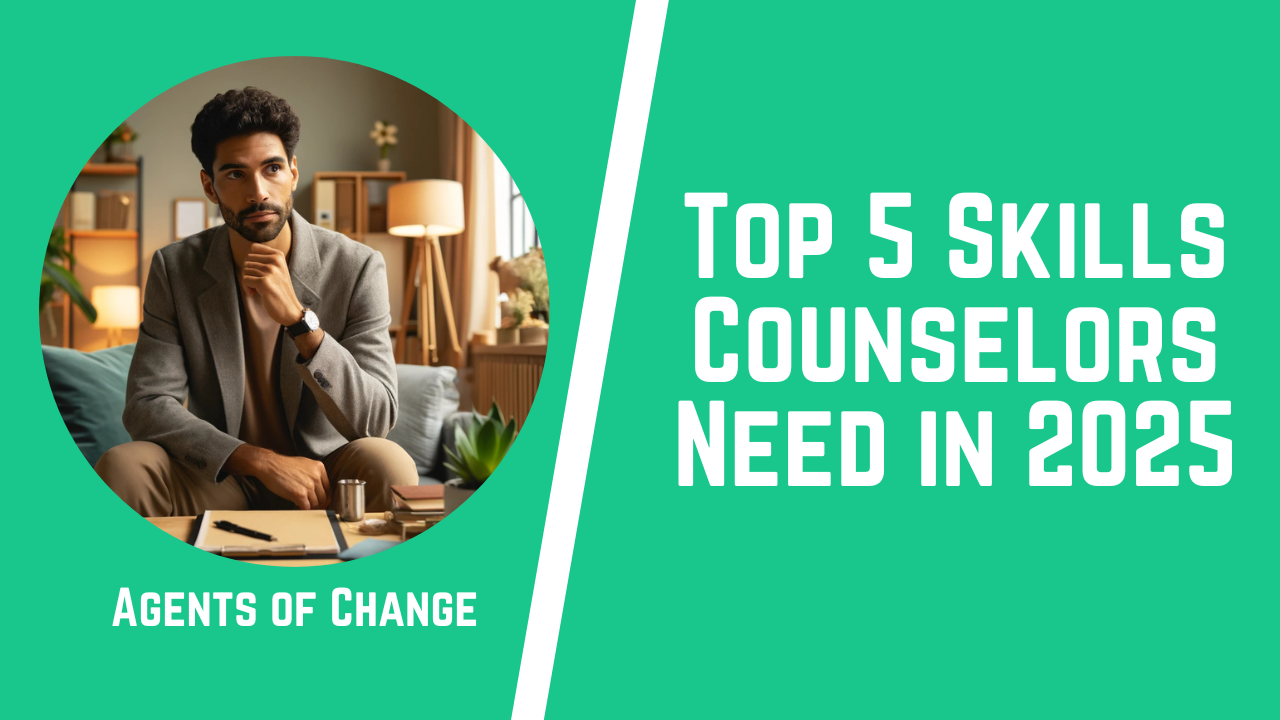
To thrive in this dynamic environment, it’s critical to understand the top skills counselors need in 2025. These skills aren’t just about keeping your career on track—they’re about providing the highest level of care to clients navigating a complex mental health landscape. By focusing on emotional intelligence, digital literacy, cultural competency, adaptability, and specialized knowledge, counselors can position themselves as leaders in their field.
Thankfully, resources like Agents of Change Continuing Education make it easier to keep up. Offering over 150 ASWB and NBCC-approved courses, including live events, Agents of Change provides the tools counselors need to stay current with licensing requirements and master new skills. In this blog, we’ll explore these five essential skills and share actionable ways to build them, helping you future-proof your career while making an even greater impact on your clients’ lives.
Did you know? Agents of Change Continuing Education offers Unlimited Access to 150+ ASWB and NBCC-approved CE courses for one low annual fee to meet your state’s requirements for Continuing Education credits and level up your career.
We’ve helped thousands of Social Workers, Counselors, and Mental Health Professionals with Continuing Education, learn more here about Agents of Change and claim your 5 free CEUs.
1) Top 5 Skills Counselors Need in 2025
#1 Emotional Intelligence: The Heart of Counseling
In 2025, emotional intelligence (EQ) isn’t just a “nice-to-have.” It’s essential. As mental health challenges grow in complexity, counselors need the ability to deeply understand their clients’ emotions while also managing their own.

Why Emotional Intelligence Matters
Imagine trying to guide a client through trauma without being attuned to their nonverbal cues or underlying feelings. EQ allows counselors to build trust, maintain rapport, and create a safe space for clients to open up.
Developing EQ
How can you sharpen your emotional intelligence?
- Practice active listening: Pay close attention to what your clients say—and what they don’t say.
- Stay self-aware: Reflect on your own emotional responses to ensure you’re present and grounded during sessions.
- Seek training: Programs like those offered by Agents of Change Continuing Education provide opportunities to refine these critical interpersonal skills.
#2 Digital Literacy: Navigating the Virtual World
By 2025, technology will be even more embedded in mental health care. From teletherapy platforms to digital diagnostic tools, counselors need to be digitally fluent to stay effective and relevant.
The Rise of Teletherapy
The COVID-19 pandemic proved that teletherapy isn’t just a trend—it’s here to stay. Clients increasingly prefer the convenience of online sessions, but they expect the same level of care as in-person visits.
Key Digital Skills
To keep up with the times, counselors should focus on:
- Mastering teletherapy platforms like Zoom, Doxy.me, or BetterHelp.
- Learning to analyze digital tools for client assessments.
- Maintaining cybersecurity standards to protect client confidentiality.
Not sure where to start? Agents of Change Continuing Education offers specialized courses on digital ethics and telehealth best practices, ensuring you stay ahead in this tech-savvy era.
#3 Cultural Competency: Meeting Diverse Needs
The world is more interconnected than ever, and clients come from all walks of life. Counselors need to embrace cultural competency to effectively work with diverse populations.
Understanding Cultural Competency
Cultural competency is more than knowing a client’s background. It’s about recognizing how cultural identity shapes their worldview and mental health.
Strategies for Building Cultural Competency
- Engage in continuing education: Learn about different cultural frameworks and practices.
- Ask, don’t assume: Every client’s experience is unique—don’t rely on stereotypes.
- Check your biases: Regular self-reflection can help you uncover and address unintentional biases.
Agents of Change Continuing Education offers live events and courses specifically designed to strengthen cultural competency, a must-have for today’s counselors.
#4 Adaptability: Staying Resilient in a Rapidly Changing Field
If there’s one constant in counseling, it’s change. From new therapeutic techniques to shifting societal norms, adaptability will be one of the top skills counselors need in 2025.
Why Adaptability is Key
Counselors face an unpredictable mix of challenges daily. Whether it’s a sudden policy change, a new technology, or a unique client situation, the ability to pivot without losing your grounding is invaluable.
How to Build Adaptability
- Stay curious: View challenges as opportunities to learn and grow.
- Take continuing education seriously: Keeping up with the latest in mental health through organizations like Agents of Change Continuing Education can make adaptation seamless.
- Practice mindfulness: A resilient mind is a flexible mind. Mindfulness practices can help you remain calm and clear-headed.
#5 Specialized Knowledge: Going Beyond General Practice
The mental health field is evolving, with increasing demand for counselors who have specialized expertise. Whether it’s trauma-informed care, working with neurodiverse clients, or focusing on substance use disorders, having a niche skill set will set you apart.

Top Areas of Specialization for 2025
- Trauma-Informed Therapy: Understanding the impact of trauma on mental health and how to provide care that promotes healing.
- Neurodiversity Awareness: Supporting clients with ADHD, autism, and other neurodivergent conditions.
- Substance Use and Addiction Counseling: Addressing the ongoing challenges of addiction in society.
Agents of Change Continuing Education provides more than 150 ASWB and NBCC-approved courses, making it easier than ever to deepen your expertise and earn credits to keep your license current.
Learn more about Agents of Change Continuing Education. We’ve helped thousands of Social Workers, Counselors, and Mental Health Professionals with their continuing education, and we want you to be next!
2) How Emerging Trends Are Shaping the Future of Counseling

The counseling profession is evolving rapidly, driven by societal changes, technological advancements, and a deeper understanding of mental health. Staying ahead in this field requires not just keeping up with trends but anticipating how they will shape the future of counseling. Let’s explore the key emerging trends shaping the profession and how they influence the skills counselors need to master in 2025.
#1 The Digital Transformation of Mental Health Care
Technology has fundamentally changed how mental health services are delivered. The rise of teletherapy and digital mental health tools has expanded access to care but also introduced new challenges. Counselors are now expected to navigate complex digital ecosystems while maintaining high standards of care.
Key Implications for Counselors
- Increased Demand for Teletherapy Expertise: Many clients prefer online sessions, making it essential for counselors to master telehealth platforms.
- Digital Tools for Diagnosis and Treatment: Apps, AI tools, and online assessments are becoming integral to mental health care.
- Privacy Concerns: With digital services comes the need for robust cybersecurity practices to protect client confidentiality.
Counselors can prepare for this shift by engaging in digital literacy training and staying informed about the latest technologies in mental health care. Courses on teletherapy and digital ethics, like those offered by Agents of Change Continuing Education, provide valuable insights and practical skills for navigating this new landscape.
#2 The Growing Focus on Cultural Competency
As society becomes more diverse, cultural competency has become a cornerstone of effective counseling. Clients bring their unique cultural backgrounds, beliefs, and experiences into therapy, and counselors must be equipped to navigate these nuances with sensitivity and understanding.
Why It Matters
Cultural misunderstandings can create barriers to effective therapy. For example:
- A client may feel misunderstood if their counselor lacks knowledge of their cultural norms.
- Counselors may unintentionally reinforce stereotypes without adequate training.
- Ignoring the cultural context of mental health can lead to misdiagnosis or ineffective treatment plans.
What Counselors Can Do
- Engage in Ongoing Education: Take courses on cultural frameworks and diverse therapeutic approaches.
- Adopt a Humble Approach: Ask open-ended questions and allow clients to educate you about their experiences.
- Join Diverse Communities: Seek exposure to diverse cultures through community engagement or professional groups.
Many training programs, including those offered by Agents of Change Continuing Education, specialize in equipping counselors with the skills to work effectively with diverse populations.
#3 The Rise of Trauma-Informed Care
Trauma-informed care is no longer a niche specialization—it’s becoming a standard in mental health practice. With the rising awareness of how trauma impacts individuals across their lifetimes, counselors are expected to integrate trauma-sensitive approaches into their work.
Core Principles of Trauma-Informed Care
- Safety: Creating an environment where clients feel secure.
- Trustworthiness: Building strong therapeutic relationships.
- Empowerment: Encouraging clients to take an active role in their healing.
Counselors must also be familiar with emerging research on trauma’s impact on the brain and body. Trauma-informed care requires continuous education, which is why Agents of Change Continuing Education includes relevant, evidence-based courses in their lineup.
#4 Expanding Roles for Counselors
Counselors are no longer confined to traditional therapy settings. Emerging trends are broadening the scope of their roles, leading to greater integration into schools, workplaces, and even digital spaces.
Emerging Areas for Counselors
- Workplace Mental Health Programs: Organizations are investing in employee mental health, opening new opportunities for counselors.
- School-Based Counseling: Counselors are playing a greater role in addressing student mental health crises.
- Digital Platforms: Online mental health platforms are hiring counselors to offer remote support.
To succeed in these diverse roles, counselors must adapt their approaches and gain additional skills, such as organizational consulting or crisis management.
#5 The Integration of Holistic and Preventative Approaches
Mental health care is increasingly moving toward a holistic model that considers the connection between mental, physical, and emotional well-being. Preventative care is also gaining momentum as a way to reduce long-term mental health challenges.
Holistic Approaches on the Rise
- Mindfulness and Meditation: Practices that reduce stress and promote resilience.
- Nutritional Psychiatry: Understanding the link between diet and mental health.
- Exercise as Therapy: Incorporating physical activity into treatment plans.
Preventative care focuses on identifying early signs of mental health issues and intervening before they escalate. Counselors need to stay ahead by learning these integrative approaches through continuing education programs like those at Agents of Change.
Adapting to the Trends
Emerging trends like digital transformation, cultural competency, trauma-informed care, expanded roles, and holistic practices are reshaping the future of counseling. While these changes present challenges, they also offer opportunities for counselors to grow and provide better care.
To thrive in this rapidly evolving field, staying informed and upskilling are non-negotiable. With the right training, such as the courses offered by Agents of Change Continuing Education, counselors can confidently navigate these trends and continue making a meaningful impact in their clients’ lives.
We’ve helped thousands of Social Workers, Counselors, and Mental Health Professionals with Continuing Education, learn more here about Agents of Change and claim your 5 free CEUs!
3. Practice Steps to Implement These Skills in Everyday Practice
Mastering the top skills counselors need in 2025 isn’t just about theoretical knowledge—it’s about applying those skills in real-world situations. Whether you’re enhancing your emotional intelligence or integrating digital tools into your practice, consistent and intentional effort is required. Here’s a breakdown of actionable steps to incorporate these essential skills into your daily counseling work.
#1 Building Emotional Intelligence in Sessions
Emotional intelligence (EQ) is at the core of effective counseling. It involves understanding both your own emotions and those of your clients, helping to foster trust and deeper connections.
Steps to Boost Emotional Intelligence
- Practice Reflective Listening: During sessions, repeat or paraphrase what clients share to show understanding and encourage deeper exploration.
- Identify Your Emotional Triggers: Journaling after difficult sessions can help you reflect on and address your emotional responses.
- Ask for Feedback: Periodically seek input from peers or supervisors about your interpersonal effectiveness.
By incorporating these steps into your practice, you’ll be better equipped to build meaningful therapeutic relationships and create safe spaces for clients.
#2 Strengthening Digital Literacy
Incorporating digital tools into your practice isn’t just about keeping up—it’s about making therapy more accessible and effective for clients. As teletherapy and digital interventions become more common, counselors must learn to integrate technology seamlessly.
How to Enhance Your Digital Skills
- Experiment With Platforms: Take time to familiarize yourself with teletherapy platforms like Zoom, Doxy.me, or Talkspace. Practice mock sessions with colleagues to build confidence.
- Stay Updated on Digital Ethics: Ensure you’re aware of best practices for protecting client confidentiality in virtual settings.
- Embrace Digital Assessment Tools: Try incorporating online screening tools, mood trackers, or cognitive-behavioral apps into your treatment plans.
To further develop these skills, consider enrolling in digital ethics and teletherapy courses, such as those offered by Agents of Change Continuing Education.
#3 Integrating Cultural Competency
Cultural competency requires more than awareness—it calls for intentional, ongoing practice to meet the unique needs of diverse clients.
Ways to Make Cultural Competency a Daily Practice
- Tailor Assessments: Use culturally sensitive assessment tools to understand your client’s needs within their cultural context.
- Expand Your Knowledge: Commit to reading one article or book chapter per week that focuses on a culture or population you serve.
- Check-In With Clients: Periodically ask clients if they feel understood and if your approach aligns with their values and experiences.
By building these habits, you’ll not only improve your practice but also demonstrate respect and understanding, which is key to effective therapy.
#4 Fostering Adaptability
Adaptability isn’t just about being ready for change—it’s about thriving in uncertain or unexpected situations. To cultivate adaptability in your practice, you’ll need to build resilience and adopt flexible approaches.
Steps to Become More Adaptable
- Experiment With New Techniques: Try incorporating emerging therapeutic modalities, such as trauma-informed care or mindfulness practices, into your sessions.
- Develop a Growth Mindset: Embrace challenges as opportunities to learn and improve. Reflect on what went well and what didn’t in difficult cases.
- Stay Educated: Participate in continuing education courses regularly to stay updated on new trends and methodologies.
Agencies like Agents of Change Continuing Education provide ongoing training opportunities to help counselors adjust to an ever-changing mental health landscape.
#5 Applying Specialized Knowledge
Specializing in areas like trauma, substance use, or neurodiversity can set you apart in the field, but applying this expertise requires intentional planning and implementation.
How to Put Specialized Knowledge Into Action
- Create Resource Lists: Develop tailored handouts or guides for your clients based on your specialization, such as grounding techniques for trauma survivors or strategies for managing ADHD symptoms.
- Offer Group Sessions: If your expertise includes working with specific populations, consider hosting support groups or workshops.
- Collaborate With Specialists: Build relationships with professionals in complementary fields, like occupational therapists or addiction specialists, to enhance your clients’ care.
Agents of Change Continuing Education offers courses to help counselors develop and refine their specialized knowledge, ensuring they stay at the forefront of their niche areas.
Daily Habits to Cement These Skills
Beyond these targeted strategies, certain daily habits can reinforce your skill development across all areas:
- Set Aside Reflection Time: Spend 10-15 minutes at the end of your workday to reflect on what went well and where you can improve.
- Seek Supervision: Regular consultation with peers or supervisors can provide valuable feedback and new perspectives.
- Monitor Trends: Stay updated on the latest research and developments in counseling by subscribing to relevant journals or attending live events.
Putting It All Together
The key to implementing these skills lies in consistency and intentionality. Whether it’s dedicating time to emotional intelligence exercises, mastering teletherapy platforms, or building cultural competency, small, consistent actions lead to long-term growth.
Remember, resources like Agents of Change Continuing Education are there to support you. With over 150 courses and live events, they provide the tools you need to implement these skills effectively and thrive in your career.
4) FAQs – Top 5 Skills Counselors Need in 2025
Q: How can I prioritize which skills to develop first as a counselor in 2025?
A: Start by assessing your current strengths and areas for growth. Reflect on your client population and the challenges you encounter most frequently in your practice. For example, if you’re working with diverse populations, cultural competency should be a top priority. If you’re offering teletherapy, enhancing your digital literacy might take precedence.
To address these areas systematically, consider enrolling in targeted continuing education programs like those offered by Agents of Change Continuing Education, where you can explore courses on topics like trauma-informed care, digital ethics, and cultural frameworks.
Q: What are some practical ways to balance learning new skills with maintaining a busy counseling practice?
A: It’s all about integrating learning into your routine. Block out small chunks of time each week for professional development, such as watching webinars, reading articles, or attending short courses.
Take advantage of flexible continuing education programs, like those from Agents of Change Continuing Education, which allow you to learn at your own pace. Additionally, seek out live events periodically to stay updated on emerging trends while networking with peers. Applying what you learn immediately in your practice will also help reinforce new skills.
Q: How do I stay current with trends and requirements in the counseling profession?
A: Staying current requires a multi-pronged approach:
- Continuing Education: Regularly complete CE courses to meet licensing requirements and explore new therapeutic approaches. Platforms like Agents of Change Continuing Education offer ASWB and NBCC-approved courses designed to keep you ahead.
- Professional Networks: Join associations, attend live events, or participate in online forums to exchange ideas with other professionals.
- Monitoring Research: Subscribe to journals or newsletters focused on mental health to stay informed about the latest studies and innovations.
By adopting these practices, you’ll remain knowledgeable about changes in the field while ensuring your skills remain relevant.


