Top 5 Skills Therapists Need in 2025

Top 5 Skills Therapists Need in 2025
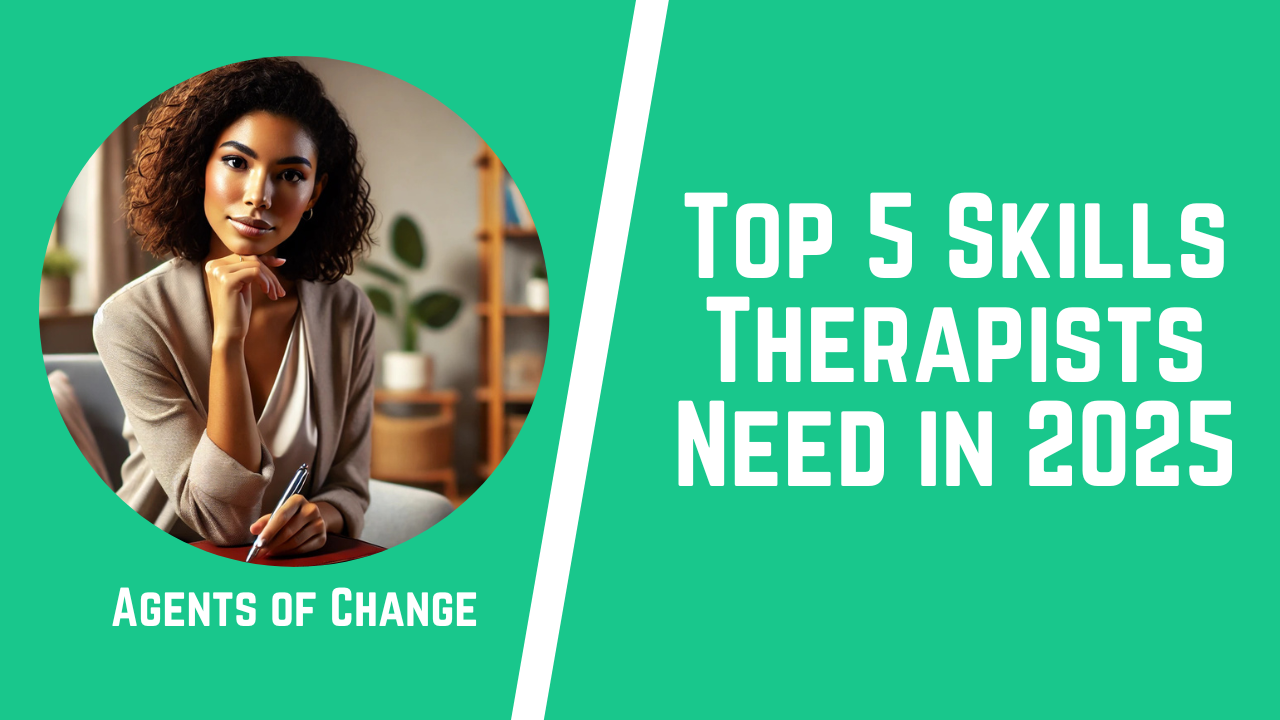
The world of therapy is changing faster than ever. As we approach 2025, therapists are facing a landscape shaped by shifting client expectations, emerging technologies, and an increasing demand for more inclusive, compassionate care. Staying effective in this field isn’t just about keeping up with the latest theories—it’s about honing the skills that allow you to adapt, connect, and thrive in an ever-evolving profession. Whether you’re a Social Worker, counselor, or mental health professional, preparing for the future starts with identifying the core competencies that matter most.

In 2025, the role of therapists will extend beyond the therapy room. You’ll be expected to meet clients where they are—both literally and figuratively—whether that means navigating cultural nuances, embracing virtual tools, or offering trauma-informed support. Success won’t just come from what you know, but how you use your skills to create meaningful change in your clients’ lives. That’s where forward-thinking organizations like Agents of Change Continuing Education come in, offering over 150 ASWB and NBCC-approved courses to help professionals keep their licenses current and their expertise sharp.

This blog highlights the top 5 skills therapists need in 2025 to thrive in their careers. These skills blend innovative practices with timeless qualities, giving you a roadmap to grow your practice and make a greater impact. Let’s dive into the tools that will shape the future of therapy and how you can stay ahead of the curve.

Did you know? Agents of Change Continuing Education offers Unlimited Access to 150+ ASWB and NBCC-approved CE courses for one low annual fee to meet your state’s requirements for Continuing Education credits and level up your career.

We’ve helped thousands of Social Workers, Counselors, and Mental Health Professionals with Continuing Education, learn more here about Agents of Change and claim your 5 free CEUs.

1) Top 5 Skills Counselors Need in 2025

#1 Cultural Competency: Meeting Clients Where They Are

Therapists are increasingly working with diverse populations, and cultural competency is more important than ever. Understanding your client’s cultural background, values, and experiences can profoundly influence therapy outcomes.

a therapist demonstrating cultural competence while working with a diverse group of clients in a welcoming and inclusive therapy setting.

Why Is Cultural Competency Essential in 2025?

Cultural diversity isn’t just about ethnicity or language. It also includes religion, gender identity, socioeconomic background, and neurodiversity. Clients want to feel seen and respected—not just as individuals but as members of their communities.

Imagine a client sharing deeply personal struggles rooted in their cultural experiences. Without the skills to navigate these conversations, therapists risk alienating the very people they aim to help.

How to Build This Skill

  • Stay Curious: Ask questions and be open to learning about cultures and identities you’re less familiar with.
  • Specialized Training: Enroll in workshops and courses. Agents of Change Continuing Education regularly offers training that dives into cultural sensitivity and awareness.
  • Self-Reflection: Recognize and address your own biases. A little self-awareness goes a long way.

#2 Digital Literacy: Navigating Tech in Therapy

The digital revolution is here, and therapists can’t afford to ignore it. Telehealth, digital tools, and even AI-assisted therapy are now part of the mental health landscape.

What Does Digital Literacy Mean for Therapists?

It’s more than being able to log onto a Zoom session. Digital literacy includes understanding how to use secure communication platforms, knowing the ethics of online therapy, and even exploring innovative tools like apps that track mental health progress.

As therapy moves increasingly online, clients will expect therapists to navigate these platforms seamlessly. Even live events hosted by organizations like Agents of Change Continuing Education often incorporate hybrid learning, showing how flexibility is key.

How to Enhance Your Digital Skills

  • Get Certified: Courses in telehealth ethics and tools can set you apart.
  • Experiment: Familiarize yourself with platforms your clients might already use, like journaling apps or mood trackers.
  • Stay Ethical: Make sure you’re complying with regulations, particularly when working with sensitive client data.

#3 Emotional Intelligence: The Heart of Therapy

If there’s one timeless skill therapists can’t afford to lose, it’s emotional intelligence (EI). But in 2025, EI is more than just being empathetic—it’s about turning that empathy into actionable insights.

What Does Emotional Intelligence Look Like Today?

Imagine sitting across from a client who’s completely shut down. They’re silent, withdrawn, and clearly uncomfortable. Emotional intelligence helps you read between the lines, notice nonverbal cues, and adjust your approach in real time.

The future of therapy will demand therapists who can manage their own emotions too. Burnout is real, and self-regulation can help maintain your energy and focus over the long haul.

Practical Ways to Build EI

  • Active Listening: Pay attention to what’s said—and what isn’t.
  • Mindfulness Practices: Incorporate techniques like breathing exercises to stay grounded during tough sessions.
  • Professional Growth: Regularly attend workshops or continuing education events focused on communication and self-awareness.

#4 Trauma-Informed Care: A Non-Negotiable Approach

Trauma-informed care isn’t new, but its relevance continues to grow. In a world grappling with collective crises, from pandemics to climate anxiety, clients often carry unspoken trauma into therapy.

a therapist demonstrating trauma-informed care while working with a client in a calm, safe, and nurturing therapy environment.

Why Is Trauma-Informed Care So Crucial?

Understanding trauma’s impact on the brain and body helps therapists create a safe environment. It’s not just about asking the right questions—it’s about ensuring clients feel secure enough to share their stories.

For example, a client with a history of neglect might react strongly to perceived rejection. A trauma-informed therapist recognizes this response as a coping mechanism, not resistance.

Key Components of Trauma-Informed Care

  • Safety: Create an environment that feels predictable and welcoming.
  • Empowerment: Help clients regain control of their narratives.
  • Training: Agents of Change Continuing Education offers courses that delve into trauma care strategies, helping you stay ahead of the curve.

#5 Adaptability: Thriving in an Ever-Changing Field

The one constant in therapy? Change. Whether it’s new therapeutic approaches, evolving client needs, or societal shifts, adaptability is a must for therapists in 2025.

What Does Adaptability Look Like?

  • Thinking On Your Feet: Sessions rarely go as planned. A client might bring up a surprise topic, or an approach you thought would work might fall flat.
  • Learning Continuously: The best therapists are lifelong students. Signing up for continuing education, like those offered by Agents of Change, ensures you’re always ready to meet the next challenge.
  • Embracing New Techniques: From somatic practices to mindfulness-based approaches, there’s always room to expand your toolkit.

Learn more about Agents of Change Continuing Education. We’ve helped thousands of Social Workers, Counselors, and Mental Health Professionals with their continuing education, and we want you to be next!

2) How Emerging Trends Are Shaping the Future of Therapy

The mental health landscape is evolving rapidly, driven by social, technological, and cultural shifts. Therapists are navigating a world where traditional methods aren’t always enough, and emerging trends are redefining how care is delivered. From telehealth to a focus on holistic well-being, these changes are reshaping the future of therapy in ways that demand a proactive approach.

#1 The Rise of Telehealth and Virtual Therapy

Telehealth isn’t just a temporary solution—it’s become a permanent fixture in therapy. What started as a necessity during the COVID-19 pandemic has grown into a robust, client-centered way of delivering care. In 2025, therapists will increasingly rely on virtual platforms to connect with clients who value flexibility and convenience.

a therapist conducting a telehealth session with a client, showcasing a professional and welcoming virtual therapy environment.

  • Why Telehealth Matters:
    • Expands access to care, especially for clients in remote or underserved areas.
    • Accommodates busy schedules, allowing therapy to fit seamlessly into clients’ lives.
    • Reduces barriers like transportation and stigma.

Therapists must stay ahead of the curve by mastering the nuances of online therapy. This includes understanding telehealth ethics, maintaining privacy in virtual sessions, and even adapting therapeutic techniques for online delivery. Organizations like Agents of Change Continuing Education offer specialized courses to help professionals navigate this digital shift effectively.


#2 Holistic Approaches to Mental Health

Clients in 2025 are seeking care that addresses the mind-body connection. They don’t just want talk therapy; they want therapists who understand how physical, emotional, and spiritual well-being intersect.

Key Holistic Trends in Therapy:

  • Mindfulness Practices: Techniques like meditation and breathwork are becoming staples in therapy sessions.
  • Somatic Therapies: Recognizing how trauma and emotions are stored in the body is changing how therapists approach healing.
  • Nutrition and Lifestyle: Therapists are collaborating with other professionals to address how diet, sleep, and exercise affect mental health.

Holistic care doesn’t mean abandoning evidence-based methods—it’s about integrating them with newer, complementary approaches to meet clients where they are.


#3 Diversity, Equity, and Inclusion (DEI) in Therapy

Therapists are increasingly serving diverse populations, and the importance of cultural sensitivity cannot be overstated. Clients in 2025 want to work with therapists who understand their unique cultural experiences, values, and challenges.

Building DEI Into Your Practice

  • Cultural Awareness: Take time to learn about the lived experiences of different communities.
  • Inclusive Language: Be mindful of the words you use to ensure clients feel seen and respected.
  • DEI Training: Programs like those offered by Agents of Change Continuing Education provide practical strategies to enhance cultural competence.

Therapists who prioritize DEI aren’t just improving outcomes—they’re fostering trust and deepening relationships with clients from all walks of life.


#4 The Impact of Technology Beyond Telehealth

Emerging technologies like artificial intelligence (AI), virtual reality (VR), and apps are revolutionizing therapy in unexpected ways. These tools are not replacements for human connection but powerful allies in improving care.

Tech Tools Transforming Therapy

  • AI for Assessment: AI-driven tools can analyze patterns in client behaviors, offering therapists deeper insights into their needs.
  • Virtual Reality Exposure Therapy (VRET): VR is helping clients confront phobias and process trauma in controlled, immersive environments.
  • Mental Health Apps: Apps like mood trackers or guided journals empower clients to engage with therapy between sessions.

For therapists, understanding how to ethically and effectively integrate these technologies into practice is critical. Clients will expect their providers to stay tech-savvy and leverage tools that enhance the therapeutic process.


#5 Trauma-Informed Care in a Post-Crisis World

The past few years have brought widespread collective trauma, from global health crises to social upheaval. Clients in 2025 will carry these experiences into therapy, making trauma-informed care essential.

Principles of Trauma-Informed Therapy

  • Safety: Create a space where clients feel physically and emotionally secure.
  • Empowerment: Focus on helping clients regain a sense of control in their lives.
  • Collaboration: Work with clients as partners in their healing journey.

Trauma-informed care isn’t just about responding to individual trauma—it’s about recognizing how societal and systemic factors shape mental health. Many continuing education programs, such as those from Agents of Change, offer training to help therapists refine their trauma-informed approaches.


The Call for Continuing Education

To keep pace with these emerging trends, therapists need access to ongoing professional development. Earning Continuing Education Credits (CECs) not only keeps licenses current but ensures therapists are equipped with the latest tools and insights to serve their clients effectively.

Organizations like Agents of Change Continuing Education make it easy to stay up to date. Offering more than 150 ASWB and NBCC-approved courses, they cover everything from telehealth best practices to holistic techniques and cultural competency. For those who prefer live events, Agents of Change also provides opportunities to learn from experts in real-time, ensuring therapists remain at the forefront of their field.


Emerging trends in therapy aren’t just challenges—they’re opportunities to grow as a professional and make an even greater impact. By embracing these changes and staying committed to learning, therapists in 2025 can build practices that are not only effective but transformative.

We’ve helped thousands of Social Workers, Counselors, and Mental Health Professionals with Continuing Education, learn more here about Agents of Change and claim your 5 free CEUs!

3. Practice Steps to Implement These Skills in Everyday Practice

Developing the top skills therapists need in 2025 is one thing—applying them effectively in daily practice is another. Transforming theory into action takes consistent effort, reflection, and a willingness to adapt. Below are practical steps therapists can take to integrate these essential skills into their sessions, relationships with clients, and overall professional routines.


#1 Cultivating Cultural Competency

Cultural competency isn’t achieved overnight; it’s a lifelong journey that requires awareness, education, and empathy. By taking proactive steps, therapists can create a more inclusive and respectful practice.

Actionable Steps to Enhance Cultural Competency:

  • Start With Self-Reflection: Take time to explore your own cultural identity and biases. Consider how your background might influence your assumptions or interactions with clients.
  • Build Knowledge:
    • Attend workshops or online training sessions focused on cultural awareness.
    • Dive into books, articles, or podcasts that explore the experiences of diverse communities.
  • Create a Safe Space:
    • Use intake forms to ask clients about their cultural preferences or traditions.
    • Incorporate open-ended questions like, “What aspects of your cultural background would you like me to understand?”
  • Seek Feedback: Invite clients to share if they feel heard and understood in your sessions. Use this input to refine your approach.

Incorporating cultural competency isn’t about getting everything “perfect.” It’s about showing genuine curiosity and respect for your client’s lived experiences.


#2 Enhancing Digital Literacy

With telehealth and digital tools becoming staples in therapy, mastering digital literacy is no longer optional. Therapists can take small but impactful steps to improve their comfort and skill with technology.

Ways to Boost Digital Skills:

  • Practice With Your Tools:
    • Familiarize yourself with the platforms you’ll use for virtual sessions, like Zoom or Doxy.me.
    • Explore advanced features, such as screen-sharing or using whiteboards for interactive activities.
  • Upgrade Your Setup:
    • Invest in a high-quality webcam and microphone for clearer communication.
    • Ensure your internet connection is reliable to avoid disruptions.
  • Understand Telehealth Ethics:
    • Learn about confidentiality in virtual settings. For example, how do you ensure your environment is private and secure?
    • Stay informed about legal requirements, such as HIPAA compliance.
  • Experiment With Client Tools: Test apps or digital journaling platforms that might support your clients’ progress.

Don’t be afraid to ask colleagues or mentors for advice if you encounter challenges with technology. Building your digital skills is a team effort.


#3 Strengthening Emotional Intelligence

Emotional intelligence (EI) helps therapists connect with clients on a deeper level and manage the complexities of therapeutic relationships. Incorporating EI into your everyday practice involves sharpening self-awareness and relational skills.

Steps to Boost Emotional Intelligence:

  • Practice Active Listening:
    • Use paraphrasing to confirm what a client has said, like, “It sounds like you’re feeling frustrated because…”
    • Be present—avoid distractions like checking notes or glancing at the clock too often.
  • Recognize and Regulate Your Emotions:
    • Before each session, take a moment to center yourself through deep breathing or mindfulness.
    • If you feel triggered during a session, pause and reflect rather than reacting immediately.
  • Develop Empathy:
    • Imagine what it’s like to walk in your client’s shoes.
    • Use empathetic statements like, “That sounds overwhelming. I can see why you’d feel that way.”
  • Seek EI-Specific Training: Many courses offered by Agents of Change Continuing Education focus on improving communication and emotional awareness in therapy.

Over time, higher emotional intelligence will enhance your ability to understand and respond to clients’ unspoken needs.


#4 Implementing Trauma-Informed Care

To make trauma-informed care a reality in your practice, therapists need to create an environment of trust, safety, and collaboration. Practical steps ensure this approach becomes a seamless part of your work.

Core Practices for Trauma-Informed Care:

  • Create Predictability:
    • Explain session structures and what clients can expect each time they meet with you.
    • Offer choices whenever possible to help clients feel in control, such as, “Would you prefer to start with grounding techniques or dive into today’s discussion?”
  • Use Trauma-Informed Language:
    • Replace phrases like “What’s wrong with you?” with “What’s happened to you?”
    • Avoid minimizing statements and instead validate their experiences.
  • Build Coping Tools Together:
    • Teach grounding exercises, such as 5-4-3-2-1 sensory awareness.
    • Offer resources like guided meditations or journaling prompts for clients to use between sessions.
  • Stay Educated: Trauma care is constantly evolving, so it’s essential to keep learning. Organizations like Agents of Change Continuing Education provide courses that dig deep into trauma-informed practices.

#5 Practicing Adaptability in Sessions

Adaptability is the glue that holds all other skills together. Therapists must navigate unexpected challenges and adjust their methods to meet clients where they are in the moment.

Ways to Foster Adaptability:

  • Be Flexible With Your Approach:
    • If a client doesn’t respond well to a cognitive-behavioral technique, pivot to something more experiential, like art therapy or mindfulness.
    • Allow sessions to flow organically rather than rigidly sticking to a plan.
  • Learn From Setbacks:
    • After a challenging session, reflect on what worked and what didn’t.
    • Use this information to refine your strategies for future interactions.
  • Embrace Feedback:
    • Regularly ask clients for input on how sessions are going.
    • Be willing to tweak your methods based on their needs.
  • Commit to Lifelong Learning: Stay informed about the latest therapeutic trends by participating in continuing education courses or attending live events.

Adaptability doesn’t mean abandoning structure—it’s about being responsive and resourceful when things don’t go as expected.


Final Thoughts

Taking actionable steps to implement these skills isn’t just about professional growth; it’s about providing clients with the best possible care. By focusing on cultural competency, digital literacy, emotional intelligence, trauma-informed care, and adaptability, therapists can meet the demands of a rapidly evolving field with confidence.

Remember, growth is a continuous process. Tools like those provided by Agents of Change Continuing Education, with over 150 ASWB and NBCC-approved courses, can support your journey to becoming the kind of therapist who thrives in 2025 and beyond.

Remember, resources like Agents of Change Continuing Education are there to support you. With over 150 courses and live events, they provide the tools you need to implement these skills effectively and thrive in your career.

4) FAQs – Top 5 Skills Therapists Need in 2025

Q: Why are these specific skills considered essential for therapists in 2025?

A: These skills—cultural competency, digital literacy, emotional intelligence, trauma-informed care, and adaptability—reflect the evolving needs of clients and the mental health field as a whole.

  • Cultural competency ensures therapists can build trust and foster understanding with increasingly diverse populations.
  • Digital literacy is vital as telehealth and technology become standard in therapy practices.
  • Emotional intelligence allows therapists to deepen client relationships and manage their own emotional well-being.
  • Trauma-informed care addresses the widespread impact of trauma, helping clients feel safe and empowered.
  • Adaptability is key in a rapidly changing environment where therapists must pivot to meet new challenges.

By focusing on these areas, therapists can remain relevant, effective, and impactful in their work.

Q: How can therapists actively develop these skills?

A: Therapists can develop these skills through a mix of ongoing education, practical application, and reflection. Here are some actionable tips:

  • Enroll in Continuing Education: Organizations like Agents of Change Continuing Education offer over 150 ASWB and NBCC-approved courses, covering topics such as telehealth, trauma-informed care, and cultural sensitivity.
  • Seek Feedback: Regularly ask clients and peers for input to identify areas for improvement.
  • Practice Mindfulness: Techniques like self-reflection and grounding exercises can enhance emotional intelligence and adaptability.
  • Use Real-World Scenarios: Incorporate case studies or role-playing exercises to apply new skills in a safe, practice-oriented environment.
  • Attend Live Events: Periodic live training sessions, like those offered by Agents of Change, allow therapists to engage with experts and peers directly.

By taking small, consistent steps, therapists can build a strong foundation in these essential skills.

Q: What role does continuing education play in preparing therapists for 2025?

A: Continuing education is critical for therapists to stay current with industry trends, maintain licensure, and refine their skills. The mental health field is constantly evolving, and ongoing learning ensures that therapists are prepared to address new challenges effectively.

  • Keeps Therapists Licensed: Most states require Continuing Education Credits (CECs) to maintain an active therapy license.
  • Introduces New Techniques: Courses provide access to emerging approaches, such as integrating technology or applying trauma-informed practices.
  • Builds Confidence: Education helps therapists feel prepared to handle complex client needs with updated tools and strategies.
  • Encourages Networking: Live events and workshops create opportunities to connect with other professionals and learn collaboratively.

Organizations like Agents of Change Continuing Education make it easy for therapists to fulfill these requirements, offering a wide range of courses and live events tailored to Social Workers, Counselors, and other mental health professionals.

5) Conclusion

As the mental health field evolves, the skills therapists need to thrive in 2025 go beyond traditional approaches. Cultural competency, digital literacy, emotional intelligence, trauma-informed care, and adaptability aren’t just buzzwords—they’re the pillars of a future-ready practice. These skills empower therapists to build meaningful connections with clients, stay ahead of emerging trends, and navigate the complexities of a rapidly changing world. By prioritizing personal and professional growth, therapists can ensure their work remains impactful and relevant.

The good news is that no therapist has to tackle this journey alone. Resources like Agents of Change Continuing Education provide essential tools to help you grow in these areas. With over 150 ASWB and NBCC-approved courses and periodic live events, they offer practical strategies for mastering everything from telehealth to trauma-informed care. Whether you’re refining your cultural sensitivity or learning how to integrate digital tools into your practice, continuing education is key to staying at the forefront of your profession.

Ultimately, being a successful therapist in 2025 means committing to lifelong learning and a client-centered approach. The challenges ahead are opportunities to grow, innovate, and lead. By embracing these top five skills and dedicating yourself to ongoing development, you can build a practice that doesn’t just meet expectations—it exceeds them, making a lasting impact in the lives of those you serve.

Learn more about Agents of Change Continuing Education. We’ve helped thousands of Social Workers, Counselors, and Mental Health Professionals with their Continuing Education and want you to be next!

————————————————————————————————————————————————

► Learn more about the Agents of Change Continuing Education here: https://agentsofchangetraining.com

About the Instructor, Meagan Mitchell: Meagan is a Licensed Clinical Social Worker and has been providing Continuing Education for Social Workers, Counselors, and Mental Health Professionals for more than 10 years. From all of this experience helping others, she created Agents of Change Continuing Education to help Social Workers, Counselors, and Mental Health Professionals stay up-to-date on the latest trends, research, and techniques.

#socialwork #socialworker #socialwork #socialworklicense #socialworklicensing #continuinged #continuingeducation #ce #socialworkce #freecesocialwork #lmsw #lcsw #counselor #NBCC #ASWB #ACE

Disclaimer: This content has been made available for informational and educational purposes only. This content is not intended to be a substitute for professional medical or clinical advice, diagnosis, or treatment

Share:

Discover more from Agents of Change

Subscribe now to keep reading and get access to the full archive.

Continue reading