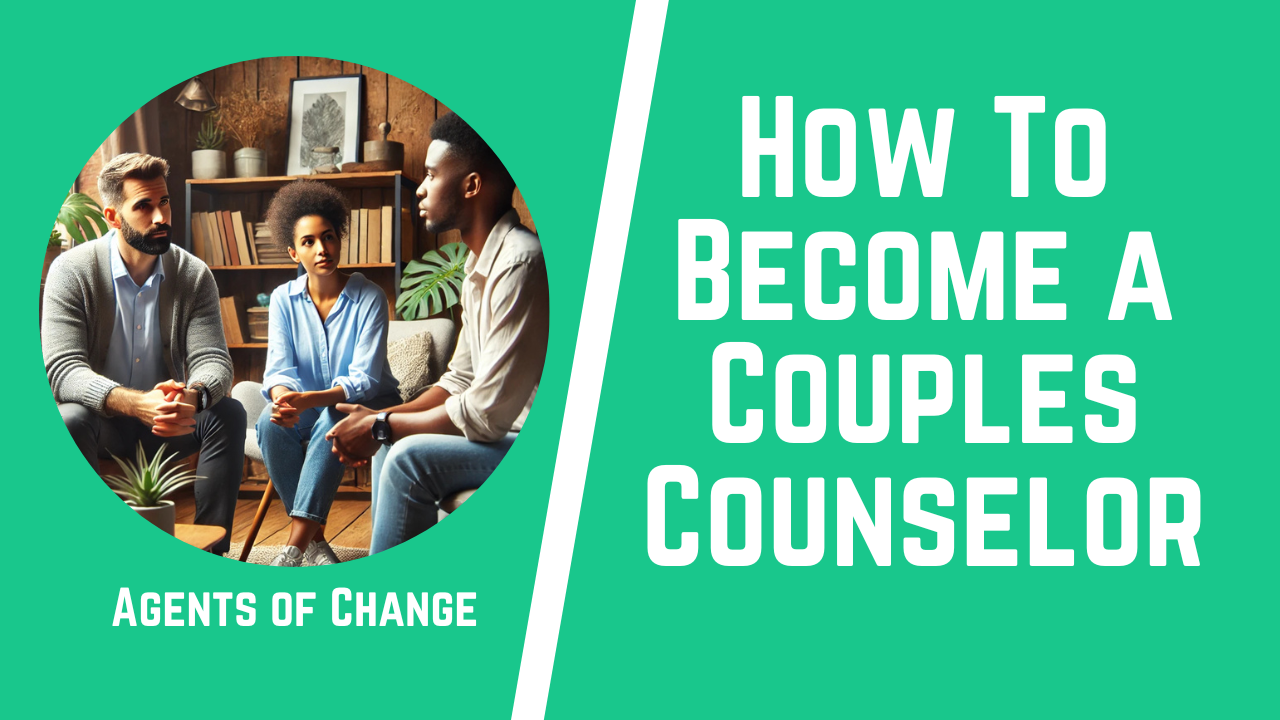
How to Become a Couples Counselor

How to Become a Couples Counselor

Becoming a couples counselor is a deeply rewarding career choice for those passionate about fostering meaningful relationships and helping others navigate life’s most personal challenges. As a couples counselor, you’ll guide partners through tough conversations, teach them effective communication skills, and support them in building stronger, healthier connections.

Whether you’re drawn to the field by a desire to make a difference or the opportunity for personal growth, this career offers the chance to profoundly impact lives.

The journey to becoming a couples counselor involves more than just an interest in relationships—it requires dedication, education, and the development of specific skills. From earning advanced degrees to completing hands-on clinical training and obtaining a professional license, there are clear steps to follow on this career path.

In this blog post, we’ll walk you through everything you need to know about how to become a couples counselor. From exploring the responsibilities of the role to breaking down educational requirements and practical steps, this guide provides a comprehensive overview of the journey ahead. If you’ve ever wondered how to turn your passion for helping others into a fulfilling career, you’re in the right place—let’s get started!

Did you know? Agents of Change Continuing Education offers Unlimited Access to 150+ ASWB and NBCC-approved CE courses for one low annual fee to meet your state’s requirements for Continuing Education credits and level up your career.

We’ve helped tens of thousands of Social Workers, Counselors, and Mental Health Professionals with Continuing Education, learn more here about Agents of Change and claim your 5 free CEUs.

1) What Does a Couples Counselor Do?

Couples counselors specialize in helping partners navigate challenges in their relationships, fostering deeper understanding, better communication, and stronger emotional bonds. Their role goes beyond resolving conflicts; it involves empowering couples to work as a team to build healthier, more fulfilling partnerships.

a same-sex couple working with a therapist in a warm, inclusive, and professional setting, emphasizing connection and collaboration.


The Core Responsibilities of a Couples Counselor

Couples counselors wear many hats, serving as mediators, educators, and emotional guides. Their work is tailored to meet the unique needs of each couple, but some responsibilities are common across most counseling practices.

Key Responsibilities

  • Facilitating Communication: Helping partners express themselves openly and listen to each other effectively.
  • Identifying Patterns: Uncovering unhealthy dynamics and providing strategies to change them.
  • Addressing Conflicts: Guiding couples through disagreements in a constructive way.
  • Building Trust: Assisting partners in rebuilding trust after issues like infidelity or betrayal.
  • Supporting Major Life Transitions: Helping couples navigate changes like marriage, parenting, or retirement.

Through these tasks, counselors aim to create a safe and collaborative environment where couples can work toward their goals.


Common Issues Addressed in Couples Counseling

Couples seek counseling for a wide variety of reasons. Some come in during times of crisis, while others seek support for ongoing relationship growth.

Frequent Challenges

  • Communication Breakdowns:
    • Misunderstandings or a lack of communication can strain any relationship.
    • Counselors teach active listening and effective ways to express needs and feelings.
  • Conflict Resolution:
    • Many couples struggle with managing disagreements.
    • Therapy provides tools to resolve conflicts without escalating into arguments or resentment.
  • Intimacy and Connection:
    • Issues around emotional or physical intimacy often arise.
    • Counselors help partners explore and address barriers to closeness.
  • Life Stressors:
    • External pressures like work, finances, or parenting can affect relationships.
    • Therapy offers coping strategies and shared problem-solving approaches.

By addressing these issues, couples counseling supports healthier, more resilient partnerships.


Tools and Techniques Used by Couples Counselors

Couples counselors use a variety of methods to meet the unique needs of their clients. These techniques are grounded in evidence-based practices and adapted to suit each couple’s dynamics.

Common Techniques

  • Emotionally Focused Therapy (EFT):
    • Focuses on improving emotional connection and attachment.
    • Helps couples identify and break negative interaction patterns.
  • Gottman Method:
    • Based on decades of research into what makes relationships work.
    • Involves improving communication, conflict resolution, and emotional intimacy.
  • Cognitive Behavioral Therapy (CBT):
    • Addresses unhelpful thoughts and behaviors that affect the relationship.
    • Encourages partners to develop healthier perspectives and habits.
  • Imago Relationship Therapy:
    • Aims to improve understanding and empathy by exploring each partner’s emotional needs.

Practical Tools

  • Role-playing exercises to practice communication.
  • Journaling assignments to reflect on thoughts and feelings.
  • Homework activities that strengthen connection, such as weekly check-ins or shared experiences.

These tools help couples make meaningful changes and sustain progress outside of therapy sessions.


The Impact of Couples Counseling

Couples counseling has far-reaching benefits for both the individuals and the relationship as a whole. The skills and insights gained during therapy often extend into other areas of life, creating positive ripple effects.

a couple working with a therapist in a positive and collaborative mood, set in a warm and welcoming environment.

Benefits of Counseling

  • Improved Communication: Partners learn to express themselves clearly and listen with empathy.
  • Stronger Emotional Bonds: Counseling fosters trust, understanding, and mutual respect.
  • Healthier Conflict Management: Couples become better equipped to handle disagreements without damaging their relationship.
  • Renewed Intimacy: Addressing emotional and physical barriers often leads to a deeper connection.

Through its holistic approach, couples counseling empowers partners to navigate challenges together, ultimately leading to more fulfilling relationships.

Learn more about Agents of Change Continuing Education. We’ve helped tens of thousands of Social Workers, Counselors, and Mental Health Professionals with their continuing education, and we want you to be next!

2) How to Become a Couples Counselor

Becoming a couples counselor requires a combination of education, training, and personal development. The journey equips you with the skills and knowledge to guide couples toward healthier, more fulfilling relationships.

Here are the steps you’ll need to take, from academic requirements to licensing, so you can pursue this rewarding career with confidence.


Step 1: Obtain the Right Educational Background

Your path to becoming a couples counselor begins with education. Most professionals in this field hold advanced degrees that focus on psychology, counseling, or Social Work. Your educational journey lays the groundwork for understanding human behavior, relationship dynamics, and therapeutic techniques.

Academic Pathways

  • Bachelor’s Degree:
    • Start with a degree in psychology, Social Work, sociology, or a related field.
    • Courses typically cover foundational topics like human development, communication, and behavioral science.
  • Master’s Degree:
    • A graduate degree is essential for specializing in couples counseling.
    • Common options include:
      • Master’s in Marriage and Family Therapy (MFT)
      • Master’s in Counseling
      • Master’s in Social Work (MSW)
    • Coursework often includes:
      • Relationship dynamics
      • Family systems theory
      • Ethics and legal issues in therapy
      • Cultural competency in counseling
  • Optional Doctorate:
    • A doctoral degree isn’t mandatory but can open doors to advanced roles, research opportunities, or teaching positions.

Earning a relevant degree is the foundation of your career as a couples counselor, preparing you for hands-on clinical work.


Step 2: Gain Hands-On Clinical Experience

Practical experience is a cornerstone of your training. Most graduate programs include internships or supervised clinical practicums where you’ll work directly with clients. This is your chance to develop essential skills in real-world settings.

Key Features of Clinical Training

  • Supervision: You’ll work under the guidance of licensed professionals who provide feedback and mentorship.
  • Client Interaction: Gain experience working with couples, addressing common challenges like communication issues, intimacy concerns, and conflict resolution.
  • Diverse Settings: Training may occur in various environments, such as counseling centers, private practices, or community organizations.

Clinical training helps you bridge the gap between academic theory and practical application, ensuring you’re prepared for independent practice.


Step 3: Obtain Licensure

Licensing is a critical step for practicing couples counseling. Requirements vary by state and specialization, but most roles require you to hold a professional license, such as LMFT, LPC, or LCSW.

Steps to Get Licensed

  1. Complete Supervised Clinical Hours:
    • Typically 2,000–4,000 hours of post-graduate supervised experience.
    • Hours must be documented and approved by your state’s licensing board.
  2. Pass a Licensing Exam:
    • Exams are state-specific and may include:
      • Marriage and Family Therapy National Exam
      • National Counselor Examination (NCE)
      • Clinical Social Work Exam
  3. Meet Additional Requirements:
    • Some states require background checks, continuing education, or specific coursework in ethics or cultural competency.

Once licensed, you can begin practicing independently, helping couples build healthier relationships.


Step 4: Specialize in Couples Counseling

While your education and licensure provide a strong foundation, specializing in couples counseling requires additional training. Developing expertise in relationship dynamics and therapy techniques will set you apart as a skilled practitioner.

Building Expertise

  • Continuing Education:
    • Platforms like Agents of Change Continuing Education offer over 150 ASWB and NBCC-approved courses.
    • Explore topics like trauma-informed care, intimacy challenges, or cultural influences on relationships.
  • Certifications:
    • Consider certifications in specific approaches, such as:
      • Emotionally Focused Therapy (EFT)
      • The Gottman Method
      • Imago Relationship Therapy
  • Networking:
    • Join professional organizations like the American Association for Marriage and Family Therapy (AAMFT) to connect with peers and access resources.

By honing your skills in couples counseling, you’ll be better equipped to address the unique needs of your clients.


Step 5: Develop Key Skills

Beyond formal training, couples counseling requires a blend of interpersonal and professional skills. These attributes help you build rapport with clients and guide them through their challenges effectively.

Essential Skills for Couples Counselors

  • Empathy: Understanding and validating clients’ feelings is crucial.
  • Conflict Resolution: Teaching partners to navigate disagreements constructively is a core aspect of the job.
  • Cultural Competency: Recognizing how cultural and societal factors influence relationships ensures inclusive care.
  • Active Listening: Paying close attention to what clients say—and what they don’t say—fosters deeper understanding.
  • Adaptability: Every couple is unique, so flexibility is key to tailoring your approach.

Developing these skills will make you a more effective and compassionate counselor.


Step 6: Stay Current With Continuing Education

The field of couples counseling is constantly evolving, making continuing education a must. Regular training helps you stay informed about new research, therapeutic techniques, and ethical standards.

Benefits of Continuing Education

  • Keeps your license active and in compliance with state requirements.
  • Provides fresh insights into specialized topics like intimacy, trauma, or cultural dynamics.
  • Enhances your credibility and marketability as a therapist.

Where to Find Courses

Agents of Change Continuing Education is an excellent resource for Social Workers, Counselors, and Mental Health Professionals. With flexible self-paced options and live events throughout the year, their ASWB and NBCC-approved courses make it easy to expand your expertise while meeting licensure requirements.


Step 7: Launch Your Career

Once you’ve completed your education, training, and licensure, it’s time to start practicing! Whether you join an established counseling practice, open your own, or work in a community organization, couples counseling offers a range of career paths.

Consider These Work Settings

  • Private practice
  • Counseling centers
  • Community mental health organizations
  • Nonprofits focused on family and relationship support
  • Online counseling platforms

Your career can be as diverse and dynamic as the clients you serve, offering endless opportunities for growth and fulfillment.

By following these steps, you can confidently pursue your dream of becoming a couples counselor. With dedication, the right training, and a commitment to continuous learning, you’ll be well-equipped to make a meaningful impact in the lives of the couples you work with.

We’ve helped tens of thousands of Social Workers, Counselors, and Mental Health Professionals with Continuing Education, learn more here about Agents of Change and claim your 5 free CEUs!

3) Essential Skills for Couples Counselors

Becoming a successful couples counselor requires more than academic credentials and clinical training. The ability to connect with clients, foster trust, and navigate complex emotional dynamics is essential.

Show a picture of a diverse female therapist working with a couple

In this section, we’ll explore the core skills you need to guide couples through their challenges effectively.


Empathy and Compassion

Empathy is at the heart of all therapeutic relationships, and it’s especially vital in couples counseling. Clients need to feel that you genuinely understand and care about their experiences.

Ways to Show Empathy

  • Active Listening: Reflect on what clients share to demonstrate understanding. For example: “It sounds like you feel unheard when your concerns are dismissed.”
  • Nonjudgmental Attitude: Accept clients’ feelings and perspectives without criticism, even when they differ from your own.
  • Validation: Acknowledge each partner’s emotions and experiences as real and meaningful.

By showing empathy, you create a safe space where clients feel supported and open to exploring their issues.


Strong Communication Skills

As a couples counselor, you’ll need to communicate effectively with both partners, often acting as a mediator. Your ability to navigate difficult conversations will significantly impact the success of therapy.

Key Communication Techniques

  • Clarifying and Summarizing: Ensure you understand clients’ points by summarizing what they’ve said. This also helps partners feel heard.
  • Reframing: Shift negative perspectives into constructive ones. For instance, instead of “You always ignore me,” reframe it as “I feel disconnected when we don’t spend time together.”
  • Setting Boundaries: Maintain professionalism while ensuring sessions remain productive and respectful.

Good communication isn’t just about what you say—it’s about fostering understanding between partners as well.


Conflict Resolution

Couples often come to therapy because of unresolved conflicts. Your role is to teach them healthier ways to address disagreements without damaging their relationship.

Conflict Resolution Skills

  • Identifying Root Causes: Help partners uncover the underlying issues driving their conflicts, such as unmet needs or miscommunication.
  • Teaching De-escalation Strategies: Guide couples to pause and reflect rather than reacting emotionally in the heat of the moment.
  • Promoting Collaborative Problem-Solving: Encourage partners to approach conflicts as a team by brainstorming solutions together.

These skills empower couples to manage disagreements constructively, both in therapy and beyond.


Cultural Competency

Couples come from diverse backgrounds, and their relationships are shaped by cultural, societal, and personal influences. Cultural competency ensures you provide inclusive and respectful care.

Tips for Culturally Competent Practice

  • Avoid Assumptions: Ask open-ended questions to understand each couple’s unique cultural context.
  • Educate Yourself: Learn about different cultural norms, traditions, and relationship dynamics.
  • Respect Differences: Acknowledge and honor how culture influences partners’ values, communication styles, and expectations.

Cultural competency fosters trust and ensures therapy feels relevant and accessible to all clients.


Adaptability

Every couple is unique, which means there’s no one-size-fits-all approach to counseling. Adaptability allows you to tailor your methods to suit each relationship’s needs.

Ways to Stay Flexible

  • Explore Multiple Techniques: Familiarize yourself with various counseling approaches, such as Emotionally Focused Therapy or the Gottman Method.
  • Stay Open to Feedback: Encourage clients to share what’s working—and what isn’t—so you can adjust accordingly.
  • Embrace Creative Solutions: Be willing to try new strategies or exercises when traditional methods don’t resonate.

Adaptability ensures you’re equipped to meet clients where they are, making therapy more effective and personalized.


Emotional Resilience

Counseling couples can be emotionally intense. To provide the best care, you’ll need to manage your own emotions and maintain a healthy work-life balance.

Building Emotional Resilience

  • Set Boundaries: Avoid taking clients’ struggles home with you by creating a clear separation between work and personal life.
  • Practice Self-Care: Engage in activities that rejuvenate you, whether it’s exercise, mindfulness, or spending time with loved ones.
  • Seek Support: Supervision or peer consultation can help you process challenging cases and maintain perspective.

Resilience ensures you can sustain a long and fulfilling career without burning out.


Commitment to Continuous Learning

The field of couples counseling evolves as new research and techniques emerge. Staying up-to-date ensures you provide the best care possible.

Continuing Education Opportunities

  • Platforms like Agents of Change Continuing Education offer over 150 ASWB and NBCC-approved courses.
  • Topics include trauma-informed care, intimacy, communication, and cultural influences.
  • Live events and self-paced options make it easy to integrate learning into your schedule.

Mastering these essential skills will set you apart as an effective and compassionate couples counselor. With empathy, adaptability, and a commitment to growth, you’ll be well-prepared to help clients build stronger, healthier relationships.

4) Challenges You May Encounter

While becoming a couples counselor can be incredibly rewarding, it’s not without its challenges. The work often involves navigating complex emotional dynamics, managing client resistance, and addressing deeply rooted issues.

Recognizing and developing strategies to address these challenges early on can help you thrive in this career.


Emotional Intensity

Working with couples often means engaging with raw, powerful emotions. Sessions can involve anger, sadness, or frustration, which can be overwhelming if not managed effectively.

Emotional Challenges

  • Witnessing Conflict: Constant exposure to disagreements or intense arguments can be draining.
  • Handling Sensitive Topics: Discussions about infidelity, trauma, or intimacy may trigger strong emotions from clients—and sometimes therapists.
  • Balancing Empathy: Providing emotional support without absorbing the clients’ stress requires careful boundaries.

Strategies to Manage Emotional Intensity

  • Practice self-care to recharge emotionally after challenging sessions.
  • Use supervision or peer consultation to process complex emotions and gain perspective.
  • Learn mindfulness techniques to stay grounded and focused during sessions.

Maintaining emotional resilience is crucial to sustaining a long and fulfilling career.


Client Resistance

Not all clients come to therapy with the same level of motivation or openness. Resistance, whether overt or subtle, can create obstacles to progress.

Common Forms of Resistance

  • Defensiveness: One or both partners may be unwilling to acknowledge their role in the relationship’s challenges.
  • Fear of Vulnerability: Clients may struggle to share feelings or discuss painful topics.
  • Reluctance to Change: Some couples may resist making changes, even when they understand the need for them.

Overcoming Resistance

  • Build trust by validating clients’ feelings and emphasizing that therapy is a safe, nonjudgmental space.
  • Set small, achievable goals to encourage gradual progress and build momentum.
  • Use motivational interviewing techniques to explore ambivalence and highlight the benefits of change.

Patience and persistence can help resistant clients engage more fully in the therapeutic process.


Balancing Dual Perspectives

Couples counseling requires managing the needs and perspectives of two individuals simultaneously. This balance can be tricky, particularly when partners have opposing views or unequal levels of commitment.

Challenges in Balancing Perspectives

  • Perceived Bias: If one partner feels the counselor is “taking sides,” trust can be damaged.
  • Unequal Participation: One partner may dominate conversations while the other remains passive.
  • Conflicting Goals: Partners may have different objectives for therapy, such as reconciliation versus separation.

Strategies to Balance Perspectives

  • Set clear ground rules, such as ensuring equal speaking time for both partners.
  • Reframe conflicts as shared challenges to foster teamwork and reduce defensiveness.
  • Focus on the relationship as the “client,” encouraging both partners to invest in its success.

Effective balancing creates an environment where both partners feel heard and valued.


Managing Burnout

The demands of couples counseling can lead to burnout if therapists don’t prioritize their own well-being. The emotional intensity, combined with the need to juggle multiple clients, can take a toll over time.

Signs of Burnout

  • Emotional exhaustion or feeling “drained” after sessions.
  • Difficulty maintaining focus or enthusiasm for your work.
  • Reduced empathy or becoming overly detached.

Preventing Burnout

  • Set Boundaries: Limit your caseload to avoid overextending yourself.
  • Schedule Breaks: Incorporate downtime into your routine to recharge.
  • Seek Support: Engage in supervision, peer groups, or continuing education to stay connected and inspired.

By prioritizing self-care and support, you can sustain your passion for this work.


Addressing Complex Issues

Couples counseling often involves addressing deeply rooted or multifaceted issues, which can feel overwhelming at times.

Examples of Complex Issues

  • Trauma: Clients may bring past trauma into their relationships, impacting intimacy and trust.
  • Cultural or Religious Differences: Navigating differing values and traditions requires sensitivity and skill.
  • Comorbid Challenges: Issues like addiction, mental health disorders, or parenting conflicts may compound relationship struggles.

Approaches to Complex Cases

  • Pursue continuing education, such as courses offered by Agents of Change Continuing Education, to expand your expertise in specific areas.
  • Collaborate with other professionals, such as trauma specialists or addiction counselors, to provide comprehensive support.
  • Break issues into smaller, more manageable parts to address them systematically.

Complex cases require patience, collaboration, and a willingness to adapt your approach.


The Reward Beyond the Challenges

While these challenges can be difficult, they’re also what makes couples counseling so impactful. Each obstacle is an opportunity to grow as a professional and make a meaningful difference in the lives of your clients. With the right tools, support, and mindset, you can navigate these challenges and build a fulfilling career in couples counseling.

5) FAQs – How to Become a Couples Counselor

Q: How long does it take to become a couples counselor?

A: The journey to becoming a couples counselor typically takes 6–8 years. You’ll start with a bachelor’s degree (4 years) in psychology, Social Work, or a related field. Afterward, you’ll complete a master’s degree in marriage and family therapy (MFT), counseling, or Social Work, which takes 2–3 years.

Additionally, you’ll need to complete supervised clinical hours, which can take another 1–2 years, depending on your state’s requirements. While the process requires dedication, it equips you with the skills and knowledge to support couples effectively.

Q: Do I need a license to practice as a couples counselor?

A: Yes, licensure is required to practice as a couples counselor in most states. Common licenses include Licensed Marriage and Family Therapist (LMFT), Licensed Professional Counselor (LPC), and Licensed Clinical Social Worker (LCSW).

To obtain a license, you’ll need to complete a master’s degree, accrue supervised clinical hours, and pass a licensing exam. Licensing requirements vary by state, so it’s essential to research your local regulations. Continuing education, such as courses offered by Agents of Change Continuing Education, is also necessary to maintain your license.

Q: What challenges should I expect as a couples counselor, and how can I manage them?

A: Couples counseling can be emotionally demanding, with challenges including client resistance, balancing dual perspectives, and addressing complex issues like trauma or infidelity. You may also face burnout from managing intense emotions and maintaining a full caseload. To manage these challenges:

  • Practice self-care: Incorporate activities that recharge you emotionally and physically.
  • Seek supervision: Regular consultation with peers or mentors helps process difficult cases.
  • Stay educated: Platforms like Agents of Change Continuing Education offer ASWB and NBCC-approved courses that provide tools to handle complex dynamics and improve your skills.
    With the right strategies, these challenges can become opportunities for professional growth and personal fulfillment
 

6) Conclusion

Becoming a couples counselor is a journey that requires dedication, compassion, and a commitment to continuous learning. The path may be challenging, with years of education, clinical training, and licensing requirements, but the rewards of helping couples transform their relationships make it deeply fulfilling. By guiding clients through communication challenges, intimacy struggles, and emotional barriers, you’ll play an integral role in their journey toward stronger, healthier connections.

As a couples counselor, your work extends beyond the therapy room. It’s about empowering partners to create lasting change in their relationships and lives. Along the way, you’ll face challenges like emotional intensity, client resistance, and complex relational dynamics, but these obstacles also offer opportunities to grow as a professional. With the right skills and support systems, such as supervision and continuing education, you’ll be well-equipped to navigate these demands and thrive in your career.

Whether you’re just starting your journey or looking to enhance your expertise, platforms like Agents of Change Continuing Education can help you stay at the forefront of the field. Offering over 150 ASWB and NBCC-approved courses, as well as live events, this resource ensures you’re always learning and growing. By committing to your development, you can make a meaningful difference in your clients’ lives and build a career that’s both impactful and rewarding.

————————————————————————————————————————————————

► Learn more about the Agents of Change Continuing Education here: https://agentsofchangetraining.com

About the Instructor, Meagan Mitchell: Meagan is a Licensed Clinical Social Worker and has been providing Continuing Education for Social Workers, Counselors, and Mental Health Professionals for more than 8 years. From all of this experience helping others, she created Agents of Change Continuing Education to help Social Workers, Counselors, and Mental Health Professionals stay up-to-date on the latest trends, research, and techniques.

#socialwork #socialworker #socialwork #socialworklicense #socialworklicensing #continuinged #continuingeducation #ce #socialworkce #freecesocialwork #lmsw #lcsw #counselor #NBCC #ASWB #ACE

Disclaimer: This content has been made available for informational and educational purposes only. This content is not intended to be a substitute for professional medical or clinical advice, diagnosis, or treatment

Share:

Discover more from Agents of Change

Subscribe now to keep reading and get access to the full archive.

Continue reading