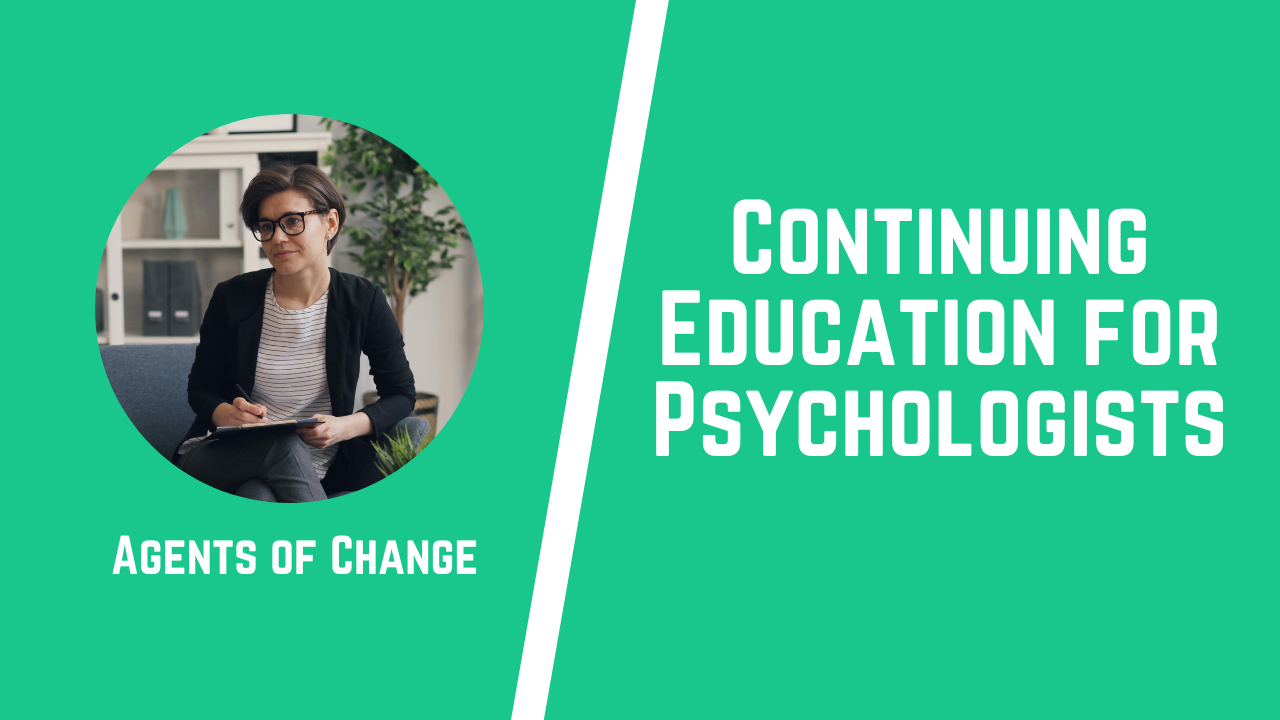
Continuing Education for Psychologists

Continuing Education for Psychologists
 

Psychology is a field built on curiosity, observation, and constant discovery. What was once considered standard practice can shift as new research emerges, cultural awareness expands, and a deeper understanding of human behavior develops. For psychologists, earning a degree and obtaining licensure represents the beginning of a lifelong professional journey, not the final destination. Continuing to learn ensures that clinical decisions remain informed, ethical, and effective in a world where mental health needs continue to evolve.

Continuing education plays a vital role in helping psychologists stay up to date with current science and best practices. Without ongoing learning, even experienced professionals risk relying on outdated knowledge that may limit their ability to fully support clients. By engaging in continuing education, psychologists strengthen their clinical skills, deepen their understanding of complex conditions, and build confidence in their ability to respond to diverse client experiences. Over time, this ongoing investment in learning translates directly into better care, stronger therapeutic relationships, and improved treatment outcomes.

Beyond maintaining licensure, continuing education helps psychologists remain energized and motivated in their careers. Learning something new can spark fresh ideas, inspire new approaches, and reignite the passion that first drew many professionals to the field. It opens doors to specialization, career advancement, and greater professional satisfaction. Continuing education is more than a requirement. It is an essential part of growing as a clinician and providing the highest quality care possible.

Did you know? Agents of Change Continuing Education offers Unlimited Access to 150+ ASWB and NBCC-approved online CE courses and 15+ Live Events per year for one low annual fee to meet your state’s requirements for Continuing Education credits and level up your career.

We’ve helped hundreds of thousands of Social Workers, Counselors, and Mental Health Professionals with Continuing Education, learn more here about Agents of Change and claim your 5 free CEUs.

1) Why Continuing Education for Psychologists Matters More Than Ever
The landscape of mental health care has shifted dramatically in recent years. New research emerges rapidly. Social awareness evolves. Technology reshapes how therapy is delivered. In the midst of all this change, psychologists are expected to provide ethical, evidence-based, and culturally responsive care. That expectation isn’t optional. It’s foundational to the profession.

a diverse psychologist sitting behind a computer in a warm creative office thinking

Continuing Education for Psychologists has moved beyond being a routine licensure task. It now plays a central role in maintaining clinical relevance, strengthening professional identity, and ensuring that client care keeps pace with modern realities. With new challenges appearing regularly, ongoing education isn’t a luxury. It’s a professional necessity.
The Rapid Evolution of Psychological Research

Psychological science does not stand still. Advances in neuroscience, trauma research, and behavioral health continuously refine our understanding of how people think, feel, and respond to stress. Diagnostic criteria evolve. Treatment protocols are updated. New therapeutic models gain empirical support.

Without consistent learning, it becomes easy to rely on methods that were once effective but may no longer represent best practice. For example, trauma-informed care has expanded significantly over the past decade. Attachment theory applications have deepened. Even long-established approaches like Cognitive Behavioral Therapy have undergone refinements.

Keeping up with research ensures psychologists can confidently integrate updated interventions into their clinical work. Staying current isn’t about chasing trends. It’s about practicing responsibly.

Changing Client Needs and Cultural Awareness

Today’s clients bring increasingly complex and diverse experiences into therapy. Conversations around identity, systemic oppression, neurodiversity, gender expression, and cultural belonging are more visible and nuanced than ever before.

Psychologists must be prepared to respond with cultural humility and informed awareness. Continuing education provides structured opportunities to expand knowledge in areas such as:

  • Multicultural counseling frameworks

  • LGBTQIA+ affirming practices

  • Racial trauma and systemic stress

  • Working with immigrant and refugee populations

  • Neurodiversity-affirming approaches

Failing to adapt to these evolving conversations can unintentionally create harm or alienation in therapeutic relationships. Ongoing learning strengthens empathy and equips clinicians with tools to serve clients more effectively.

The Rise of Technology in Mental Health Care

Telehealth is no longer a temporary solution. It is a permanent part of mental health delivery. Alongside virtual therapy platforms, psychologists now encounter electronic health records, digital assessment tools, and even AI-supported interventions.

With these advancements come ethical questions. How should confidentiality be maintained online? What boundaries apply to digital communication? How do psychologists assess risk remotely?

Continuing education helps clinicians navigate these questions thoughtfully. It reinforces ethical standards while addressing practical challenges that did not exist twenty years ago. Technology evolves quickly, and professional knowledge must keep pace.

Increased Complexity in Mental Health Presentations

Clients today often present with layered challenges. Trauma histories intersect with substance use. Anxiety coexists with medical conditions. Social stressors compound psychological distress.

Treating complex cases requires a nuanced understanding. Psychologists must feel equipped to assess co-occurring disorders, manage risk appropriately, and tailor interventions to multifaceted needs.

Through ongoing education, clinicians can strengthen diagnostic clarity, refine case conceptualization skills, and explore integrative treatment approaches. Complex presentations demand expanded competence, and continuing education supports that growth.

Ethical Accountability and Public Trust

Psychologists hold a position of trust. Clients assume that the professionals guiding them are informed, competent, and aware of current best practices. That trust carries weight.

Licensing boards mandate continuing education for a reason. Ethical practice requires continuous development. Laws change. Professional guidelines are revised. Confidentiality standards adapt to new realities.

Engaging in continuing education reinforces ethical accountability. It signals a commitment to lifelong learning and professional responsibility. Public trust depends on practitioners who remain engaged and informed.

Preventing Professional Stagnation

Over time, even skilled clinicians can fall into habitual patterns. Familiar approaches feel comfortable. Sessions follow predictable structures. While experience brings wisdom, it can also create rigidity if not balanced with fresh insight.

Continuing education interrupts stagnation. Exposure to new theories, updated research, and peer perspectives encourages reflection. Sometimes, a single course can shift how a psychologist conceptualizes an entire client population.

Remaining intellectually active protects against burnout and professional complacency. Learning stimulates curiosity, and curiosity keeps practice vibrant.

Preparing for the Future of the Profession

Mental health needs are increasing globally. Societal stressors continue to grow. Public conversations around psychological well-being are expanding. The role of psychologists is becoming more visible and more essential.

To meet future demands, clinicians must remain adaptable. Emerging fields such as integrated behavioral health, digital mental health innovation, and trauma-informed organizational consulting are reshaping career opportunities.

Continuing education equips psychologists to pivot when necessary, expand specialties, and remain competitive in an evolving marketplace. Preparing for the future starts with staying informed today.


The reality is clear. Psychology is dynamic. Clients are complex. Ethical expectations are high. Technology continues to advance. In this environment, continuing education serves as both a safeguard and a catalyst. It protects professional integrity while fueling growth.

More than ever, psychologists who commit to ongoing learning position themselves to provide exceptional care in a world that refuses to stand still.

Learn more about Agents of Change Continuing Education. We’ve helped hundreds of thousands of Social Workers, Counselors, and Mental Health Professionals with their online continuing education and CEUs, and we want you to be next!

2) Modern Learning Options for Psychologists

The days of sitting in crowded hotel conference rooms for every continuing education credit are fading. Psychologists today have access to flexible, engaging, and highly specialized learning opportunities that fit into real life. Whether balancing a full caseload, managing administrative duties, or navigating personal responsibilities, modern continuing education allows psychologists to grow without disrupting their careers.

a psychologist in a warm creative office thinking

Learning has become more accessible, more customizable, and more relevant than ever before. Continuing Education for Psychologists now meets professionals where they are, allowing them to strengthen their skills in ways that feel practical rather than burdensome.

Online On-Demand Courses: Learning on Your Own Schedule

Online on-demand courses have become one of the most popular continuing education formats. These courses allow psychologists to learn at their own pace, pausing and resuming whenever their schedule allows.

This flexibility makes it easier to integrate education into busy routines.

Key benefits of on-demand learning include:

  • Complete courses anytime, including evenings or weekends

  • Pause and revisit complex material as needed

  • Learn without travel expenses

  • Access course materials from any device

Platforms like Agents of Change Continuing Education provide over 150 ASWB and NBCC-approved courses that psychologists can access instantly. Their $99 per year subscription offers unlimited access, making it one of the most affordable ways to earn CE credits while building meaningful expertise. Psychologists can learn without pressure, allowing knowledge to develop naturally over time.

Live Webinars and Interactive Virtual Events

Live webinars offer a different kind of learning experience. Instead of watching pre-recorded material, psychologists can participate in real-time sessions led by experienced clinicians and educators.

These live events create opportunities for interaction, discussion, and clarification.

Advantages of live webinars include:

  • Ability to ask questions directly

  • Exposure to current clinical discussions

  • Structured learning environments

  • Opportunities to connect with peers

Agents of Change Continuing Education offers more than 15 live continuing education events each year, averaging more than one live event per month. These sessions allow psychologists to stay connected with emerging research and practical clinical strategies while earning required CE credits.

Live learning brings energy into the educational process. It reminds psychologists that they are part of a broader professional community.

Specialty Certification Programs and Focused Training

Some psychologists choose to pursue specialized continuing education in niche areas. These programs allow clinicians to deepen their expertise and expand their professional identity.

Specialty training may focus on areas such as:

  • Trauma treatment approaches

  • Neuropsychological assessment

  • Addiction and substance use disorders

  • Child and adolescent psychology

  • Forensic psychology

Focused training allows psychologists to refine their skills and offer more specialized services. This can open doors to new career opportunities, higher earning potential, and increased professional satisfaction.

Specialization also strengthens confidence when working with complex cases.

Hybrid Learning Models: Combining Flexibility and Interaction

Hybrid learning combines the convenience of on-demand education with the engagement of live events. Psychologists can complete foundational coursework independently and then attend live sessions for deeper exploration.

This model offers the best of both worlds.

Hybrid learning typically includes:

  • Self-paced video courses

  • Scheduled live webinars

  • Interactive discussion opportunities

  • Access to supplemental resources

This combination supports both independent learners and those who benefit from structured interaction.

Microlearning and Short-Format Courses

Short-format courses have become increasingly popular. Instead of committing to multi-day seminars, psychologists can complete focused courses in smaller segments.

These brief learning sessions offer several advantages:

  • Easier integration into daily schedules

  • Faster skill development

  • Reduced cognitive overload

  • Immediate practical application

Microlearning works particularly well for developing specific skills, such as suicide risk assessment or ethical decision-making.

Short, targeted learning experiences can create meaningful improvements in clinical practice.

Conference Attendance and Professional Networking Opportunities

Despite the growth of online education, conferences remain valuable learning environments. They offer immersive educational experiences alongside opportunities for professional connection.

Benefits of conferences include:

  • Exposure to cutting-edge research

  • Opportunities to meet leading experts

  • Networking with peers

  • Exploration of emerging trends

Conferences also help psychologists reconnect with the broader mission of the profession.

Feeling connected to a professional community strengthens motivation and professional identity.

Subscription-Based Learning Platforms: Affordable and Comprehensive Access

Subscription-based continuing education platforms have made ongoing learning more affordable and accessible.

Agents of Change Continuing Education stands out by offering:

  • Access to over 150 CE courses

  • More than 15 live continuing education events annually

  • Unlimited course completion opportunities

  • CE certificates upon course completion

Their $99 annual subscription removes financial barriers that often prevent psychologists from pursuing continuing education consistently.

Instead of worrying about the cost of individual courses, psychologists can focus on learning, growing, and improving their clinical effectiveness.

Choosing the Right Learning Format for Your Professional Needs

Every psychologist learns differently. Some prefer independent study. Others benefit from interactive discussion. Many combine multiple formats.

When choosing a learning option, psychologists should consider:

  • Personal learning style

  • Schedule flexibility

  • Clinical specialization goals

  • Licensing requirements

  • Budget considerations

Modern learning options allow psychologists to tailor their education to their individual needs.

Continuing education no longer requires sacrificing time, income, or personal balance. With flexible formats and affordable access, psychologists can remain current, confident, and prepared for whatever challenges arise in their clinical work.

Agents of Change has helped hundreds of thousands of Social Workers, Counselors, and Mental Health Professionals with Continuing Education, learn more here about Agents of Change and claim your 5 free CEUs!

3) Recommended Courses from Agents of Change Continuing Education

Choosing the right continuing education courses can feel overwhelming. With so many options available, psychologists benefit from selecting courses that are clinically relevant, ethically grounded, and immediately applicable to real-world practice. Agents of Change Continuing Education offers a growing library of more than 150 ASWB and NBCC-approved courses, along with 15+ live continuing education events each year. Their $99 per year subscription makes them the most affordable CEU option available, providing unlimited access to their full course catalog and live events.

Below are five standout courses that align particularly well with the needs of practicing psychologists.


1. Ethics and Boundaries with Technology

Course Link:
https://agentsofchangeprep.com/continuing-education/course-detail/ethics-boundaries-tech/

Technology has permanently transformed psychological practice. Telehealth sessions, encrypted messaging, electronic records, digital scheduling platforms, and even social media interactions all create new ethical considerations. This course addresses those complexities head-on.

Psychologists who complete this training will strengthen their understanding of:

  • Confidentiality risks in virtual environments

  • HIPAA compliance considerations in digital practice

  • Boundaries related to texting, emailing, and online communication

  • Social media ethics for clinicians

  • Risk management strategies for teletherapy

What makes this course especially valuable is its practical orientation. Instead of focusing solely on theory, it provides real-world scenarios that mirror daily clinical challenges. Psychologists walk away with concrete guidelines for navigating the increasingly common gray areas.

For clinicians offering telehealth services or considering expanding into online therapy, this course supports ethical confidence and legal clarity.


2. Intergenerational Trauma

Course Link:
https://agentsofchangeprep.com/continuing-education/course-detail/intergenerational-trauma/

Trauma rarely begins and ends with a single individual. Family systems, cultural histories, and community experiences all contribute to patterns of emotional and behavioral responses that can span generations. This course explores the mechanisms through which trauma is transmitted and sustained.

Psychologists will explore:

  • The psychological and biological foundations of trauma transmission

  • Attachment disruptions across generations

  • Cultural and systemic trauma influences

  • Epigenetic research related to stress and trauma

  • Therapeutic strategies for breaking trauma cycles

Clients often present with symptoms that seem deeply embedded and sometimes resistant to surface-level interventions. Understanding intergenerational trauma expands case conceptualization and helps clinicians recognize patterns that might otherwise remain hidden.

This course equips psychologists to move beyond symptom management and toward systemic healing approaches that address the broader family and historical context.


3. Anger Management

Course Link:
https://agentsofchangeprep.com/continuing-education/course-detail/anger-management/

Anger shows up in many forms. It may present as explosive outbursts, passive-aggressive behaviors, chronic irritability, or internalized resentment. For psychologists, effectively assessing and treating anger-related concerns is a vital clinical skill.

This course offers a structured, evidence-based approach to anger management, covering:

  • The cognitive and physiological underpinnings of anger

  • Common triggers and maintaining factors

  • Assessment tools for identifying anger patterns

  • Intervention strategies rooted in CBT and emotional regulation models

  • Techniques for helping clients develop healthier coping responses

Importantly, the course also examines the function of anger. Rather than framing anger as purely problematic, it encourages clinicians to understand its protective role and underlying emotional drivers.

Psychologists working with adolescents, couples, or individuals navigating high-conflict situations will find this course especially applicable.


4. Resiliency as a Helping Professional

Course Link:
https://agentsofchangeprep.com/continuing-education/course-detail/resiliency-as-a-helping-professional/

Psychologists spend their days holding space for others’ trauma, grief, anxiety, and uncertainty. Over time, this emotional labor can accumulate. Burnout, compassion fatigue, and vicarious trauma are very real risks in the helping professions.

This course turns the focus inward.

Participants explore:

  • The psychological impact of sustained helping work

  • Early warning signs of burnout and secondary trauma

  • Protective factors that support clinician resilience

  • Practical strategies for maintaining emotional sustainability

  • Boundary-setting practices that preserve energy

By strengthening self-awareness and resilience, psychologists protect their long-term career health. Sustainable practice benefits both clinician and client.

This course is particularly helpful for mid-career professionals who may feel stretched thin, or for newly licensed psychologists seeking to build strong self-care habits early in their careers.


5. Supporting Diverse Brains

Course Link:
https://agentsofchangeprep.com/continuing-education/course-detail/supporting-diverse-brains/

Neurodiversity has reshaped conversations in mental health. Increasingly, clinicians recognize that cognitive differences such as ADHD, autism spectrum conditions, and learning variations should be approached from a strengths-based perspective.

This course helps psychologists:

  • Understand neurodiversity frameworks

  • Shift from deficit-based models to affirming approaches

  • Identify common misdiagnoses and assessment pitfalls

  • Adapt therapeutic interventions for diverse cognitive styles

  • Foster inclusive clinical environments

Supporting diverse brains requires more than awareness. It requires clinical flexibility and respect for neurological differences.

Psychologists who complete this course gain tools for creating affirming therapeutic spaces while still addressing functional challenges clients may experience. It strengthens culturally responsive practice and aligns with modern ethical standards of inclusivity.


Why These Courses Stand Out

Each of these five courses addresses a core area of modern psychological practice:

  • Ethical integrity in digital environments

  • Trauma-informed and systemic understanding

  • Emotional regulation and behavioral intervention

  • Clinician sustainability

  • Neurodiversity-affirming care

Through Agents of Change Continuing Education, psychologists can access these courses individually or through their $99 per year subscription, which includes unlimited access to over 150 ASWB and NBCC-approved courses and more than 15 live CE events annually.

For psychologists seeking affordable, flexible, and clinically relevant continuing education, these courses offer immediate value and long-term professional impact.

4) How to Choose the Right Continuing Education Courses

Choosing CE courses shouldn’t feel like scrolling endlessly and hoping something “sounds useful.” A simple process makes it easier to pick courses that actually improve your work, meet licensure requirements, and fit your real schedule. Here’s a straightforward step-by-step method you can follow.

Step 1: Confirm Your Licensure Requirements First

Before you pick a single course, clarify what you must complete for your renewal cycle. Requirements vary by state and credential.

Make a quick checklist that includes:

  • Total CE hours needed

  • Deadline or renewal date

  • Any required topic areas (ethics, cultural competence, suicide prevention, etc.)

  • Limits on online vs live hours (if applicable)

  • Documentation rules (certificates, audits, reporting)

Starting here prevents the annoying situation of finishing a course and later realizing it doesn’t count.

Step 2: Identify What’s Happening in Your Caseload

Next, let your current client work guide your course selection. What patterns are showing up lately? What kinds of cases leave you feeling stuck or second-guessing yourself?

Write down 2 to 4 themes you’re seeing, such as:

  • Trauma and dissociation

  • Anxiety and perfectionism

  • Neurodiversity and executive functioning

  • Anger, conflict, or impulsivity

  • Couples work and repair conversations

  • Grief, chronic illness, or caregiver stress

Pick courses that match what you’re seeing right now, because you’ll apply the learning faster and remember it longer.

Step 3: Choose One “Core Skills” Course and One “Stretch” Course

To keep your learning balanced, choose courses in two categories:

  • Core skills: directly supports your everyday clinical work

  • Stretch skills: expands your practice into a newer area or strengthens a weak spot

For example, a core skills course might focus on risk assessment or ethics. A stretch course might focus on intergenerational trauma or neurodiversity-affirming care. This keeps CE from feeling repetitive year after year.

Step 4: Check Course Fit Before You Commit

Before enrolling, do a quick quality check. You don’t need a complicated rubric. Just look for obvious markers of value.

Ask yourself:

  • Does the course clearly state learning objectives?

  • Is it evidence-based or grounded in recognized clinical frameworks?

  • Is the instructor qualified and clinically experienced?

  • Will I leave with tools I can actually use next week?

  • Is it approved for the CE type I need?

If the course description feels vague or overly broad, skip it. Your time is too valuable.

Step 5: Match the Format to Your Schedule

Now get practical. Choose formats that realistically fit your life. A great topic in the wrong format becomes a course you never finish.

Use this approach:

  • If your schedule is unpredictable: choose on-demand courses

  • If you want interaction and accountability: choose live webinars or events

  • If you learn best in bursts: choose shorter modules and stack them over time

  • If you want deep immersion: choose longer trainings or conference-style learning

This is where platforms that offer both on-demand and live options can be helpful, since you can mix formats depending on the month.

Step 6: Build a Simple Annual Plan

Instead of picking courses randomly throughout the year, map out a light plan that keeps you on track.

A simple way to do it:

  1. Schedule required topics early (ethics, mandated topics)

  2. Add 2 to 3 caseload-driven courses

  3. Reserve 1 course for professional sustainability (burnout, resiliency, boundaries)

  4. Leave space for one “surprise need” that comes up mid-year

It doesn’t have to be rigid. Just enough structure so CE doesn’t pile up at the last minute.

Step 7: Apply One Takeaway Immediately

This last step is what makes continuing education feel worthwhile instead of just “hours completed.”

After each course, write down:

  • One concept that changed how you see a clinical issue

  • One tool or intervention you’ll try

  • One client type or scenario where it fits

Then apply it within the next week or two. Learning sticks when it moves from your notes into your sessions.

5) FAQs – Continuing Education for Psychologists

Q: How do I know if a continuing education course is approved and accepted for my psychology license?

A: The most reliable way to confirm whether a course counts toward your license renewal is to check both the course provider’s approvals and your state licensing board’s requirements. Most licensing boards require courses to be approved by recognized accrediting bodies or professional organizations. Reputable providers clearly state their approvals and provide certificates of completion with all required information.

Before enrolling, verify that the course includes documented CE credit hours, instructor credentials, and compliance with your state’s guidelines. It’s also wise to review your licensing board’s website or renewal handbook to confirm any specific topic requirements, such as ethics or cultural competence. Taking a few minutes to confirm approval upfront prevents wasted time and ensures your credits will count when renewal time arrives.

Q: What types of continuing education courses are most valuable for improving clinical effectiveness?

A: The most valuable courses are those that directly connect to your current client population and clinical challenges. Courses that focus on trauma-informed care, ethics, neurodiversity, emotional regulation, and culturally responsive therapy often provide immediate benefits in real-world practice. These areas address the issues psychologists frequently encounter and offer practical tools that can be applied right away.

It’s also helpful to balance courses that strengthen foundational skills with those that expand your expertise into emerging areas. For example, a psychologist might combine ethics training with courses on intergenerational trauma or neurodiversity. This approach builds both competence and confidence, allowing clinicians to respond more effectively to complex and evolving client needs.

Q: How can continuing education help prevent burnout and improve long-term career satisfaction?

A: Continuing education supports career longevity by helping psychologists stay engaged, confident, and professionally energized. Over time, clinical work can feel repetitive or emotionally draining, especially when facing difficult cases. Learning new approaches introduces fresh perspectives, restores curiosity, and helps psychologists feel more effective in their work.

Courses that focus on resiliency, professional boundaries, and emotional sustainability are especially valuable for preventing burnout. They help psychologists recognize early warning signs of fatigue and develop strategies to maintain balance. Continuing education also opens doors to new specialties, career paths, and professional opportunities, which can reignite motivation and create a stronger sense of purpose throughout a psychologist’s career.

6) Conclusion

Continuing education plays a defining role in the life of every psychologist. It ensures that knowledge stays current, clinical skills remain sharp, and ethical standards are consistently upheld. As research advances and client needs become more complex, psychologists must stay engaged in learning to provide the highest level of care. Continuing education strengthens clinical judgment, deepens understanding, and reinforces the trust clients place in their providers.

Beyond meeting licensure requirements, continuing education supports long-term professional growth and satisfaction. It allows psychologists to explore emerging treatment approaches, expand into new specialty areas, and build confidence when working with challenging cases. Each course completed contributes to a stronger, more adaptable professional identity. Over time, this ongoing investment in learning helps psychologists avoid stagnation and remain motivated in a demanding but meaningful field.

————————————————————————————————————————————————

► Learn more about the Agents of Change Continuing Education here: https://agentsofchangetraining.com

About the Instructor, Dr. Meagan Mitchell: Meagan is a Licensed Clinical Social Worker and has been providing Continuing Education for Social Workers, Counselors, and Mental Health Professionals for more than 10 years. From all of this experience helping others, she created Agents of Change Continuing Education to help Social Workers, Counselors, and Mental Health Professionals stay up-to-date on the latest trends, research, and techniques.

#socialwork #socialworker #socialwork #socialworklicense #socialworklicensing #continuinged #continuingeducation #ce #socialworkce #freecesocialwork #lmsw #lcsw #counselor #NBCC #ASWB #ACE

Disclaimer: This content has been made available for informational and educational purposes only. This content is not intended to be a substitute for professional medical or clinical advice, diagnosis, or treatment

Note: Certain images used in this post were generated with the help of artificial intelligence.

Share:

Discover more from Agents of Change

Subscribe now to keep reading and get access to the full archive.

Continue reading

SOCIAL WORK MONTH SPECIAL: Unlimited CE + Live Events for $49. Spots are limited!