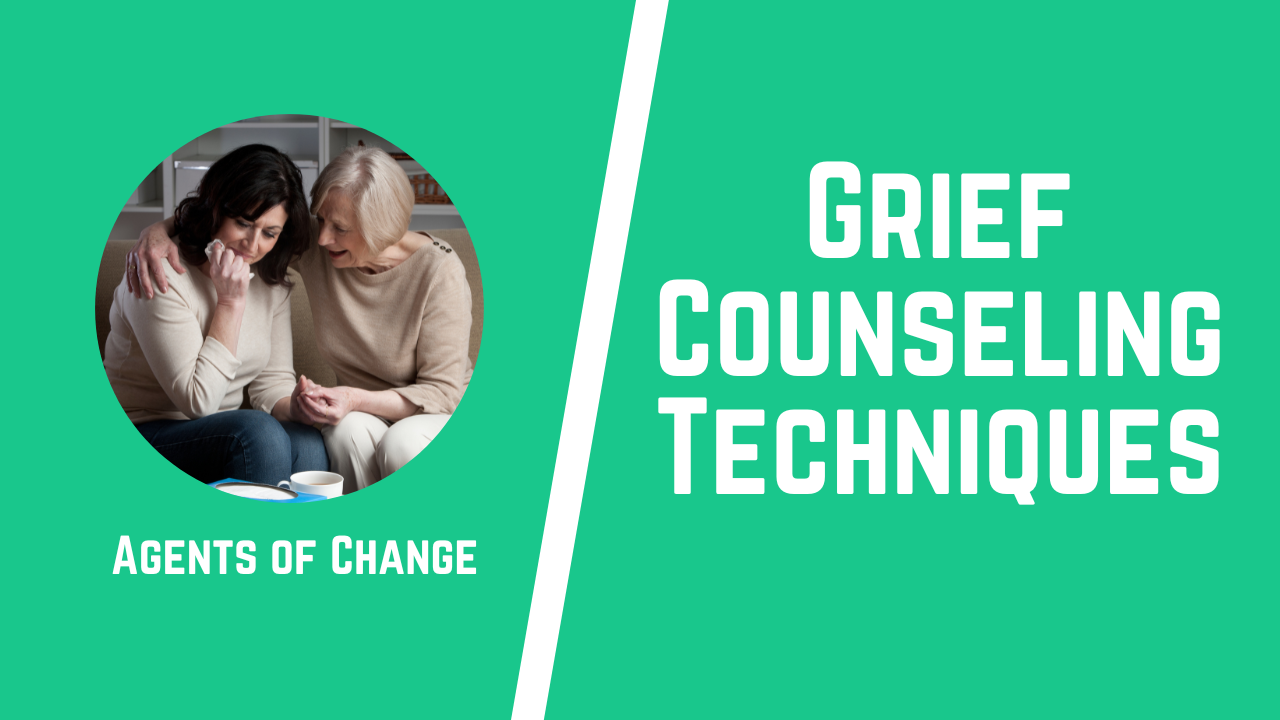
Grief Counseling Techniques That Help Support Emotional Healing for Clients

Grief Counseling Techniques That Help Support Emotional Healing for Clients

Grief has a way of changing everything without asking permission. It can arrive suddenly or build slowly, leaving people feeling disoriented, emotionally drained, and unsure of how to move forward. What once felt normal may now feel distant, and even simple routines can become difficult. While grief is a natural response to loss, it can also feel isolating, confusing, and deeply overwhelming.

Everyone experiences grief differently. Some people express their emotions openly, while others struggle quietly beneath the surface. Thoughts may race, sleep may become restless, and emotions may shift unexpectedly throughout the day. These reactions are not signs of weakness. They are part of the mind and body’s attempt to process something profoundly meaningful. Still, without guidance and support, grief can linger in ways that interfere with emotional well-being and daily life.

This is where grief counseling becomes an essential source of support. Through compassionate connection and evidence-based grief counseling techniques, individuals can explore their emotions safely and begin to rebuild their sense of stability. Counseling does not remove the pain of loss, but it helps people understand it, cope with it, and eventually grow around it. With time, patience, and the right support, healing becomes possible.

Did you know? Agents of Change Continuing Education offers Unlimited Access to 150+ ASWB and NBCC-approved online CE courses and 15+ Live Events per year for one low annual fee to meet your state’s requirements for Continuing Education credits and level up your career.

We’ve helped hundreds of thousands of Social Workers, Counselors, and Mental Health Professionals with Continuing Education, learn more here about Agents of Change and claim your 5 free CEUs.

1) Understanding Grief: More Than Sadness

Grief is often described as sadness, but that description barely scratches the surface. In reality, grief is a whole-body experience. It affects emotions, thoughts, physical health, relationships, and even one’s sense of identity. Losing someone or something meaningful can create an internal shift that feels disorienting, as if the ground beneath you has quietly moved.

a diverse person going through grief counseling in a warm supportive environment

At times, grief can feel obvious and overwhelming. At other times, it shows up in subtle ways that are harder to recognize. Feeling distracted at work, losing interest in favorite activities, or suddenly feeling exhausted for no clear reason. These experiences may not seem connected to grief at first glance, yet they often are.

Understanding grief in its full complexity helps normalize the experience. It reassures individuals that what they are feeling is not unusual or wrong. It is human.


The Emotional Layers of Grief

Emotions during grief rarely follow a predictable pattern. While sadness is common, many other emotions can emerge unexpectedly. Some people feel intense waves of emotion, while others feel strangely numb.

Common emotional responses include:

  • Sadness or deep longing

  • Anger at circumstances, others, or even the person who died

  • Guilt about things said, unsaid, done, or not done

  • Anxiety about the future

  • Emotional numbness or detachment

  • Relief, especially after prolonged illness

  • Loneliness, even when surrounded by others

These emotional shifts can change quickly. One moment may feel manageable, and the next, overwhelming. This unpredictability can be unsettling, yet it is a normal part of the grieving process.


The Physical Impact of Grief

Grief doesn’t stay confined to emotions. It often affects the body in noticeable ways. The nervous system responds to loss as a form of stress, which can lead to physical symptoms.

Some of the most common physical effects include:

  • Fatigue or low energy

  • Difficulty sleeping or sleeping too much

  • Changes in appetite

  • Headaches or muscle tension

  • Tightness in the chest

  • Weakened immune response

These physical symptoms can make daily life feel even more difficult. Someone grieving may wonder why they feel so physically drained. In truth, emotional pain requires energy to process, and the body reflects that effort.


Cognitive Effects: How Grief Influences Thinking

Grief can affect how people think, concentrate, and make decisions. The mind may feel foggy or distracted. Tasks that once felt simple may suddenly require more effort.

People experiencing grief may notice:

  • Difficulty concentrating

  • Forgetfulness

  • Confusion

  • Constant replaying of memories

  • Persistent thoughts about the loss

  • Questioning meaning or purpose

This mental fog can be frustrating. It may cause individuals to feel less capable or less in control. Over time, as emotional processing continues, cognitive clarity often improves.


Behavioral Changes During Grief

Grief can influence behavior in ways that others may or may not notice. Some people withdraw from social interactions. Others stay busy constantly to avoid painful emotions.

Behavioral changes may include:

  • Social withdrawal or isolation

  • Avoiding reminders of the loss

  • Increased irritability

  • Restlessness or inability to relax

  • Changes in daily routines

  • Seeking distraction through work or activities

These behaviors often serve as coping mechanisms. They help regulate emotional intensity, even if only temporarily.


Grief and Identity: Feeling Like a Different Person

Loss can alter how people see themselves. Roles, routines, and relationships shift. Someone who was once part of a partnership may now face life alone. Someone who relied on a parent for emotional support may suddenly feel unanchored.

This identity disruption can create questions such as:

  • Who am I without this person?

  • What does my life look like now?

  • How do I move forward?

These questions are not signs of weakness. They reflect the process of adapting to a new reality.


Why Understanding Grief Matters

Recognizing that grief involves emotional, physical, cognitive, and behavioral changes helps reduce self-judgment. Many individuals worry that something is wrong with them. They may wonder why they cannot “move on” or “feel normal” again.

Understanding grief helps people realize:

  • Their reactions are valid

  • Their experience is shared by others

  • Healing takes time

  • Support can make a meaningful difference

Grief is not a problem to solve. It is an experience to move through. With understanding, patience, and support, the intensity of grief can soften, allowing individuals to reconnect with life while still honoring their loss.

Learn more about Agents of Change Continuing Education. We’ve helped hundreds of thousands of Social Workers, Counselors, and Mental Health Professionals with their online continuing education and CEUs, and we want you to be next!

2) Core Grief Counseling Techniques That Support Healing

Grief can feel chaotic, unpredictable, and deeply personal. While time plays a role in healing, time alone does not provide structure, understanding, or emotional relief. This is where intentional therapeutic support becomes essential. Counselors rely on carefully developed methods that help individuals process loss safely, gradually, and meaningfully.

a diverse person going through grief counseling in a warm supportive environment

Effective Grief Counseling Techniques do not aim to eliminate grief. Instead, they help individuals understand their emotional experience, reduce internal suffering, and rebuild a sense of stability. Each technique works differently, but together they create a framework that supports emotional expression, cognitive clarity, and personal growth.

Below are the core techniques that underpin effective grief counseling.


1. Active Listening and Therapeutic Presence

Active listening is one of the most powerful tools a counselor can offer. While it may appear simple, its impact is profound. Many grieving individuals feel misunderstood, dismissed, or pressured to “move on.” When someone finally has the space to speak freely without interruption or judgment, emotional release often begins naturally.

Active listening involves fully focusing on the client, both verbally and nonverbally. Counselors pay attention to tone, pauses, body language, and emotional cues. They reflect back what they hear to ensure understanding and validation.

Examples of active listening responses include:

  • “It sounds like you feel lost without them.”

  • “You’re carrying a lot of pain right now.”

  • “That memory seems very important to you.”

This technique helps individuals feel seen and heard. Feeling understood reduces emotional isolation, which is one of the most painful aspects of grief.

Therapeutic presence also plays a critical role. Sometimes, silence becomes part of the healing process. Sitting with difficult emotions, without rushing or fixing, allows the nervous system to process pain at its own pace.


2. Emotional Validation and Normalization

Many grieving individuals question their emotional reactions. They may wonder whether they are grieving “correctly” or worry that their emotions are inappropriate.

Emotional validation reassures clients that their feelings are natural and understandable. Counselors help normalize the wide range of emotional responses that grief can produce.

This includes validating emotions such as:

  • Anger toward circumstances or medical providers

  • Relief after prolonged suffering of a loved one

  • Guilt about unresolved conflicts

  • Numbness or emotional detachment

By validating these reactions, counselors reduce shame and self-criticism. Clients begin to trust their emotional experience instead of fearing it.

Normalization also reduces anxiety. When clients understand that their reactions are part of the grief process, they feel less alone and less “broken.”


3. Narrative Therapy: Reconstructing Meaning

Loss often disrupts a person’s sense of identity and life story. Narrative therapy helps clients rebuild their internal narrative by exploring memories, relationships, and emotional experiences connected to the loss.

Through guided conversation, clients share stories about their loved one, their relationship, and the impact of the loss on their life.

This process serves several important purposes:

  • Preserving meaningful memories

  • Processing unresolved emotions

  • Integrating the loss into personal identity

  • Restoring a sense of continuity

Rather than seeing their life as permanently broken, clients begin to see grief as part of their larger life story.

Narrative therapy also allows individuals to maintain a healthy emotional connection to the person they lost while still moving forward.


4. Cognitive Restructuring: Addressing Painful Thought Patterns

Grief often produces distorted or harmful thoughts. These thoughts can intensify emotional suffering and slow healing.

Common grief-related thoughts include:

  • “This was my fault.”

  • “I should have done something differently.”

  • “I cannot survive without them.”

  • “Life will never have meaning again.”

Cognitive restructuring helps clients examine and challenge these thoughts. Counselors guide individuals to evaluate the accuracy and helpfulness of their beliefs.

This process involves:

  1. Identifying negative thought patterns

  2. Examining evidence supporting and contradicting the thought

  3. Developing more balanced and realistic perspectives

  4. Practicing new ways of thinking

Over time, this technique reduces guilt, self-blame, and catastrophic thinking.

Clients begin to develop self-compassion and emotional resilience.


5. Emotion-Focused Therapy: Processing Emotional Pain

Suppressing emotions may provide temporary relief, but it often prolongs grief. Emotion-focused therapy helps clients safely access, explore, and process difficult emotions.

Counselors guide clients to identify emotions they may be avoiding or suppressing. This can include anger, sadness, fear, or regret.

The process may involve:

  • Naming specific emotions

  • Exploring emotional triggers

  • Expressing feelings verbally

  • Allowing emotional release in a controlled environment

As emotions are expressed and processed, their intensity often decreases. Clients gain greater emotional clarity and relief.

Emotion-focused therapy helps transform overwhelming emotional pain into manageable emotional awareness.


6. Mindfulness and Grounding Techniques

Grief can overwhelm the nervous system. Individuals may feel anxious, disconnected, or emotionally flooded.

Mindfulness and grounding techniques help regulate emotional and physiological responses. These techniques bring attention back to the present moment, reducing emotional overload.

Common grounding practices include:

  • Deep breathing exercises

  • Focusing on physical sensations

  • Guided meditation

  • Progressive muscle relaxation

  • Sensory awareness exercises

These techniques calm the nervous system and increase emotional stability.

Clients learn that while grief cannot be eliminated, its intensity can be regulated.


7. Continuing Bonds Therapy: Maintaining Healthy Emotional Connection

Older grief models emphasized detachment from the deceased. Modern grief counseling recognizes that maintaining emotional connection can be healthy and healing.

Continuing bonds therapy helps clients preserve meaningful emotional connections while adapting to life without the person physically present.

This may involve:

  • Talking about the loved one regularly

  • Creating rituals of remembrance

  • Writing letters to the deceased

  • Preserving meaningful objects

These practices provide comfort and continuity.

Clients learn that moving forward does not mean forgetting.


8. Behavioral Activation: Reengaging with Life

Grief often leads to withdrawal and loss of motivation. Behavioral activation helps clients gradually reconnect with meaningful activities.

Counselors encourage small, manageable steps such as:

  • Taking short walks

  • Engaging in hobbies

  • Socializing with supportive individuals

  • Reestablishing routines

These activities help rebuild a sense of purpose and normalcy.

Even small actions can restore emotional momentum.


9. Meaning-Making and Existential Exploration

Loss often raises profound questions about life, purpose, and identity.

Counselors help clients explore these questions:

  • What does this loss mean to me?

  • How has this experience changed me?

  • What gives my life meaning now?

Meaning-making allows clients to integrate loss into their personal growth.

Some individuals discover new strengths, perspectives, or priorities through this process.

Healing does not erase grief. It transforms how individuals carry it.


Why These Techniques Matter

Each of these techniques addresses different aspects of grief. Emotional pain, cognitive distress, behavioral withdrawal, and identity disruption all require attention.

Together, these Grief Counseling Techniques help individuals:

  • Express emotional pain safely

  • Reduce guilt and self-blame

  • Regulate overwhelming emotions

  • Restore personal identity

  • Reconnect with life

Healing from grief takes time. With skilled guidance, compassionate support, and structured therapeutic techniques, individuals can move through loss with greater understanding, resilience, and hope.

Agents of Change has helped hundreds of thousands of Social Workers, Counselors, and Mental Health Professionals with Continuing Education, learn more here about Agents of Change and claim your 5 free CEUs!

3) Specialized Grief Counseling Techniques for Different Situations

Grief does not follow a single pattern. The emotional impact of losing a spouse after decades together feels different from losing a parent suddenly. The grief experienced after a traumatic accident carries different psychological layers than grief connected to a prolonged illness. Because of these differences, counselors often rely on specialized techniques tailored to the specific nature of the loss and the individual’s emotional needs.

These specialized approaches recognize that grief can involve trauma, unresolved emotions, identity disruption, and deep existential questions. Tailoring therapy to the situation helps clients process their experience more effectively and safely. Below are three specialized techniques commonly used in grief counseling for complex or unique situations.


1. Complicated Grief Therapy (CGT): Supporting Individuals Stuck in Prolonged Grief

While grief has no fixed timeline, some individuals experience persistent, intense grief that does not ease over time. This is often referred to as complicated grief or prolonged grief. Individuals may feel emotionally frozen, unable to accept the loss, or unable to reengage with life.

Complicated Grief Therapy is a structured, evidence-based approach specifically designed to help individuals who feel stuck in their grieving process. This technique combines emotional processing, cognitive work, and gradual behavioral change.

Key components of Complicated Grief Therapy include:

  • Encouraging clients to revisit memories of the loss in a safe environment

  • Helping clients gradually face reminders they may be avoiding

  • Addressing thoughts that prevent emotional acceptance

  • Supporting reengagement in meaningful daily activities

  • Strengthening coping skills and emotional resilience

This technique helps individuals slowly move from avoidance and emotional paralysis toward acceptance and adaptation. Acceptance does not mean approval or forgetting. It means recognizing the reality of the loss while rebuilding one’s life around it.

Over time, clients often experience reduced emotional intensity, increased emotional flexibility, and renewed capacity for connection.


2. Trauma-Informed Grief Counseling: Healing When Loss Is Sudden or Violent

When grief is combined with trauma, the emotional impact can be particularly intense. Sudden losses, accidents, suicides, or violent deaths often leave individuals with shock, intrusive memories, and heightened anxiety. In these cases, the nervous system remains in a state of distress long after the event.

Trauma-informed grief counseling focuses first on restoring emotional safety before processing deeper grief emotions. Counselors prioritize stabilization, helping clients regulate their nervous system and reduce feelings of overwhelm.

Core elements of trauma-informed grief counseling include:

  • Teaching grounding and emotional regulation techniques

  • Helping clients understand trauma responses

  • Reducing feelings of fear, helplessness, or loss of control

  • Processing traumatic memories gradually

  • Restoring a sense of internal safety

This approach respects the client’s emotional limits. Rather than forcing emotional confrontation too quickly, counselors allow healing to unfold at a manageable pace.

As stability increases, clients can begin processing grief without being retraumatized by overwhelming emotional or physiological responses.


3. Meaning-Centered Grief Therapy: Rebuilding Purpose After Loss

Loss often disrupts a person’s sense of meaning and direction. Individuals may question their identity, their future, and the purpose of their life without their loved one. Meaning-centered grief therapy helps clients explore these deeper existential questions and gradually rebuild a sense of purpose.

This technique focuses on helping individuals find meaning both in their relationship with the deceased and in their life moving forward.

Key components include:

  • Exploring the personal significance of the relationship

  • Identifying values that remain important after the loss

  • Reflecting on lessons learned through the relationship

  • Encouraging activities that align with personal meaning

  • Supporting identity reconstruction

Rather than focusing solely on emotional pain, this approach helps individuals reconnect with what gives their life value. Clients often discover inner strengths, new priorities, and renewed direction.

Meaning-centered therapy helps transform grief from an experience of pure loss into an experience that also contains growth, insight, and deeper self-understanding.


Why Specialized Techniques Matter

Grief affects each person differently, and specialized techniques ensure that therapy addresses the specific emotional and psychological needs of each individual. Whether someone feels emotionally stuck, traumatized, or lost without purpose, these targeted approaches provide structured pathways toward healing.

By using specialized grief counseling techniques, counselors help individuals regain emotional stability, rebuild their sense of identity, and reconnect with life in meaningful ways. Healing becomes possible, even when loss feels overwhelming.

4) Common Challenges Clients Face During Grief Counseling

Grief counseling offers a safe and supportive space for healing, yet the process itself can feel uncomfortable, confusing, and emotionally demanding. Many clients enter counseling hoping for relief, only to discover that healing requires facing emotions they may have avoided for weeks, months, or even years. This doesn’t mean counseling isn’t working. In fact, these challenges often signal that meaningful emotional processing has begun.

Grief is not something people simply resolve and leave behind. It reshapes emotional patterns, beliefs, and identity. As a result, clients frequently encounter internal resistance, emotional barriers, and unexpected fears along the way. Understanding these common challenges helps normalize the experience and reassures clients that difficulty is part of the healing process, not a sign of failure.

Below are the three most common challenges clients face during grief counseling.


1. Difficulty Facing Painful Emotions

One of the most immediate challenges in grief counseling is confronting emotions that feel overwhelming. Many individuals spend significant energy avoiding painful feelings in order to function day to day. Counseling gently removes that emotional distance, bringing feelings closer to the surface.

Clients may experience emotions such as:

  • Deep sadness that feels consuming

  • Anger toward circumstances, medical providers, or themselves

  • Regret about unresolved conversations

  • Fear of facing life without their loved one

  • Emotional numbness that feels confusing or frustrating

For some, expressing these emotions can feel frightening. There may be a fear that once emotions are released, they will never stop. Others may worry about losing control or appearing vulnerable.

Counselors help clients move through these emotions gradually. By creating emotional safety and pacing the process carefully, clients learn that emotions, while intense, are temporary and manageable. Over time, facing emotions reduces their power and allows emotional relief to emerge.


2. Guilt, Self-Blame, and Unanswered Questions

Guilt is one of the most painful and persistent emotional challenges during grief. Clients often replay past moments repeatedly, searching for something they could have done differently. Even when events were beyond their control, the mind may create scenarios that assign personal responsibility.

Common guilt-related thoughts include:

  • “I should have done more.”

  • “I should have noticed sooner.”

  • “I should have said something different.”

  • “This is somehow my fault.”

These thoughts can become emotionally exhausting. They create a cycle of rumination that prevents emotional resolution. Clients may feel stuck between grief and self-blame, unable to move forward.

Grief counseling helps clients examine these thoughts with compassion and realism. Counselors guide clients toward understanding the limits of their control and recognizing that grief often magnifies feelings of responsibility. As clients begin to release unrealistic self-blame, emotional relief becomes possible.

This process takes time. Letting go of guilt often requires repeated reassurance, reflection, and emotional processing.


3. Fear of Moving Forward and Letting Go

One of the most misunderstood aspects of grief counseling is the fear associated with healing. Some clients worry that feeling better means leaving their loved one behind. They may fear that healing represents disloyalty, forgetting, or emotional abandonment.

This fear can show up in subtle ways, including:

  • Resisting emotional progress

  • Avoiding positive experiences

  • Holding onto emotional pain as a form of connection

  • Feeling uncomfortable during moments of happiness

For many individuals, grief becomes intertwined with love. Letting go of intense grief can feel like letting go of the relationship itself.

Counselors help clients understand that healing does not erase love or memories. Instead, healing allows individuals to carry their loved one forward in a healthier, more sustainable way. Emotional pain softens, but connection remains.

Gradually, clients begin to realize that moving forward does not mean moving on. It means learning to live fully while still honoring the person they lost.


Moving Through Challenges Toward Healing

These challenges are a natural part of grief counseling. Facing painful emotions, releasing guilt, and allowing healing to occur all require courage and support. Progress may feel slow at times, and setbacks are normal. Healing rarely follows a straight path.

With patience, trust, and consistent support, clients begin to develop emotional resilience. They learn that grief can coexist with hope, meaning, and renewed strength. Over time, counseling helps transform grief from an overwhelming burden into an experience that, while still meaningful, no longer controls every part of life.

5) FAQs – Grief Counseling Techniques

Q: How do Grief Counseling Techniques actually help someone heal emotionally?

A: Grief counseling techniques help individuals process loss in ways that reduce emotional overwhelm and restore psychological balance. After a significant loss, many people experience intense emotions, intrusive thoughts, and a sense of disconnection from their normal life. Without structured support, these feelings can remain unresolved and interfere with daily functioning.

Through techniques such as emotional processing, cognitive restructuring, and narrative exploration, counseling helps individuals make sense of their experience. Clients learn how to express emotions safely, understand their reactions, and gradually reduce the intensity of painful thoughts and feelings. Over time, the nervous system becomes less reactive, and emotional stability improves.

Q: When is the right time to start grief counseling?

A: There is no perfect timeline for beginning grief counseling. Some individuals seek support immediately after a loss, while others wait weeks, months, or even years. The right time depends on the person’s emotional needs, coping abilities, and life circumstances.

Grief counseling may be especially helpful if someone is experiencing:

  • Persistent sadness or emotional numbness

  • Difficulty functioning in daily life

  • Sleep disturbances or appetite changes

  • Intense guilt, anger, or anxiety

  • Withdrawal from relationships or activities

  • Feeling stuck or unable to move forward

Even individuals who appear to be coping well externally may benefit from counseling. Grief can remain beneath the surface and emerge later in unexpected ways. Seeking support early can prevent emotional distress from becoming more severe.

Q: How long does it take for Grief Counseling Techniques to show results?

A: The timeline for healing varies greatly from person to person. Some individuals notice emotional relief within a few sessions, while others require longer-term support. Factors such as the type of loss, personal coping style, emotional history, and available support systems all influence the healing process.

Early signs that counseling is helping may include:

  • Greater ability to talk about the loss

  • Reduced emotional intensity during difficult memories

  • Improved sleep and concentration

  • Increased emotional awareness

  • Gradual return of interest in daily activities

Healing does not occur all at once. It happens gradually, often through small emotional shifts that build over time. Clients may experience setbacks or difficult periods, which is a normal part of the process.

6) Conclusion

Grief is one of the most profound emotional experiences a person can face. It touches every part of life, from thoughts and emotions to physical well-being and personal identity. While grief is a natural response to loss, it can feel overwhelming and isolating without proper support. Grief counseling provides a structured and compassionate space where individuals can begin to understand their pain, express their emotions, and slowly regain a sense of stability.

Through effective grief counseling techniques, individuals learn that healing does not mean forgetting or leaving their loved one behind. Instead, it means developing the strength to carry their memories forward in a way that allows life to continue. Counseling helps people release guilt, process emotional pain, and rebuild their sense of purpose. Over time, the intensity of grief softens, and space begins to open for hope, connection, and renewed meaning.

————————————————————————————————————————————————

► Learn more about the Agents of Change Continuing Education here: https://agentsofchangetraining.com

About the Instructor, Dr. Meagan Mitchell: Meagan is a Licensed Clinical Social Worker and has been providing Continuing Education for Social Workers, Counselors, and Mental Health Professionals for more than 10 years. From all of this experience helping others, she created Agents of Change Continuing Education to help Social Workers, Counselors, and Mental Health Professionals stay up-to-date on the latest trends, research, and techniques.

#socialwork #socialworker #socialwork #socialworklicense #socialworklicensing #continuinged #continuingeducation #ce #socialworkce #freecesocialwork #lmsw #lcsw #counselor #NBCC #ASWB #ACE

Disclaimer: This content has been made available for informational and educational purposes only. This content is not intended to be a substitute for professional medical or clinical advice, diagnosis, or treatment

Note: Certain images used in this post were generated with the help of artificial intelligence.

Share:

Discover more from Agents of Change

Subscribe now to keep reading and get access to the full archive.

Continue reading