
Are you passionate about helping others find their career path? Becoming a licensed career guidance counselor could be the perfect way to turn that passion into a fulfilling career. Whether you’re interested in guiding students, professionals in transition, or adults seeking a fresh start, career counseling is a rewarding profession that allows you to make a real impact. But, like any meaningful career, the journey to becoming a licensed career guidance counselor takes time, dedication, and careful planning.
In this guide, we’ll break down everything you need to know about how to become a licensed career guidance counselor—from the educational requirements to the steps for obtaining your state license. You’ll learn what it takes to gain the right skills, complete necessary internships, and pass licensure exams, all while staying compliant with continuing education requirements throughout your career. Along the way, you’ll discover invaluable resources like Agents of Change Continuing Education, which offers top-tier courses for Social Workers and counselors.
By the end of this article, you’ll have a clear understanding of the path to becoming a licensed career guidance counselor and how to ensure your career continues to grow. Ready to take the first step? Let’s dive in!
Did you know? Agents of Change Continuing Education offers Unlimited Access to 150+ ASWB and NBCC-approved CE courses for one low annual fee to meet your state’s requirements for Continuing Education credits and level up your career.
We’ve helped thousands of Social Workers, Counselors, and Mental Health Professionals with Continuing Education, learn more here about Agents of Change and claim your 5 free CEUs.
1) What Does a Career Guidance Counselor Do?
A career guidance counselor’s role is multifaceted, combining elements of counseling, education, and personal development to help individuals make informed career decisions. Whether they’re working in schools, universities, private practice, or corporate settings, these professionals guide clients through the often complex process of career exploration, skill assessment, and decision-making.

Their work extends beyond simple career advice, touching on personal growth, emotional well-being, and the development of skills necessary to succeed in today’s job market.
Let’s explore the key responsibilities and skills that career guidance counselors bring to their practice.
1. Assessing Clients’ Skills, Interests, and Values
The first step in effective career counseling is understanding the individual sitting across from you. Career counselors use a variety of assessment tools and techniques to gain insight into their clients’ skills, interests, values, and personality traits. This understanding is crucial for helping clients align their career paths with their strengths and passions.
Common Assessment Tools Used by Career Counselors
- Personality assessments: Tests like the Myers-Briggs Type Indicator (MBTI) or the Big Five Personality Test help counselors understand how a client’s personality traits may influence their career choices.
- Career aptitude tests: Tools like the Strong Interest Inventory or Holland Code assessments offer insight into the types of careers that align with a client’s interests and natural abilities.
- Skills inventories: These assessments evaluate a client’s transferable skills—those that can be applied across various industries or job roles.
- Values assessments: It’s important to understand what clients value in a job, such as work-life balance, job security, creative freedom, or financial stability, to help them make more fulfilling career choices.
By interpreting these assessment results, career counselors help clients build a more complete picture of what they want and need from their careers.
2. Exploring Career Options
Once the counselor has a deep understanding of the client’s skills, interests, and values, the next step is exploring potential career options. This phase involves providing information about different industries, job roles, and career paths that align with the client’s profile. A good counselor doesn’t just present options but also helps the client navigate through the vast world of work to identify the most suitable paths.
How Career Counselors Help Clients Explore Options
- Providing industry insights: Career counselors stay up-to-date on labor market trends and industry-specific opportunities to help clients make informed decisions.
- Job shadowing and internships: Counselors may suggest that clients try job shadowing or internships to get a firsthand look at potential career paths before fully committing.
- Explaining educational or training requirements: Some careers require specific degrees, certifications, or technical skills. Career counselors clarify these requirements and help clients plan accordingly.
- Connecting with professionals: Counselors may connect their clients with professionals in their chosen field for informational interviews, networking, or mentorship.
In this phase, career counselors act as a resource, guiding clients through a maze of potential options and helping them make choices that align with both their current needs and long-term goals.
3. Supporting Decision-Making
Choosing a career is a major life decision, and it can feel overwhelming for clients. A career counselor’s role is to help individuals make informed, thoughtful decisions about their career paths. This often involves weighing the pros and cons of different options and encouraging clients to consider both practical and personal factors.
Key Areas of Focus in Decision-Making
- Long-term vs. short-term goals: Career counselors help clients see the bigger picture by aligning short-term actions (like internships, certifications, or further education) with long-term career goals.
- Financial considerations: For many clients, financial factors play a significant role in their decision-making process. Counselors help clients understand salary expectations, job stability, and potential for career growth in various fields.
- Work-life balance and job satisfaction: Career decisions aren’t just about money—counselors also help clients consider how their job will impact their overall happiness, work-life balance, and personal fulfillment.
By encouraging clients to take a holistic view of their options, career guidance counselors ensure that their clients are making well-rounded, informed decisions.
4. Job Search and Career Development Assistance
Career guidance counselors don’t just help individuals choose a career path; they also provide support throughout the job search process. This can include everything from helping clients write a standout résumé to preparing for interviews and negotiating job offers. For clients already established in their careers, counselors can assist with professional development strategies, including networking, skill development, and career transitions.
Job Search Support Provided by Career Counselors
- Résumé and cover letter writing: Career counselors guide clients on how to create a compelling résumé that highlights their skills and experiences, often tailoring the document for specific industries or job roles.
- Job interview preparation: Counselors coach clients on how to present themselves confidently in interviews, providing mock interview practice and feedback on common questions and effective answers.
- Job search strategies: Counselors help clients develop effective job search plans, leveraging online job boards, company websites, and networking opportunities to find job openings.
- Networking and professional relationships: Counselors emphasize the importance of building professional relationships and provide strategies for effective networking, both in person and online (e.g., via LinkedIn).
For clients considering a career change or advancing within their current field, career counselors may also help identify opportunities for further professional development, such as attending workshops, earning certifications, or pursuing graduate degrees.
5. Offering Emotional and Psychological Support
Career decisions are rarely straightforward and can be accompanied by stress, anxiety, and uncertainty—especially when clients are transitioning between careers, experiencing job loss, or navigating personal challenges. A significant part of a career counselor’s role is providing emotional and psychological support to help clients manage these feelings and maintain a positive mindset.

Emotional Support Techniques in Career Counseling
- Active listening: Career counselors create a safe space for clients to express their fears, concerns, and hopes about their careers. Listening empathetically helps clients feel heard and understood.
- Building confidence: Many clients struggle with self-doubt when considering new career paths. Career counselors help rebuild their confidence by emphasizing their strengths and past achievements.
- Coping strategies: For clients facing career-related stress or uncertainty, counselors provide practical coping strategies to help manage anxiety and stay focused on long-term goals.
- Motivation and encouragement: Career counselors act as cheerleaders, providing motivation and positive reinforcement throughout the career exploration and job search processes.
By combining emotional support with practical guidance, career counselors ensure that their clients are not only prepared to succeed but also equipped to handle the challenges that come their way.
6. Career Transitions and Lifelong Career Support
Career guidance isn’t just for people entering the job market for the first time. Many career counselors work with mid-career professionals looking to make a change, whether it’s transitioning into a new industry, seeking leadership roles, or simply finding more fulfilling work. These transitions often require a different approach compared to those just starting out.
Helping Clients with Career Transitions
- Identifying transferable skills: Counselors help clients identify the skills they’ve developed in their current roles that can be applied to new industries or job functions.
- Exploring retraining or further education: When a career change requires new skills or certifications, counselors assist clients in exploring retraining opportunities or pursuing additional education.
- Navigating age-related challenges: Older workers facing age discrimination or concerns about re-entering the workforce can benefit from career counselors’ support in adapting their job search strategies and highlighting their experience.
In addition to assisting with immediate transitions, career counselors often provide lifelong career support, helping clients navigate future career changes, promotions, and professional development opportunities.
As you can see, the role of a career guidance counselor is far from simple. It involves balancing practical advice with emotional support, and helping clients make informed decisions that will impact their futures. Whether you’re working with students, mid-career professionals, or retirees, the career guidance counselor’s role is to provide clarity, resources, and encouragement at every step.
Learn more about Agents of Change Continuing Education. We’ve helped thousands of Social Workers, Counselors, and Mental Health Professionals with their Continuing Education and want you to be next!
2) Earn a Bachelor’s Degree
The journey to becoming a licensed career guidance counselor begins with earning a bachelor’s degree. While this degree isn’t the final step in your education, it lays the groundwork for your future studies and professional development.
Choosing the right major and taking relevant courses during your undergraduate years will set you on the right path toward a successful career in counseling. Let’s break down what you should consider when pursuing your bachelor’s degree.
Choosing the Right Major
When selecting your major, it’s important to keep in mind that there isn’t a single “right” degree that you need to pursue to become a career counselor. However, certain fields of study will give you a solid foundation of knowledge and skills that are highly relevant to counseling. Here are some of the most common undergraduate majors for aspiring career guidance counselors:
Common Bachelor’s Degree Majors for Career Guidance Counselors
- Psychology: A degree in psychology provides valuable insight into human behavior, cognitive processes, and emotional well-being—all of which are essential when working with clients to guide their career decisions.
- Education: Those planning to work as career counselors in schools will benefit from understanding student development, learning theories, and educational systems. An education degree can prepare you to work directly in academic settings, guiding students through their career planning.
- Social Work: With a Social Work degree, you gain a deep understanding of how social environments, family systems, and societal issues affect individuals. This background is especially helpful when working with clients facing personal challenges that impact their career decisions.
- Business or Human Resources: If you’re interested in working with professionals in a corporate setting, a business or HR degree can provide insights into workforce dynamics, organizational behavior, and employee development.
Whichever major you choose, aim to take elective courses that align with counseling and human development, such as communication, sociology, and counseling theory.
Building Key Skills Through Coursework

Your bachelor’s degree isn’t just about choosing the right major—it’s also about developing key skills that will serve you throughout your counseling career. Certain courses will enhance your ability to assess clients, communicate effectively, and provide sound guidance. Here are some areas of study you’ll want to explore during your undergraduate years:
Key Courses to Consider
- Communication: Effective communication is at the heart of counseling. Courses in communication, public speaking, and interpersonal skills will teach you how to listen actively, ask insightful questions, and convey ideas clearly.
- Counseling and psychology: Many undergraduate programs offer introductory counseling or psychology courses that cover the basics of human behavior, personality development, and mental health. These classes provide a foundation for the more advanced counseling theories you’ll encounter in graduate school.
- Sociology and social systems: Understanding how social factors like culture, community, and family dynamics influence career choices is essential for career counselors. Sociology courses help you view clients’ career decisions in a broader social context.
- Career development theory: Some programs offer introductory courses in career development, covering topics like job market trends, vocational psychology, and career planning strategies. These courses can give you a head start on learning how to guide others in their career paths.
By intentionally selecting these types of courses, you’ll be better prepared for the advanced training you’ll receive in graduate school.
Gaining Experience Outside the Classroom
While your academic coursework is essential, gaining hands-on experience during your undergraduate years can set you apart when applying for graduate programs or future job opportunities. Internships, volunteer work, and extracurricular activities can help you build relevant skills and gain insight into the field of counseling.
Ways to Gain Experience in Counseling During Your Bachelor’s Degree
- Internships: Seek internships in school counseling offices, human resources departments, or nonprofit organizations that provide career services. These experiences allow you to see how career guidance is applied in real-world settings.
- Volunteer work: Volunteering with youth programs, career fairs, or mentorship organizations can give you experience working with individuals who are exploring their career options. It also demonstrates your commitment to helping others.
- Extracurricular activities: Joining clubs or organizations that focus on leadership, peer counseling, or personal development can provide additional opportunities to refine your communication and problem-solving skills.
Taking the initiative to gain real-world experience during your undergraduate studies will help you stand out as a well-rounded candidate when applying to graduate programs in counseling.
Preparing for Graduate School
While earning your bachelor’s degree, keep in mind that your ultimate goal is to pursue a master’s degree in counseling or a related field. Many graduate programs look for candidates with a strong academic record, relevant experience, and a clear passion for counseling. Here’s how you can prepare yourself for the next step:
Tips for Preparing for Graduate School
- Maintain a strong GPA: Most master’s programs in counseling have competitive admissions processes, so aim to keep your grades high, especially in relevant coursework.
- Build relationships with professors: Graduate schools often require letters of recommendation, so make an effort to build connections with professors who can speak to your academic abilities and passion for the field.
- Research graduate programs early: Start researching potential master’s programs during your junior year. Look for accredited programs in counseling or career guidance that match your long-term goals.
- Prepare for the GRE (if required): Some graduate programs require the GRE for admission. Begin studying early if you need to take this exam, and aim for competitive scores.
Earning your bachelor’s degree is the first step in a long, rewarding journey toward a career in career counseling. It’s a time to build foundational knowledge, explore your interests, and gain the experience you’ll need to succeed in graduate school and beyond.
We’ve helped thousands of Social Workers, Counselors, and Mental Health Professionals with Continuing Education, learn more here about Agents of Change and claim your 5 free CEUs!
3) Pursue a Master’s Degree in Counseling or a Related Field
Once you’ve completed your bachelor’s degree, the next crucial step toward becoming a licensed career guidance counselor is earning a master’s degree in counseling or a closely related field. This advanced degree will equip you with the specific knowledge, skills, and practical experience needed to provide effective career counseling. Let’s break down what to expect from this stage of your education and how to choose the right program.
Choosing the Right Master’s Program
When selecting a master’s program, it’s essential to ensure that the program you choose is accredited and recognized by relevant counseling organizations, such as the Council for Accreditation of Counseling and Related Educational Programs (CACREP).
This ensures the quality of your education and qualifies you for licensure in most states. The type of program you choose should align with your career goals and the population you plan to work with, whether that’s students, professionals, or specialized groups.
Types of Master’s Programs for Aspiring Career Counselors
- Master of Arts (MA) or Master of Science (MS) in Counseling: These programs typically offer a broad-based education in counseling theories, techniques, and ethics, with the option to specialize in areas like career counseling, school counseling, or mental health counseling.
- Master’s in Career Counseling: Some programs focus specifically on career counseling, providing in-depth training on vocational psychology, career development theories, and employment strategies. These programs are ideal if you’re certain about your focus on career guidance.
- Master of Social Work (MSW) with a focus on career counseling: For those who want to integrate counseling with social work, an MSW program with a career counseling focus can be a good fit. It allows you to work with diverse populations, particularly those facing systemic barriers to employment.
By carefully selecting a program that fits your long-term goals and is accredited, you’ll set yourself up for success in pursuing licensure and a career in counseling.
Key Components of a Master’s in Counseling Program
Your master’s program will build on the knowledge gained during your undergraduate studies and focus specifically on counseling skills, career development theories, and practical experience. Here’s a closer look at the essential components of most counseling programs:
Core Coursework
- Career Development and Counseling: This course dives deep into the theories of career development, vocational psychology, and the decision-making processes individuals use when navigating career paths. You’ll learn how to apply these theories in real-world settings.
- Counseling Theories and Techniques: These classes teach the core counseling approaches, such as cognitive-behavioral therapy (CBT), person-centered counseling, and solution-focused therapy. You’ll also practice techniques for building rapport, asking effective questions, and helping clients explore their options.
- Ethics and Professional Issues in Counseling: Understanding the ethical standards in counseling is essential for building trust and ensuring the well-being of your clients. Courses on ethics cover topics like confidentiality, informed consent, and the counselor-client relationship.
- Assessment and Testing: Many programs include coursework on how to administer and interpret career assessments, including personality tests, skills inventories, and interest assessments. This is a critical skill for career guidance counselors who use these tools to guide clients toward suitable career options.
- Diversity and Multicultural Counseling: This course emphasizes the importance of cultural competence in counseling, teaching you how to work with clients from diverse backgrounds and address the unique challenges they may face in their career development.
These courses form the backbone of your graduate education and will prepare you for the practical aspects of career counseling.
Practicum and Internship Requirements
In addition to coursework, hands-on experience is a crucial component of any master’s program in counseling. Most programs require students to complete a practicum and/or internship to gain real-world experience under the supervision of a licensed professional. This experience not only helps you apply your academic knowledge but is also a requirement for licensure in many states.
Practicum and Internship Expectations
- Practicum: A practicum is typically a shorter, initial hands-on experience that takes place in a counseling setting. During your practicum, you may observe counseling sessions, assist with client assessments, and practice basic counseling skills. It’s a great opportunity to begin developing your confidence and competence in the counseling field.
- Internship: Internships are more intensive and involve working directly with clients in a supervised setting. You’ll conduct one-on-one or group counseling sessions, administer career assessments, and help clients with career planning. These internships are often longer-term commitments and provide the bulk of your hands-on training.
- Supervision: During both your practicum and internship, you’ll work under the supervision of an experienced, licensed counselor. Supervisors provide guidance, feedback, and mentorship to help you grow as a professional.
Specializations and Electives
Many master’s programs offer the opportunity to specialize or focus on specific areas of counseling, which can be incredibly useful if you’re planning to work with particular populations or in certain settings. You can choose electives that align with your career goals and deepen your expertise.
Specialization Options in Master’s Programs
- School Counseling: If you’re interested in working within the education system, you might choose a concentration in school counseling. This specialization focuses on helping students with academic planning, career exploration, and personal development.
- Rehabilitation Counseling: For those interested in helping individuals with disabilities, a specialization in rehabilitation counseling teaches you how to assist clients with career planning, job training, and placement services.
- Employee Assistance Programs (EAPs): If you prefer working in a corporate environment, some programs offer courses on employee assistance, helping employees address personal or work-related challenges that may impact their career performance.
- Multicultural Counseling: Given the diversity of the workforce, many career counselors choose to focus on multicultural counseling, gaining the skills necessary to work with individuals from different cultural, social, and economic backgrounds.
Choosing a specialization allows you to tailor your education to your specific interests and makes you a more attractive candidate when entering the job market.
Preparing for State Licensure and Certification
Earning your master’s degree is not just about gaining knowledge—it’s also about preparing for the state licensure exams that you’ll need to pass in order to practice as a licensed career guidance counselor. Many programs incorporate exam preparation into the curriculum, but it’s also wise to start studying early and take advantage of available resources.
Steps to Prepare for Licensure
- Review State Licensing Requirements: Each state has its own requirements for licensure, including the specific exam you’ll need to pass. Be sure to check with your state’s licensing board to understand these requirements early in your graduate studies.
- Prepare for the National Counselor Examination (NCE): The NCE is the most widely recognized licensing exam for counselors. Many master’s programs offer review sessions or courses that help you prepare for this test.
- Pursue Certification: In addition to state licensure, you may want to pursue certifications like the National Certified Counselor (NCC) or the Certified Career Counselor (CCC) to enhance your credentials and marketability.
Pursuing a master’s degree in counseling or a related field is a critical step in becoming a licensed career guidance counselor. It’s a time of deep learning, hands-on practice, and personal growth as you develop the skills needed to guide others in their career journeys.
With the right program, strong supervision, and a clear focus on your goals, you’ll emerge ready to make a meaningful impact in the lives of your future clients.
4) Complete Supervised Experience
After earning your master’s degree in counseling or a related field, the next essential step in your journey to becoming a licensed career guidance counselor is completing supervised experience. This stage is often referred to as a practicum or internship, but it extends beyond your academic requirements.
Supervised experience is critical because it provides the opportunity to apply theoretical knowledge in real-world settings while receiving guidance from an experienced, licensed counselor. This hands-on learning process helps you develop confidence, refine your counseling techniques, and meet state licensure requirements.
Let’s explore what supervised experience entails, how to find the right opportunities, and what you can expect during this phase.
The Importance of Supervised Experience
Supervised experience is more than just a formality in your path to licensure—it’s a transformative period that bridges the gap between classroom learning and professional practice. While your coursework teaches you the theories and techniques of career counseling, it’s during supervised experience that you truly learn how to apply them effectively. This period allows you to:
- Practice in real-world settings: You’ll work directly with clients, allowing you to apply theoretical concepts in real-life scenarios.
- Gain feedback and mentorship: Your supervisor will provide ongoing feedback, helping you identify strengths and areas for improvement.
- Meet licensure requirements: Most states require a specific number of supervised hours to qualify for licensure, which can range from 2,000 to 4,000 hours depending on the state.
Supervised experience is an invaluable time for growth as you transition from being a student to a professional counselor.
Types of Supervised Experience
There are typically two main components of supervised experience: the practicum and the internship. Both are crucial, but they serve slightly different purposes and are completed at different stages in your education and licensure journey.
1. Practicum
A practicum is often the first hands-on counseling experience you’ll have during your graduate studies. It’s generally shorter and more observation-based than an internship, but it’s still essential for building your foundational counseling skills.
What to Expect During Your Practicum
- Observation: You’ll start by observing licensed counselors as they work with clients. This allows you to see different counseling styles and techniques in action.
- Basic client interaction: As you gain confidence, you may begin working with clients in a limited capacity, such as conducting initial assessments or assisting with intake processes.
- Supervision: Practicum experiences are heavily supervised, with regular check-ins and feedback from your supervisor to ensure you’re on the right track.
- Skill development: This phase helps you develop basic counseling skills like active listening, empathy, and building rapport with clients.
Practicums usually last one to two semesters and are an introduction to the more intensive work that will come during your internship.
2. Internship
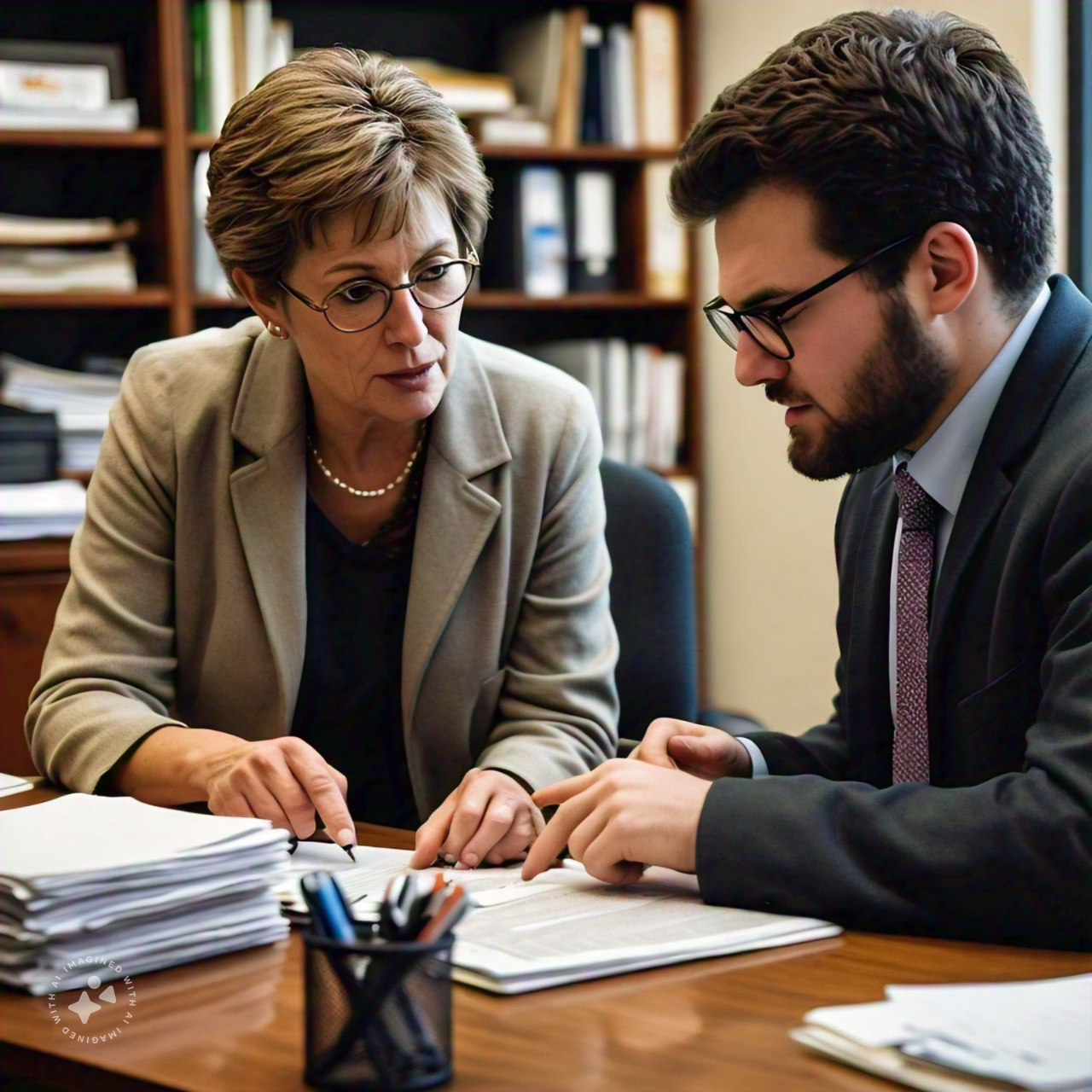
An internship is a more comprehensive, immersive experience where you’ll take on a more active role in the counseling process. Unlike the practicum, which may focus more on observation, the internship is where you’ll gain substantial hands-on experience working directly with clients.
What to Expect During Your Internship
- Client interaction: You’ll conduct one-on-one and group counseling sessions under the supervision of a licensed counselor. This may include career assessments, job search assistance, and helping clients make informed decisions about their career paths.
- Assessment administration: Interns often administer and interpret career aptitude tests, personality assessments, and other tools that help clients understand their strengths and career options.
- Counseling techniques: You’ll apply various counseling techniques and approaches learned during your graduate studies, such as cognitive-behavioral therapy, motivational interviewing, or solution-focused counseling.
- Documentation: Accurate and ethical documentation is a key part of the counseling process. You’ll learn how to maintain client records, track progress, and adhere to confidentiality standards.
- Supervision and feedback: Like the practicum, you’ll continue to receive regular supervision. However, you’ll have more autonomy during the internship, with supervisors providing feedback on specific cases, counseling techniques, and client interactions.
Internships typically require more hours than practicums and may span six months to a year, depending on your program and state licensure requirements.
How to Find a Supervised Experience Opportunity
Securing the right supervised experience opportunity is crucial to your development as a career guidance counselor. The setting you choose should align with your long-term career goals, whether you want to work in schools, universities, corporate environments, or private practice.
Steps to Finding a Supervised Experience Placement
- Leverage your graduate program: Most counseling programs have established relationships with local schools, businesses, and counseling centers that offer practicum and internship placements. Your program coordinator or faculty advisor can guide you to these opportunities.
- Use professional networks: Reach out to career guidance professionals through networking platforms like LinkedIn, or attend industry events and conferences. Building connections with licensed counselors can open doors to potential internship or practicum placements.
- Contact local counseling centers: If you have a specific setting in mind, consider reaching out to local career counseling centers, school counseling offices, or vocational rehabilitation services to inquire about available opportunities.
- Prepare for interviews: Once you’ve identified potential placements, you may be required to interview for an internship or practicum position. Be prepared to discuss your educational background, goals for supervised experience, and your understanding of career counseling techniques.
Finding the right placement can take time, so it’s important to start your search early and keep your long-term goals in mind.
Supervision and Mentorship
One of the most critical aspects of supervised experience is the mentorship you receive from a licensed counselor. Your supervisor will serve as your mentor, guiding you through challenges, providing constructive feedback, and helping you refine your counseling approach.
What to Expect from Your Supervisor
- Regular check-ins: Supervisors will meet with you regularly to review your progress, discuss difficult cases, and offer advice on how to handle specific client situations.
- Feedback on techniques: Your supervisor will observe or review your counseling sessions and provide feedback on your use of techniques, interpersonal skills, and professional demeanor.
- Ethical guidance: One of your supervisor’s key roles is to ensure you understand and follow ethical guidelines in counseling, including confidentiality, professional boundaries, and proper documentation.
- Professional development: Supervisors often provide career advice and help you navigate your early career decisions, such as which specialties to pursue or which certification to obtain.
A strong supervisor-mentee relationship is vital to your growth as a counselor, so it’s important to communicate openly, ask questions, and seek guidance throughout your experience.
Meeting State Licensure Requirements
Supervised experience isn’t just about gaining practical knowledge—it’s also a requirement for state licensure. Each state has different requirements for the number of hours and types of supervision needed to qualify for licensure, so it’s crucial to understand what your state mandates.
Common State Requirements for Supervised Experience
- Number of hours: Most states require between 2,000 and 4,000 hours of supervised counseling experience before you can apply for licensure. This typically includes both direct client contact and indirect activities, such as preparing case notes and assessments.
- Direct vs. indirect hours: Many states distinguish between direct hours (time spent counseling clients) and indirect hours (time spent on case management, supervision, and administrative tasks). Be sure to track both types of hours accurately.
- Supervision frequency: States often require a certain number of supervision hours for every set of counseling hours you complete. For example, you may need to meet with your supervisor for one hour every 20 hours of direct client work.
- Documentation: States require detailed records of your supervised hours, so it’s important to keep accurate logs and obtain any necessary documentation from your supervisor.
Each state has its own specific requirements, so be sure to check with your state’s licensing board early in your supervised experience to ensure you’re meeting the necessary criteria.
5) Pass the Licensing Exam
Passing the licensing exam is one of the most critical steps in becoming a licensed career guidance counselor. The exam demonstrates that you have the knowledge, skills, and ethical understanding required to practice professionally.
This is the final academic hurdle before you can begin your career, and preparing for it requires focused study, disciplined preparation, and a solid understanding of the requirements specific to your state and counseling specialization.
In this section, we’ll break down the licensing exam process, including the types of exams, preparation strategies, and tips for success. We’ll also cover what to expect on test day and how to handle retakes if necessary.
Understanding the Types of Licensing Exams
The specific licensing exam you’ll need to take depends on the state you plan to practice in and the counseling specialization you’ve chosen. Most states require career counselors to pass a nationally recognized exam, such as the National Counselor Examination (NCE), administered by the National Board for Certified Counselors (NBCC). Other exams may be required depending on your area of focus, such as school counseling or rehabilitation counseling.
Common Licensing Exams for Career Guidance Counselors
- National Counselor Examination (NCE): The NCE is the most widely used exam for obtaining counseling licensure across the United States. It covers topics related to human growth and development, counseling techniques, ethics, and career counseling.
- National Clinical Mental Health Counseling Examination (NCMHCE): While typically geared toward clinical mental health counselors, this exam may be required for certain specializations in career counseling, depending on your state’s requirements.
- State-specific exams: Some states require additional exams specific to their licensing board’s requirements, especially for those working in school counseling or rehabilitation counseling. Be sure to check with your state’s licensing board to confirm any additional exams you may need to take.
- Certified Career Counselor (CCC): Though not always required for licensure, earning the CCC certification from the National Career Development Association (NCDA) can enhance your credentials as a specialized career guidance counselor. This certification focuses specifically on career development theories and practices.
Each exam has its own format and focus, so understanding which test you’ll be taking is the first step in effective preparation.
Preparing for the Licensing Exam
Passing the licensing exam requires more than just reviewing your graduate coursework. Effective preparation involves understanding the exam’s structure, practicing with sample questions, and managing your study time wisely. Here’s a detailed guide to help you prepare for the licensing exam.
Steps to Prepare for the Licensing Exam
-
Review the Exam Content Outline
Each exam, such as the NCE, provides a detailed content outline that breaks down the areas tested. Familiarize yourself with this outline early in your study process to identify the topics you’ll need to focus on. The NCE, for example, typically includes the following core areas:- Human growth and development
- Social and cultural diversity
- Counseling and helping relationships
- Group counseling and group work
- Career development and counseling theories
- Assessment and testing
- Professional orientation and ethical practice
-
Gather Study Materials
To prepare thoroughly, you’ll need the right study materials. These might include:- Official study guides: The NBCC offers official study guides and practice exams for the NCE. These resources provide insight into the format of the exam and the types of questions you’ll encounter.
- Textbooks and coursework: Revisit your graduate program textbooks, especially those related to career counseling, ethics, and counseling techniques. Your coursework is likely to cover much of what’s on the exam.
- Continuing education courses: Providers like Agents of Change Continuing Education offer NBCC-approved courses that can help you stay sharp and informed on the latest counseling practices while preparing for the exam.
-
Create a Study Schedule
Organize your study time by creating a realistic schedule that breaks down topics into manageable sections. Be sure to allocate more time to areas where you feel less confident. A typical study plan might look like this:- Week 1-2: Review human growth and development theories and social diversity.
- Week 3-4: Focus on career development theories and assessment techniques.
- Week 5-6: Study ethics, legal issues, and professional practice.
- Week 7: Take a full-length practice exam to assess your readiness.
-
Take Practice Exams
Practice exams are one of the most effective ways to prepare for licensing exams. They simulate the real exam experience and help you get comfortable with the timing, question formats, and pressure of test day. Practice exams will also highlight areas where you need additional review. -
Join Study Groups
Studying with peers can provide a support system and an opportunity to exchange knowledge. Consider forming a study group with other counseling students who are also preparing for the exam. Study groups can help keep you accountable and provide fresh perspectives on challenging topics.
By organizing your study time and using high-quality materials, you’ll be better prepared to face the licensing exam with confidence.
What to Expect on Test Day
Knowing what to expect on the day of your licensing exam can help ease anxiety and ensure a smooth experience. Here’s a breakdown of what test day typically looks like for exams like the NCE:
Test Day Essentials
- Arrival and Check-In: Most exams are taken at designated testing centers, which are often operated by third-party organizations like Pearson VUE. Be sure to arrive early, as you’ll need to check in, show your identification, and store personal belongings in a secure area.
- Test Format: The NCE, for example, is a computer-based test that consists of 200 multiple-choice questions. You’ll have 4 hours to complete the exam, so pace yourself accordingly.
- Breaks: Most exams allow for short breaks, but the clock may not stop during these times. Plan your breaks carefully, especially if you need time to refresh your mind.
- Test Environment: Testing centers are typically quiet environments with individual workstations. You’ll have access to materials like scrap paper and pencils provided by the testing center.
- Post-Exam: After completing the exam, you’ll often receive your results immediately or within a few weeks, depending on the exam. If you pass, you’ll be eligible to proceed with the licensure application process. If you do not pass, don’t panic—many exams offer opportunities for retakes.
By understanding the logistics of test day, you can focus on the content of the exam and reduce any additional stress.
Strategies for Success
Passing a licensing exam can be challenging, but with the right strategies in place, you can increase your chances of success. Here are some tips to help you perform your best:
Top Tips for Passing the Licensing Exam
- Time management: With 200 questions to answer in a limited amount of time, managing your time effectively is crucial. Practice pacing yourself during practice exams and don’t spend too long on any one question.
- Eliminate wrong answers: On multiple-choice exams, eliminating obviously incorrect answers first can increase your chances of selecting the right one from the remaining options.
- Stay calm: Test anxiety can be a significant barrier for many. Practice deep-breathing techniques and remind yourself that you’re well-prepared. Keeping calm will help you focus and think more clearly.
- Use the process of elimination: If you’re unsure of a question, try to narrow it down by eliminating clearly wrong answers. This increases your chances of guessing correctly if needed.
- Read carefully: Pay close attention to the wording of each question, especially with ethical or scenario-based questions. Sometimes, small details can change the correct response.
What If You Don’t Pass?
If you don’t pass your licensing exam on the first try, it’s important not to get discouraged. Many professionals need to retake their exam, and most licensing boards allow for multiple attempts.
Steps to Take If You Don’t Pass
- Review your score report: Most exams provide a detailed score report that highlights the areas where you struggled. Use this information to focus your study efforts for the retake.
- Create a new study plan: Reflect on what went wrong the first time and adjust your study strategies. Did you run out of time? Did certain topics feel unfamiliar? Use this insight to guide your next round of preparation.
- Retake the exam: Most states and exam boards allow you to retake the exam after a designated waiting period, usually 60 to 90 days. During this time, continue to review and practice to build your confidence for the next attempt.
Remember, persistence is key. Many counselors successfully pass the exam on their second or third attempt.
6) Successfully Identifying, Applying, and Interviewing for Career Guidance Counselor Positions
Once you’ve completed your education, gained the required supervised experience, and passed your licensing exam, the next step is to secure a position as a career guidance counselor. This process involves several key stages: identifying job opportunities, preparing a standout application, and nailing the interview.
Each of these steps requires a combination of strategy, persistence, and communication skills. By understanding how to navigate the job search process effectively, you can increase your chances of landing a role that aligns with your career goals and aspirations.
Let’s break down each phase of the job search process to help you succeed in finding your ideal career guidance counselor position.
Identifying Career Guidance Counselor Job Opportunities
The first step to landing a job as a career guidance counselor is to identify the available opportunities. Depending on your career goals, you may want to work in various settings, such as schools, colleges, private counseling practices, nonprofit organizations, or corporate environments. Knowing where to look for job openings and being proactive in your search can make all the difference.
Where to Find Job Listings for Career Guidance Counselors
- School District Websites: If you’re interested in working in a K-12 setting as a career counselor, many school districts post openings on their websites. Be sure to regularly check these sites for listings.
- Higher Education Job Boards: Colleges and universities often have career centers where career guidance counselors work with students. Look for job postings on higher education job boards such as HigherEdJobs or ChronicleVitae.
- Job Search Engines: Popular job search engines like Indeed, LinkedIn, and Glassdoor often feature job listings for career counselors in a wide range of settings. Use search filters to narrow down the type of role and location that suits you best.
- Professional Associations: Organizations like the National Career Development Association (NCDA) or the American School Counselor Association (ASCA) often have job boards specifically for counseling professionals. These associations also offer networking opportunities that can help you discover positions that aren’t widely advertised.
- Private Counseling Practices: Many private counseling practices offer career guidance services. These practices may post job openings on their websites, or you can reach out directly to inquire about openings.
- Corporate Websites: Some corporations hire career counselors to provide employee assistance and career development services. Check the careers section of company websites, especially large corporations with robust human resources departments.
Networking to Discover Opportunities
In addition to searching job boards, networking can significantly expand your opportunities. By connecting with professionals in the counseling field, you can uncover positions that may not be publicly posted or get referrals that boost your chances of being considered for a role.
- Attend industry conferences: Conferences for career counselors and related professions often have networking events where you can meet potential employers or colleagues who can refer you to open positions.
- Join professional associations: Membership in organizations like the NCDA or ASCA can help you build your professional network. Many associations offer career resources, job boards, and opportunities to connect with fellow professionals.
- Utilize LinkedIn: LinkedIn is a powerful tool for networking in the counseling field. Follow organizations you’re interested in working for, join relevant groups, and actively engage in discussions to build relationships with potential employers.
- Connect with your graduate program: Many counseling programs maintain connections with local schools, universities, and counseling centers. Reach out to your program coordinator or professors for job leads and introductions to employers.
Crafting a Standout Application
Once you’ve identified potential job openings, the next step is to craft a standout application. Your application materials should showcase your qualifications, experience, and passion for helping others. Most importantly, they should demonstrate how your background aligns with the specific needs of the employer.
Key Components of a Strong Application
-
Tailored Résumé
Your résumé is often the first impression you’ll make on a potential employer, so it’s essential to tailor it to the job you’re applying for. A generic résumé won’t capture the attention of hiring managers. Here’s how to make your résumé stand out:- Highlight relevant experience: Make sure to emphasize your career counseling experience, whether gained through internships, practicums, or supervised experience. Highlight skills like client assessments, career coaching, and group counseling.
- Showcase your education: Clearly list your degrees, certifications, and any relevant continuing education courses. If you’ve taken courses through Agents of Change Continuing Education or other reputable providers, mention those to demonstrate your commitment to lifelong learning.
- Use keywords from the job description: Review the job listing and incorporate keywords and phrases that align with the employer’s needs. Many organizations use applicant tracking systems (ATS) that scan for these keywords, so including them will increase the chances that your résumé gets noticed.
- Include measurable achievements: Where possible, include quantifiable results from your previous counseling work, such as improving client satisfaction rates or helping a specific number of clients secure jobs or internships.
-
Personalized Cover Letter
A well-written cover letter allows you to expand on your résumé and explain why you’re the ideal candidate for the role. Each cover letter should be tailored to the job you’re applying for, demonstrating your genuine interest in the position and organization.- Start with a strong opening: Begin your cover letter with an engaging introduction that captures the employer’s attention. Mention the specific role you’re applying for and express your enthusiasm for the position.
- Show how your experience fits: Use the body of the cover letter to discuss how your experience, skills, and passion align with the organization’s needs. Highlight relevant projects or success stories from your previous work in career counseling.
- Explain your motivation: Employers want to hire counselors who are passionate about helping others. Discuss why you’re drawn to career counseling and what motivates you to help clients find fulfilling career paths.
- Close with a call to action: End your cover letter by expressing your eagerness to discuss the position further in an interview. Be polite, professional, and confident.
-
Letters of Recommendation
Many employers request letters of recommendation as part of the application process. These letters should come from supervisors or mentors who can speak to your counseling abilities, work ethic, and interpersonal skills.- Choose the right people: Select recommenders who have observed your counseling work firsthand, such as internship supervisors, faculty advisors, or experienced counselors you worked with during supervised experience.
- Provide context: When requesting a letter, give your recommender context about the job you’re applying for and the skills or experiences you’d like them to emphasize. This ensures the recommendation is relevant and tailored.
Interviewing for Career Guidance Counselor Positions
After submitting your application, the next step is to prepare for interviews. Interviews for career guidance counselor positions often focus on your counseling techniques, communication skills, and your ability to build relationships with clients. Being well-prepared can help you make a positive impression and stand out from other candidates.
Common Interview Questions for Career Guidance Counselors
-
Tell us about your counseling experience.
- Be ready to discuss specific examples of your counseling work, particularly with clients who were exploring career paths. Highlight your ability to conduct assessments, guide clients through decision-making processes, and provide job search support.
-
How do you handle difficult clients or students?
- Employers want to know how you manage challenges in your counseling work. Provide an example of a time when you worked with a difficult client or student and how you successfully navigated the situation, using empathy, communication, and problem-solving skills.
-
What is your approach to career development?
- This question allows you to demonstrate your understanding of career counseling theories and your personal counseling philosophy. Be prepared to discuss the theories or frameworks you find most useful, such as Holland’s Theory of Career Choice or the Social Cognitive Career Theory (SCCT).
-
How do you stay current with career counseling trends and practices?
- Employers value candidates who are committed to professional development. Discuss how you keep up with industry trends, whether through continuing education courses (such as those offered by Agents of Change Continuing Education), attending conferences, or reading professional publications.
-
How do you measure the success of your counseling efforts?
- Talk about the metrics you use to evaluate the effectiveness of your counseling sessions. This could include client satisfaction surveys, job placement rates, or personal feedback from clients about their progress.
-
What are your strengths as a counselor?
- Highlight specific strengths that set you apart, such as your ability to build rapport, your knowledge of career development resources, or your commitment to ethical counseling practices.
Tips for Acing the Interview
-
Research the Organization
Before the interview, thoroughly research the organization you’re applying to. Understand its mission, the population it serves, and the counseling services it offers. Tailor your answers to show how you can contribute to the organization’s goals. -
Prepare Examples of Past Success
Be ready to provide concrete examples of how you’ve helped clients in the past. Whether you’ve assisted a student in finding their ideal college program or guided a professional through a career transition, having success stories will demonstrate your effectiveness. -
Showcase Your Soft Skills
As a career counselor, your ability to connect with clients is just as important as your technical knowledge. During the interview, emphasize your communication skills, empathy, and ability to motivate clients. Make sure your body language, eye contact, and tone reflect these qualities as well. -
Ask Insightful Questions
Toward the end of the interview, you’ll typically be asked if you have any questions. Use this opportunity to ask thoughtful questions that demonstrate your interest in the role and the organization. Some examples include:- “Can you tell me about the team I’d be working with?”
- “What are the biggest challenges facing your career counseling program right now?”
- “How does the organization support professional development for its counselors?”
Identifying, applying, and interviewing for career guidance counselor positions requires a combination of strategic planning, strong communication skills, and persistence. By actively searching for job opportunities in the right places, crafting a tailored and compelling application, and preparing thoroughly for interviews, you can greatly increase your chances of landing your ideal role. With the right approach, you’ll soon be guiding others toward their career goals and making a meaningful impact in their lives.
7) FAQs – How to Become a Licensed Career Guidance Counselor
Q: How long does it take to become a licensed career guidance counselor?
A: The timeline can vary depending on your educational background, state licensure requirements, and personal circumstances. Generally, the process takes around 6 to 8 years.
This includes earning a bachelor’s degree (4 years), completing a master’s degree in counseling or a related field (2 to 3 years), and fulfilling the supervised experience requirements, which typically require 2,000 to 4,000 hours and can take 1 to 2 years. Additional time may be needed to study for and pass the licensing exam, and states may have different timeframes for approving licensure applications.
Q: What is the difference between a career guidance counselor and a career coach?
A: A career guidance counselor is a licensed professional with formal education and training in counseling, often requiring a master’s degree and supervised experience. They use counseling techniques to help individuals with comprehensive career development, including career assessments, emotional support, and long-term planning.
Career coaches, on the other hand, may not require formal licensure or specific academic credentials, and they tend to focus more on practical aspects of job search strategies, résumé building, and interview preparation. While both roles provide valuable support, career counselors are trained to address deeper psychological factors and provide more holistic career guidance.
Q: What continuing education is required to maintain a career guidance counselor license?
A: Continuing education (CE) is required to maintain licensure as a career guidance counselor in most states. The exact number of hours varies, but it typically ranges from 20 to 40 hours of CE every 1 to 2 years, depending on your state’s requirements.
These courses must be approved by recognized accrediting bodies, such as the National Board for Certified Counselors (NBCC) or the Association of Social Work Boards (ASWB). Providers like Agents of Change Continuing Education offer ASWB and NBCC-approved courses designed for counselors, Social Workers, and other mental health professionals. Continuing education ensures that you stay current with the latest counseling practices, ethical standards, and career development trends.