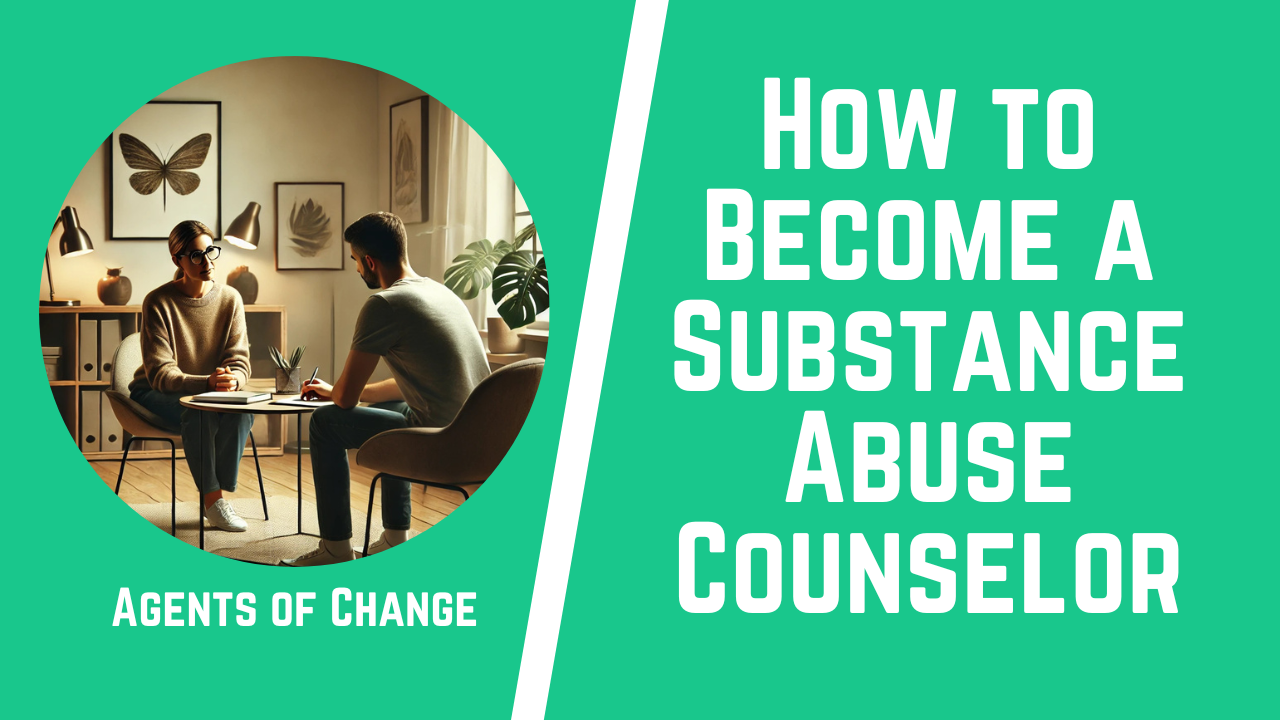
Substance abuse is a complex issue that affects millions of individuals and families, but with the right support, recovery is possible. If you’re someone who wants to make a meaningful impact by helping others break free from addiction, becoming a substance abuse counselor might be the career path for you. This role is deeply rewarding, offering you the chance to guide people toward healthier, more fulfilling lives.
As a substance abuse counselor, you’ll work directly with individuals struggling with addiction, providing them with the tools and support they need to manage their dependency. From individual therapy sessions to group counseling, the work you do will be instrumental in helping clients overcome their challenges and rebuild their lives. But how do you get started in this profession? What are the necessary steps, qualifications, and skills required to become a substance abuse counselor?
In this blog post, we’ll break down how to become a substance abuse counselor, from the education you’ll need to the practical experience that will set you up for success. We’ll also explore the vital role of continuing education in maintaining your credentials and staying up-to-date with the latest developments in the field. Let’s get started on your path to becoming a substance abuse counselor and making a real difference in the lives of those battling addiction.
Did you know? Agents of Change Continuing Education offers Unlimited Access to 150+ ASWB and NBCC-approved CE courses for one low annual fee to meet your state’s requirements for Continuing Education credits and level up your career.
We’ve helped thousands of Social Workers, Counselors, and Mental Health Professionals with Continuing Education, learn more here about Agents of Change and claim your 5 free CEUs.
1) What Is a Substance Abuse Counselor?
A substance abuse counselor is a trained professional who specializes in helping individuals overcome addiction to drugs, alcohol, or other harmful substances. These counselors provide emotional support, develop treatment plans, and guide clients through the recovery process.

They play a critical role in the rehabilitation of individuals by offering therapeutic techniques that address both the physical and psychological aspects of addiction. Substance abuse counselors work with people from all walks of life, dealing with issues that extend beyond just substance use, such as mental health disorders, family dynamics, and social problems.
In this section, we’ll break down the role of a substance abuse counselor into various key areas, giving you a detailed look at what this job entails and how you can make a meaningful difference in people’s lives.
Key Responsibilities of a Substance Abuse Counselor
Substance abuse counselors wear many hats, taking on different roles depending on the needs of their clients. Here are some of the most common responsibilities:
-
Assessment and Diagnosis: The first step in counseling is often assessing a client’s substance use and identifying any co-occurring mental health disorders. Counselors use diagnostic tools to determine the severity of addiction and its underlying causes.
-
Treatment Planning: Based on the assessment, counselors create personalized treatment plans tailored to each client’s unique needs. These plans might include individual therapy, group counseling, behavioral therapies, and sometimes referrals to inpatient or outpatient programs.
-
Counseling Sessions: Counseling can take the form of one-on-one sessions, group therapy, or family counseling. During these sessions, counselors help clients identify their triggers, develop coping mechanisms, and build the skills needed to resist relapse.
-
Education: Substance abuse counselors provide educational resources about addiction and its impact. They help clients understand how substance use affects their physical and mental health, while also teaching strategies for long-term recovery.
-
Crisis Intervention: Sometimes, counselors are called upon to provide immediate support during moments of crisis, whether it’s a client experiencing withdrawal symptoms, contemplating relapse, or facing personal emergencies.
The Therapeutic Approach
Substance abuse counselors typically use a variety of therapeutic approaches depending on the client’s specific needs. Here are a few of the most common:
-
Cognitive Behavioral Therapy (CBT): This is one of the most widely used approaches in addiction counseling. CBT helps clients recognize and change negative thought patterns and behaviors that contribute to their substance use.
-
Motivational Interviewing (MI): Motivational interviewing focuses on enhancing the client’s motivation to change. The counselor works collaboratively with the client to explore their ambivalence toward recovery and encourage them to take ownership of their healing process.
-
12-Step Facilitation Therapy: Some substance abuse counselors incorporate principles from 12-step programs, such as Alcoholics Anonymous (AA) or Narcotics Anonymous (NA), into their practice. This approach emphasizes peer support and accountability in recovery.
-
Trauma-Informed Care: Many clients struggling with substance abuse have a history of trauma, which may be a key factor in their addiction. Trauma-informed care recognizes this and integrates strategies that address both trauma and substance use in a holistic manner.
Types of Clients Substance Abuse Counselors Work With
The types of clients substance abuse counselors work with can vary widely. While addiction impacts people from all backgrounds, each client’s circumstances, substance use patterns, and mental health status will differ. Here are some of the specific populations you may encounter as a substance abuse counselor:
-
Adolescents: Teenagers and young adults face unique challenges related to peer pressure, identity development, and sometimes unstable family environments. Counseling adolescents often requires a different approach, one that focuses on building trust and addressing underlying emotional or developmental issues.
-
Veterans: Many veterans struggle with addiction due to trauma or post-traumatic stress disorder (PTSD). Veterans may require specialized counseling that addresses both their mental health and substance use in the context of their military experiences.
-
Individuals with Co-Occurring Disorders: Also known as dual-diagnosis clients, these individuals have both a substance use disorder and a mental health disorder, such as depression, anxiety, or bipolar disorder. Treating co-occurring disorders requires integrated treatment plans that address both issues simultaneously.
-
Families of Addicted Individuals: In some cases, substance abuse counselors also work with the families of those suffering from addiction. Family counseling helps loved ones understand addiction, repair damaged relationships, and establish boundaries that support the recovery process.
The Importance of Support and Relapse Prevention
While the primary goal of a substance abuse counselor is to help clients stop using drugs or alcohol, the work doesn’t stop there. Long-term recovery requires ongoing support, which is why relapse prevention is a central focus of counseling. Substance abuse counselors teach clients how to:
-
Identify Triggers: Whether it’s stress, social situations, or specific emotional states, knowing what triggers substance use is essential for preventing relapse.
-
Build Healthy Coping Strategies: Counselors help clients replace substance use with healthier coping mechanisms, such as exercise, meditation, or engaging in hobbies.
-
Develop a Strong Support Network: Recovery is often a team effort. Counselors encourage clients to lean on family, friends, and support groups as they navigate the challenges of sobriety.
-
Create a Relapse Prevention Plan: Many counselors work with clients to develop a detailed plan that outlines what to do in the event of a relapse, ensuring that setbacks don’t turn into full-blown relapses.
Why Substance Abuse Counseling Is a Growing Field
The demand for substance abuse counselors has steadily increased in recent years, driven by several factors:
-
Rising Addiction Rates: With the opioid epidemic and increasing alcohol and drug use during stressful times like the COVID-19 pandemic, the need for qualified professionals who can address substance abuse is greater than ever.
-
Mental Health Awareness: There is a growing recognition of the importance of mental health, and more people are seeking help for issues related to both mental health and substance use. Counselors who are equipped to address these co-occurring disorders are in high demand.
-
Rehabilitation Programs: Both private and government-supported rehabilitation programs are expanding, and they need trained substance abuse counselors to lead treatment efforts and provide continuous support to clients in recovery.
Career Opportunities and Work Settings

Substance abuse counselors have the flexibility to work in a wide range of settings, depending on their interests and qualifications. Some common work environments include:
-
Rehabilitation Centers: These facilities offer both inpatient and outpatient care, providing structured treatment programs where substance abuse counselors play a central role.
-
Hospitals: Counselors in hospitals may work in psychiatric units, emergency rooms, or departments dedicated to addiction treatment and behavioral health.
-
Non-Profit Organizations: Many non-profits are dedicated to providing free or low-cost counseling services to underserved communities. Substance abuse counselors working in this space often focus on prevention, intervention, and community outreach.
-
Criminal Justice System: Some counselors work with individuals who are incarcerated or on probation, helping them manage addiction and reduce recidivism rates through targeted treatment programs.
-
Private Practice: After becoming fully licensed, some counselors choose to open their own practice, providing personalized counseling to clients on a flexible schedule.
The Emotional Rewards and Challenges of the Job
Becoming a substance abuse counselor is both emotionally rewarding and challenging. Here are some aspects of the job you might experience:
-
Rewarding: The ability to witness someone’s transformation from addiction to recovery is an incredibly fulfilling experience. Counselors get to see firsthand the positive impact of their work and help clients reclaim their lives.
-
Challenging: On the flip side, relapse is common in addiction recovery, and counselors often face emotional highs and lows when working with clients. It requires resilience and a strong support network to navigate these challenges.
In the end, substance abuse counseling is a career where the successes far outweigh the setbacks, and for those who are passionate about helping others, the emotional rewards are worth every challenge.
Learn more about Agents of Change Continuing Education. We’ve helped thousands of Social Workers, Counselors, and Mental Health Professionals with their Continuing Education and want you to be next!
2) Steps to Becoming a Substance Abuse Counselor
The journey to becoming a substance abuse counselor requires dedication, education, practical experience, and a commitment to ongoing learning. Each step you take will equip you with the knowledge, skills, and credentials needed to effectively guide individuals through their recovery from addiction.
While the exact path may vary depending on your location and career goals, there are some common milestones that most aspiring counselors will need to achieve. In this section, we’ll break down the essential steps to becoming a substance abuse counselor and provide insights into what you can expect along the way.
1. Earn a Bachelor’s Degree in a Relevant Field
The first step toward becoming a substance abuse counselor is earning a bachelor’s degree, typically in psychology, social work, counseling, or a related field. This foundational education is crucial because it provides you with a broad understanding of human behavior, mental health, and the societal impacts of addiction. In your undergraduate program, you’ll take courses that explore:
-
Psychology: Understanding the fundamentals of how the human mind works is essential in counseling. You’ll study theories of personality, cognitive development, and abnormal psychology.
-
Social Work: If you choose to pursue a degree in Social Work, you’ll learn about human services, case management, and working with vulnerable populations. Many substance abuse counselors have a background in social work due to the holistic approach this field offers.
-
Addiction Studies: Some universities offer specific concentrations or minors in addiction studies, where you’ll learn about the causes, symptoms, and treatments of substance use disorders.
While a bachelor’s degree alone may qualify you for some entry-level positions, such as a counseling assistant or a recovery coach, it’s often just the first step in becoming a licensed substance abuse counselor.
2. Gain Practical Experience Through Internships or Volunteering
While pursuing your bachelor’s degree, it’s essential to gain hands-on experience working with individuals dealing with substance use issues. Many degree programs offer internships or practicum placements that allow you to work directly with clients in supervised settings. This real-world experience is invaluable because it helps you:
- Develop strong communication and active listening skills
- Learn how to handle difficult situations, such as crisis interventions
- Observe how licensed counselors create treatment plans and conduct therapy sessions
- Build empathy and resilience by working with clients who are often at a vulnerable point in their lives
In addition to formal internships, you can also volunteer at local addiction treatment centers, hospitals, or non-profit organizations that offer substance abuse services. Volunteering not only gives you practical experience but also helps you network with professionals in the field, potentially opening doors for future employment opportunities.
3. Earn a Master’s Degree (Optional but Highly Recommended)
While some substance abuse counselor positions may only require a bachelor’s degree and certification, pursuing a master’s degree significantly enhances your job prospects and gives you a deeper level of expertise. Many employers, especially in clinical settings, prefer or require candidates to hold a master’s degree in counseling, psychology, or social work.
Why Consider a Master’s Degree?
A master’s degree allows you to specialize in areas like addiction counseling, mental health counseling, or clinical social work. It also provides advanced training in therapeutic techniques, such as Cognitive Behavioral Therapy (CBT), Motivational Interviewing (MI), and group therapy facilitation.
These skills are essential for effectively treating clients with substance use disorders. Additionally, most states require a master’s degree for higher levels of licensure, which allows you to practice independently and take on more responsibility in clinical settings.
Common master’s degree programs for aspiring substance abuse counselors include:
-
Master of Social Work (MSW): This degree is ideal if you’re interested in taking a holistic approach to counseling, focusing not only on the individual but also on their environment, family, and community. MSW programs typically include coursework on clinical practice, substance use, and mental health.
-
Master’s in Counseling: With a concentration in addiction or mental health, this degree prepares you to provide therapeutic services in a variety of settings, including private practice, rehabilitation centers, and hospitals.
-
Master’s in Psychology: If you’re interested in understanding the deeper psychological mechanisms behind addiction, a master’s in psychology can provide you with the knowledge and skills to conduct therapy, research, and assessment in the field.
4. Complete Supervised Clinical Experience
To become a licensed substance abuse counselor, you’ll need to complete a certain number of supervised clinical hours. The specific requirements vary by state, but it’s common to complete anywhere from 2,000 to 4,000 hours of supervised work before you’re eligible for licensure. This phase of training is often referred to as a practicum or internship and is typically part of your master’s degree program.

What to Expect During Supervised Clinical Experience
During your supervised clinical experience, you’ll work directly with clients under the guidance of a licensed counselor or supervisor. You’ll have the opportunity to:
-
Conduct Client Assessments: Learn how to evaluate a client’s substance use and determine the severity of their addiction.
-
Develop Treatment Plans: Work with clients to create personalized plans that address their unique needs, whether through one-on-one therapy, group sessions, or referral to other services.
-
Provide Counseling Services: Practice delivering therapy to individuals, groups, and families, helping them navigate the challenges of addiction recovery.
-
Receive Feedback: Your supervisor will provide ongoing feedback, helping you refine your counseling techniques, improve your communication skills, and develop your professional identity as a counselor.
Completing these supervised hours is not only a legal requirement but also a critical part of your professional development. This hands-on experience allows you to build confidence and competence in your ability to help clients with substance use disorders.
5. Obtain Licensure or Certification
Licensure is a crucial step in becoming a substance abuse counselor, as it allows you to practice independently and provides legal recognition of your qualifications. Licensing requirements vary by state, but most include the following:
-
Completion of Required Education: At least a bachelor’s degree, and in many cases, a master’s degree in counseling, social work, or a related field.
-
Supervised Clinical Hours: As mentioned earlier, you’ll need to complete a specific number of supervised clinical hours to qualify for licensure.
-
Passing a Licensing Exam: Many states require substance abuse counselors to pass a state-approved exam. Common exams include:
-
National Certified Counselor (NCC): Offered by the National Board for Certified Counselors (NBCC), this exam assesses your general counseling knowledge and skills.
-
Alcohol and Drug Counselor (ADC) Exam: Offered by the International Certification & Reciprocity Consortium (IC&RC), this exam specifically tests your knowledge of substance use disorders and addiction treatment.
-
-
State-Specific Requirements: Some states have their own specific exams or additional requirements, so be sure to check with your state’s licensure board.
Once you’re licensed, you’ll be legally able to provide counseling services and bill insurance companies for your work. However, licensure isn’t a one-time accomplishment—most states require counselors to renew their licenses periodically through continuing education.
6. Maintain Licensure Through Continuing Education
After obtaining your license, it’s important to stay current in the field of substance abuse counseling through continuing education (CE). Continuing education ensures that you’re up to date with the latest research, techniques, and ethical standards in addiction counseling.
-
State Requirements: Most states require counselors to complete a certain number of CE credits every 1-3 years in order to renew their licenses. The number of credits required varies by state, but it typically ranges from 20 to 40 hours.
-
Agents of Change Continuing Education: One way to meet your CE requirements is through online platforms like Agents of Change Continuing Education. With over 150 ASWB and NBCC-approved courses, this organization offers convenient, affordable options for earning your CE credits. Whether you’re a Social Worker, Counselor, or Mental Health Professional, their courses will keep you informed on the latest trends and best practices in addiction treatment.
Benefits of Continuing Education
Continuing education isn’t just about fulfilling state requirements—it’s also about growing as a professional. By staying current on new therapies, treatment models, and ethical guidelines, you’ll be able to provide better care to your clients and enhance your career opportunities. Topics you might explore through continuing education include:
- Advances in addiction research and neuroscience
- New therapeutic techniques, such as trauma-informed care
- Ethical issues in addiction treatment, such as confidentiality and dual relationships
- Cultural competence and working with diverse populations
7. Specialize and Advance Your Career
Once you’re licensed and practicing as a substance abuse counselor, you may choose to specialize in a particular area or population. Specializations allow you to focus on a niche area of substance abuse counseling, making you more marketable and opening up additional career opportunities. Some common specializations include:
-
Adolescent Addiction Counseling: Focusing on the unique challenges faced by teens and young adults struggling with substance use.
-
Veteran Addiction Counseling: Working with veterans who may be dealing with PTSD and substance use disorders.
-
Dual-Diagnosis Counseling: Specializing in treating clients with co-occurring mental health and substance use disorders.
With experience, you can also advance your career by taking on leadership roles, such as becoming a clinical supervisor, program director, or opening your own private practice.
Becoming a substance abuse counselor is a step-by-step process that involves academic preparation, practical experience, licensure, and ongoing professional development. Each step brings you closer to making a real difference in the lives of individuals struggling with addiction.
Whether you’re just starting out or are ready to pursue advanced certifications and specializations, this career path offers both personal fulfillment and professional growth. Keep in mind the importance of continuing education and staying current in this ever-evolving field with resources like Agents of Change Continuing Education. The journey may be challenging, but the opportunity to help others transform their lives makes it all worth it.
We’ve helped thousands of Social Workers, Counselors, and Mental Health Professionals with Continuing Education, learn more here about Agents of Change and claim your 5 free CEUs!
3) Essential Skills for Substance Abuse Counselors
Being a substance abuse counselor requires more than just academic knowledge and certification; it demands a unique set of interpersonal, emotional, and professional skills.
These skills allow counselors to connect with clients, manage complex emotions, and guide individuals through the often-difficult process of recovery. In this section, we’ll explore some of the essential skills for substance abuse counselors, highlighting why each one is important and how it contributes to success in this challenging but rewarding field.
1. Empathy and Compassion
One of the most crucial skills for any counselor, especially those working with individuals battling addiction, is empathy. Clients often feel vulnerable, ashamed, or isolated due to their substance use. As a counselor, it’s your job to create a non-judgmental and supportive environment where clients feel understood and accepted.
-
Why It’s Important: Empathy allows you to see the world from your client’s perspective, which helps build trust and rapport. This is critical for individuals struggling with addiction, who may have experienced stigma or rejection in other areas of their lives.
-
How It’s Used: When a client shares their struggles, you listen not just to the words but to the emotions behind them. You validate their feelings, offer reassurance, and show them that recovery is possible without passing judgment.
-
Tip: Practice active listening, where you focus entirely on the client’s words and body language, and respond with empathetic statements like, “It sounds like you’ve been through a lot,” or “I can see how that must have been difficult for you.”
2. Active Listening
Active listening goes beyond simply hearing what a client says. It involves fully engaging with the conversation, picking up on emotional cues, and providing thoughtful responses that encourage further exploration. This skill helps you gather important information about the client’s addiction and emotional state, which is vital for creating effective treatment plans.
-
Why It’s Important: Many clients may feel that their voices have not been heard throughout their struggle with addiction. By listening actively, you show them that their experiences matter and that you’re fully present in their journey toward recovery.
-
How It’s Used: Active listening involves asking open-ended questions, reflecting on what the client has said, and summarizing key points to show that you’re following their narrative closely. You might say, “You mentioned feeling anxious when you’re around certain people—can you tell me more about that?”
-
Tip: Avoid interrupting the client or offering solutions too quickly. Sometimes, the most important thing you can do is simply allow them to talk through their feelings.
3. Communication Skills
Clear and effective communication is essential for substance abuse counselors, whether you’re leading a group therapy session, explaining treatment plans, or discussing sensitive issues with clients and their families. You need to be able to convey complex ideas in a way that’s easy for clients to understand and ensure that you’re providing clear instructions and feedback.
-
Why It’s Important: Many clients may not be familiar with therapeutic concepts or medical terminology. Being able to explain these in simple terms helps demystify the recovery process and empowers clients to engage with their treatment.
-
How It’s Used: Good communication skills are used in one-on-one counseling sessions, group therapy, and even in written reports or treatment plans. You must be able to explain the reasons behind certain therapeutic strategies and discuss potential outcomes with clients.
-
Tip: Tailor your communication style to fit the client’s level of understanding. For example, when working with adolescents, you may need to simplify explanations even further, while adults with more life experience may appreciate a deeper discussion.
4. Patience and Resilience
Recovery from addiction is rarely linear. Clients may experience setbacks, relapses, or periods of slow progress. As a substance abuse counselor, patience is key to helping clients stay the course, even when challenges arise. You also need resilience to handle the emotional toll that comes with working in this field.
-
Why It’s Important: Substance abuse counseling can be emotionally taxing, especially when clients face repeated setbacks. Patience allows you to stay calm and focused, even when progress seems slow or non-existent. Resilience helps you cope with the emotional demands of the job, so you don’t burn out.
-
How It’s Used: When a client relapses, instead of expressing frustration, you encourage them to see it as part of the recovery process and help them strategize for the future. You also maintain your own emotional well-being by setting professional boundaries and practicing self-care.
-
Tip: Adopt a mindset that recognizes recovery as a journey, not a destination. Celebrate small victories, and help clients reframe setbacks as opportunities for learning and growth.
5. Problem-Solving and Critical Thinking
Each client you work with will have a unique set of circumstances that contribute to their addiction. No two cases are exactly alike, which means you’ll need strong problem-solving and critical thinking skills to develop personalized treatment plans that address the root causes of substance use.
-
Why It’s Important: Addiction often coexists with other issues, such as mental health disorders, family conflict, or trauma. As a counselor, you’ll need to assess the full scope of a client’s challenges and create a plan that addresses both the addiction and these underlying factors.
-
How It’s Used: Problem-solving skills come into play when you’re crafting treatment plans, adjusting therapy strategies based on client feedback, or finding resources for clients who may face financial, legal, or family-related challenges.
-
Tip: Stay flexible and be willing to adapt your approach if something isn’t working. If a client isn’t responding well to a particular form of therapy, explore alternatives that might resonate better with them.
6. Boundary Setting and Ethical Awareness
As a substance abuse counselor, setting boundaries is crucial for both your own mental health and the well-being of your clients. At times, clients may test boundaries due to the nature of their addiction or emotional state, and it’s your responsibility to maintain a professional relationship. Additionally, ethical awareness helps you navigate difficult situations involving confidentiality, dual relationships, and other potential dilemmas.
-
Why It’s Important: Boundaries protect both you and your clients from developing unhealthy dynamics. Ethical awareness ensures that you provide the highest standard of care while respecting the rights and autonomy of your clients.
-
How It’s Used: In practice, boundary setting might involve maintaining professional distance in relationships with clients, keeping work and personal life separate, and knowing when to refer a client to another specialist. Ethical awareness guides your decisions regarding client confidentiality, particularly when dealing with sensitive issues like mandatory reporting.
-
Tip: Familiarize yourself with the ethical guidelines set by your state’s licensure board and professional organizations such as the National Association for Alcoholism and Drug Abuse Counselors (NAADAC). These guidelines provide a framework for navigating ethical challenges in your practice.
7. Cultural Competence
Substance abuse impacts individuals from all cultural, racial, and socioeconomic backgrounds, and each client brings their own set of values, beliefs, and experiences. Being culturally competent means understanding and respecting these differences, and adapting your counseling approach accordingly.
-
Why It’s Important: Cultural competence allows you to provide more effective and personalized care by acknowledging the role that culture plays in your clients’ lives. This is especially important when working with clients from marginalized communities who may face additional barriers to treatment.
-
How It’s Used: You might adapt your counseling techniques to align with a client’s cultural values or beliefs, recognize the impact of systemic issues (such as racism or poverty) on their addiction, and work to build trust with clients who may have experienced discrimination in the healthcare system.
-
Tip: Take continuing education courses that focus on cultural competence and working with diverse populations. Resources like Agents of Change Continuing Education offer courses that can help you develop these skills.
Becoming an effective substance abuse counselor requires a diverse set of skills that go beyond academic qualifications. Empathy, communication, problem-solving, and resilience are just a few of the essential qualities you’ll need to succeed in this field.
Additionally, cultural competence, ethical awareness, and boundary setting will ensure that you provide compassionate and professional care to each client. By mastering these skills, you’ll be better equipped to guide individuals through their recovery and make a lasting difference in their lives.
4) Where Can Substance Abuse Counselors Work?
Substance abuse counselors have the flexibility to work in a variety of settings, each offering unique opportunities and challenges. Depending on your interests, qualifications, and career goals, you could find yourself working in healthcare facilities, educational institutions, non-profits, or even the criminal justice system.
Each work environment allows you to support individuals on their journey to recovery, but the role you play and the population you serve may vary. In this section, we’ll explore the most common places where substance abuse counselors work, giving you a better understanding of the career paths available in this field.
1. Rehabilitation Centers
Rehabilitation centers are one of the most common places where substance abuse counselors work. These facilities offer structured treatment programs for individuals recovering from drug or alcohol addiction, and they can be either inpatient or outpatient.
-
Inpatient Rehabilitation Centers: Inpatient rehab centers provide residential treatment for clients who need intensive, around-the-clock care. Counselors in these settings often work with clients for extended periods, guiding them through detox, individual therapy, group sessions, and relapse prevention strategies.
-
Outpatient Rehabilitation Centers: Outpatient facilities offer treatment programs that allow clients to live at home while attending therapy sessions multiple times a week. Counselors in outpatient settings typically work with clients who have completed inpatient treatment or those who require less intensive support.
Key Responsibilities in Rehabilitation Centers
Substance abuse counselors working in rehabilitation centers play a vital role in helping clients navigate the different stages of recovery. Their responsibilities may include:
- Conducting intake assessments to evaluate the severity of the client’s addiction
- Developing and updating individualized treatment plans
- Leading individual and group therapy sessions focused on coping strategies, relapse prevention, and self-awareness
- Collaborating with medical staff, psychiatrists, and other professionals to address co-occurring disorders and holistic treatment approaches
- Providing education on addiction and recovery for both clients and their families
2. Hospitals and Healthcare Facilities
Hospitals and healthcare facilities also employ substance abuse counselors, particularly in departments that focus on behavioral health and addiction treatment. In these settings, counselors may work with patients experiencing a range of medical issues related to substance use, such as overdoses, withdrawal symptoms, or co-occurring mental health conditions.
-
Psychiatric Units: Some hospitals have specialized psychiatric or behavioral health units where counselors collaborate with psychiatrists, psychologists, and other mental health professionals to treat patients with severe substance use disorders and mental health challenges.
-
Emergency Departments: Counselors may be called upon in emergency rooms to provide crisis intervention for patients admitted due to substance-related emergencies, such as overdoses or accidents caused by intoxication.
Key Responsibilities in Hospitals
In hospital and healthcare settings, substance abuse counselors are often part of a larger multidisciplinary team. Their responsibilities may include:
- Conducting brief interventions and assessments for patients who present with substance use issues
- Providing immediate counseling and emotional support for individuals in crisis situations
- Referring patients to appropriate inpatient or outpatient addiction treatment programs
- Coordinating follow-up care, including medical detoxification and aftercare services
- Educating patients about the physical and psychological effects of substance use and the importance of long-term recovery plans
3. Private Practice
After becoming fully licensed, many substance abuse counselors choose to open their own private practices. This career path offers more autonomy and flexibility, allowing counselors to set their own schedules, choose the clients they work with, and design personalized treatment approaches. Counselors in private practice often work with individuals, couples, or families affected by addiction.
Advantages of Working in Private Practice
-
Flexibility: You can decide your own hours and the number of clients you take on, which offers a great work-life balance.
-
Personalized Treatment: Private practice allows you to create tailored treatment plans that align with your personal counseling philosophy and the specific needs of your clients.
-
Financial Independence: Although starting a private practice requires an initial investment, it can be financially rewarding in the long run as you set your own fees for services.
Key Responsibilities in Private Practice
In private practice, you’ll wear multiple hats, not only serving as a counselor but also managing the administrative side of the business. Your responsibilities may include:
- Conducting intake assessments and developing personalized treatment plans
- Providing ongoing individual therapy and, in some cases, family counseling
- Offering specialized services such as relapse prevention, trauma-informed care, or support for co-occurring mental health disorders
- Managing billing, insurance claims, and scheduling appointments
- Marketing your services to attract new clients and maintain a steady flow of business
4. Non-Profit Organizations and Community Outreach Programs
Many non-profit organizations and community outreach programs focus on providing addiction counseling and recovery services to underserved populations. These organizations often offer free or low-cost treatment to individuals who might not otherwise have access to professional care. Counselors working in these settings frequently deal with complex cases, as many clients face additional challenges such as homelessness, poverty, or a lack of social support.
Key Responsibilities in Non-Profit and Community Settings
Substance abuse counselors working in non-profits often have a broader role, focusing not only on addiction treatment but also on addressing the societal factors that contribute to substance use. Their responsibilities may include:
- Conducting outreach and providing services to vulnerable populations, such as the homeless or those recently released from incarceration
- Leading educational workshops on addiction, prevention, and harm reduction
- Offering counseling services within shelters, drop-in centers, or mobile clinics
- Coordinating with social workers, housing agencies, and legal aid to address clients’ broader needs
- Advocating for clients within the community and connecting them to resources like job training, housing, or healthcare
Non-profit organizations often serve as a lifeline for individuals in marginalized communities, making this type of work deeply rewarding for counselors who want to make a broader societal impact.
5. Criminal Justice System
Substance abuse counselors are also in demand within the criminal justice system, where they work with individuals who are incarcerated or on probation and parole. Many people involved with the justice system have substance use disorders, and counselors in this environment provide critical support to help reduce recidivism and promote rehabilitation.
-
Correctional Facilities: Counselors in prisons and jails work with inmates who have substance use disorders, providing treatment during their incarceration and helping prepare them for reintegration into society.
-
Probation and Parole Programs: Counselors may also work with individuals who are on probation or parole, helping them navigate their recovery while complying with court-ordered treatment programs.
Key Responsibilities in Criminal Justice Settings
Working within the criminal justice system involves balancing addiction counseling with the legal and regulatory requirements of the justice system. Counselors in this environment are tasked with:
- Providing substance abuse assessments for individuals in the legal system
- Developing treatment plans as part of rehabilitation efforts, often required by the court
- Leading individual and group therapy sessions focused on substance use and criminal behavior
- Collaborating with probation officers, legal professionals, and corrections staff to monitor client progress
- Helping clients transition back into society by offering relapse prevention strategies and connecting them with community resources
This setting offers a unique opportunity to help individuals break the cycle of addiction and criminal behavior, leading to more positive outcomes for both the clients and the broader community.
6. Schools and Universities
Educational institutions, including both K-12 schools and universities, employ substance abuse counselors to support students struggling with addiction or substance use. In schools, counselors may focus on prevention and early intervention, while at the university level, they might deal with more severe cases of substance use among young adults.
Key Responsibilities in Educational Settings
In schools and universities, substance abuse counselors play a critical role in shaping the well-being and future of students. Their responsibilities may include:
- Conducting assessments to identify students at risk of substance use or those already struggling with addiction
- Providing one-on-one counseling to help students develop healthy coping mechanisms
- Leading prevention programs aimed at educating students about the dangers of drug and alcohol use
- Collaborating with teachers, parents, and administrators to develop school-wide initiatives that promote mental health and substance use prevention
- Offering crisis intervention and referrals for students who require more intensive treatment
Counselors in educational settings play a pivotal role in guiding young people toward healthier choices and helping them avoid the long-term consequences of substance abuse.
Substance abuse counselors have a wide range of career opportunities, with the flexibility to work in settings that align with their interests, skills, and career goals. Whether you prefer the structure of a rehabilitation center, the independence of private practice, or the community focus of a non-profit, the field offers something for everyone.
In each of these settings, counselors make a profound impact by helping individuals navigate the challenges of addiction, providing the support needed for long-term recovery, and contributing to the overall well-being of society.
5) FAQs – How to Become a Substance Abuse Counselor
Q: What are the educational requirements to become a substance abuse counselor?
A: To become a substance abuse counselor, the minimum educational requirement is typically a bachelor’s degree in a related field, such as psychology, social work, or counseling. However, many states and employers prefer or require counselors to hold a master’s degree, especially for higher-level positions or clinical roles.
A master’s degree in counseling, social work, or a similar discipline offers more specialized training in addiction counseling, mental health, and therapeutic techniques. Additionally, substance abuse counselors must complete supervised clinical hours and pass state-specific licensing exams. Be sure to check your state’s licensing requirements, as they can vary.
Q: How long does it take to become a licensed substance abuse counselor?
A: The time it takes to become a licensed substance abuse counselor depends on your chosen educational path and the state-specific requirements. On average, it takes about 4-6 years. This includes 4 years to earn a bachelor’s degree and potentially an additional 2-3 years for a master’s degree, if required.
After completing your education, you will need to fulfill supervised clinical hours, which can take another 1-2 years, depending on your program and state requirements. Finally, you must pass a licensing exam to officially become a licensed counselor. Continuing education is required throughout your career to maintain licensure.
Q: Can I specialize in a particular area of substance abuse counseling?
A: Yes, substance abuse counselors can specialize in a variety of areas depending on their interests and the populations they want to serve. Common specializations include working with adolescents, veterans, individuals with co-occurring mental health disorders (dual diagnosis), or specific substance use disorders (e.g., opioid addiction).
Specializing can increase your career opportunities and allow you to develop expertise in treating particular groups or conditions. You can pursue specialized training through continuing education programs like those offered by Agents of Change Continuing Education, which provides courses approved for Social Workers, Counselors, and Mental Health Professionals.