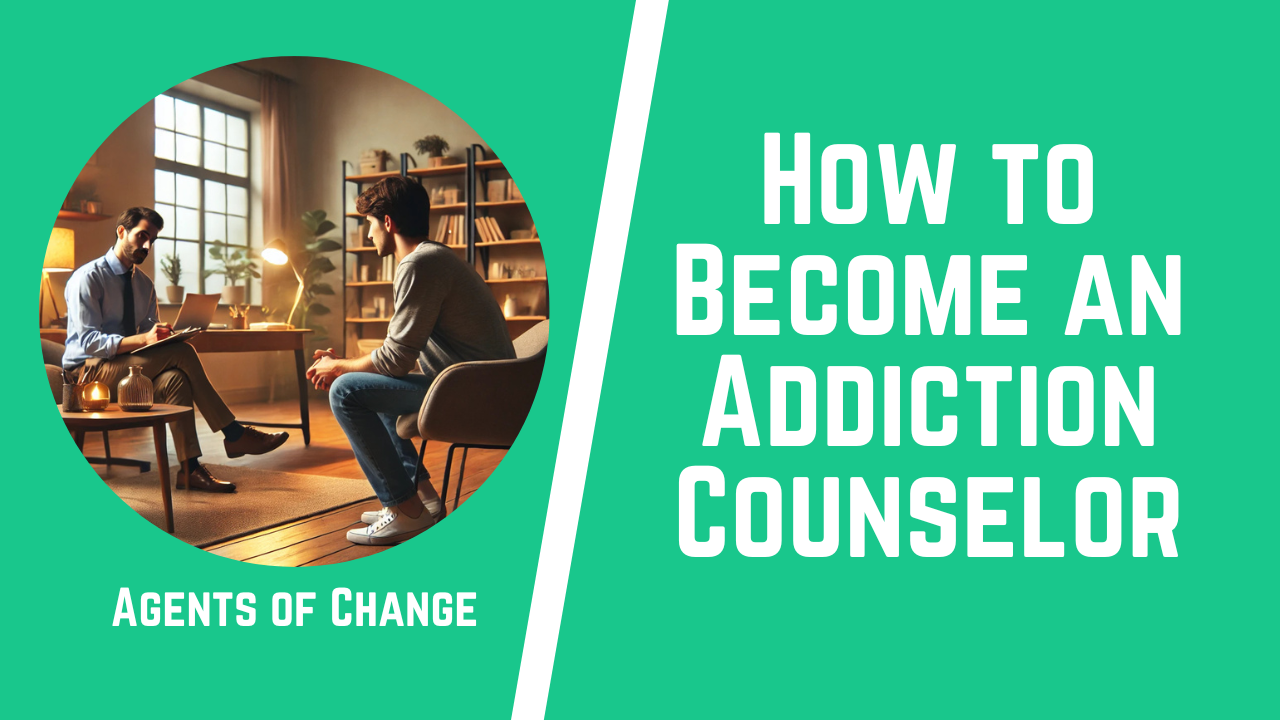
Addiction counseling is more than just a career; it’s a mission to change lives. If you’ve ever felt the call to help people break free from the grip of addiction, you’ve likely wondered, “How do I become an addiction counselor?” This guide will walk you through every step of that journey, from obtaining the right education and certifications to developing the skills that will help you make a real difference in your clients’ lives. Whether you’re just starting out or looking to advance in your current role, this post has everything you need to know.
Addiction counselors play a crucial role in helping individuals overcome substance abuse and behavioral addictions. They’re the ones who guide people through some of the darkest moments of their lives, offering not just professional advice but also compassion, hope, and encouragement.
With addiction issues continuing to rise globally, the demand for skilled addiction counselors has never been higher. And the good news? It’s a career that’s both fulfilling and attainable, with a clear path to entry.
In this blog post, we’ll cover the educational requirements, licensure, and certifications you’ll need, as well as the personal qualities that will make you an effective addiction counselor. We’ll also highlight the importance of continuing education and how resources like Agents of Change Continuing Education can support you as you navigate your career. So, if you’re ready to take the next step toward becoming an addiction counselor, let’s dive in!
Did you know? Agents of Change Continuing Education offers Unlimited Access to 150+ ASWB and NBCC-approved CE courses for one low annual fee to meet your state’s requirements for Continuing Education credits and level up your career.
We’ve helped thousands of Social Workers, Counselors, and Mental Health Professionals with Continuing Education, learn more here about Agents of Change and claim your 5 free CEUs.
1) What is Addiction Counseling?
Addiction counseling is a specialized field within mental health that focuses on helping individuals overcome substance use disorders and behavioral addictions. It involves guiding clients through the complex and often painful process of recovery, providing emotional support, and offering practical strategies for coping with addiction triggers.

Addiction counselors work with people who struggle with dependency on alcohol, drugs, gambling, or other compulsive behaviors, addressing the emotional, psychological, and behavioral aspects of these issues.
At its core, addiction counseling is about helping people regain control over their lives. Addiction can create a cycle of destructive behavior that’s difficult to break without professional help. As an addiction counselor, you offer that lifeline, giving clients the tools they need to manage their addiction and, ultimately, live healthier, more fulfilling lives. Let’s break down the key elements of addiction counseling and what it means to be in this vital role.
The Role of an Addiction Counselor
Addiction counselors do much more than just listen to their clients. They are active participants in their clients’ recovery journey, helping them navigate the complex emotions, social pressures, and psychological challenges that come with addiction.
The role can vary widely depending on the setting in which you work—whether it’s a rehabilitation center, a private practice, or even a hospital—but there are common responsibilities that define the job.
-
Assessment: One of the first steps in addiction counseling is assessing the client’s specific needs. This may involve conducting interviews, using standardized assessments, or reviewing medical and psychological history. The goal is to gain a deep understanding of the client’s addiction and its root causes.
-
Treatment Planning: After assessment, the next step is creating a personalized treatment plan. This plan may include individual therapy, group counseling, family therapy, and even referrals to medical or psychiatric care. Addiction counselors work with clients to develop goals for their recovery and create structured steps to achieve them.
-
Support During Recovery: Addiction counselors provide ongoing support to help clients stay on track. This includes helping them recognize their triggers, manage cravings, and develop coping strategies. Counseling sessions may explore deeper issues such as trauma, depression, or anxiety, which often contribute to addictive behavior.
-
Relapse Prevention: Preventing relapse is a major part of addiction counseling. Counselors work with clients to identify early warning signs of relapse and develop strategies to avoid returning to substance use. This might involve creating contingency plans for high-risk situations or providing clients with tools to manage stress in healthier ways.
Types of Addictions Addressed in Counseling
Addiction counselors may work with clients struggling with various forms of addiction. Some counselors specialize in a specific type of addiction, while others may take a more generalist approach. Here are some of the most common types of addiction that counselors address:
-
Substance Use Disorders (SUDs): This includes dependency on alcohol, prescription medications, and illicit drugs like cocaine, heroin, and methamphetamine. Substance use disorders often require both medical and psychological interventions.
-
Behavioral Addictions: Not all addictions involve substances. Behavioral addictions like gambling, sex addiction, and internet addiction are also treated in addiction counseling. These types of addictions often have similar emotional and psychological effects as substance use disorders.
-
Co-occurring Disorders: Many clients struggle with co-occurring mental health conditions such as depression, anxiety, PTSD, or bipolar disorder. Addiction counselors often need to address these co-occurring issues simultaneously to effectively treat the addiction.
The Importance of a Holistic Approach
Addiction doesn’t exist in a vacuum. It is often tied to emotional, psychological, social, and even physical factors that must be addressed for treatment to be effective. Addiction counselors take a holistic approach to care, considering all aspects of a client’s life when creating treatment plans. This approach may include:
- Emotional Health: Addressing underlying emotions like shame, guilt, and anger that may fuel the addiction.
- Social Support Systems: Encouraging clients to rebuild relationships with friends and family members, or to develop new, supportive networks.
- Physical Well-being: Working with medical professionals to manage any physical health issues related to the addiction, such as liver damage or nutritional deficiencies.
- Spiritual Growth: For some clients, exploring spiritual or philosophical beliefs can be an important part of the healing process.
This holistic view is essential because it recognizes that addiction is more than just a physical dependency. It touches every aspect of a person’s life, and recovery is more likely when treatment addresses all of these factors.
Techniques and Methods in Addiction Counseling
There are many different counseling techniques that addiction counselors use to help clients. Some of these techniques are evidence-based, meaning they have been proven effective through research, while others are more exploratory or experiential, depending on the needs of the client.

-
Cognitive Behavioral Therapy (CBT): CBT is one of the most widely used techniques in addiction counseling. It helps clients identify and change harmful thinking patterns that contribute to addictive behavior. By replacing negative thoughts with healthier, more productive ones, clients can break free from the mental traps that fuel their addiction.
-
Motivational Interviewing (MI): MI is a client-centered technique that helps individuals resolve ambivalence about their addiction and motivates them to change. It focuses on exploring a client’s desire to change while reinforcing their autonomy in the decision-making process.
-
12-Step Facilitation Therapy: This method is based on the principles of Alcoholics Anonymous and other 12-step programs. Addiction counselors may guide clients through the steps, encouraging them to take ownership of their recovery and build a support network.
-
Family Therapy: Addiction often impacts not just the individual but the entire family. In family therapy, the counselor works with the client and their loved ones to improve communication, rebuild trust, and address any co-dependency issues that may be present.
-
Group Therapy: In a group setting, clients share their experiences with others who are going through similar struggles. This can create a sense of community and reduce the isolation that many people feel during recovery. Group therapy is often used alongside individual counseling to provide clients with multiple levels of support.
The Benefits of Addiction Counseling
Addiction counseling offers numerous benefits to clients seeking recovery. It provides a structured environment where they can explore their emotions, develop coping strategies, and gain the tools necessary for lasting change. Here are just a few of the major benefits clients experience through addiction counseling:
-
Personalized Treatment Plans: Each client receives a treatment plan tailored to their unique situation, ensuring they get the specific help they need.
-
Emotional Support: Clients often feel isolated and overwhelmed by their addiction. Counseling provides a safe, non-judgmental space where they can share their struggles and work through their emotions.
-
Accountability: Regular counseling sessions offer clients accountability, keeping them focused on their recovery goals. Counselors help clients stay on track and encourage them through difficult times.
-
Skill Building: Addiction counseling isn’t just about addressing the immediate problem—it’s about equipping clients with lifelong skills to handle stress, triggers, and emotions in healthy ways.
-
Prevention of Relapse: Through relapse prevention techniques, clients learn how to recognize early signs of relapse and manage them effectively, increasing their chances of sustained recovery.
Understanding the role of addiction counseling is the first step toward making a meaningful impact in the lives of individuals struggling with addiction. Whether you’re considering this career path or simply seeking to understand more about the field, recognizing the intricacies of addiction counseling will help you appreciate the profound work these counselors do every day.
Learn more about Agents of Change Continuing Education. We’ve helped thousands of Social Workers, Counselors, and Mental Health Professionals with their Continuing Education and want you to be next!
2) How to Become an Addiction Counselor: The Step-by-Step Process
Becoming an addiction counselor is a fulfilling path that allows you to help individuals navigate the difficult journey of recovery from substance use and behavioral addictions. However, it’s not a career that can be entered without the proper qualifications and training.
Becoming an addiction counselor involves several essential steps, from education and clinical experience to certification and continuing education. Below, we detail each step to guide you through what’s required to pursue this rewarding profession.
1. Obtain the Necessary Education
Your journey to becoming an addiction counselor starts with formal education. While the exact educational requirements may vary depending on your state or country, a degree in a relevant field is a must. You can choose from several educational paths, depending on how specialized or advanced you want your role to be in addiction counseling.
Bachelor’s Degree
A bachelor’s degree is typically the minimum educational requirement for entry-level positions in addiction counseling. Many aspiring counselors earn a degree in fields such as:
- Psychology
- Social Work (Bachelor of Social Work, or BSW)
- Counseling
- Human Services
- Sociology
During a bachelor’s program, you’ll cover foundational subjects such as human development, counseling theories, behavioral psychology, and substance abuse treatment models. You might also take elective courses focusing on addiction counseling or related areas.
A bachelor’s degree allows you to qualify for support roles in addiction counseling, such as case management or addiction support specialist positions. However, to become a licensed addiction counselor, you will typically need to pursue further education.
Master’s Degree
Most states require a master’s degree for full licensure as an addiction counselor. Graduate programs offer more specialized training in addiction counseling, substance abuse, and mental health care. Common graduate degrees that prepare you for a career in addiction counseling include:
- Master of Science in Counseling with a focus on addiction or substance abuse
- Master of Social Work (MSW)
- Master’s in Psychology with a focus on addiction treatment

A master’s degree program typically takes two to three years to complete and includes advanced coursework in clinical assessment, group therapy, family therapy, crisis intervention, and ethical practices. Many programs also offer supervised internships or practicums where you can gain hands-on experience working directly with clients in addiction treatment settings.
Doctoral Programs (Optional)
While not necessary for most addiction counseling roles, a doctoral degree (Ph.D. or Psy.D.) can open doors to higher-level positions in research, teaching, or program administration. Doctoral programs typically focus on advanced counseling techniques, research methods, and leadership in addiction treatment. These programs are ideal if you want to specialize in academic research or pursue leadership roles within mental health or substance abuse treatment organizations.
2. Gain Supervised Clinical Experience
After completing your degree, the next step in becoming an addiction counselor is to gain practical experience through supervised clinical hours. Supervised experience is a crucial part of your training, as it allows you to apply the knowledge you’ve gained in a real-world setting under the guidance of a licensed professional.
Requirements for Supervised Hours
The exact number of supervised hours required can vary by state, but it typically ranges between 2,000 to 4,000 hours of direct client work. These hours are usually completed over the course of two to three years and must be completed in a clinical setting. During this time, you’ll work with clients under the supervision of an experienced addiction counselor or licensed mental health professional.
Some settings where you can gain supervised experience include:
- Substance abuse rehabilitation centers
- Outpatient clinics
- Mental health agencies
- Hospitals with substance abuse programs
- Private counseling practices
What You’ll Learn During Supervised Experience
Supervised clinical hours are invaluable for developing the practical skills necessary to succeed as an addiction counselor. You’ll work directly with clients, creating treatment plans, providing one-on-one counseling, conducting group therapy, and supporting clients through their recovery journey.
-
Assessment and Diagnosis: You’ll learn how to evaluate a client’s condition, including identifying co-occurring mental health disorders or any underlying trauma contributing to addiction.
-
Treatment Planning: You’ll develop personalized recovery plans that include therapy, group sessions, family involvement, and relapse prevention strategies.
-
Counseling Skills: This hands-on experience allows you to practice counseling techniques like Cognitive Behavioral Therapy (CBT), Motivational Interviewing (MI), and other evidence-based practices that are essential for helping clients overcome addiction.
3. Obtain Licensure or Certification
Once you have completed your education and supervised clinical experience, the next major step is obtaining licensure or certification. Licensure requirements vary by state, so it’s important to check the regulations where you plan to practice.
Certification Exams
In most states, becoming an addiction counselor requires passing a certification exam after completing your supervised experience. Some of the most commonly recognized certifications include:
- Licensed Chemical Dependency Counselor (LCDC) – Available in many states for those with specific training in substance use disorders.
- National Certified Addiction Counselor (NCAC) – Issued by the National Association for Alcoholism and Drug Abuse Counselors (NAADAC), this certification requires both a degree and clinical experience, along with passing an exam.
- Licensed Professional Counselor (LPC) – While not specific to addiction counseling, some states allow LPCs with a focus on substance use to become licensed addiction counselors.
Certification exams generally cover a range of topics, including ethics, counseling techniques, assessment, and treatment planning for substance use disorders.
Continuing Education Requirements
Most licensure boards also require you to complete continuing education units (CEUs) to maintain your certification. This means you’ll need to complete a certain number of CEU hours every few years to stay up to date on best practices in addiction treatment.
To make this process easier, organizations like Agents of Change Continuing Education offer a wide variety of ASWB and NBCC-approved courses specifically designed for Social Workers, addiction counselors, and mental health professionals. These courses allow you to stay informed about the latest developments in addiction treatment while fulfilling your CEU requirements.
4. Develop Specialized Skills
While education and clinical experience form the foundation of your career, success as an addiction counselor also relies heavily on soft skills and the ability to connect with clients on a deeper level. Here are some critical skills you’ll need to develop:
Empathy and Compassion
Addiction is often associated with intense feelings of shame and guilt, which can prevent clients from seeking help. Counselors must demonstrate empathy and compassion, creating a safe, non-judgmental space for clients to open up about their struggles.
Active Listening
Listening is one of the most essential skills in addiction counseling. Being able to listen attentively and respond thoughtfully helps you gain insights into your client’s challenges and needs, allowing for more effective treatment planning.
Problem-Solving and Critical Thinking
Each client’s situation is unique, and there’s no one-size-fits-all approach to addiction treatment. As a counselor, you’ll need strong problem-solving skills to develop customized treatment plans and address complex cases, especially those involving co-occurring disorders or trauma.
Patience and Resilience
Addiction recovery is rarely a linear process. Clients may face setbacks or relapses, and staying patient and supportive throughout their journey is vital. It’s also important to develop resilience and healthy boundaries to avoid burnout in this emotionally demanding field.
5. Pursue Continuing Education
Continuing education is not only required to maintain your licensure but also crucial for your growth as an addiction counselor. The field of addiction treatment is constantly evolving, with new research, therapy techniques, and treatment models emerging regularly. Staying updated through continuing education ensures that you provide the best care possible to your clients.
Continuing Education Courses
There are numerous continuing education courses available to addiction counselors that cover important topics such as:
-
Trauma-Informed Care: Understanding how trauma impacts addiction and using trauma-informed approaches in treatment.
-
Cultural Competence: Developing the skills to work effectively with clients from diverse backgrounds and cultures.
-
Crisis Intervention: Learning how to manage clients in immediate distress or danger, including strategies for de-escalating high-stress situations.
Courses like those offered by Agents of Change Continuing Education allow addiction counselors to meet licensure requirements, expand their knowledge, and refine their counseling skills.
The path to becoming an addiction counselor requires a combination of education, practical experience, certification, and the development of both professional and personal skills.
While the process may seem rigorous, it ultimately prepares you to take on the incredible responsibility of helping people rebuild their lives. With each step, from education to continuing development, you get closer to making a meaningful impact on individuals, families, and communities battling addiction.
We’ve helped thousands of Social Workers, Counselors, and Mental Health Professionals with Continuing Education, learn more here about Agents of Change and claim your 5 free CEUs!
3) The Role of Continuing Education
There’s a wide range of continuing education courses designed specifically for addiction counselors, covering everything from the latest treatment modalities to ethics and legal standards. Here’s a breakdown of the most relevant types of CE courses that can help you enhance your practice and meet licensing requirements.
1. Trauma-Informed Care
Trauma often plays a central role in addiction, and understanding how trauma impacts behavior is essential for effective treatment. Courses in trauma-informed care help counselors recognize the signs of trauma, create a safe therapeutic environment, and implement strategies that don’t re-traumatize the client.
- Key topics covered in trauma-informed care courses:
- The connection between trauma and substance abuse
- Developing trust and safety in the counseling relationship
- Techniques for addressing trauma while managing addiction
2. Cultural Competence
In today’s increasingly diverse world, addiction counselors need to be able to work effectively with clients from different cultural, racial, and socioeconomic backgrounds. Cultural competence courses help counselors become more aware of their own biases and provide them with tools to offer culturally sensitive care.
- Key topics covered in cultural competence courses:
- Understanding cultural differences in attitudes toward addiction and treatment
- Communication strategies for working with diverse populations
- Tailoring treatment plans to meet the needs of clients from various backgrounds
3. Ethics and Professional Boundaries
Ethical dilemmas can arise frequently in addiction counseling, from issues of confidentiality to handling dual relationships. Ethics courses ensure that counselors are up-to-date on the legal and ethical standards required to practice responsibly. These courses also help counselors maintain clear professional boundaries, which is essential for protecting both the client and counselor in therapeutic relationships.
- Key topics covered in ethics courses:
- Confidentiality and privacy in addiction counseling
- Ethical considerations in group therapy
- Managing boundaries in therapeutic settings, especially in small communities or digital environments
4. Co-Occurring Disorders (Dual Diagnosis)
Many clients who struggle with addiction also have co-occurring mental health disorders such as depression, anxiety, or PTSD. Courses in dual diagnosis treatment equip counselors with the skills to identify and treat both addiction and mental health conditions simultaneously, providing more comprehensive care.
- Key topics covered in co-occurring disorder courses:
- The interaction between mental health disorders and addiction
- Integrated treatment approaches
- Strategies for treating clients with severe mental health and addiction challenges
5. Relapse Prevention and Recovery Support
Preventing relapse is one of the most important aspects of addiction counseling. Continuing education courses in relapse prevention provide advanced strategies to help clients recognize and manage triggers, develop resilience, and create long-term recovery plans. These courses often explore the use of mindfulness, cognitive-behavioral techniques, and motivational interviewing to support clients in maintaining sobriety.
- Key topics covered in relapse prevention courses:
- Identifying and managing high-risk situations
- Building strong support networks
- Long-term planning for sustained recovery
Where to Find Continuing Education Opportunities
With the demand for ongoing learning in the addiction counseling field, numerous organizations offer high-quality continuing education courses. Whether you prefer in-person seminars, online courses, or webinars, there are options to suit your learning style.
Agents of Change Continuing Education
Agents of Change Continuing Education is a leading provider of ASWB and NBCC-approved courses for addiction counselors, Social Workers, and mental health professionals. With over 150 courses available, Agents of Change makes it easy for addiction counselors to fulfill their continuing education requirements while expanding their knowledge in relevant areas such as trauma, ethics, and cultural competence.
State Licensing Boards
Your state licensing board will have a list of approved continuing education providers and courses that meet state requirements. Be sure to check your board’s website for a comprehensive guide to acceptable CEUs in your state.
Professional Associations
Organizations like the National Association for Alcoholism and Drug Abuse Counselors (NAADAC) and the National Board for Certified Counselors (NBCC) offer continuing education opportunities for addiction counselors. Membership in these organizations can also provide access to webinars, conferences, and certification programs designed specifically for addiction professionals.
Continuing education isn’t just a requirement for maintaining your license as an addiction counselor—it’s an essential part of growing and thriving in your career. Through ongoing learning, you can stay up-to-date on the latest trends and techniques in addiction treatment, enhance your skills, and provide better outcomes for your clients.
With accessible, high-quality resources like those offered by Agents of Change Continuing Education, you can meet your CEU requirements while continuing to expand your expertise and commitment to your clients’ recovery.
4) Career Outlook and Opportunities for Growth
The field of addiction counseling is not only vital for addressing the ongoing issues of substance abuse and behavioral addiction but is also one of the fastest-growing areas in mental health care. As the demand for qualified professionals continues to rise, so do the career opportunities for those in this field.
With a wide range of roles, specializations, and growth prospects, addiction counseling offers a fulfilling and stable career path. In this section, we’ll explore the overall job outlook, areas for specialization, and the various opportunities for growth within this rewarding profession.
A Growing Need for Addiction Counselors
Substance abuse and behavioral addictions continue to be major public health concerns worldwide. The opioid crisis, rising alcohol dependency rates, and the increased use of mental health services have fueled the need for more trained addiction counselors.
According to the U.S. Bureau of Labor Statistics (BLS), employment for substance abuse, behavioral disorder, and mental health counselors is projected to grow 23% from 2020 to 2030—much faster than the average for all occupations.
This is primarily due to the increasing demand for addiction treatment services and mental health support across various settings, including rehabilitation centers, hospitals, and private practices.
Factors Driving Growth in the Field
Several key factors are contributing to the growth of addiction counseling as a profession:
-
Increased Focus on Mental Health: There is a growing societal recognition of the importance of mental health care, including the treatment of substance use disorders. Governments and private institutions alike are investing more resources into addiction treatment programs, leading to a higher demand for qualified counselors.
-
Changing Drug Policies: As some states and countries move toward decriminalizing or legalizing certain substances, there is a concurrent push for better addiction treatment programs. This shift often leads to the need for more counselors to support individuals dealing with dependency issues.
-
The Opioid Crisis: The ongoing opioid epidemic has created an urgent need for addiction counselors who can help those struggling with opioid dependency. Government grants and initiatives are being introduced to fund treatment programs aimed specifically at addressing opioid addiction.
-
Increased Insurance Coverage: Recent healthcare reforms have expanded insurance coverage for mental health and addiction treatment, allowing more individuals to access counseling services. This has led to an increased demand for qualified addiction counselors.
Career Opportunities in Addiction Counseling
As an addiction counselor, you can work in a variety of settings, each offering its own set of unique opportunities and challenges. The diversity of work environments allows you to find a role that best suits your strengths, interests, and career goals.
Work Settings for Addiction Counselors
Addiction counselors are needed across a range of professional environments. Each setting offers different opportunities for client engagement and professional growth.
-
Rehabilitation Centers: In inpatient and outpatient rehabilitation centers, addiction counselors work directly with individuals in recovery. This setting allows for hands-on work with clients over extended periods, helping them through detox, therapy, and relapse prevention. Many counselors start their careers here, gaining valuable experience in addiction treatment.
-
Hospitals: Addiction counselors in hospitals often work with individuals who require immediate medical intervention for addiction-related issues. This can include emergency room assessments, inpatient care coordination, and ongoing therapy after medical stabilization.
-
Private Practice: After gaining experience, many addiction counselors choose to open or join private practices. This setting offers more autonomy and the ability to work with clients on a one-on-one basis. Private practice counselors often have more control over their schedules and the types of clients they take on.
-
Community Health Centers: These centers provide addiction counseling to underserved populations, offering a rewarding opportunity to make a direct impact on communities that may otherwise lack access to quality care. Working in a community health center can expose you to a wide variety of cases, providing a broad scope of experience.
-
Schools and Universities: Some addiction counselors specialize in working with adolescents and young adults. Schools and universities employ addiction counselors to help students dealing with substance use, stress, and mental health issues. This environment requires specialized skills in addressing the unique challenges faced by younger populations.
-
Nonprofit Organizations: Many nonprofit organizations are dedicated to supporting individuals struggling with addiction. Working for a nonprofit allows you to focus on advocacy, outreach, and providing free or low-cost counseling services to those in need.
Specialization Opportunities in Addiction Counseling
As you progress in your career, you may choose to specialize in a specific area of addiction counseling. Specialization can open up advanced career opportunities and enable you to focus on areas of addiction treatment that align with your passion and expertise.
-
Adolescent Addiction Counseling: Specializing in adolescent counseling allows you to work with young people who are struggling with substance use or behavioral issues. Adolescents face unique challenges, such as peer pressure, academic stress, and family dynamics, making this specialization both complex and rewarding.
-
Family Counseling: Addiction doesn’t just affect individuals; it impacts entire families. Specializing in family therapy allows you to work with both individuals and their families, helping them navigate the challenges of addiction together. This approach helps improve communication, rebuild trust, and create a more supportive environment for the person in recovery.
-
Trauma-Informed Counseling: Many individuals dealing with addiction have a history of trauma. Specializing in trauma-informed care equips you with the skills to help clients address the underlying trauma that may be contributing to their addiction. This specialization is highly effective in treating clients with complex histories and is increasingly in demand.
-
Co-Occurring Disorders: Also known as dual diagnosis, this specialization involves treating clients who have both substance use disorders and mental health conditions, such as depression, anxiety, or PTSD. This area of addiction counseling is particularly complex but offers a critical service to clients who need integrated treatment for both issues.
-
Behavioral Addictions: While many addiction counselors focus on substance use disorders, some specialize in treating behavioral addictions, such as gambling, internet addiction, or compulsive shopping. These behavioral addictions can have just as severe an impact on individuals as substance abuse and require specialized treatment approaches.
Opportunities for Professional Growth
Beyond specialization, addiction counselors have numerous opportunities for growth within the profession. Whether you’re interested in taking on leadership roles, conducting research, or mentoring the next generation of counselors, there are several ways to advance your career.

Leadership and Administrative Roles
With experience, many addiction counselors move into leadership or administrative positions. These roles allow you to have a broader impact by overseeing treatment programs, developing policies, and managing teams of counselors and support staff.
-
Clinical Supervisor: In this role, you’ll provide guidance and support to less experienced counselors, ensuring that they are providing quality care to clients. Clinical supervisors often oversee training programs and provide one-on-one mentorship to staff.
-
Program Director: As a program director, you’ll be responsible for managing addiction treatment programs, including staff oversight, budgeting, and program development. This leadership position requires strong organizational and management skills, as well as a deep understanding of addiction treatment methodologies.
-
Executive Director or Administrator: If you are interested in the business and operational side of addiction counseling, pursuing an executive director or administrative role can be a rewarding opportunity. In this position, you’ll oversee the entire operation of an addiction treatment facility or organization, from budgeting to client care standards.
Teaching and Training Roles
Many experienced addiction counselors choose to share their knowledge by becoming educators or trainers. Teaching addiction counseling courses at universities or providing continuing education for other professionals can be a fulfilling way to contribute to the field.
-
University Faculty: With advanced degrees, addiction counselors can pursue roles in academia, teaching the next generation of counselors. Faculty positions also offer the opportunity to conduct research and contribute to academic literature on addiction treatment.
-
Continuing Education Trainer: Becoming a trainer or facilitator for continuing education programs allows you to help other counselors enhance their skills and knowledge.
-
For example, organizations like Agents of Change Continuing Education offer a wide range of courses that help addiction counselors stay current with best practices in the field. As a CE trainer, you’ll play a key role in helping others maintain their licensure and advance in their careers.
-
Research Opportunities
If you have an interest in the science behind addiction, there are opportunities to engage in research aimed at improving treatment methodologies. Addiction research involves studying the causes of addiction, the effectiveness of different therapies, and the long-term outcomes of recovery programs.
-
Research Scientist: Working as a research scientist allows you to explore new areas of addiction treatment and contribute to the development of more effective interventions. Researchers often work in academic settings or for governmental and private research institutions.
-
Program Evaluation and Policy Development: Addiction counselors can also work in program evaluation or policy development roles, where they assess the effectiveness of treatment programs and advocate for policy changes based on their findings.
The Future of Addiction Counseling
The field of addiction counseling is poised for continued growth, offering a wealth of opportunities for those dedicated to helping others. With increasing recognition of the need for mental health services and addiction treatment, the demand for skilled professionals will only rise. Whether you’re just starting out or looking to advance your career, addiction counseling provides a wide range of paths for specialization, leadership, and growth.
By continually investing in your education, expanding your skill set, and seeking new challenges, you can build a long-lasting and impactful career in addiction counseling. Whether you choose to specialize in a particular area, take on leadership roles, or engage in research, the opportunities for growth are vast and rewarding.
With support from continuing education providers like Agents of Change Continuing Education, you’ll be well-equipped to stay ahead of the curve in this rapidly evolving field and continue making a profound difference in the lives of those struggling with addiction.
5) FAQs – How to Become an Addiction Counselor
Q: How long does it take to become a licensed addiction counselor?
A: The time to become a licensed addiction counselor can vary based on your educational background, state requirements, and the time needed to complete supervised clinical experience. Generally, it follows this timeline:
- Bachelor’s Degree: A bachelor’s degree in a relevant field like psychology, social work, or counseling typically takes about four years to complete.
- Master’s Degree: Most states require a master’s degree for licensure, which can take an additional two to three years.
- Supervised Clinical Experience: After completing your degree, you will need to accumulate 2,000 to 4,000 hours of supervised experience, which could take anywhere from one to three years depending on how quickly you complete your hours.
- Certification or Licensing Exam: Once your supervised hours are complete, you must pass a certification exam, the timeframe of which depends on the availability of testing and how prepared you are for the exam.
In total, it can take between 6 to 8 years to become a licensed addiction counselor, depending on your pace and educational path.
Q: Can I become an addiction counselor with a background in social work?
A: Yes, a background in social work is an excellent foundation for becoming an addiction counselor. Many addiction counselors start their careers with a Bachelor of Social Work (BSW) or Master of Social Work (MSW). Social work programs provide strong training in human behavior, counseling techniques, and client advocacy—all essential skills for addiction counseling.
In fact, many states allow Social Workers to specialize in addiction counseling by completing specific coursework or certifications related to substance use disorders. With an MSW and the appropriate clinical experience, you may be eligible for licensure as an addiction counselor.
Additionally, Social Workers with advanced training in addiction counseling are often highly sought after in rehabilitation centers, hospitals, and community programs. Continuing education, like the courses offered by Agents of Change Continuing Education, can further enhance your qualifications in this field.
Q: What are the continuing education requirements for addiction counselors?
A: Most states require addiction counselors to complete continuing education units (CEUs) to maintain their licensure. The number of CEUs needed can vary by state, but it’s typically around 20 to 40 hours every one to two years. These courses ensure that counselors remain up-to-date on the latest trends, research, and treatment strategies in addiction counseling.
Common continuing education topics include:
- Ethics and Professional Standards: Ensuring that counselors adhere to evolving legal and ethical guidelines.
- Trauma-Informed Care: Training counselors to recognize and address trauma that may contribute to addiction.
- Cultural Competence: Helping counselors work effectively with diverse populations.
- Relapse Prevention: Teaching advanced techniques to help clients avoid relapse.
Organizations like Agents of Change Continuing Education offer a variety of approved courses for addiction counselors, Social Workers, and mental health professionals. These courses fulfill licensure requirements and provide valuable skills for improving client outcomes.