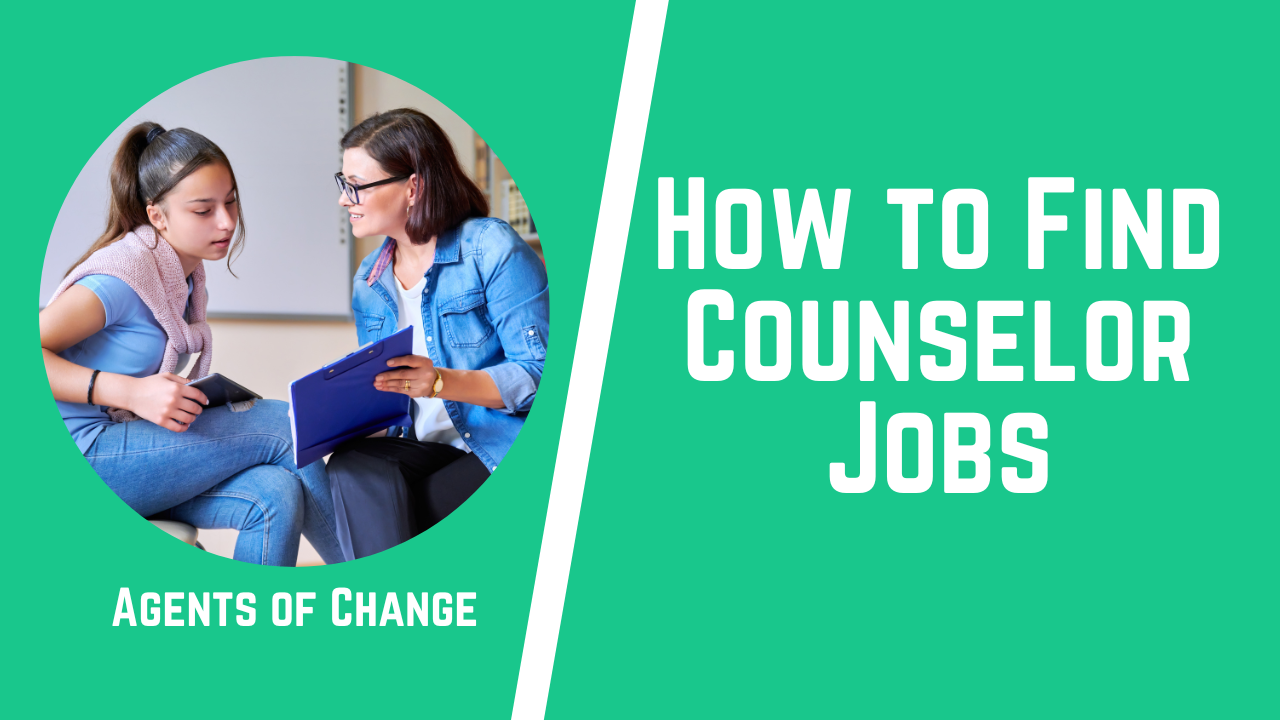
How to Find Counselor Jobs

How to Find Counselor Jobs


Finding the right counselor job can feel like an overwhelming process. You may know that you want to help people, make a difference in your community, and build a career that is both meaningful and stable, but figuring out where to start is often the hardest part. With so many job boards, application requirements, and career paths available, it is easy to feel stuck before you even begin.

The good news is that opportunities for counselors are abundant. Schools, hospitals, private practices, nonprofits, and community organizations are always looking for compassionate professionals who can guide others through life’s challenges. The key is learning how to focus your search so you can find the position that fits your skills, values, and long-term career goals.

This article will walk you through practical steps for finding counselor jobs that match your professional vision. From understanding the types of counseling roles available, to making use of continuing education programs that expand your qualifications, you will discover strategies to stand out in a competitive field. Whether you are just entering the profession or seeking a change, this guide will give you the clarity and confidence you need to move forward.

Did you know? Agents of Change Continuing Education offers Unlimited Access to 150+ ASWB and NBCC-approved CE courses for one low annual fee to meet your state’s requirements for Continuing Education credits and level up your career

We’ve helped tens of thousands of Social Workers, Counselors, and Mental Health Professionals with Continuing Education, learn more here about Agents of Change and claim your 5 free CEUs.

1) Why Counselor Jobs Are in Demand

Counseling isn’t just a career choice; it’s a response to growing needs across society. From mental health awareness to workplace well-being, the demand for trained counselors is rising year after year.

a 30 something diverse counselor speaking with people at a job fair

Let’s break down the reasons why.

Growing Awareness of Mental Health

Not long ago, mental health carried a heavy stigma. Today, more people openly talk about anxiety, depression, trauma, and stress. This cultural shift has led to:

  • Increased willingness to seek professional support

  • Greater emphasis on early intervention rather than crisis-only care

  • Expanding roles for counselors in schools, workplaces, and healthcare settings

Expansion of Telehealth Services

The pandemic accelerated a trend that was already on the horizon: virtual counseling. Telehealth made counseling more accessible, especially for those in rural areas or clients with mobility challenges. This shift created new jobs for counselors who can work remotely and provide flexible services.

Benefits of Telehealth for Counselors

  • Broader reach of clients beyond local geography

  • Flexible work schedules that fit different lifestyles

  • More opportunities for part-time or contract work

Rising Stress in Schools and Workplaces

Students face mounting academic pressures, while workplaces are dealing with burnout, turnover, and demands for mental wellness programs. Counselors are being hired to step in and address these growing concerns.

  • In schools: Counselors help students with academic planning, mental health, and conflict resolution.

  • In workplaces: Employers are investing in Employee Assistance Programs (EAPs) to support staff mental health.

Aging Population and Chronic Health Conditions

As the population ages, so does the need for counselors who specialize in grief, loss, chronic illness, and end-of-life care. Rehabilitation and medical counseling are becoming increasingly important fields where demand is outpacing supply.

Societal Challenges Driving Demand

Issues like substance abuse, family conflict, and social inequities continue to drive the need for professional support. Counselors provide essential guidance that communities depend on.

  • Substance use treatment programs are expanding nationwide.

  • Families seek support for communication and conflict management.

  • Community organizations rely on counselors to help address systemic challenges.

Learn more about Agents of Change Continuing Education. We’ve helped tens of thousands of Social Workers, Counselors, and Mental Health Professionals with their continuing education, and we want you to be next!

2) Step-by-Step Plan for Finding a Counselor Job

Landing a counselor job is more than submitting a few applications online. It’s about strategy, preparation, and making sure you position yourself as the strongest candidate possible. Here’s a step-by-step plan to guide you from the very start of your search all the way to receiving a job offer.


Step 1: Define Your Career Goals

Before you jump into job boards, take time to clarify what you want out of your career. Counseling has many branches, and knowing your focus helps narrow your search.

  • Do you see yourself working with children, adults, or families?

  • Would you prefer a school, hospital, private practice, or nonprofit setting?

  • Are you more interested in mental health, career counseling, or substance abuse treatment?

The clearer your goals, the easier it will be to target the right opportunities instead of applying to every opening you see.


Step 2: Assess and Strengthen Your Credentials

Most counseling jobs require a master’s degree and a state-issued license, but employers often look for more than the basics.

Build Your Competitive Edge with Continuing Education

This is where continuing education comes into play. Employers love to see candidates who go beyond minimum requirements, because it signals dedication and professional growth. Providers like Agents of Change Continuing Education make this possible with more than 150 ASWB and NBCC-approved courses for counselors, social workers, and therapists.

Continuing education can help you:

  • Gain expertise in specialized areas such as trauma-informed care, diversity and inclusion, or clinical supervision.

  • Stay current with new practices, theories, and evidence-based approaches.

  • Qualify for positions that require niche knowledge.

  • Prepare for leadership roles in counseling centers, schools, or community organizations.

Their catalog of courses gives you the chance to customize your learning and align it with your career goals.


Step 3: Build Your Resume and Cover Letter Strategically

Your resume should highlight both your clinical training and your practical skills. Emphasize:

  • Populations you’ve worked with (children, veterans, people with addictions, etc.).

  • Certifications or continuing education courses completed.

  • Relevant volunteer or practicum experiences.

Your cover letter should tell a story. Why are you passionate about counseling? Why do you want this specific role? Show that you understand the employer’s mission and how your skills align with it.


Step 4: Search Smart, Not Hard

The internet is full of job boards, but casting too wide a net wastes time. Focus your efforts where counselor jobs are most likely to appear.

Where to Look

  • General job boards like Indeed, Glassdoor, and LinkedIn.

  • Specialized counseling sites like the American Counseling Association Career Center.

  • Local community listings through schools, hospitals, and nonprofits.

Also, keep an eye on continuing education events. For example, Agents of Change Continuing Education hosts live webinars throughout the year, which not only help you earn credits but also connect you with professionals who may know about job openings.


Step 5: Network Authentically

Networking isn’t about collecting business cards. It’s about building real relationships. Connect with former professors, join professional associations, and participate in local workshops. Every conversation is a chance to learn about potential job leads.

Continuing education workshops are also a great networking tool. By attending live events, you’re not just learning—you’re sitting alongside people who might one day recommend you for a role.


Step 6: Prepare for the Interview

Employers want to see more than just your technical knowledge. They want to understand your empathy, your listening skills, and your ability to adapt. Practice answering questions such as:

  • How would you handle a resistant client?

  • What strategies do you use during a crisis?

  • How do you maintain professional boundaries?

Use examples from both academic and continuing education experiences to demonstrate growth and adaptability.


Step 7: Keep Growing After You Get the Job

The journey doesn’t end once you’re hired. Staying marketable means continuing to learn. By regularly enrolling in continuing education programs, you can:

  • Earn credits to keep your license active.

  • Explore new areas of specialization that may lead to promotions.

  • Position yourself for future career advancement, such as becoming a clinical director or supervisor.

Employers value counselors who demonstrate commitment to lifelong learning, and the skills you gain can directly lead to opportunities you may not have considered before.


Putting It All Together

The process of finding a counselor job requires clarity, preparation, and persistence. By following these steps, you can define your goals, strengthen your credentials, tailor your applications, search strategically, network, and embrace lifelong learning. You’ll create a solid path toward meaningful employment.

Continuing education, like the programs offered through Agents of Change Continuing Education, isn’t just a box to check for license renewal. It’s a powerful tool to expand your skills, build your professional network, and open the door to career opportunities that might otherwise remain out of reach.

Agents of Change has helped tens of thousands of Social Workers, Counselors, and Mental Health Professionals with Continuing Education, learn more here about Agents of Change and claim your 5 free CEUs!

3) Top Skills Employers Look for in Counselors

20 something hispanic female counselor speaking with people at a job fair

Employers aren’t just looking for someone with a degree and a license. They want counselors who can bring a mix of technical expertise, empathy, and problem-solving ability to their clients. Knowing which skills to highlight—and how to build them—can set you apart from other candidates.


1. Strong Communication Skills

Counselors spend most of their time listening, asking thoughtful questions, and helping clients express themselves. Clear, compassionate communication is essential.

How to Acquire or Improve This Skill:

  • Practice reflective listening in both professional and personal settings.

  • Enroll in workshops on motivational interviewing or therapeutic communication.

  • Seek feedback from supervisors or peers on how you engage with clients.


2. Empathy and Cultural Competence

Clients come from all walks of life, and effective counselors must show genuine empathy while respecting cultural, social, and individual differences.

How to Acquire or Improve This Skill:

  • Take continuing education courses on diversity and inclusion.

  • Attend cultural competency training sessions.

  • Expose yourself to varied perspectives through reading, community events, or volunteering.


3. Problem-Solving and Critical Thinking

Counselors often help clients navigate complex challenges. Employers value professionals who can assess situations quickly, identify solutions, and adapt strategies when needed.

How to Acquire or Improve This Skill:

  • Practice creating treatment plans and adjusting them based on client progress.

  • Join case study groups or peer supervision sessions to exchange problem-solving strategies.

  • Expand your toolbox with specialized courses through providers like Agents of Change Continuing Education, where you can learn evidence-based approaches to specific client challenges.


4. Ethical Decision-Making

Every counselor will face situations that test professional ethics, from maintaining confidentiality to handling dual relationships. Employers look for candidates who understand ethical codes and can apply them consistently.

How to Acquire or Improve This Skill:

  • Review the ACA Code of Ethics regularly.

  • Participate in continuing education courses focused on professional ethics.

  • Discuss real-world scenarios with supervisors or colleagues to strengthen judgment.


5. Adaptability and Resilience

Counseling can be emotionally demanding. Employers seek professionals who can manage stress, adapt to new circumstances, and maintain their own mental health while supporting others.

How to Acquire or Improve This Skill:

  • Learn stress management techniques like mindfulness or cognitive restructuring.

  • Build resilience by practicing self-care and setting clear boundaries.

  • Join live continuing education events, such as those hosted by Agents of Change Continuing Education, where you can engage with peers and gain strategies to stay balanced in demanding environments.


6. Lifelong Learning Mindset

The counseling field is constantly evolving. Employers want professionals who show curiosity and a willingness to keep learning.

How to Acquire or Improve This Skill:

  • Set annual learning goals and track your progress.

  • Explore specialized continuing education programs to broaden your expertise.

  • Stay engaged with professional journals and conferences to keep up with new research.


Bringing It All Together

Employers look for counselors who combine interpersonal skills with professional knowledge and resilience. The good news? Every one of these skills can be strengthened with intentional practice and ongoing training.

Programs like those from Agents of Change Continuing Education make it possible to earn credits while building the exact skills employers are searching for. By committing to lifelong learning, you’ll stay ahead of the curve and position yourself for success in any counseling role.

4) FAQs – How to Find Counselor Jobs

Q: What qualifications do I need to apply for most counselor jobs?

A: Most counseling positions require at least a master’s degree in counseling, psychology, or social work, along with state-specific licensure such as LPC, LMHC, or LCSW. Employers also look for supervised clinical experience and continuing education credits to ensure you’re up to date with current practices.

Even after securing a license, you’ll need to complete continuing education courses each renewal cycle. Providers like Agents of Change Continuing Education offer more than 150 ASWB and NBCC-approved courses to help you meet these requirements and strengthen your qualifications for new roles.

Q: How can continuing education help me get a better counseling job?

A: Continuing education does more than satisfy license renewal requirements. It opens doors to career advancement by allowing you to specialize in high-demand areas such as trauma-informed care, substance use treatment, or family counseling. Employers notice applicants who demonstrate commitment to learning and professional growth.

By completing courses or attending live events through organizations like Agents of Change Continuing Education, you can show potential employers that you’re proactive about expanding your skills and prepared to take on advanced responsibilities.

Q: Where are the best places to search for counselor jobs?

A: The most effective approach is to use a combination of online job boards and professional networks. General platforms like Indeed, Glassdoor, and LinkedIn are useful for a broad search, while specialized resources such as the American Counseling Association’s Career Center or Psychology Today listings focus specifically on counseling roles. B

eyond job boards, networking at workshops, conferences, and continuing education events often leads to opportunities that aren’t posted publicly. Live continuing education webinars, like those hosted by Agents of Change Continuing Education, can be a surprising yet powerful place to make professional connections and discover openings.

5) Conclusion

Finding the right counselor job is a process that requires patience, preparation, and a clear understanding of your career goals. From choosing the type of role you want to pursuing continuing education opportunities, every step brings you closer to a position where you can make a meaningful impact. The counseling field is full of opportunities, and with the right strategy, you can navigate it confidently.

Employers are looking for more than just credentials. They want counselors who bring compassion, resilience, and a commitment to growth. By tailoring your resume, networking authentically, and sharpening your skills, you set yourself apart from other candidates. Continuing education is especially valuable, as it not only fulfills license requirements but also signals to employers that you are serious about expanding your expertise and staying current in the profession.

————————————————————————————————————————————————

► Learn more about the Agents of Change Continuing Education here: https://agentsofchangetraining.com

About the Instructor, Meagan Mitchell: Meagan is a Licensed Clinical Social Worker and has been providing Continuing Education for Social Workers, Counselors, and Mental Health Professionals for more than 8 years. From all of this experience helping others, she created Agents of Change Continuing Education to help Social Workers, Counselors, and Mental Health Professionals stay up-to-date on the latest trends, research, and techniques.

#socialwork #socialworker #socialwork #socialworklicense #socialworklicensing #continuinged #continuingeducation #ce #socialworkce #freecesocialwork #lmsw #lcsw #counselor #NBCC #ASWB #ACE

Disclaimer: This content has been made available for informational and educational purposes only. This content is not intended to be a substitute for professional medical or clinical advice, diagnosis, or treatment

Share:

Discover more from Agents of Change

Subscribe now to keep reading and get access to the full archive.

Continue reading