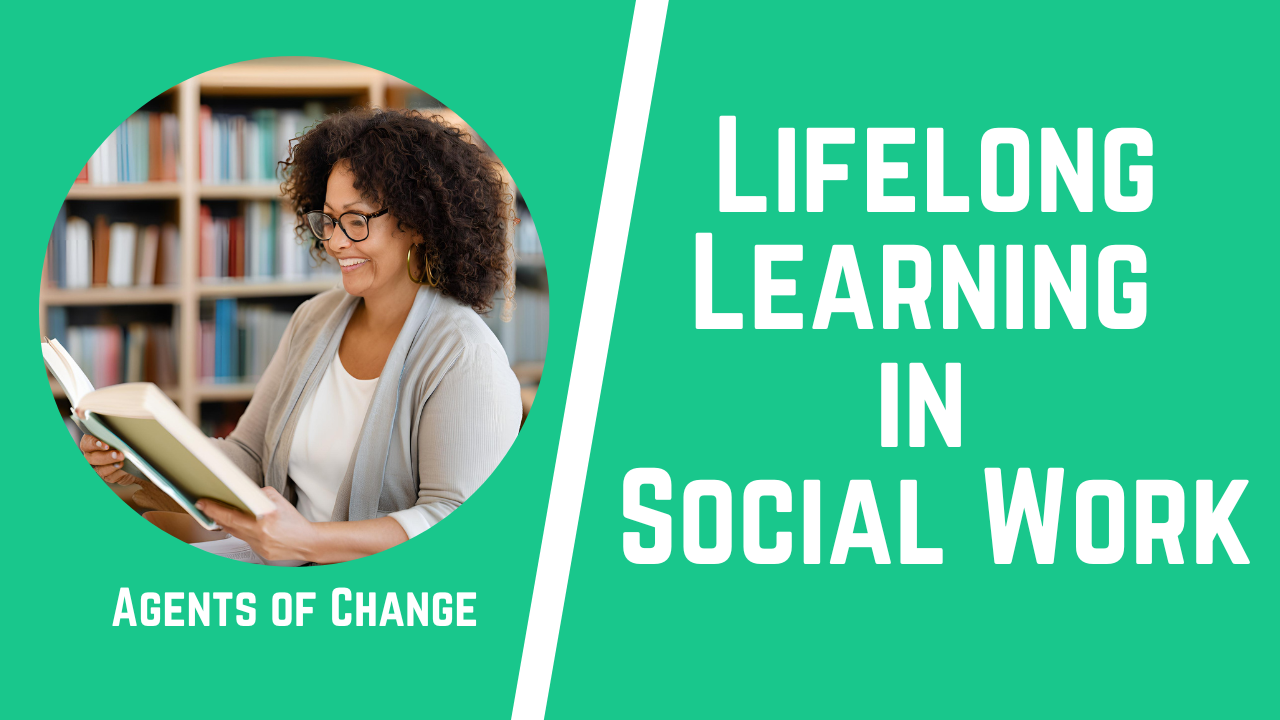
In Social Work, passing the ASWB exam is often seen as a significant milestone that marks the transition from student to professional. However, this is just the beginning of your journey. Social Work is a dynamic and ever-evolving field, where new challenges and developments constantly emerge.
To stay effective and ethical in your practice, lifelong learning is not just recommended—it’s essential. Continuing education goes beyond the ASWB exam, offering Social Workers the opportunity to deepen their knowledge, refine their skills, and stay connected to the latest advancements in the field.
Why is lifelong learning so crucial in Social Work? The answer lies in the nature of the profession. Social Workers deal with complex issues that require an up-to-date understanding of best practices, cultural competency, and ethical standards. Whether you’re working in clinical settings, schools, or policy advocacy, the need to stay informed and adaptable is ever-present. Lifelong learning ensures that your practice remains relevant and impactful, allowing you to meet the needs of diverse communities effectively.
In this blog post, we’ll explore the importance of continuing education in Social Work, providing you with strategies and resources to keep learning throughout your career. From specialized courses offered by Agents of Change Continuing Education to live events where you can earn CEs, we’ll guide you through the various ways you can continue growing as a Social Worker.
Did you know? Agents of Change Continuing Education offers Unlimited Access to 150+ CE courses for one low annual fee to meet your state’s requirements for Continuing Education credits and level up your career.
We’ve helped thousands of Social Workers with Continuing Education, learn more here about Agents of Change and claim your 5 free CEUs.
1) Why Lifelong Learning in Social Work Matters
Lifelong learning in Social Work is not just a professional obligation—it’s a vital component of staying effective, ethical, and resilient in a challenging field. The complexities of Social Work demand that practitioners continuously update their knowledge, skills, and approaches to meet the diverse and evolving needs of their clients and communities.

Adapting to an Ever-Changing Field
Social Work is a field that is constantly evolving. Policies change, new research emerges, and societal challenges shift. What was considered best practice a few years ago may now be outdated or even harmful.
For example, the increased understanding of trauma and its effects on mental health has led to a shift toward trauma-informed care in many Social Work settings. Without ongoing education, you may miss out on these critical developments.
-
Example: Adapting to the rise of telehealth during the COVID-19 pandemic required Social Workers to quickly learn new technologies and methodologies for remote counseling.
-
Example: Understanding changes in child welfare policies to ensure that your practice aligns with the latest legal and ethical standards.
Ethical Responsibility and Competence
As a Social Worker, you have an ethical responsibility to maintain competence in your field. The NASW Code of Ethics emphasizes the importance of ongoing education to ensure that Social Workers are providing the highest quality of service.
This ethical obligation goes beyond simply meeting licensing requirements—it’s about ensuring that your interventions are informed by the latest knowledge and research.
Enhancing Professional Satisfaction and Preventing Burnout
Social Work can be emotionally taxing, and the risk of burnout is high. One of the most effective ways to combat burnout is through continuous learning. Engaging in professional development not only helps you stay competent but also reignites your passion for the work. Learning new skills, gaining fresh perspectives, and connecting with peers can all contribute to a renewed sense of purpose and satisfaction in your career.
Lifelong learning offers a way to stay engaged and excited about your work. It provides opportunities to explore new interests, take on new challenges, and expand your professional horizons. By continuously seeking out learning opportunities, you can prevent burnout and maintain your enthusiasm for the impactful work you do.
-
Example: Attending workshops or conferences that introduce innovative approaches to self-care and stress management.
-
Example: Exploring new areas of Social Work, such as policy advocacy or community organizing, to keep your practice dynamic and fulfilling.
Specialization and Advanced Practice
As you advance in your Social Work career, you may find yourself drawn to specialized areas of practice. Whether it’s clinical Social Work, school Social Work, or working with specific populations, lifelong learning enables you to gain the expertise needed for advanced practice. Specialized training enhances your skills, making you more effective in your chosen area and opening up new career opportunities.
Continuing education allows you to dive deeper into topics that are particularly relevant to your work. For example, if you’re working in mental health, you might pursue advanced courses in cognitive-behavioral therapy (CBT) or mindfulness-based stress reduction.
If you focus on policy, you might seek training in legislative advocacy or social justice initiatives. These specialized skills make you a more competent Social Worker and position you as a leader in your field.
Bridging the Gap Between Theory and Practice
The ASWB exam and other licensing requirements ensure that you have a foundational understanding of Social Work principles. However, there is often a gap between theoretical knowledge and practical application. Lifelong learning helps bridge this gap by providing opportunities to explore how theories apply in real-world settings.
Continuing education courses, workshops, and peer supervision groups all offer ways to refine your practical skills. These learning opportunities allow you to see how abstract concepts can be implemented in your daily work, ensuring that your practice remains grounded in evidence while also being flexible enough to meet the needs of individual clients.
-
Example: Learning how to apply trauma-informed care principles in a school setting.
-
Example: Understanding how to navigate complex ethical dilemmas in clinical practice.
Staying Connected to Professional Networks
One of the often-overlooked benefits of lifelong learning is the opportunity to stay connected to professional networks. Continuing education courses, conferences, and workshops provide invaluable opportunities to meet other Social Workers, exchange ideas, and build relationships that can enhance your practice.
These connections are not just about networking—they are about creating a community of support. Engaging with other professionals allows you to share experiences, gain new perspectives, and learn from the successes and challenges of others. This sense of community is crucial in a field that can sometimes feel isolating and overwhelming.
-
Example: Attending a conference where you meet Social Workers who specialize in similar areas, leading to collaborative projects and shared resources.
-
Example: Participating in a peer supervision group where you can discuss complex cases and receive feedback from trusted colleagues.
Lifelong learning in Social Work is not just about fulfilling licensing requirements—it’s about committing to excellence in your practice. By continuously seeking out education and professional development opportunities, you ensure that you remain competent, ethical, and effective in your work.
Whether through specialized training, peer supervision, or staying connected to professional networks, lifelong learning allows you to adapt to the ever-changing demands of the field while maintaining your passion and commitment to Social Work.
Learn more about Agents of Change Continuing Education. We’ve helped thousands of Social Workers with their Continuing Education and want you to be next!
2) Strategies for Lifelong Learning in Social Work
Embracing lifelong learning in Social Work requires a proactive approach. While the job demands can be overwhelming, it’s crucial to prioritize continuous education to remain competent, ethical, and resilient.
Fortunately, there are numerous strategies available to help Social Workers stay informed, enhance their skills, and avoid burnout. In this section, we’ll explore various strategies for lifelong learning in Social Work, offering practical tips and resources to help you stay on the cutting edge of the profession.

Continuing Education Courses
One of the most direct ways to engage in lifelong learning is through continuing education courses. These courses fulfill licensing requirements and provide opportunities to delve deeper into specific areas of interest, learn new skills, and stay updated on best practices. Many organizations, including Agents of Change Continuing Education, offer a wide range of courses tailored to the needs of Social Workers.
Benefits of Continuing Education Courses:
-
Flexibility: Many courses are offered online, allowing you to learn at your own pace and on your own schedule.
-
Variety: Courses cover a wide array of topics, from clinical skills to ethics, allowing you to tailor your education to your professional goals.
-
Accreditation: Courses offered by reputable organizations provide continuing education credits that count toward licensing renewal.
For example, Agents of Change offers over 150 courses, including specialized topics like trauma-informed care, cultural competency, and advanced clinical skills.
They also provide live events, such as their upcoming ethics CE event, where Social Workers can earn 6 ethics continuing education credits over two sessions in October 2024.
Attending Workshops and Conferences
Workshops and conferences provide immersive learning experiences that can significantly enhance your professional development. Unlike online courses, these events allow you to engage with experts in real-time, ask questions, and participate in hands-on activities that reinforce your learning.
Benefits of Workshops and Conferences:
-
Networking: These events provide opportunities to connect with other Social Workers, share experiences, and build professional relationships.
-
Interactive Learning: Workshops often include group discussions, role-playing, and case studies that bring theoretical concepts to life.
-
Exposure to New Ideas: Conferences bring together leading voices in the field, offering fresh perspectives and the latest research.
Engaging in Peer Supervision and Consultation
Peer supervision and consultation are essential strategies for ongoing learning in Social Work. These collaborative practices allow you to discuss challenging cases, share insights, and receive feedback from colleagues. Peer supervision is especially valuable for Social Workers who work in isolated settings or those who do not have regular access to formal supervision.
Benefits of Peer Supervision and Consultation:
-
Support: These sessions provide emotional and professional support, helping you navigate complex cases and prevent burnout.
-
Shared Learning: You can learn from your peers’ experiences, gaining new perspectives and ideas that you can apply in your own practice.
-
Accountability: Regular peer supervision sessions keep you accountable for your continued growth and development.
To get the most out of peer supervision, consider forming or joining a group of Social Workers with similar interests or specializations. Regularly scheduled meetings create a consistent space for reflection and growth.
Reading Professional Journals and Books
Staying current with the latest research and developments in Social Work is essential for lifelong learning. Professional journals, books, and articles provide in-depth analysis and insights into emerging trends, evidence-based practices, and theoretical advancements. Incorporating reading into your routine can keep you informed and inspired.
Recommended Journals and Books:
-
Journals: Social Work, Clinical Social Work Journal, Journal of Social Work Education
-
Books: The New Social Worker by Linda Grobman, Ethical Standards in Social Work by Frederic G. Reamer, Trauma Stewardship by Laura van Dernoot Lipsky
Benefits of Reading Professional Literature:
-
In-Depth Knowledge: Journals and books provide detailed, well-researched information that goes beyond what you might learn in a workshop or course.
-
Critical Thinking: Engaging with scholarly articles encourages you to think critically about your practice and the broader field of Social Work.
-
Convenience: Reading can be done at your own pace and incorporated into your daily routine, whether during a commute or a lunch break.
To make reading a consistent habit, consider subscribing to a few key journals and setting aside time each week to review new articles or chapters. This can be particularly beneficial when paired with peer discussions or supervision.
Participating in Online Communities and Webinars
In today’s digital age, online communities and webinars have become invaluable tools for lifelong learning. These platforms allow Social Workers to connect with peers and experts worldwide, participate in discussions, and access educational content from the comfort of their homes.
Benefits of Online Communities and Webinars:
-
Accessibility: You can join webinars and online communities from anywhere, making it easy to fit learning into a busy schedule.
-
Diverse Perspectives: Online platforms connect you with Social Workers from different regions and backgrounds, broadening your understanding of the field.
-
Continuous Learning: Many webinars are archived, allowing you to access them at any time, even if you can’t attend live.
For instance, Agents of Change offers online courses and webinars that cover various topics relevant to Social Workers. These sessions provide opportunities to earn continuing education credits while engaging with contemporary issues in the field.
Pursuing Advanced Degrees and Certifications
For Social Workers looking to take their careers to the next level, pursuing an advanced degree or specialized certification can be an excellent strategy for lifelong learning.
Advanced degrees, such as a Master of Social Work (MSW) or a Doctorate in Social Work (DSW), provide in-depth knowledge and open doors to leadership roles. Certifications in areas like clinical Social Work, school Social Work, or substance abuse counseling can also enhance your expertise and marketability.
Benefits of Advanced Degrees and Certifications:
-
Specialization: Advanced education allows you to specialize in a specific area of Social Work, increasing your expertise and career opportunities.
-
Credibility: Holding advanced degrees and certifications enhances your professional credibility and may lead to higher earning potential.
-
Expanded Career Options: With advanced qualifications, you can pursue leadership positions, academic roles, or specialized practice areas.
If you’re considering further education, research programs that align with your career goals and professional interests. Many universities offer flexible options, including online and part-time programs, that allow you to continue working while earning your degree.
Engaging in Self-Reflection and Personal Development
Lifelong learning in Social Work isn’t just about acquiring new knowledge—it’s also about personal growth and self-awareness. Engaging in regular self-reflection and personal development practices can help you stay grounded, enhance your emotional intelligence, and improve your ability to connect with clients.
Benefits of Self-Reflection and Personal Development:
-
Increased Self-Awareness: Reflecting on your strengths, weaknesses, and biases helps you become a more effective and empathetic Social Worker.
-
Emotional Resilience: Personal development practices, such as mindfulness and self-care, can prevent burnout and improve your well-being.
-
Enhanced Client Relationships: Understanding yourself better enables you to build stronger, more authentic connections with clients.
Incorporating self-reflection into your practice can be as simple as keeping a journal, meditating, or seeking feedback from trusted colleagues. Regularly setting aside time for personal development ensures that you continue to grow both professionally and personally.
Lifelong learning in Social Work is essential for staying competent, ethical, and engaged in your practice. By incorporating a variety of strategies, such as continuing education courses, workshops, peer supervision, and self-reflection, you can craft a personalized learning plan that meets your needs and interests.
Whether you’re looking to specialize in a specific area, prevent burnout, or stay connected to professional networks, these strategies provide a roadmap for continuous growth in your Social Work career.
We’ve helped thousands of Social Workers with Continuing Education, learn more here about Agents of Change and claim your 5 free CEUs!
3) Resources for Lifelong Learning
Lifelong learning is essential for staying competent, ethical, and effective in the field of Social Work. Fortunately, there are numerous resources available to help Social Workers continue their education and professional development.

From online courses to professional organizations, these resources provide opportunities to deepen your knowledge, expand your skills, and stay current with the latest trends and research. In this section, we’ll explore a variety of resources for lifelong learning in Social Work, including continuing education platforms, professional organizations, publications, and more.
Continuing Education Platforms
Continuing education platforms offer a convenient and flexible way for Social Workers to earn the credits needed for licensure renewal while also expanding their knowledge base. These platforms often provide a wide range of courses that cater to different specializations and interests within Social Work.
Agents of Change Continuing Education
-
Overview: Agents of Change offers over 150 courses tailored specifically for Social Workers. Their courses cover a variety of topics, from clinical practice to ethics, ensuring that you can find content relevant to your professional needs.
-
Key Features:
-
Flexible Learning: Courses are available online, allowing you to complete them at your own pace.
-
Expert-Led: Courses are designed by experienced professionals in the field, ensuring high-quality content.
-
Live Events: In addition to self-paced courses, Agents of Change also offers live events, such as their upcoming ethics CE event, which provides an opportunity to earn six ethics continuing education credits.
-
Other Notable Platforms
-
NASW (National Association of Social Workers): NASW offers a comprehensive catalog of online courses, webinars, and in-person events that cover a wide range of topics, including ethics, clinical practice, and social justice.
-
Coursera and edX: While not Social Work-specific, these platforms offer courses in psychology, public health, and other related fields that can supplement your Social Work education.
Professional Organizations
Joining professional organizations is one of the best ways to stay engaged with the Social Work community and access a wealth of educational resources. These organizations often offer continuing education opportunities, conferences, publications, and networking events that can enrich your professional development.
National Association of Social Workers (NASW)
-
Overview: NASW is the largest membership organization of professional Social Workers in the world. Membership provides access to a wide range of benefits, including continuing education courses, conferences, publications, and advocacy resources.
-
Key Resources:
-
Continuing Education: NASW offers numerous online courses and webinars, many of which provide continuing education credits.
-
Conferences: Annual conferences bring together Social Workers from across the country, offering workshops, keynote presentations, and networking opportunities.
-
Publications: Members receive access to journals and newsletters that keep them informed about the latest research and trends in Social Work.
-
Council on Social Work Education (CSWE)
-
Overview: CSWE is a national association that accredits Social Work education programs and provides resources for educators and practitioners. While CSWE focuses primarily on academic institutions, it also offers valuable resources for lifelong learning.
-
Key Resources:
-
Annual Program Meeting: This event brings together educators, students, and practitioners to discuss trends in Social Work education and practice.
-
Journals and Publications: CSWE publishes journals and other materials that explore emerging issues in Social Work education and practice.
-
Clinical Social Work Association (CSWA)
-
Overview: CSWA focuses on supporting clinical Social Workers through advocacy, professional development, and continuing education opportunities.
-
Key Resources:
-
Continuing Education: CSWA offers webinars and courses specifically designed for clinical Social Workers.
-
Networking: Members can connect with other clinical Social Workers through forums and local chapters.
-
Academic Institutions and University Extension Programs
Many universities offer extension programs or continuing education courses specifically designed for Social Workers. These programs provide a more structured learning environment and often include advanced courses or certificate programs.
University-Based Continuing Education Programs
-
Columbia School of Social Work: Columbia offers a variety of continuing education workshops and certificate programs that allow Social Workers to deepen their expertise in areas like clinical practice, social policy, and leadership.
-
Boston University School of Social Work: BU provides online and in-person continuing education opportunities, including specialized programs in trauma, aging, and mental health.
-
University of Southern California (USC) Suzanne Dworak-Peck School of Social Work: USC offers continuing education courses and certificate programs in areas like military Social Work, gerontology, and integrated health care.
Benefits of University-Based Programs:
-
Advanced Knowledge: These programs often provide more in-depth content than shorter courses or workshops.
-
Credibility: Earning a certificate from a reputable university can enhance your professional credentials.
-
Networking Opportunities: University programs often include opportunities to connect with faculty, students, and other professionals.
Publications and Journals
Staying current with the latest research and trends in Social Work is essential for lifelong learning. Subscribing to professional journals and reading books by leading experts in the field can keep you informed and inspire new ideas for your practice.
Recommended Journals
-
Social Work Journal: Published by NASW, this journal covers a wide range of topics relevant to Social Workers, including clinical practice, social policy, and research.
-
Clinical Social Work Journal: This journal focuses on clinical practice, offering articles that explore the latest research and interventions in mental health and therapy.
-
Journal of Social Work Education: Published by CSWE, this journal is an essential resource for educators and practitioners interested in the latest developments in Social Work education.
Recommended Books
-
“The New Social Worker” by Linda Grobman: This book offers practical advice and insights for Social Workers at all stages of their careers.
-
“Ethical Standards in Social Work” by Frederic G. Reamer: A comprehensive guide to navigating ethical dilemmas in Social Work practice.
-
“Trauma Stewardship” by Laura van Dernoot Lipsky: This book explores how Social Workers can care for themselves while working with trauma survivors.
Benefits of Staying Engaged with Literature:
-
Continuous Learning: Regularly reading journals and books ensures that you stay up-to-date with the latest research and best practices.
-
Critical Thinking: Engaging with scholarly literature encourages you to think critically about your practice and the broader field of Social Work.
-
Convenience: Journals and books can be accessed at your convenience, allowing you to fit learning into your busy schedule.
Webinars, Podcasts, and Online Communities
In today’s digital age, there are numerous online resources that can help you stay engaged with lifelong learning. Webinars, podcasts, and online communities provide flexible and accessible ways to continue your education and connect with other Social Workers.
Webinars
-
Agents of Change Webinars: Agents of Change offers a variety of webinars that allow Social Workers to earn continuing education credits while learning from experts in the field.
-
NASW Webinars: NASW frequently hosts webinars on current topics in Social Work, including ethics, policy, and clinical practice.
Podcasts
- Agents of Change Podcast
-
The Social Work Podcast: Hosted by Dr. Jonathan Singer, this podcast covers a variety of topics relevant to Social Workers, including interviews with leading experts.
-
NASW Social Work Talks: This podcast features discussions on Social Work practice, policy, and research, with a focus on current events and emerging issues.
-
The Thoughtful Counselor: While focused on counseling, this podcast offers valuable insights into therapeutic practices that can be applied in Social Work.
Online Communities
-
Agents of Change (Facebook)
-
Agents of Change (LinkedIn)
-
Social Work Network (LinkedIn Group): This group allows Social Workers to connect, share resources, and discuss challenges in the field.
-
Reddit’s r/socialwork: A community of Social Workers sharing advice, experiences, and resources.
-
Social Work Helper (Facebook Group):
A group that provides news, resources, and discussions for Social Workers.
Benefits of Digital Resources:
-
Accessibility: Webinars, podcasts, and online communities can be accessed from anywhere, making it easy to continue your education on the go.
-
Diverse Perspectives: Online platforms connect you with Social Workers from around the world, offering a broad range of experiences and insights.
-
Continuous Engagement: Digital resources provide opportunities for ongoing learning and connection, even outside of traditional classroom settings.
Conferences and Workshops
Attending conferences and workshops is one of the most engaging ways to continue your education. These events provide opportunities for hands-on learning, networking, and staying updated on the latest trends in Social Work.
Key Conferences for Social Workers
-
NASW Annual Conference: This event brings together Social Workers from across the country to discuss current issues, share research, and participate in workshops.
-
CSWE Annual Program Meeting: A conference focused on Social Work education, featuring presentations on the latest research and pedagogical strategies.
-
Clinical Social Work Association (CSWA) Workshops: CSWA offers workshops that focus on clinical practice, providing opportunities for hands-on learning and skill development.
Benefits of Attending Conferences and Workshops:
-
Networking: Conferences allow you to meet and connect with other Social Workers, building professional relationships that can support your career.
-
Interactive Learning: Workshops often include practical exercises, case studies, and group discussions that bring theoretical concepts to life.
-
Exposure to New Ideas: Conferences feature presentations from leading experts, giving you access to the latest research and innovations in the field.
Self-Reflection and Peer Supervision
In addition to formal education, self-reflection and peer supervision are crucial components of lifelong learning. These practices encourage continuous growth, helping you stay mindful of your strengths, weaknesses, and areas for improvement.
Self-Reflection Practices
-
Journaling: Regularly writing about your experiences, challenges, and successes can help you process your work and identify areas for growth.
-
Mindfulness: Incorporating mindfulness practices into your routine can enhance your emotional intelligence and resilience, helping you stay grounded in your work.
Peer Supervision
-
Peer Supervision Groups: Joining or forming a peer supervision group allows you to discuss cases, share insights, and receive feedback from colleagues.
-
Consultation: Regularly consulting with peers or mentors can provide valuable perspectives on complex cases and ethical dilemmas.
Benefits of Self-Reflection and Peer Supervision:
-
Increased Self-Awareness: Reflecting on your practice helps you identify your strengths and areas for growth, leading to continuous improvement.
-
Support: Peer supervision provides emotional and professional support, helping you navigate the challenges of Social Work.
-
Accountability: Regular self-reflection and peer supervision keep you accountable for your ongoing development as a Social Worker.
Lifelong learning in Social Work is a multi-faceted journey that requires access to a variety of resources. From continuing education platforms like Agents of Change to professional organizations, journals, webinars, and peer supervision, there are countless opportunities to continue growing as a Social Worker.
By leveraging these resources, you can ensure that your practice remains informed, ethical, and effective, allowing you to make a lasting impact on the communities you serve.
4) FAQs – Social Work Continuing Education
Q: Why is lifelong learning essential in Social Work beyond just maintaining licensure?
A: Lifelong learning in Social Work goes far beyond simply meeting licensure requirements. Social Work is a dynamic field where new research, societal challenges, and policy changes constantly emerge.
Engaging in continuous education ensures that Social Workers stay informed about the latest best practices, remain ethically competent, and can adapt to the evolving needs of their clients.
Lifelong learning also helps prevent burnout by providing opportunities for professional growth, specialization, and personal fulfillment, ultimately enhancing the quality of care provided to individuals and communities.
Q: What types of continuing education are most beneficial for Social Workers looking to specialize in a particular area?
A: For Social Workers aiming to specialize in a particular area, continuing education that offers advanced training and practical applications is most beneficial. Specialized courses in clinical practices, such as cognitive-behavioral therapy (CBT) or trauma-informed care, are ideal for those pursuing clinical Social Work.
Social Workers interested in policy or advocacy might focus on legislative training or courses in social justice. Additionally, certifications in specific areas, such as substance abuse counseling or school Social Work, can further solidify expertise and open doors to advanced career opportunities.
Q: How can I balance the demands of my job with the need for continuing education in Social Work?
A: Balancing the demands of Social Work with continuing education requires intentional planning and leveraging flexible learning options. Online platforms like Agents of Change Continuing Education offer self-paced courses that allow you to complete education on your schedule.
Additionally, attending webinars, subscribing to journals, and engaging in peer supervision can integrate learning into your routine without overwhelming your workload. Prioritizing lifelong learning as an essential part of your professional development and viewing it as an investment in both your career and well-being can help make it a manageable and rewarding pursuit.