
Psychological First Aid: A Guide to Building Resilience and Supporting Others

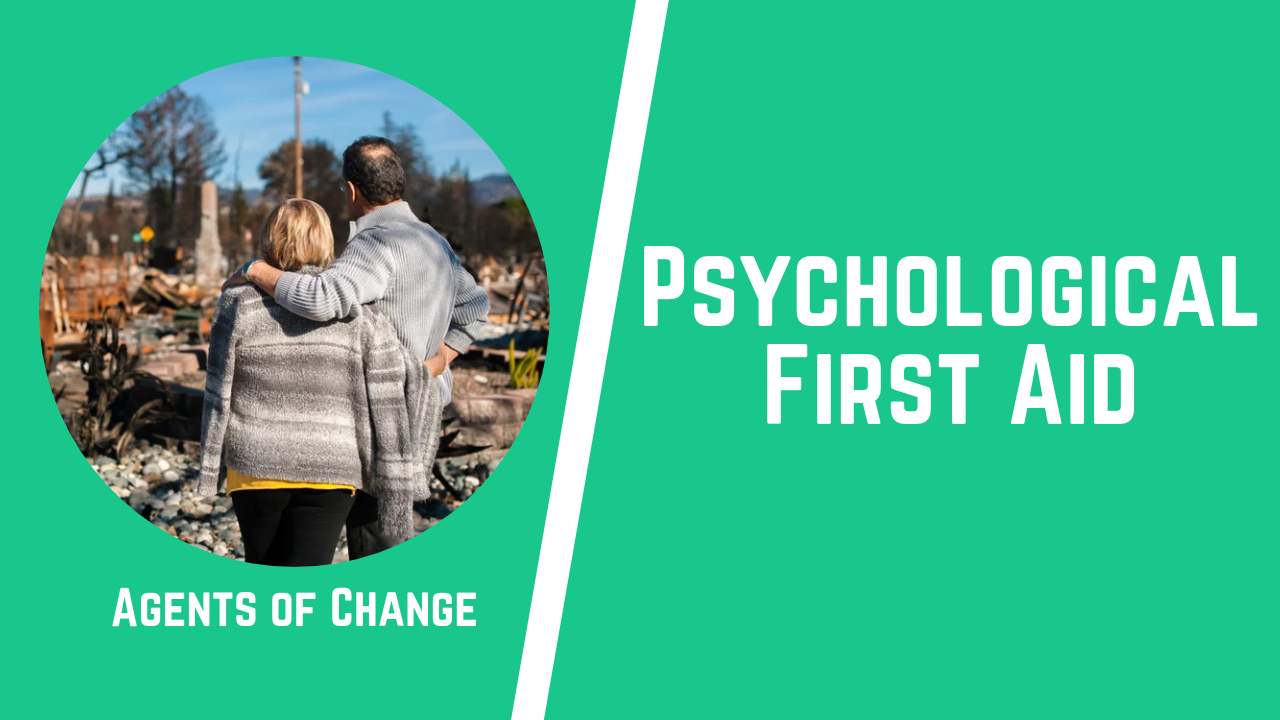
Crises don’t announce themselves. They strike suddenly, leaving individuals overwhelmed, vulnerable, and searching for stability. Whether it’s the aftermath of a natural disaster, a traumatic event, or a personal tragedy, the need for immediate emotional and psychological support is undeniable. Psychological First Aid (PFA) steps in as a practical, compassionate approach to helping individuals cope during these challenging moments. It’s not about diagnosing or offering long-term solutions but rather providing a steady hand to guide someone through the storm.
For Social Workers, counselors, and mental health professionals, Psychological First Aid isn’t just a skill; it’s a necessity. The ability to offer timely, empathetic care can make a world of difference to someone in distress. Beyond benefiting clients, these tools also empower professionals to foster resilience within themselves and their communities. Whether you’re a seasoned expert or new to the field, understanding PFA can significantly enhance your effectiveness in high-stakes situations.
If you’re eager to strengthen your crisis and trauma skills, Agents of Change Continuing Education offers 200+ ASWB and NBCC-approved courses for Social Workers, Counselors, and Mental Health Professionals, plus 25+ live events each year. In this post, we’ll explore the ins and outs of Psychological First Aid, its benefits, and how to start incorporating it into your work.
Did you know? Agents of Change Continuing Education offers Unlimited Access to 200+ ASWB and NBCC-approved online CE courses and 25+ Live Events per year for one annual fee to meet your state’s requirements for Continuing Education credits and level up your career.
We’ve helped more than 100,000 Social Workers, Counselors, and Mental Health Professionals with exam prep and Continuing Education. Learn more here about Agents of Change and claim your 7.5 free CEUs.
1) What Is Psychological First Aid?
Psychological First Aid (PFA) is an evidence-informed, practical approach designed to provide immediate emotional and psychological support to individuals experiencing crisis or trauma. Unlike therapy or counseling, PFA isn’t about diagnosing mental health conditions or offering long-term solutions. Instead, it’s about meeting immediate needs, stabilizing emotional states, and fostering resilience.
The most widely used PFA model in the United States is the Psychological First Aid Field Operations Guide, developed by the National Child Traumatic Stress Network and the National Center for PTSD. The World Health Organization also publishes a PFA guide built around three action principles: Look, Listen, and Link. Both draw on research by Hobfoll and colleagues (2007), which identified five essential elements of early intervention after trauma: promoting a sense of safety, calming, self- and community efficacy, connectedness, and hope.
PFA has become a cornerstone of crisis response in many settings, from disaster relief to personal emergencies, and it’s a vital skill for Social Workers, counselors, mental health professionals, and even community members. Let’s break it down further into its essential components.
Core Objectives of Psychological First Aid
The primary goal of PFA is to reduce distress and promote coping strategies that help individuals regain a sense of control. The framework rests on five key objectives:
- Ensure Safety: Create a safe environment, both physically and emotionally.
- Provide Comfort: Address immediate emotional needs and help reduce stress.
- Offer Practical Assistance: Support with tangible needs, such as connecting people to resources or loved ones.
- Foster Connection: Encourage social support and a sense of belonging.
- Promote Hope: Reinforce the belief that recovery and well-being are achievable.
When Is Psychological First Aid Used?
PFA is typically used during or immediately after crises, including:
- Natural Disasters: Hurricanes, earthquakes, or wildfires that displace families or destroy communities.
- Traumatic Events: Violence, accidents, or unexpected losses that leave individuals in shock.
- Community Crises: Events like mass layoffs, school tragedies, or public health emergencies.
It’s designed to be adaptable, making it useful across various settings and demographics.
The Core Principles of PFA
Psychological First Aid is built on several core principles that guide interactions with those in crisis:
- Safety Comes First
Ensure that the person feels secure. Physical safety, a calm environment, and the absence of immediate threats are foundational. - Calmness Matters
Emotional overwhelm is common during crises. PFA focuses on reducing anxiety through grounded, reassuring communication. - Encourage Connection
Isolation often compounds distress. Helping individuals reconnect with loved ones or community support networks can be profoundly stabilizing. - Empowerment Over Dependency (Self- and Community Efficacy)
PFA emphasizes enabling individuals to make their own decisions and take actionable steps toward recovery. - Hope Is Essential
Instilling optimism is vital. While you can’t guarantee outcomes, you can encourage belief in the possibility of recovery.
Benefits of Psychological First Aid
Implementing PFA can have wide-reaching benefits, including:
- Reduced Distress: Immediate intervention can help decrease emotional and psychological turmoil.
- Support for Recovery: Meeting immediate needs early may support natural recovery and help connect people to further care when needed.
- Improved Community Resilience: Encouraging connection and empowerment builds stronger, more adaptive communities.
- Professional Fulfillment: For Social Workers and mental health professionals, PFA offers a tangible way to make a meaningful impact.
Psychological First Aid is a powerful tool, but like any skill, it requires training and practice. Free PFA training is available from the National Child Traumatic Stress Network (NCTSN), and you can build related trauma and crisis skills through CE courses such as Trauma-Informed Care from Agents of Change Continuing Education.
Learn more about Agents of Change Continuing Education. We’ve helped more than 100,000 Social Workers, Counselors, and Mental Health Professionals with exam prep and Continuing Education and want to help you next!
2) Why Psychological First Aid Matters
In moments of crisis, people often face overwhelming emotions, confusion, and a sense of helplessness. Psychological First Aid (PFA) is an essential framework for addressing these challenges, offering immediate support that can make a profound difference in someone’s recovery. Its value extends beyond the individual, influencing families, communities, and even professional care systems.
Let’s explore why Psychological First Aid is indispensable and how it contributes to both individual and societal resilience.
Addressing Immediate Emotional Needs
Crisis situations often leave people in a heightened state of emotional distress. Without timely support, this can spiral into long-term mental health challenges such as anxiety, depression, or post-traumatic stress disorder (PTSD).
PFA provides:
- Stability: A calming presence can help individuals regain their composure.
- Validation: Acknowledging their emotions makes people feel seen and heard.
- Reassurance: Offering hope and guidance can alleviate feelings of despair.
Preventing Long-Term Mental Health Challenges
Most people recover from traumatic events with time and support. PFA is considered evidence-informed, meaning it is based on research about what helps people after trauma, but studies have not proven that it prevents conditions like PTSD on its own. What it can do is support natural recovery and make it easier to get more help:
- Encourages healthy coping mechanisms, reducing the likelihood of maladaptive behaviors.
- Provides a gateway to additional mental health services, if needed.
- Helps individuals process their experiences in a supportive, non-judgmental environment.
Strengthening Community Resilience
The ripple effects of PFA extend to families and communities, fostering resilience and a sense of collective strength. By encouraging connection and collaboration, PFA:
- Rebuilds social bonds that crises often disrupt.
- Promotes shared responsibility for emotional recovery.
- Creates a culture of support, making communities more adaptable in future crises.
For Social Workers and community leaders, these benefits can be game-changing. Equipped with PFA skills, they become anchors of stability during turbulent times.
Supporting Mental Health Professionals
While Psychological First Aid directly benefits those in crisis, it also has immense value for the professionals delivering it. Social Workers, counselors, and mental health providers often face the dual challenge of supporting others while managing their own well-being. PFA provides a framework that:
- Simplifies decision-making during high-stress situations.
- Reduces burnout by offering structured, effective interventions.
- Enhances confidence in responding to crises, improving job satisfaction.
Professionals looking to deepen their crisis and trauma skills can earn CE credit through Agents of Change Continuing Education, with self-paced courses and live events throughout the year.
The Broader Impact of Psychological First Aid
The benefits of PFA extend beyond immediate situations. Its principles (safety, connection, empowerment, and hope) promote long-term healing and growth. When individuals feel supported during their darkest moments, they are more likely to recover with resilience and strength.
Psychological First Aid matters because it bridges the gap between trauma and recovery, transforming moments of despair into opportunities for healing. Whether you’re a professional caregiver, a Social Worker, or a compassionate community member, understanding PFA equips you to create meaningful, lasting change.
We’ve helped more than 100,000 Social Workers, Counselors, and Mental Health Professionals with exam prep and Continuing Education. Learn more here about Agents of Change and claim your 7.5 free CEUs.
3) How to Provide Psychological First Aid
Providing Psychological First Aid (PFA) is about being present, compassionate, and practical in moments of crisis. It’s not therapy or diagnosis. It’s an approach focused on immediate needs and fostering stability. Whether you’re a Social Worker, counselor, mental health professional, or a concerned individual, understanding how to offer PFA effectively can make a life-changing difference for someone in distress.
Below is a detailed guide to implementing PFA, broken into actionable steps and strategies.
1. Prepare Yourself
Before you assist someone else, take a moment to check in with yourself. Offering Psychological First Aid requires emotional steadiness and focus, so it’s essential to assess your readiness first.
- Stay calm: Take a few deep breaths and center yourself before approaching.
- Understand the context: Familiarize yourself with the nature of the crisis or trauma at hand.
- Know your role: PFA is not about fixing everything; it’s about addressing immediate needs.
2. Make a Thoughtful Approach
How you approach someone in distress sets the tone for your interaction. Respect and sensitivity are key.
- Introduce yourself clearly and calmly.
- Ask for permission before engaging in conversation.
- Respect cultural norms and personal boundaries.
Tips for Building Trust:
- Speak in a calm, steady voice.
- Maintain a non-threatening body posture.
- Avoid rushing or pressuring the person to talk.
3. Listen Actively and Empathetically
Listening is one of the most powerful tools in Psychological First Aid. When people feel heard, they’re more likely to open up and begin processing their emotions.
- Be present: Give your full attention without distractions.
- Encourage sharing: Use open-ended questions like, “How are you feeling right now?”
- Acknowledge emotions: Reflect back what you hear to show understanding, e.g., “It sounds like you’re feeling really overwhelmed.”
- Avoid minimizing their experience: Phrases like “It’s not a big deal” can make people feel invalidated.
4. Assess Immediate Needs and Concerns
Once you’ve established trust, it’s important to identify the individual’s immediate needs. These might include practical assistance or emotional reassurance.
Questions to Guide Assessment:
- Are they physically safe?
- Do they need medical attention?
- Are they separated from loved ones?
- Do they have access to basic necessities like food, water, or shelter?
5. Provide Practical Support
Practical assistance can alleviate immediate stress and help individuals feel more in control.
Examples of Practical Support:
- Helping them contact a loved one.
- Guiding them to a safe location.
- Providing information about local resources, such as shelters or the 988 Suicide and Crisis Lifeline.
- Assisting with transportation if necessary.
When offering assistance, explain each step clearly and avoid overwhelming them with too much information at once.
6. Promote Healthy Coping Strategies
People in crisis often feel powerless, so it’s crucial to empower them with tools for self-regulation and coping.
Suggestions for Coping Strategies:
- Breathing exercises: Encourage slow, deep breaths to reduce anxiety.
- Grounding techniques: Ask them to focus on sensory details, like naming five things they see or hear.
- Encouraging breaks: Suggest resting, drinking water, or eating if they haven’t done so.
- Social connection: Gently recommend reaching out to friends or family.
7. Encourage Social Support
Isolation can worsen emotional distress. Helping individuals connect with supportive people in their lives fosters resilience and recovery.
- Ask if they have someone they trust they can talk to.
- If appropriate, help them contact a family member or close friend.
- Reassure them that it’s okay to lean on others for support.
8. Know When to Refer to Professional Help
Psychological First Aid is not a substitute for therapy or medical intervention. Recognizing when someone needs professional care is critical.
Warning Signs to Look For:
- Severe emotional distress that doesn’t improve.
- Inability to perform basic tasks (e.g., eating, sleeping, or maintaining hygiene).
- Expressions of hopelessness or suicidal thoughts.
- Disorientation or confusion.
When referring someone, provide clear information about available resources. If someone is in immediate danger or expresses thoughts of suicide, call 911 or connect them with the 988 Suicide and Crisis Lifeline (call or text 988).
9. Follow Up (If Appropriate)
Sometimes, a follow-up conversation can reinforce the support you’ve provided and show the individual they are not alone. This is especially important for professionals who maintain ongoing relationships with clients.
Follow-Up Tips:
- Check in to see how they’re doing after a few days.
- Ask if they’ve connected with additional resources.
- Reaffirm their strengths and progress.
Common Pitfalls to Avoid
Even with the best intentions, it’s possible to misstep. Here are some things to avoid when providing PFA:
- Overloading them with information: Keep it simple and focus on immediate needs.
- Judging or criticizing their reactions: Everyone processes trauma differently.
- Making promises you can’t keep: Be honest about what you can and cannot provide.
- Pushing people to retell the event: PFA does not ask people to describe what happened in detail. Let them share what they choose, and don’t press for more.
- Forgetting self-care: Supporting others in crisis can be emotionally taxing, so ensure you’re taking care of yourself too.
Providing Psychological First Aid requires empathy, patience, and a willingness to adapt to each individual’s unique needs. For professionals looking to refine their skills, Agents of Change Continuing Education offers courses on trauma-informed care and related practices, helping you stay equipped to make a meaningful difference in someone’s life.
Whether you’re new to this or experienced, these strategies will prepare you to provide effective, compassionate support when it’s needed most.
4) Challenges and Misconceptions About PFA
Psychological First Aid (PFA) is a valuable and effective tool, but like any approach, it comes with its own set of challenges and misconceptions. Understanding these pitfalls can help Social Workers, counselors, and mental health professionals apply PFA more effectively and avoid common mistakes. Let’s break this down into key areas of concern.
Misconceptions About PFA
1. “PFA Is the Same as Therapy”
One of the most common misunderstandings is that Psychological First Aid is a form of therapy. However, the two are fundamentally different.
- PFA Focus: Short-term, immediate emotional and practical support during crises.
- Therapy Focus: Long-term treatment for mental health conditions, often involving diagnosis and therapeutic interventions.
PFA is about stabilizing someone emotionally and helping them navigate their immediate situation. It’s not a replacement for professional therapy or counseling.
2. “Anyone Can Perform PFA Without Training”
While PFA principles are accessible to non-professionals, proper training ensures the approach is applied effectively and sensitively. Without training, individuals may unintentionally cause harm, such as overwhelming the person in crisis or giving inaccurate advice.
Challenges in Providing PFA
1. Overcoming Emotional Barriers
Crisis situations are often emotionally charged, making it difficult for both the provider and the individual to stay focused.
- Challenge: Emotional overwhelm can lead to ineffective communication.
- Solution: Use grounding techniques, maintain a calm demeanor, and focus on listening rather than reacting.
2. Cultural Sensitivity
PFA providers may face challenges when working with individuals from different cultural backgrounds. What feels supportive in one culture may be perceived as intrusive in another.
- Challenge: Misinterpreting cultural norms or boundaries.
- Solution: Take a culturally aware approach by asking open-ended questions and respecting individual preferences.
3. Resource Limitations
In some crisis situations, there may be limited access to resources like shelters, medical care, or professional counseling.
- Challenge: Feeling powerless to offer meaningful help without proper resources.
- Solution: Focus on what you can do, such as providing emotional support or connecting the individual to available options, even if they’re limited.
Missteps That Can Undermine PFA
It’s easy to make mistakes in high-pressure situations, especially when emotions are running high. Being aware of common pitfalls can help you avoid them.
Examples of Missteps:
- Overloading with Information: Bombarding someone in distress with too many options or details can overwhelm them further.
- Invalidating Feelings: Statements like “You’ll get over it” or “Others have it worse” can make the individual feel dismissed.
- Assuming You Know Best: Each person’s experience is unique. Avoid making assumptions about what they need or feel.
Dealing with Resistance
Sometimes, individuals may resist support due to fear, mistrust, or emotional shutdown. Recognizing and addressing this resistance respectfully is key.
- Signs of Resistance: Avoiding eye contact, refusing help, or becoming hostile.
- Give them space: Avoid forcing interaction.
- Reassure them: Let them know your support is optional and non-judgmental.
- Offer practical help first: Water, a blanket, or a phone charger can help establish trust.
The Role of Professional Training
Many of the challenges and misconceptions around PFA stem from a lack of understanding about its principles. Professional training equips providers with the skills and knowledge to navigate these complexities effectively.
Organizations like Agents of Change Continuing Education offer courses for Social Workers, Counselors, and Mental Health Professionals on trauma and crisis-related topics that complement PFA training.
By recognizing the challenges and misconceptions surrounding Psychological First Aid, you can approach it with greater confidence and care. PFA is a powerful tool, but its success depends on informed, thoughtful application. Whether you’re working through emotional barriers, cultural dynamics, or resource limitations, staying adaptable and empathetic is always the best course of action.
5) FAQs: Psychological First Aid
Q: Who Can Provide Psychological First Aid?
A: Psychological First Aid (PFA) can be provided by anyone with basic training and a willingness to help. While it’s often practiced by Social Workers, counselors, mental health professionals, and emergency responders, community members can also learn the principles of PFA to support friends, family, or neighbors in crisis.
The key is to approach the person with empathy, respect, and a focus on immediate needs. Free PFA courses are available from organizations such as the National Child Traumatic Stress Network and the American Red Cross. For related CE credit, Agents of Change Continuing Education offers trauma-focused courses such as Trauma-Informed Care.
Q: How Does Psychological First Aid Differ From Therapy?
A: PFA and therapy serve distinct purposes. PFA focuses on providing immediate, short-term support to individuals experiencing a crisis. Its primary goals are to reduce stress, ensure safety, and promote healthy coping mechanisms.
Therapy, on the other hand, involves long-term, structured treatment to address mental health conditions or underlying psychological issues. PFA is not diagnostic or therapeutic. It’s a practical, compassionate intervention that connects individuals to resources if needed.
Q: Is Psychological First Aid Effective in All Crisis Situations?
A: PFA is highly adaptable and can be effective in a wide range of crisis situations, such as natural disasters, traumatic events, or personal losses. However, its effectiveness depends on several factors, including the provider’s approach, the individual’s unique needs, and the severity of the crisis.
While PFA is a powerful tool for stabilizing emotions and addressing immediate concerns, some individuals may require more specialized care, such as therapy or medical intervention. Recognizing when to refer someone to professional help is a critical aspect of PFA.
6) Conclusion
Psychological First Aid (PFA) is more than just a response to crisis. It’s a lifeline that fosters safety, stability, and hope during life’s most difficult moments. By focusing on immediate emotional and practical needs, PFA provides individuals with the support they need to begin the journey toward recovery.
Whether you’re a Social Worker, counselor, mental health professional, or a compassionate community member, learning how to apply PFA effectively can make a profound difference in the lives of struggling people.
The principles of PFA (safety, calming, connectedness, self- and community efficacy, and hope) are universally relevant, yet their application requires knowledge, empathy, and adaptability. As crises grow more complex, the demand for skilled professionals trained in approaches like PFA continues to rise. For those committed to personal and professional growth, resources like Agents of Change Continuing Education offer invaluable opportunities to expand expertise, stay licensed, and improve outcomes for those in need.
Ultimately, Psychological First Aid is a powerful reminder of the importance of human connection and care in times of crisis. By equipping yourself with the skills to offer PFA, you’re not just addressing immediate needs. You’re planting the seeds of resilience and recovery. Whether you’re supporting a single individual or an entire community, your ability to offer steady, compassionate care can transform moments of despair into opportunities for healing and hope.
Learn more about Agents of Change Continuing Education. We’ve helped more than 100,000 Social Workers, Counselors, and Mental Health Professionals with exam prep and Continuing Education and want to help you next!
► Learn more about Agents of Change Continuing Education here: https://agentsofchangeprep.com/continuing-education/
About the Lead Instructor, Dr. Meagan Mitchell: Meagan is a Licensed Clinical Social Worker and has been providing Continuing Education for Social Workers, Counselors, and Mental Health Professionals for more than 10 years. From all of this experience helping others, she created Agents of Change Continuing Education to help Social Workers, Counselors, and Mental Health Professionals stay up-to-date on the latest trends, research, and techniques.
Disclaimer: This content has been made available for informational and educational purposes only. This content is not intended to be a substitute for professional medical or clinical advice, diagnosis, or treatment.
Written by Agents of Change
Agents of Change will help you prepare to PASS your licensing exam and level up your career. With over 30 hours of visual and audio content, mock practice questions, test-taking tips, and strategies to break down and synthesize exam content, you will be prepared and confident to tackle your exam on test day!

