
Welcome to the world of Social Work continuing education, where your passion for helping others meets the practicalities of professional development. In this comprehensive guide, we’re diving headfirst into the financial aspect of this journey.
From uncovering hidden scholarship gems to tapping into valuable grants, we’ll explore how to make your educational goals achievable without draining your wallet. Whether you’re a seasoned practitioner or a budding Social Worker, understanding the financial component of continuing education is key.
In this article, we’ll also shine a spotlight on some incredible, cost-effective resources, particularly the free courses offered by Agents of Change Continuing Education. These courses, like ChatGPT and AI for Social Workers and Powerful Home-School Partnerships, are not just wallet-friendly; they’re game-changers in the field of Social Work. They blend innovative topics with practical skills, ensuring you stay ahead of the curve.
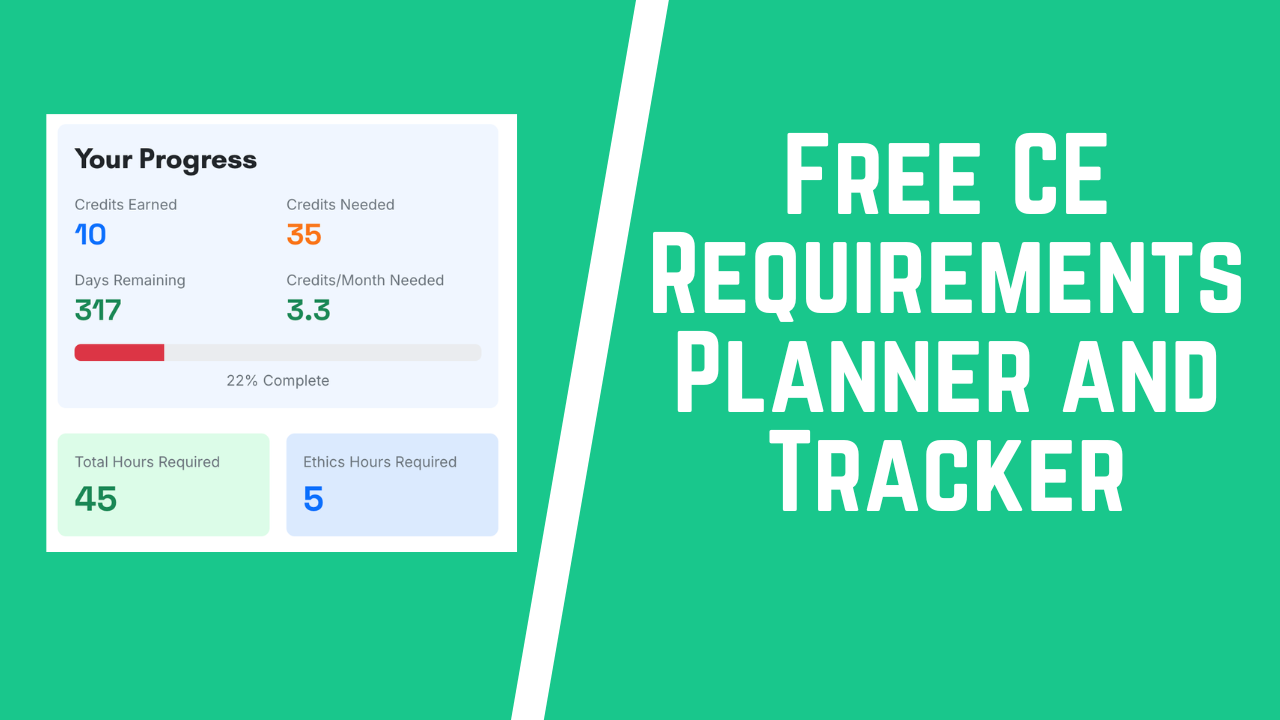
Did you know? Agents of Change Continuing Education offers Unlimited Access to 150+ CE courses for one low annual fee to meet your state’s requirements for Continuing Education credits.
We’ve helped thousands of Social Workers with Continuing Education, learn more here about Agents of Change and claim your 5 free CEUs.
1) Navigating Financial Aid: Scholarships and Grants for Social Work Continuing Education
Understanding the Landscape of Financial Aid
Financial aid for continuing education comes in various shapes and sizes. Scholarships are usually merit-based, recognizing your academic achievements, community service, or specific talents. Grants are often need-based, providing essential support to those who might not have the means to further their education otherwise. Both these forms of aid are gifts; they don’t need to be repaid, making them great opportunities for Social Workers with limited financial means.
Finding Scholarships: Where to Start
- Research, Research, Research: Start by searching for scholarships specifically targeted at Social Work professionals. Professional organizations, such as the National Association of Social Workers (NASW), often offer scholarships or have listings of available opportunities.
- Universities and Colleges: Don’t overlook your alma mater or the institution where you’re planning to study. Many universities offer scholarships for continuing education programs.
- Community Organizations and Non-Profits: Local community organizations, especially those focusing on social services, often have scholarship programs to support professionals in the field.
- Think Outside the Box: Some scholarships may not be explicitly labeled for Social Work but could apply to your area of study or interest. Broaden your search to include these opportunities.
Applying for Scholarships: Tips for Success
- Tailor Your Application: Highlight your experience in Social Work and your commitment to continuing education. Make a compelling case for why you deserve the scholarship.
- Gather Stellar Recommendations: References from colleagues, supervisors, or academic mentors who can vouch for your dedication to Social Work can significantly bolster your application.
- Keep an Eye on Deadlines: Scholarship opportunities have strict deadlines. Organize your application process to ensure you don’t miss out.
Grants: Your Path to Financial Relief
- Start with the Government: Begin your search with government-funded grants. The U.S. Department of Education offers grants that can apply to continuing education students.
- Explore Institutional Grants: Many educational institutions provide grants to students enrolled in their continuing education programs. These can often cover a significant portion of fees.
- Private Foundations and Corporations: Numerous private entities offer grants focusing on education and professional development. Some may target specific fields within Social Work, such as child welfare, mental health, or community development.
Navigating the Application Process
- Read Requirements Carefully: Each grant has its own set of requirements and eligibility criteria. Make sure you meet these before applying.
- Prepare a Strong Application: This typically includes a detailed application form, a personal statement, and possibly a proposal for how you plan to use the grant.
- Seek Help if Needed: Don’t hesitate to reach out to financial aid advisors or mentors who can guide you through the process.
Agents of Change Continuing Education offers Unlimited Access to 150+ CE courses for one low annual fee to meet your state’s requirements for Continuing Education.
2) Affordable Continuing Education Options: Your Budget-Friendly Guide
Embracing Online Learning Platforms Like Agents of Change
- Cost-Effective and Convenient: Online courses have revolutionized the way we approach education, particularly in fields like Social Work. These platforms often offer courses at a fraction of the cost of traditional classroom settings. Plus, the flexibility of learning at your own pace and on your schedule is perfect for busy professionals.
- Range of Courses: From specialized subjects like mental health and child welfare to broader topics like ethical practices in Social Work, online platforms offer a diverse range of courses. Agents of Change Continuing Education offers Unlimited Access to 150+ CE courses for one low annual fee to meet your state’s requirements for Continuing Education.
- Networking Opportunities: Many online courses provide forums and virtual networking events, allowing you to connect with peers and experts in the field. This can be a valuable resource for professional growth and job opportunities.
Community Colleges: An Underrated Resource
- Affordable Tuition Rates: Community colleges are an excellent option for continuing education, offering lower tuition rates compared to universities.
- Flexible Scheduling: Many community colleges offer evening and weekend classes, making them a viable option for Social Workers who are already juggling a full-time job.
- Local Networking: Attending a local community college can help you build a network within your community. This can be particularly beneficial for those working in community-based Social Work.
Workshops and Seminars
- Short-Term Commitment: Workshops and seminars are great for learning about specific topics over a short period. They are often hosted by professional organizations and can range from a few hours to a few days.
- Hands-On Experience: These events provide practical, hands-on experience that can be immediately applied to your work. They also offer a platform to discuss real-world scenarios and solutions with peers and mentors.
- Certification and Credits: Many of these workshops and seminars provide certification or continuing education credits, adding value to your professional qualifications.
Utilizing Free Resources
- Open Educational Resources (OER): There are numerous free educational materials available online, including textbooks, course materials, and lectures, specifically tailored for social workers.
- Free Courses from Agents of Change Continuing Education: Don’t forget to explore the free courses offered by Agents of Change Continuing Education. Courses like ChatGPT and AI for Social Workers and Powerful Home-School Partnerships are perfect examples of high-quality, cost-free education tailored to the needs of modern Social Workers.
Maximizing Employer Support
- Tuition Reimbursement Programs: Some employers offer tuition reimbursement programs as part of their benefits package. This can significantly reduce the financial burden of continuing education.
- Professional Development Funds: Inquire if your employer has a budget allocated for professional development.
Library and Community Resources
- Local Libraries: Libraries often provide access to a wealth of information, including books, journals, and even free workshops or talks.
- Community Centers: Local community centers sometimes host talks and workshops on topics relevant to Social Workers. These can be a low-cost way to gain new insights and meet other professionals in your area.
3) Free Social Work Continuing Education Courses: A Real Game-Changer
The Rise of Free Online Courses
- Accessibility: One of the most significant advantages of free online courses is their accessibility. Social Workers from any location, with any schedule, can access a wealth of knowledge at their fingertips.
- Diversity of Topics: These courses cover a broad spectrum of subjects, from traditional Social Work practices to emerging fields like AI and SocialWwork. This diversity allows professionals to explore new areas of interest or deepen their knowledge in a specific domain.
- Quality of Education: Many of these courses are offered by trustworthy institutions and organizations. They often feature experienced instructors and up-to-date content, providing a rich educational experience.
Highlighting Agents of Change Continuing Education
Agents of Change Continuing Education stands out for offering specialized free courses tailored for Social Workers. Let’s dive into a couple of their offerings:
- ChatGPT and AI for Social Workers:
- Futuristic Learning: This course takes a deep dive into the integration of AI technologies like ChatGPT in Social Work. It’s a unique opportunity to stay ahead in a field that’s increasingly intersecting with technology.
- Practical Skills: Participants learn practical applications of AI in various Social Work domains, enhancing their ability to provide innovative and evidence-based interventions.
- Ethical Considerations: A critical component of the course involves understanding the ethical implications of AI in Social Work, ensuring professionals are well-equipped to navigate this new terrain responsibly.
- Powerful Home-School Partnerships:
- Targeted Approach: Focused on school Social Workers and those working with parents and students, this course addresses the critical aspect of home-school collaboration.
- Real-World Application: The course offers insights into building and sustaining effective partnerships, which are crucial for student success. It’s particularly relevant in addressing the challenges and barriers that have emerged or intensified during the COVID-19 pandemic.
- Interactive Learning: With case scenarios and virtual interaction, the course provides a hands-on approach to learning, making the concepts more relatable and applicable.
The Benefits of Free Courses in Professional Development
- Continual Learning: Free courses enable Social Workers to engage in lifelong learning without financial constraints, keeping them intellectually stimulated and professionally relevant.
- Networking Opportunities: Many of these courses come with forums or discussion groups, allowing for networking with peers and experts in the field.
- Professional Recognition: Completing these courses often provides certificates or credits, which can be added to your professional portfolio, enhancing your resume and recognition in the field.
Making the Most of Free Resources
- Stay Informed: Keep an eye on announcements from professional associations, educational institutions, and Social Work platforms for new free course offerings.
- Be Selective: Choose courses that align with your career goals and interests. Since they’re free, there’s a temptation to enroll in many, but focusing on a few that are most relevant will yield better learning outcomes.
- Engage Actively: Participate in discussions, complete assignments, and engage with the course material fully to maximize the benefits of these courses.
4) FAQs – Social Work Continuing Education Grants, Scholarships, and Affordable Options
Q: How Can I Identify Quality and Free Continuing Education Courses for Social Workers?
A: To ensure the legitimacy of free continuing education courses, start by checking if they are offered by accredited institutions, reputable organizations, or recognized professional bodies in Social Work.
Look for courses that provide detailed descriptions, learning objectives, and information about the instructors. Additionally, reading reviews or testimonials from past participants can offer insights into the course’s quality and relevance. Remember, credible courses often provide certificates or continuing education units (CEUs) upon completion, which can be a sign of their legitimacy and value to your professional development.
Learn more about quality free continuing education offered by Agents of Change here
Q: What Strategies Can I Use to Balance Continuing Education with My Current Work and Personal Life?
A: Balancing continuing education with work and personal life requires careful planning and time management. Here are some strategies:
- Set Realistic Goals: Define what you want to achieve with your continuing education and set manageable targets.
- Create a Schedule: Allocate specific times for studying, and try to stick to this routine.
- Prioritize Tasks: Focus on the most critical tasks first and be prepared to adjust as needed based on your work and personal life demands.
- Seek Support: Inform your employer, family, and friends about your educational endeavors. They can offer support, understanding, and possibly flexibility in your responsibilities.
- Use Efficient Study Methods: Engage in active learning techniques like summarizing information, teaching concepts to others, or applying theories to real-life situations. This can make your study sessions more effective and less time-consuming.
- Take Care of Yourself: Ensure you’re getting enough rest, exercise, and relaxation. Maintaining your well-being is crucial for effective learning and balancing life’s demands.
Q: How Can Free Courses Like ‘ChatGPT and AI for Social Workers’ and ‘Powerful Home-School Partnerships’ Enhance My Career in Social Work?
A: Courses like “ChatGPT and AI for Social Workers” and “Powerful Home-School Partnerships” can significantly enhance your career in several ways:
- Staying Current: These courses cover contemporary and emerging topics in social work, ensuring you stay up-to-date with the latest trends and practices.
- Skill Development: They provide practical skills and knowledge that can be directly applied to your work, improving your effectiveness and efficiency as a Social Worker.
- Innovative Approaches: Understanding AI in Social Work and mastering home-school collaboration techniques allow you to adopt innovative approaches in your practice.
- Professional Networking: Participating in such courses exposes you to a network of professionals and experts, potentially opening doors to new opportunities and collaborations.
- Enhancing Credibility: Completing these courses and adding them to your professional portfolio showcases your commitment to continuous learning and professional development, enhancing your credibility in the field.
5) Conclusion
The financial aspect of Social Work continuing education doesn’t have to be a barrier to your professional growth. With many scholarships, grants, and affordable education options available, advancing in your career while managing your finances is entirely possible.
By harnessing opportunities like scholarships and grants, and embracing affordable and free educational resources, you can continue to enrich your knowledge and skills in Social Work without the stress of financial strain.
Additionally, the availability of free continuing education courses, particularly those offered by Agents of Change Continuing Education, represents a significant opportunity for Social Workers. These courses not only alleviate financial concerns but also provide high-quality, specialized knowledge that is crucial in today’s rapidly evolving Social Work landscape.
Learn more about Agents of Change Continuing Education. We’ve helped thousands of Social Workers with their Continuing Education and want you to be next!
————————————————————————————————————————————————
► Learn more about the Agents of Change Continuing Education here: https://agentsofchangetraining.com
About the Instructor, Meagan Mitchell: Meagan is a Licensed Clinical Social Worker and has been providing Continuing Education for Social Workers for more than 8 years. From all of this experience helping others pass their exams, she created Agents of Change Continuing Education to help Social Workers stay up-to-date on the latest trends, research, and techniques.
#socialwork #socialworker #socialwork #socialworklicense #socialworklicensing #continuinged #continuingeducation #ce #socialworkce #freecesocialwork #lmsw #lcsw
Disclaimer: This content has been made available for informational and educational purposes only. This content is not intended to be a substitute for professional medical or clinical advice, diagnosis, or treatment