In the demanding world of Social Work, professionals face a unique blend of emotional, physical, and systemic stressors that can drain even the most dedicated individuals. This isn’t just about the day-to-day hurdles; it’s about the responsibility of holding space for others’ trauma while navigating complex human needs and bureaucratic mazes.
This blog post is a toolkit for transformation, designed specifically for the unsung heroes of our communities—Social Workers. From the art of self-care to the power of professional development, and the critical importance of establishing boundaries, we’re about to embark on a journey that redefines the way Social Workers engage with their work and themselves.
Did you know? Agents of Change Continuing Education offers Unlimited Access to 150+ CE courses for one low annual fee to meet your state’s requirements for Continuing Education credits.
We’ve helped thousands of Social Workers with Continuing Education, learn more here about Agents of Change and claim your 5 free CEUs.
1) Why Stress Management for Social Workers?
In the heart of Social Work lies a profound commitment to serve, often accompanied by an equally significant emotional and physical toll. Effective stress management is a necessity given the high stakes of the profession.
The Unique Stressors of Social Work
Social Work is challenging, dealing with complex human issues that often do not have straightforward solutions. Here are some of the unique stressors Social Workers face:
- Emotional Intensity: Daily exposure to the suffering, trauma, and crises of others can lead to emotional exhaustion and compassion fatigue.
- High Caseloads: Often, Social Workers are tasked with managing more cases than is feasible, stretching their time and emotional resources thin.
- Bureaucratic Barriers: Navigating the maze of social services, legal systems, and organizational red tape can be frustrating and demoralizing.
- Ethical Dilemmas: Social Workers frequently face situations where ethical considerations and practical realities conflict, creating internal turmoil.
- Personal Investment: The deep level of personal commitment and care for clients’ well-being can blur professional boundaries, leading to stress and burnout.
The Impact of Stress on Social Workers
- Burnout: Chronic stress can lead to burnout, characterized by emotional exhaustion, depersonalization, and reduced personal accomplishment.
- Physical Health: High levels of stress can manifest in physical ailments, including headaches, insomnia, high blood pressure, and weakened immune function.
- Mental Health: The psychological toll can include anxiety, depression, and secondary traumatic stress, impacting personal and professional life.
- Quality of Care: Stress can impair judgment, decision-making, and empathy, affecting the quality of support provided to clients.
- Professional Turnover: High stress levels contribute to higher turnover rates within the profession, affecting continuity of care and placing additional strain on the system.
The Case for Proactive Stress Management
Given these challenges, proactive stress management is essential.
- Sustainability: Effective stress management ensures that Social Workers can continue to do their important work over the long haul, without succumbing to burnout.
- Well-being: Prioritizing mental and physical health allows Social Workers to maintain a higher quality of life, both personally and professionally.
- Efficacy: Managing stress effectively can enhance focus, decision-making, and emotional resilience, leading to better outcomes for clients.
- Professional Satisfaction: Social Workers who manage stress well report higher levels of job satisfaction and a stronger sense of accomplishment.
Agents of Change Continuing Education offers Unlimited Access to 150+ CE courses for one low annual fee to meet your state’s requirements for Continuing Education.
2) Strategies for Effective Stress Management
Addressing stress in Social Work requires a balanced approach, including:
- Personal Self-Care: Engaging in regular physical activity, maintaining a balanced diet, getting adequate sleep, and pursuing hobbies and interests outside of work.
- Professional Boundaries: Setting clear boundaries between work and personal life to prevent overextension and preserve personal time and energy.
- Support Networks: Leveraging the support of colleagues, professional networks, and personal relationships for emotional support and practical advice.
- Continuous Learning: Pursuing professional development opportunities to enhance skills, increase confidence, and reduce feelings of helplessness and frustration.
3) Developing a Personalized Stress Management Plan
Creating a personalized stress management plan allows you to identify what specifically triggers your stress and implement strategies that resonate with your personal and professional life. Here’s how to build your plan, step by step:
Assess Your Stress
- Identify Stressors: Begin by pinpointing the sources of your stress. Are they related to caseloads, client interactions, administrative burdens, or personal-work life imbalance?
- Understand Your Responses: Notice how you react to stress both physically (e.g., headaches, fatigue) and emotionally (e.g., feeling overwhelmed, anxious).
Set Your Goals
- Define What You Need: Based on your assessment, determine what you need to reduce stress. Do you need more time for self-care, better boundaries, or support from colleagues?
- Make Them Specific: Ensure your goals are specific, measurable, achievable, relevant, and time-bound (SMART).
Choose Your Strategies
- Self-Care Practices: Decide which self-care activities you’ll commit to, like exercise, meditation, hobbies, or therapy.
- Professional Boundaries: Plan how you’ll establish and maintain boundaries to protect your time and emotional energy.
- Support Systems: Identify who in your professional network or personal life can provide support and how you’ll engage with them.
Implement Your Plan
- Integrate Practices into Your Routine: Schedule your self-care activities and boundary-setting practices into your daily or weekly routine.
- Use Tools and Resources: Leverage any apps, books, or groups that can support your stress management efforts.
Monitor and Adjust
- Keep a Journal: Track your stress levels and the effectiveness of your strategies over time.
- Be Flexible: Be willing to adjust your plan as needed. What works one month may need tweaking the next.
Key Components of Your Plan
Your personalized plan may include:
- Daily Mindfulness Practice: Dedicate time each day for mindfulness or meditation to enhance emotional resilience.
- Weekly Professional Development: Allocate time weekly to learn new skills or engage in professional supervision to tackle work challenges more effectively.
- Regular Physical Activity: Incorporate physical exercise into your routine to reduce stress and improve mental health.
- Social Connections: Schedule regular check-ins with friends, family, or colleagues to maintain a supportive network.
Tips for Success
- Start Small: Begin with manageable changes to ensure sustainability.
- Celebrate Progress: Acknowledge and celebrate your achievements, no matter how small.
- Seek Feedback: Don’t hesitate to ask for feedback from peers or mentors on your stress management strategies.
4) FAQs – Social Work Stress Management
Q: How Can I Recognize the Signs of Burnout Before It’s Too Late?
A: Recognizing the early signs of burnout is crucial for social workers, given the high-stress nature of the profession. Burnout can creep up subtly, making it important to be vigilant about its indicators. Key signs include:
- Emotional Exhaustion: Feeling drained, fatigued, or overwhelmed by work on a regular basis.
- Cynicism or Detachment: Developing a negative, indifferent, or emotionally detached attitude towards clients and your work.
- Feeling Ineffective: Experiencing a sense of failure or lack of accomplishment, doubting your skills and the value of your work.
By keeping aware of these symptoms, you can take proactive steps to manage stress and prevent burnout, ensuring you maintain your passion and efficacy in Social Work.
Q: What Are Some Quick Stress Relief Techniques for Busy Social Workers?
A: Social Workers often need stress relief strategies that can be seamlessly integrated into their busy schedules. Here are a few quick and effective techniques:
- Deep Breathing: Taking a few deep breaths can calm the nervous system. Try the 4-7-8 technique: inhale for 4 seconds, hold for 7 seconds, and exhale for 8 seconds.
- Mindful Moments: Spend a minute or two focusing fully on a simple activity, like drinking a cup of tea, to bring your attention back to the present and reduce stress.
- Gratitude Reflection: Take a moment to reflect on or jot down three things you’re grateful for each day. This can shift focus away from stressors and towards positive aspects of life.
Implementing these techniques can provide immediate relief in stressful moments and can be a lifeline on particularly challenging days.
Q: How Do I Balance Professional Development with Stress Management?
A: Balancing professional development with stress management is essential for Social Workers who wish to grow in their careers without compromising their well-being. Here are some strategies to maintain this balance:
- Set Clear Priorities: Identify your most pressing professional development needs and focus on those. It’s not necessary to tackle everything at once.
- Integrate Learning into Your Routine: Look for ways to incorporate learning into your daily work, such as listening to educational podcasts during commutes or setting aside a specific time each week for online courses.
- Choose Stress-Reducing Learning Opportunities: Engage in professional development that also offers stress management benefits, such as workshops on resilience, mindfulness, or self-care practices for Social Workers.
5) Conclusion
Social Work involves navigating through emotional, physical, and systemic challenges that can take a toll on even the most resilient individuals. However, by adopting a proactive and personalized approach to stress management, Social Workers can not only safeguard their well-being but also enhance their professional fulfillment and efficacy. This journey towards managing stress is both personal and collective, requiring an ongoing commitment to self-care, professional development, and community support.
The strategies and insights outlined in this blog post are designed to serve as a guide for Social Workers who find themselves in a state of stress and burnout. It’s a reminder that prioritizing one’s health and well-being is not an act of selfishness but a necessity for delivering high-quality care and support to those in need. From recognizing the early signs of burnout to integrating quick stress relief techniques and balancing professional development, there are many pathways to managing stress effectively.
Learn more about Agents of Change Continuing Education. We’ve helped thousands of Social Workers with their Continuing Education and want you to be next!
————————————————————————————————————————————————
► Learn more about the Agents of Change Continuing Education here: https://agentsofchangetraining.com
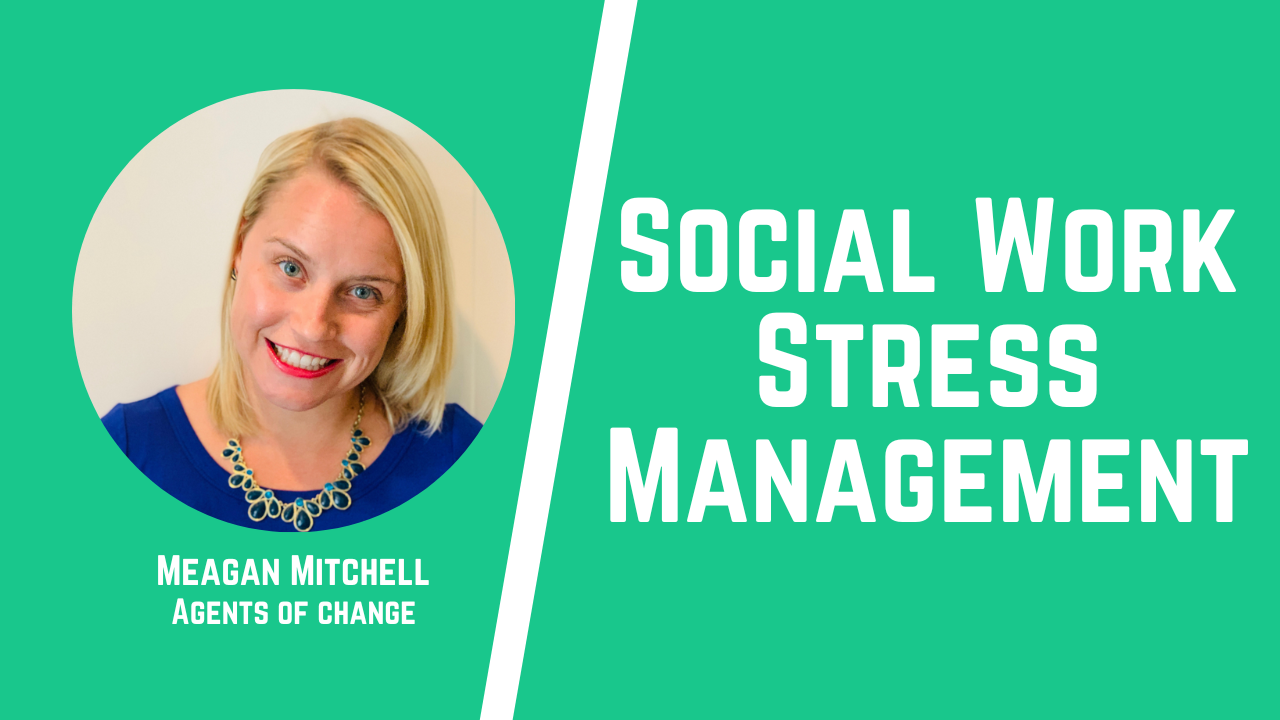
About the Instructor, Meagan Mitchell: Meagan is a Licensed Clinical Social Worker and has been providing Continuing Education for Social Workers for more than 8 years. From all of this experience helping others pass their exams, she created Agents of Change Continuing Education to help Social Workers stay up-to-date on the latest trends, research, and techniques.
#socialwork #socialworker #socialwork #socialworklicense #socialworklicensing #continuinged #continuingeducation #ce #socialworkce #freecesocialwork #lmsw #lcsw
Disclaimer: This content has been made available for informational and educational purposes only. This content is not intended to be a substitute for professional medical or clinical advice, diagnosis, or treatment