
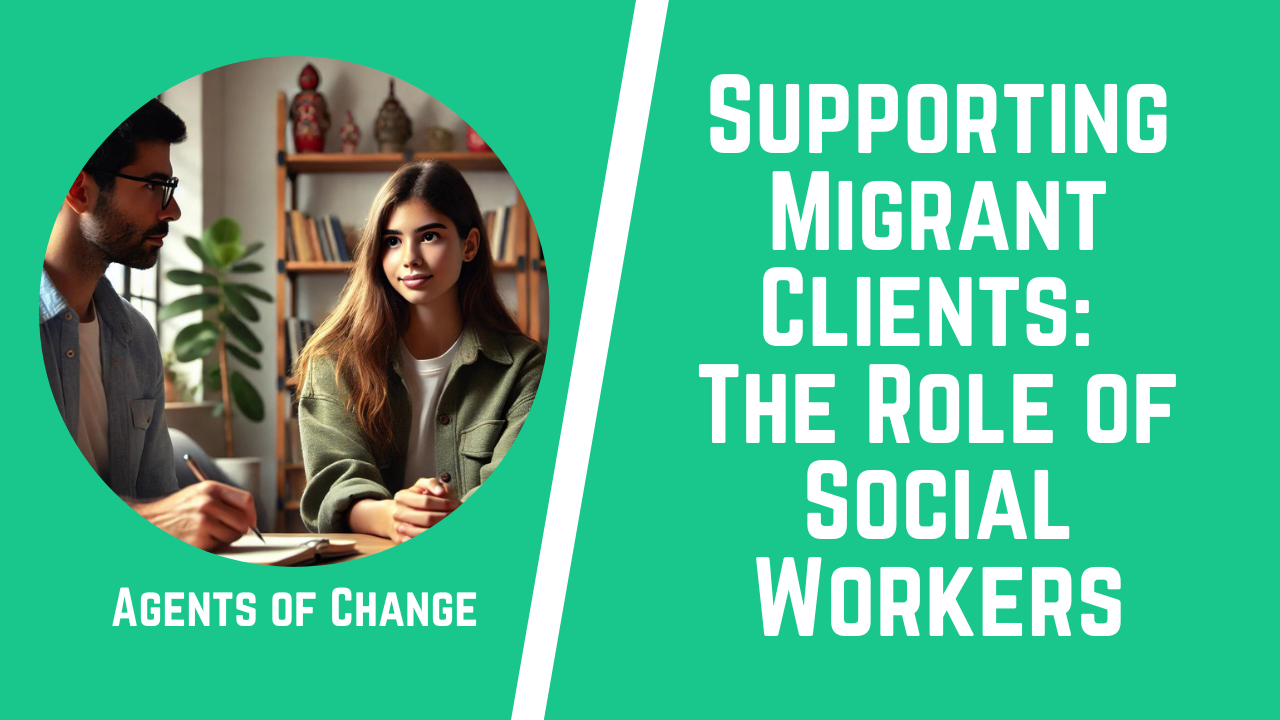
Supporting Migrant Clients: The Vital Role of Social Workers and Mental Health Professionals

Supporting Migrant Clients: The Vital Role of Social Workers and Mental Health Professionals

In an increasingly interconnected world, migration is a reality for millions seeking better lives, safety, or family reunification across borders. Yet, this journey is fraught with obstacles, from navigating complex legal systems to adapting to new cultural landscapes.

Migrants often face language barriers, discrimination, and the emotional toll of leaving behind their homes and loved ones. This is where Social Workers step in, pivotal in supporting migrant clients and helping them overcome these challenges.

Social Workers act as advocates, counselors, and guides, offering a lifeline to migrants who are trying to build new lives in unfamiliar environments. They provide crucial services such as legal assistance, cultural orientation, and emotional support, ensuring that migrants can access the resources they need to thrive. With specialized training in cultural competence and trauma-informed care, Social Workers are uniquely equipped to address the diverse needs of migrant populations, helping them navigate the complexities of their new surroundings.

Did you know? Agents of Change Continuing Education offers Unlimited Access to 150+ CE courses for one low annual fee to meet your state’s requirements for Continuing Education credits and level up your career.

We’ve helped thousands of Social Workers, Counselors, and Mental Health Professionals with Continuing Education, learn more here about Agents of Change and claim your 5 free CEUs.

1) Understanding the Migrant Experience

A young migrant child meeting with a diverse female Social Worker in a bright and welcoming office, creating a supportive and friendly environment.

Migrants face a multitude of challenges when they move to a new country. These challenges are often multifaceted, involving legal, cultural, emotional, and practical aspects of life. To effectively support migrant clients, Social Workers must have a comprehensive understanding of these experiences and the obstacles that migrants face on a daily basis.

Legal Challenges

Navigating the legal landscape is one of the first and most daunting challenges for migrants. Immigration laws are complex and vary greatly from country to country. Migrants may face:

  • Visa and Documentation Issues: Obtaining the correct visas and maintaining legal status can be complicated.

  • Asylum and Refugee Claims: Many migrants flee persecution and must navigate the asylum process, which can be lengthy and stressful.

  • Deportation Risks: The fear of deportation can loom large, especially for those with uncertain or irregular legal status.

  • Work Permits and Employment Rights: Securing work permits and understanding employment rights is crucial for financial stability.

Social Workers assist migrants by providing legal guidance, helping them understand their rights, and connecting them with legal resources. They also advocate on behalf of migrants to ensure they receive fair treatment and access to necessary legal services.

Cultural and Language Barriers

Adapting to a new culture and language can be overwhelming. Migrants often struggle with:

  • Language Barriers: Not speaking the local language makes it difficult to communicate, access services, and find employment.

  • Cultural Norms and Practices: Understanding and adapting to new cultural norms can lead to confusion and frustration.

  • Social Isolation: Without a support network, migrants can feel isolated and disconnected from their new community.

  • Discrimination and Prejudice: Facing xenophobia and bias can create a hostile environment, further hindering integration.

To bridge these gaps, Social Workers provide language support, cultural orientation, and community integration services. They organize language classes, connect migrants with cultural mentors, and facilitate support groups to help migrants build social networks.

Emotional and Mental Health Challenges

The emotional toll of migration is significant. Migrants often experience:

  • Stress and Anxiety: The uncertainty of their legal status, financial stability, and future prospects can cause immense stress.

  • Trauma: Many migrants have experienced traumatic events such as war, violence, or persecution.

  • Homesickness and Loss: Being away from loved ones and familiar surroundings can lead to deep feelings of loss and homesickness.

  • Depression and Mental Health Issues: The cumulative effect of these stresses can lead to depression and other mental health issues.

Social Workers are crucial in addressing these emotional and mental health needs. They provide counseling services, connect clients with mental health professionals, and offer support groups to help migrants process their experiences and build resilience.

Practical Challenges

A diverse Social Worker, dressed casually in a sweater and jeans, helping a Hispanic migrant family with housing in a cozy and welcoming office environment. The Social Worker is providing guidance on housing options, creating a supportive and approachable atmosphere for the family.

Everyday practicalities can be a significant source of stress for migrants. These include:

  • Housing: Finding safe and affordable housing can be difficult, especially in areas with high demand.

  • Employment: Securing a job that matches their skills and qualifications is often challenging, and many migrants face exploitation in the workplace.

  • Education: Ensuring that children can access education and that adults can pursue further training or education is crucial for long-term integration.

  • Healthcare: Accessing healthcare services and understanding health insurance systems can be complicated and intimidating.

Social Workers assist migrants with these practical needs by providing resources and guidance. They help find housing, connect clients with employment services, advocate for educational access, and navigate healthcare systems.

Community Integration

Building a sense of belonging in a new community is vital for the well-being of migrants. Social Workers facilitate community integration through:

  • Community Programs: Organizing events and activities that bring migrants and locals together.

  • Support Networks: Creating and connecting migrants with support networks that offer mutual assistance and solidarity.

  • Cultural Exchange: Promoting cultural exchange and understanding between migrants and the host community.

  • Volunteering Opportunities: Encouraging migrants to volunteer in their new communities to build connections and give back.

By focusing on community integration, Social Workers help migrants feel welcomed and supported, fostering a more inclusive and cohesive society.

Learn more about Agents of Change Continuing Education. We’ve helped thousands of Social Workers, Counselors, and Mental Health Professionals with their Continuing Education and want you to be next!

2) The Role of Social Workers

Social Workers play an indispensable role in the lives of migrant clients, acting as advocates, mediators, counselors, and facilitators. Understanding the depth and breadth of their responsibilities helps highlight the critical nature of their work.

Advocacy and Legal Support

One of the primary roles of Social Workers in supporting migrant clients is providing advocacy and legal support. Navigating the complex legal landscape of immigration can be daunting, but Social Workers help by:

  • Guidance on Legal Rights: Educating migrants about their legal rights and the immigration laws that affect them.

  • Assistance with Documentation: Helping clients complete necessary paperwork, such as visa applications and asylum claims.

  • Access to Legal Services: Connecting clients with legal aid organizations and pro bono attorneys.

  • Court Advocacy: Representing or accompanying clients in court proceedings to ensure their rights are protected.

  • Policy Advocacy: Engaging in advocacy efforts to influence policies that impact migrants, pushing for fair and humane immigration laws.

By providing these services, Social Workers ensure that migrants are not left to navigate the legal system alone and have a better chance of achieving legal stability.

Cultural Competence and Sensitivity

Cultural competence is crucial for Social Workers supporting migrant clients. It involves understanding, respecting, and effectively interacting with people from diverse cultural backgrounds. Social Workers achieve this by:

  • Cultural Education: Continuously learning about the cultures, languages, and traditions of their clients.

  • Training Programs: Participating in courses such as Strengthening Migrant Youth through Culturally Competent Care to enhance their cultural competency skills.

  • Language Support: Providing translation services or language classes to help migrants overcome language barriers.

  • Cultural Sensitivity: Respecting cultural differences in their practices and interactions with clients.

  • Inclusive Practices: Ensuring that services and programs are accessible and relevant to people from diverse cultural backgrounds.

Cultural competence allows Social Workers to build trust and rapport with their clients, leading to more effective support and better outcomes.

Emotional and Mental Health Support

A stressed-out migrant talking with a compassionate female Social Worker in a quiet, comfortable office setting. The Social Worker is providing support and empathy, creating a soothing and reassuring atmosphere for the distressed individual.

The emotional well-being of migrants is a critical area where Social Workers significantly impact. Migrants often face stress, trauma, and mental health challenges, which Social Workers address through:

  • Counseling Services: Offering individual and group therapy sessions to help clients process their experiences and emotions.

  • Mental Health Resources: Connecting clients with mental health professionals and services tailored to their needs.

  • Trauma-Informed Care: Providing care that recognizes and responds to the effects of trauma on clients’ lives.

  • Support Groups: Facilitating support groups where migrants can share their experiences and build a sense of community.

  • Crisis Intervention: Offering immediate support and intervention during times of crisis, such as after a traumatic event or during a mental health emergency.

These services help migrants build resilience, cope with their challenges, and improve their overall mental health.

Practical Assistance

Migrants often need help with the practical aspects of daily life. Social Workers assist by:

  • Housing Assistance: Helping clients find safe and affordable housing and navigating the housing market.

  • Employment Support: Assisting with job searches, resume writing, and connecting clients with vocational training programs.

  • Educational Access: Ensuring that migrant children and adults have access to educational opportunities, from enrolling children in school to helping adults pursue further education.

  • Healthcare Navigation: Guiding clients through the healthcare system, helping them understand health insurance options, and connecting them with medical providers.

  • Financial Assistance: Providing information on financial aid, benefits, and budgeting assistance.

By addressing these practical needs, Social Workers help migrants achieve stability and self-sufficiency in their new environments.

Community Integration

Building a sense of belonging and integration within the community is vital for migrants’ well-being. Social Workers facilitate community integration through:

  • Community Programs: Organizing events, activities, and programs that bring migrants and locals together to foster understanding and support.

  • Support Networks: Creating and connecting migrants with support networks that offer mutual assistance and solidarity.

  • Cultural Exchange Initiatives: Promoting cultural exchange and understanding between migrants and the host community to build a more inclusive society.

  • Volunteering Opportunities: Encouraging migrants to participate in volunteer work, which helps them build connections and contribute to their new community.

  • Mentorship Programs: Pairing migrants with mentors who can provide guidance, support, and friendship as they navigate their new lives.

These efforts help migrants feel welcomed and integrated, reducing feelings of isolation and promoting a sense of community belonging.

We’ve helped thousands of Social Workers, Counselors, and Mental Health Professionals with Continuing Education, learn more here about Agents of Change and claim your 5 free CEUs!

3) Specialized Training for Social Workers

Supporting migrant clients effectively requires Social Workers to have specialized training and knowledge. The challenges faced by migrants are diverse and complex, necessitating a robust skill set that includes cultural competence, legal knowledge, and mental health expertise.

Continuous professional development through specialized training ensures that Social Workers are well-equipped to meet these needs. This section delves into the various aspects of specialized training for Social Workers and highlights essential courses and resources.

Importance of Specialized Training

Specialized training for Social Workers is vital for several reasons:

  • Cultural Competence: Understanding diverse cultural backgrounds and practices.

  • Legal Acumen: Navigating complex immigration laws and policies.

  • Mental Health Expertise: Addressing trauma and mental health issues specific to migrants.

  • Advocacy Skills: Effectively advocating for migrants’ rights and needs.

By engaging in specialized training, Social Workers can provide comprehensive support that addresses the unique challenges faced by migrant clients.

Key Areas of Specialized Training

1. Cultural Competence

Cultural competence is the cornerstone of effective Social Work practice with migrant clients. It involves understanding and respecting cultural differences and incorporating this knowledge into practice. Training in cultural competence includes:

  • Cultural Awareness: Understanding the cultural backgrounds of migrant clients.

  • Language Skills: Learning basic communication in clients’ native languages.

  • Cultural Sensitivity: Developing respectful and inclusive practices.

  • Cultural Adaptation: Adapting interventions to be culturally relevant and effective.

Courses like Strengthening Migrant Youth through Culturally Competent Care offered by Agents of Change Continuing Education are invaluable for enhancing cultural competence. This course provides insights into the cultural dynamics affecting migrant youth and offers strategies for culturally responsive care.

2. Legal Knowledge

A solid understanding of immigration laws and policies is crucial for Social Workers supporting migrant clients. Legal training includes:

  • Immigration Law Basics: Understanding visas, asylum, and refugee statuses.

  • Rights and Protections: Knowing the legal rights of migrants and how to protect them.

  • Documentation Assistance: Helping clients with necessary legal paperwork.

  • Policy Advocacy: Engaging in advocacy to influence immigration policies.

Social Workers can benefit from workshops and courses that focus on the legal aspects of migration, ensuring they can provide accurate and effective guidance to their clients.

3. Mental Health Expertise

Migrants often face significant mental health challenges, including trauma, stress, and anxiety. Specialized training in mental health includes:

  • Trauma-Informed Care: Understanding the impact of trauma and providing appropriate care.

  • Counseling Techniques: Learning effective counseling methods for migrant clients.

  • Mental Health Resources: Connecting clients with mental health services and support groups.

  • Crisis Intervention: Providing immediate support during mental health crises.

Agents of Change Continuing Education offers a series of courses on migrant youth mental health, including Migrant Youth Mental Health (Part 2) and Migrant Youth Mental Health (Pt. 3) – Advocacy Matters! These courses dive into the specific mental health needs of migrant youth and the importance of advocacy in supporting their well-being.

Types of Specialized Training

1. Continuing Education Courses

Continuing education courses are designed to keep Social Workers up-to-date with the latest practices and knowledge. These courses cover a range of topics relevant to migrant support and are often available online for convenience. Agents of Change Continuing Education provides over 150 courses for Social Workers to earn Continuing Education Credits required to keep their license active.

2. Workshops and Seminars

Workshops and seminars offer intensive, hands-on learning experiences. These events are often led by experts in the field and provide opportunities for Social Workers to engage with new techniques and strategies. Topics can include cultural competence, legal advocacy, and mental health interventions.

3. Webinars and Online Training

Webinars and online training modules are flexible options for Social Workers seeking to enhance their skills. These resources allow Social Workers to learn at their own pace and are often more accessible for those with busy schedules. Topics are wide-ranging and can include everything from trauma-informed care to legal rights and protections.

Benefits of Specialized Training

Engaging in specialized training offers numerous benefits for Social Workers and their clients:

  • Enhanced Skills: Develop new skills and techniques tailored to the needs of migrant clients.

  • Improved Outcomes: Provide more effective support, leading to better outcomes for clients.

  • Professional Growth: Advance in the field of social work with enhanced knowledge and expertise.

  • Client Trust: Build trust with clients through culturally competent and knowledgeable support.

  • Advocacy Impact: Influence policy and advocate more effectively for migrants’ rights.

Resources for Specialized Training

Several organizations and platforms provide specialized training for Social Workers:

  • Agents of Change Continuing Education: Offers a wide range of courses, including those focused on migrant youth mental health and cultural competence.

  • National Association of Social Workers (NASW): Provides resources, training, and certifications for Social Workers.

  • Local Universities and Colleges: Many institutions offer continuing education programs and certificates in social work.

  • Professional Conferences: Attending conferences can provide access to workshops, seminars, and networking opportunities.

4) FAQs – Supporting Migrant Clients

Q: Why is cultural competence essential for Social Workers supporting migrant clients?

A: Cultural competence is crucial because it enables Social Workers to understand and respect the diverse backgrounds of their clients. This understanding helps build trust and rapport, which are vital for effective support.

By being culturally competent, Social Workers can provide services that are relevant and respectful, reducing misunderstandings and increasing the likelihood of positive outcomes. Training in cultural competence, such as courses offered by Agents of Change Continuing Education, equips Social Workers, Counselors, and Mental Health Professionals with the skills to navigate cultural differences and provide more tailored and effective support.

Q: How can Social Workers stay updated on best practices for supporting migrant clients?

A: Continuous education is key for Social Workers to stay informed about best practices and new developments in supporting migrant clients. Enrolling in specialized courses, attending workshops and seminars, and participating in webinars are effective ways to keep skills and knowledge current.

For instance, Agents of Change Continuing Education offers a variety of courses specifically focused on migrant youth mental health and culturally competent care. Additionally, engaging with professional organizations like the National Association of Social Workers (NASW) and attending relevant conferences can provide valuable insights and networking opportunities.

Q: What are some common mental health challenges faced by migrants, and how can Social Workers address them?

A: Migrants often face significant mental health challenges, including stress, anxiety, trauma, and depression. These issues can arise from the uncertainty of their legal status, separation from loved ones, and the trauma of fleeing conflict or persecution.

Social Workers can address these challenges by providing trauma-informed care, offering individual and group counseling, and connecting clients with mental health resources. Specialized training, such as the courses on migrant youth mental health provided by Agents of Change Continuing Education, equips Social Workers, Counselors, and Mental Health Professionals with the tools to support the mental health needs of migrants effectively. Additionally, facilitating support groups and crisis intervention services can help migrants build resilience and cope with their experiences.

5) Conclusion

Supporting migrant clients is a demanding task that requires a deep understanding of their unique challenges and needs. Social Workers play a vital role in helping migrants navigate the complexities of their new environments, from legal issues to cultural adaptation and mental health support.

By providing comprehensive services that address these diverse needs, Social Workers, Counselors, and Mental Health Professionals not only improve the lives of individual migrants but also contribute to creating more inclusive and supportive communities.

Continuous professional development through specialized training is essential for Social Workers, Counselors, and Mental Health Professionals to remain effective in their roles. Programs like those offered by Agents of Change Continuing Education equip Social Workers, Counselors, and Mental Health Professionals with the skills and knowledge necessary to address the specific challenges faced by migrant clients.

Courses on cultural competence, legal advocacy, and mental health are particularly valuable in ensuring that Social Workers can provide informed, compassionate, and effective support. By engaging in ongoing education, Social Workers can stay at the forefront of best practices and emerging trends in migrant support.

Learn more about Agents of Change Continuing Education. We’ve helped thousands of Social Workers, Counselors, and Mental Health Professionals with their Continuing Education and want you to be next!

————————————————————————————————————————————————

► Learn more about the Agents of Change Continuing Education here: https://agentsofchangetraining.com

About the Instructor, Meagan Mitchell: Meagan is a Licensed Clinical Social Worker and has been providing Continuing Education for Social Workers, Counselors, and Mental Health Professionals for more than 8 years. From all of this experience helping others pass their exams, she created Agents of Change Continuing Education to help Social Workers stay up-to-date on the latest trends, research, and techniques.

#socialwork #socialworker #socialwork #socialworklicense #socialworklicensing #continuinged #continuingeducation #ce #socialworkce #freecesocialwork #lmsw #lcsw

Disclaimer: This content has been made available for informational and educational purposes only. This content is not intended to be a substitute for professional medical or clinical advice, diagnosis, or treatment


Share:

Discover more from Agents of Change

Subscribe now to keep reading and get access to the full archive.

Continue reading

New LIVE CE event - Therapeutic Interventions for the Treatment of Clients with Chronic Pain - Get 3 CE credits