

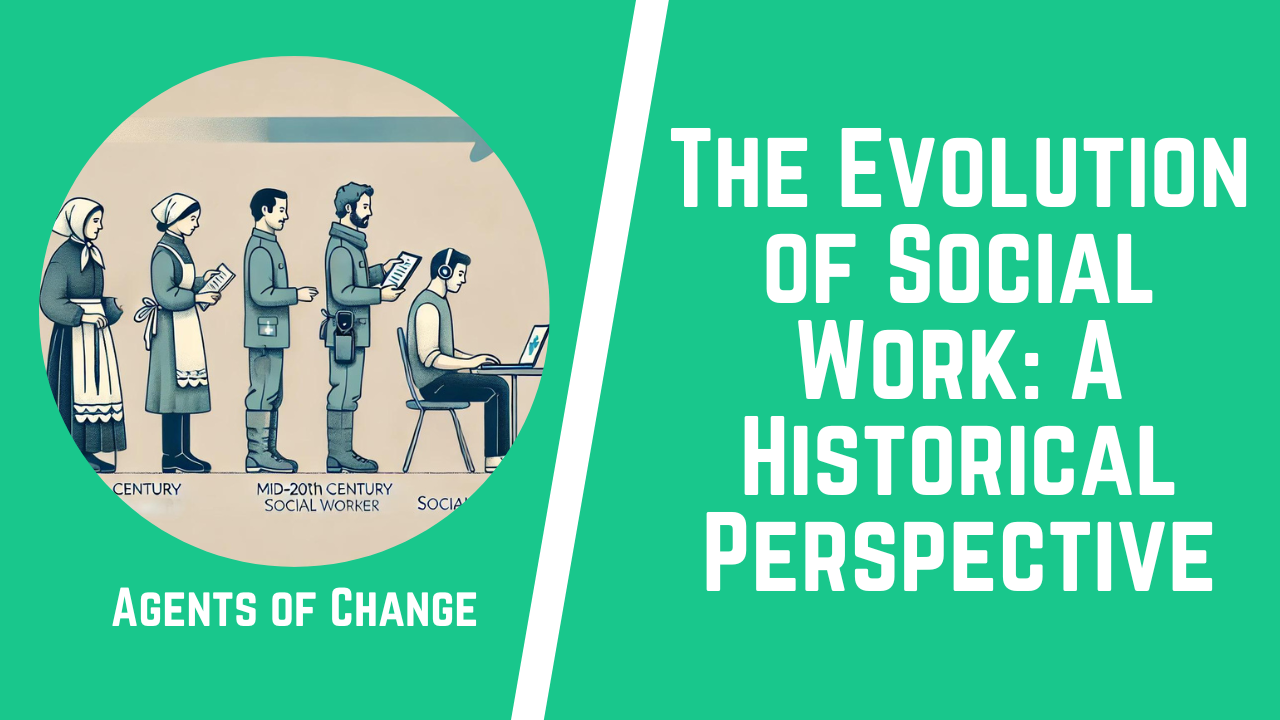
Social Work, a profession deeply rooted in compassion and a commitment to social justice, has come a long way since its early days. What began as charitable efforts driven by religious and moral obligations has transformed into a dynamic and multifaceted discipline that addresses a wide range of social issues.
From helping individuals and families in need to advocating for systemic change, Social Workers have become vital agents of progress and equity in our society. But how did this profession evolve? What historical milestones have shaped the way Social Workers operate today?
Understanding the evolution of Social Work is essential for those within the profession and anyone interested in the broader social justice landscape. By tracing the development of Social Work from its early foundations to its current form, we can appreciate the perseverance, adaptability, and innovation that have characterized the field. This journey through history reveals the critical roles that Social Workers have played in responding to societal challenges, from the Industrial Revolution to the Civil Rights Movement and beyond.
Did you know? Agents of Change Continuing Education offers Unlimited Access to 150+ CE courses for one low annual fee to meet your state’s requirements for Continuing Education credits and level up your career.
We’ve helped thousands of Social Workers with Continuing Education, learn more here about Agents of Change and claim your 5 free CEUs.
1) The Early Foundations of Social Work
The roots of Social Work extend deep into history, long before the profession was formalized. Its early foundations were built on a combination of religious, moral, and community-based efforts aimed at helping those in need.

From the organized charity work of the medieval church to the systematic approaches of the 19th century, these early efforts laid the groundwork for what would eventually become the modern field of Social Work. Understanding these foundations provides crucial context for the evolution of Social Work and helps us appreciate the profession’s ongoing commitment to social justice and community well-being.
Charitable and Religious Beginnings
The earliest forms of Social Work can be traced back to charitable and religious practices that focused on caring for the poor and vulnerable. Religious institutions, particularly the Christian church, played a central role in these efforts during the medieval period. Charity was viewed as a moral duty, and the church organized various forms of assistance, such as almsgiving, shelter for the homeless, and care for orphans and the elderly.
Key features of early charitable efforts:
-
Almsgiving: The practice of giving money or goods to the poor, often considered a religious obligation.
-
Hospices and almshouses: Institutions established by religious groups to care for the sick, elderly, and destitute.
-
Brotherhoods and guilds: Religious and community organizations that provided mutual aid and support for members in need.
While these efforts were often motivated by religious beliefs, they also reflected a growing recognition of the need for organized support systems to address poverty and social inequality. However, these early forms of Social Work were largely uncoordinated and focused on individual acts of charity rather than broader social reforms.
The Elizabethan Poor Laws: A Turning Point
A significant turning point in the history of social work came with the introduction of the Elizabethan Poor Laws in England during the 16th century. These laws represented one of the earliest examples of state-sponsored welfare and laid the foundation for modern social assistance programs.
The Elizabethan Poor Laws were designed to address the widespread poverty that accompanied the economic and social changes of the time, including the dissolution of monasteries and the rise of urbanization. The laws established a system in which local parishes were responsible for providing relief to the poor, funded by taxes levied on property owners. This marked a shift from purely voluntary charity to a more structured approach to social welfare.
Key provisions of the Elizabethan Poor Laws:
-
Outdoor relief: Assistance provided to the poor in their own homes, such as food, clothing, and money.
-
Indoor relief: Support provided within institutions like workhouses or almshouses for those who were unable to support themselves.
-
Distinction between “deserving” and “undeserving” poor: The laws differentiated between those considered deserving of aid (e.g., the elderly, disabled, orphans) and those deemed able to work but unemployed (often viewed with suspicion and subject to harsh treatment).
The Elizabethan Poor Laws set a precedent for government intervention in social welfare and introduced concepts that would influence social work for centuries. However, they also reinforced the idea of moral judgment in the distribution of aid, a concept that would later be challenged by Social Workers advocating for a more compassionate and non-judgmental approach.
The Charity Organization Society (COS) and the Birth of Casework
As society continued to evolve, the complexities of urban poverty became more apparent, leading to the establishment of the Charity Organization Society (COS) in the late 19th century. The COS, which originated in England and spread to the United States, sought to bring order to the often chaotic and overlapping charitable efforts of the time.
The primary goal of the COS was to ensure that aid was given efficiently and only to those deemed worthy of assistance. This often meant distinguishing between those who were seen as “deserving” of help and those who were not, based on moral criteria. While the COS’s approach has been criticized for its judgmental and paternalistic tendencies, it also introduced important concepts that would shape the future of Social Work.
Contributions of the COS to social work:
-
Systematic assessment: The COS emphasized the need for careful assessment of individual needs, laying the groundwork for the development of casework in social work.
-
Coordination of services: The society sought to coordinate charitable efforts to avoid duplication and ensure that resources were used effectively.
-
Professionalization of charity work: The COS’s focus on training and standards helped to professionalize the field, moving it beyond mere volunteerism.
One of the key legacies of the COS was the development of the casework model in Social Work. This approach involved assessing the needs of individuals and families, developing personalized plans for assistance, and coordinating resources to address those needs. Casework would become a cornerstone of Social Work practice, particularly in the early 20th century as the profession began to formalize.
Learn more about Agents of Change Continuing Education. We’ve helped thousands of Social Workers with their Continuing Education and want you to be next!
2) The Progressive Era: Shaping Social Work as a Profession
The Progressive Era, spanning from the late 19th century to the early 20th century, was a time of rapid social change and reform in response to the challenges of industrialization, urbanization, and immigration. During this period, Social Work began to emerge as a distinct profession with its own methods, ethical guidelines, and areas of specialization.
This era laid the foundation for many of the practices and principles that continue to define social work today. Through movements like the Settlement House Movement and the establishment of formal education programs, social work transitioned from a loosely organized charitable activity to a structured and recognized profession.
The Settlement House Movement: Community-Based Social Work
One of the most influential developments during the Progressive Era was the Settlement House Movement, which played a pivotal role in shaping the profession of social work. Settlement houses were community centers located in impoverished urban neighborhoods where Social Workers lived and worked among the people they served.
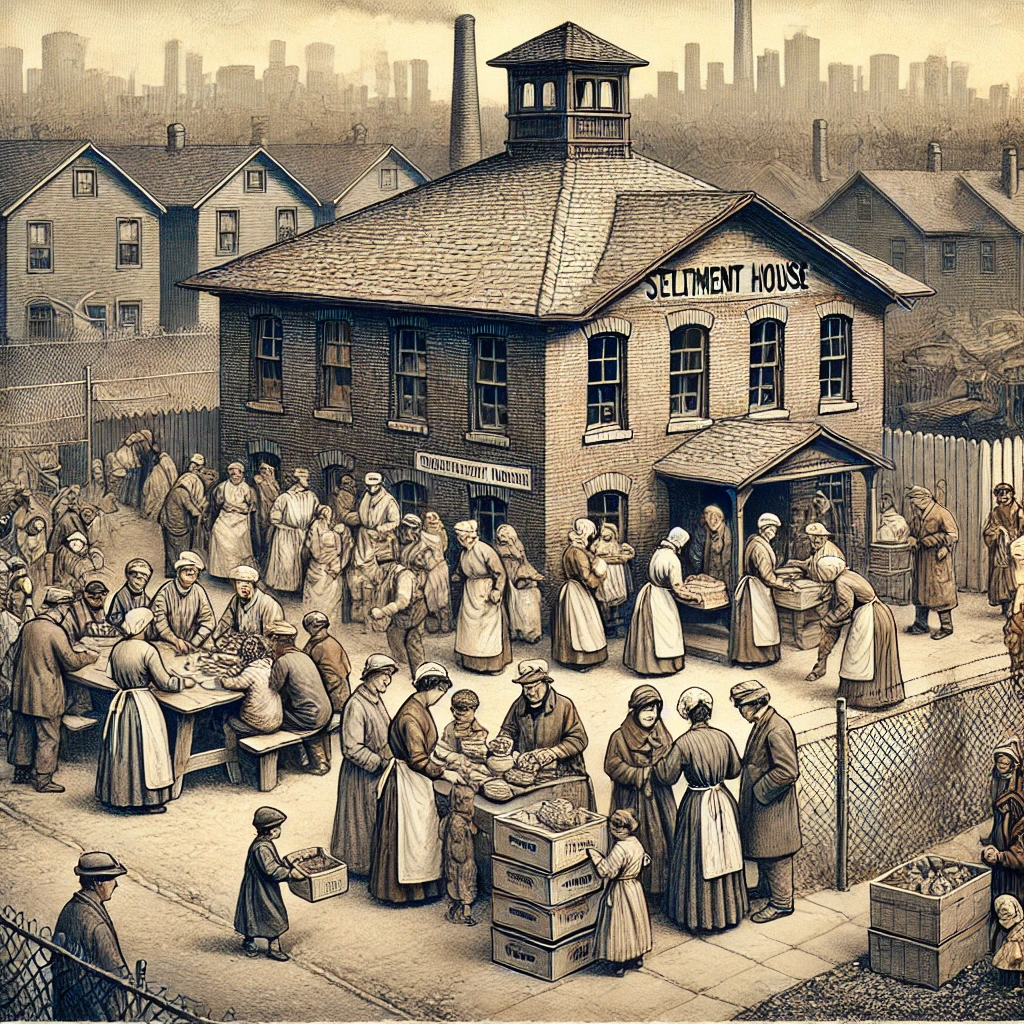
These centers offered a variety of services aimed at improving the quality of life for residents, including education, childcare, healthcare, and job training.
Key Features of the Settlement House Movement:
-
Holistic Service Provision: Settlement houses provided a wide range of services, addressing the social, educational, and economic needs of the community. This holistic approach was revolutionary and emphasized the interconnectedness of various social issues.
-
Advocacy for Social Reform: Social Workers in settlement houses were not just service providers; they were also advocates for broader social reforms. They fought for labor laws, improved housing conditions, public health initiatives, and education reform.
-
Community Engagement: Settlement house workers believed in the importance of involving the community in decision-making processes. They emphasized collaboration and empowerment, encouraging residents to take an active role in shaping their own lives and communities.
One of the most famous settlement houses was Hull House in Chicago, founded by Jane Addams and Ellen Gates Starr in 1889. Hull House became a model for other settlement houses across the United States and played a crucial role in the development of Social Work. Jane Addams, often referred to as the “mother of social work,” was a key figure in the movement and a tireless advocate for social justice and reform.
The Birth of Social Work Education
As the need for trained professionals grew, the Progressive Era also saw the establishment of formal Social Work education programs. These programs were essential in transforming Social Work from a volunteer-driven effort into a recognized profession with standardized training and qualifications.
Significant Milestones in Social Work Education:
-
New York School of Philanthropy: In 1898, the New York School of Philanthropy (later known as the Columbia University School of Social Work) became the first institution in the United States to offer formal training for Social Workers. This marked the beginning of Social Work education and helped set the standards for the profession.
-
Introduction of Fieldwork: Early Social Work programs emphasized the importance of fieldwork, allowing students to gain practical experience in real-world settings. This combination of classroom instruction and hands-on training became a hallmark of social work education.
-
Expansion of Social Work Schools: Throughout the early 20th century, Social Work education programs expanded across the United States and Europe, with more universities offering specialized training in areas such as medical social work, psychiatric social work, and child welfare.
The emphasis on education and training during the Progressive Era was critical in establishing Social Work as a profession that required both theoretical knowledge and practical skills. This focus on professional development would later lead to the creation of licensing and certification requirements, further solidifying Social Work’s status as a recognized profession.
The Role of Women in Shaping Social Work
The Progressive Era was also a time when women played a significant role in shaping the profession of Social Work. During this period, many women, who were often excluded from other professional fields, found opportunities to lead social reform efforts and develop innovative approaches to Social Work practice.
Notable Women in Social Work During the Progressive Era:
-
Jane Addams: As mentioned earlier, Jane Addams was a central figure in the Settlement House Movement and a pioneer of Social Work. Her work at Hull House and her advocacy for social justice earned her a Nobel Peace Prize in 1931, making her the first American woman to receive this honor.
-
Mary Richmond: Another key figure in the development of Social Work, Mary Richmond is often credited with creating the foundation for modern casework practice. Her book, “Social Diagnosis,” published in 1917, was one of the first texts to outline a systematic approach to assessing and addressing the needs of individuals and families.
-
Lillian Wald: Lillian Wald was a nurse and social reformer who founded the Henry Street Settlement in New York City. She was a pioneer in public health nursing and worked to improve healthcare access for poor and immigrant communities.
These women and many others were instrumental in advancing the field of Social Work during the Progressive Era. They not only provided direct services to those in need but also advocated for broader social reforms and laid the groundwork for the professionalization of social work.
Social Work and Labor Reforms
The Progressive Era was a time of significant labor unrest and growing awareness of the harsh conditions faced by workers, particularly in urban industrial settings. Social Workers played a key role in advocating for labor reforms and improving working conditions for the most vulnerable members of society.
Social Work’s Contributions to Labor Reforms:
-
Child Labor Laws: Social Workers were at the forefront of efforts to eliminate child labor, which was rampant during the early 20th century. Through advocacy and public awareness campaigns, they helped push for legislation that set minimum age requirements and limited the number of hours children could work.
-
Workers’ Rights: Social Workers also supported efforts to improve workers’ rights, including advocating for fair wages, reasonable working hours, and safe working conditions. They collaborated with labor unions and other reform groups to push for protective legislation.
-
Health and Safety Regulations: In addition to advocating for labor rights, Social Workers were deeply involved in efforts to improve workplace health and safety. This included fighting for regulations that addressed issues such as dangerous working conditions, exposure to hazardous materials, and inadequate sanitation in factories and tenements.
The involvement of Social Workers in labor reforms during the Progressive Era exemplified their commitment to addressing not just individual problems but also the structural and systemic issues that contributed to poverty and inequality.
We’ve helped thousands of Social Workers with Continuing Education, learn more here about Agents of Change and claim your 5 free CEUs!
3) The Rise of Professionalism in Social Work
As Social Work evolved from its early roots in charity and community service, the need for a more structured, professional approach became increasingly evident. The rise of professionalism in social work during the 20th century marked a significant shift in the field, transforming it into a recognized and respected profession with formal education, ethical standards, and a commitment to evidence-based practice.
The Establishment of Professional Organizations
One of the defining moments in the professionalization of Social Work was the establishment of professional organizations that sought to unify the field and set standards for practice. These organizations played a crucial role in advocating for the recognition of social work as a legitimate profession and provided a platform for Social Workers to collaborate, share knowledge, and advance their practice.
The National Association of Social Workers (NASW)
The National Association of Social Workers (NASW), founded in 1955, is perhaps the most significant organization in the history of Social Work. The NASW was created by merging seven social work organizations, with the goal of providing a unified voice for Social Workers across the United States. The establishment of the NASW marked a critical step in the professionalization of social work, as it set forth a clear mission and vision for the profession.
Key contributions of the NASW:
-
Development of the NASW Code of Ethics: One of the NASW’s most important contributions was the creation of a formal Code of Ethics for Social Workers. First adopted in 1960, this code established the core values and ethical principles that guide social work practice. The NASW Code of Ethics remains a foundational document for the profession and is regularly updated to reflect changes in practice and societal expectations.
-
Advocacy for Social Workers: The NASW has been a powerful advocate for Social Workers, working to secure fair wages, improve working conditions, and ensure that Social Workers are recognized for their contributions to society. The organization has also been involved in policy advocacy, pushing for legislation that supports social justice and the well-being of vulnerable populations.
-
Promotion of Continuing Education: Recognizing the importance of lifelong learning, the NASW has been a strong proponent of continuing education for Social Workers. Through conferences, workshops, and online courses, the NASW helps Social Workers stay current with the latest developments in the field.
The Association of Social Work Boards (ASWB)
Another key organization in the rise of professionalism in Social Work is the Association of Social Work Boards (ASWB). The ASWB is responsible for developing and administering the ASWB exam, a critical milestone for Social Workers seeking licensure. The ASWB exam ensures that Social Workers possess the knowledge and skills necessary to provide competent and ethical services to their clients.
Roles of the ASWB in professionalizing Social Work:
-
Licensing and Regulation: The ASWB works with state licensing boards to ensure that Social Workers meet the required standards for practice. This includes the development of the ASWB exam, which assesses a Social Worker’s knowledge of practice, ethics, and policy.
-
Promoting Standardization: By establishing uniform licensing standards across states, the ASWB helps to ensure that Social Workers meet consistent professional standards, regardless of where they practice. This has contributed to the overall credibility and recognition of social work as a profession.
-
Continuing Competence: The ASWB emphasizes the importance of continuing education and ongoing professional development. This focus on lifelong learning ensures that Social Workers remain competent and effective throughout their careers.
The Development of Ethical Guidelines
As Social Work transitioned into a professional field, the need for ethical guidelines became increasingly important. Social Workers often find themselves in challenging situations where they must navigate complex ethical dilemmas, and the development of a formal code of ethics provided a framework for addressing these challenges.
The NASW Code of Ethics
The NASW Code of Ethics is a cornerstone of professional social work practice. First adopted in 1960 and subsequently revised, the code outlines the core values and ethical principles that guide Social Workers in their practice. It is not only a guiding document but also a tool for accountability, ensuring that Social Workers adhere to high standards of conduct.
Core values outlined in the NASW Code of Ethics:
-
Service: Social Workers’ primary goal is to help people in need and address social problems. This value emphasizes the importance of putting clients’ needs first and providing high-quality services.
-
Social Justice: Social Workers are committed to challenging social injustice and advocating for the rights of marginalized and oppressed groups. This includes addressing issues such as poverty, discrimination, and inequality.
-
Dignity and Worth of the Person: Social Workers respect the inherent dignity and worth of every individual. This value underscores the importance of treating clients with respect, regardless of their circumstances.
-
Importance of Human Relationships: Social Workers recognize that relationships are central to human well-being and strive to strengthen connections between individuals and their communities.
-
Integrity: Social Workers are expected to act honestly and responsibly in their professional practice. This value emphasizes the importance of transparency and accountability.
-
Competence: Social Workers strive to maintain and enhance their professional skills and knowledge, ensuring that they provide the highest standard of care to their clients.
The NASW Code of Ethics serves as a foundational document for Social Workers, guiding their practice and helping them navigate the ethical complexities of their work. It is also a critical component of the ASWB exam, which tests Social Workers’ knowledge of ethical principles and their ability to apply them in practice.
Ethical Dilemmas and Professional Judgment
While the NASW Code of Ethics provides a framework for ethical decision-making, Social Workers often face situations that require them to exercise professional judgment.
Ethical dilemmas arise when there are conflicting values or when the best course of action is unclear. In these situations, Social Workers must carefully weigh their options and consider the potential impact on their clients, the community, and their own professional integrity.
Common ethical dilemmas in Social Work:
-
Confidentiality vs. Duty to Warn: Social Workers are bound by confidentiality, but there are situations where they may need to breach confidentiality to protect a client or others from harm. Balancing these responsibilities can be challenging.
-
Client Autonomy vs. Beneficence: Social Workers must respect clients’ right to make their own decisions, but they also have a duty to promote clients’ well-being. This can create tension when a client’s choices may lead to negative outcomes.
-
Dual Relationships: Social Workers must avoid dual relationships that could impair their professional judgment or exploit clients. However, in small communities, maintaining strict boundaries can be difficult.
The professionalization of Social Work has emphasized the importance of ethical decision-making and the development of tools and resources to help Social Workers navigate these challenges. Continuing education programs, such as those offered by Agents of Change Continuing Education, provide valuable training on ethical issues and help Social Workers enhance their professional judgment.
The Role of Education and Training
Education and training have been central to the professionalization of Social Work, providing Social Workers with the knowledge and skills necessary to meet the demands of their profession.

Over the years, Social Work education has evolved to include a strong emphasis on both theory and practice, preparing Social Workers to address complex social issues and serve diverse populations.
The Expansion of Social Work Education
The early 20th century saw the establishment of the first formal Social Work education programs, and since then, Social Work education has expanded significantly. Today, Social Work programs are offered at both the undergraduate and graduate levels, with many universities offering specialized tracks in areas such as clinical social work, community practice, and social policy.
Key components of Social Work Education:
-
Theoretical Foundations: Social Work education provides students with a strong foundation in theories of human behavior, social systems, and social justice. This theoretical knowledge is essential for understanding the root causes of social problems and developing effective interventions.
-
Field Education: Practical experience is a critical component of Social Work education. Students are required to complete field placements, where they work under the supervision of experienced Social Workers in real-world settings. This hands-on training allows students to apply what they have learned in the classroom to actual practice.
-
Specializations: Social Work programs often offer specializations in areas such as child welfare, mental health, healthcare, and school social work. These specializations allow students to develop expertise in specific areas of practice and prepare them for careers in those fields.
The emphasis on education and training has been instrumental in raising the standards of Social Work practice and ensuring that Social Workers are prepared to meet the challenges of their profession. Continuing education is also a key component of professional development, allowing Social Workers to stay current with the latest research, policies, and practices.
4) Social Work in Times of Crisis
Social Work in Times of Crisis
Throughout history, Social Work has been deeply intertwined with the major crises of its time. Whether responding to economic depressions, wars, natural disasters, or public health emergencies, Social Workers have consistently been on the front lines, providing essential services, advocating for vulnerable populations, and helping communities rebuild.
These periods of crisis have not only tested the resilience and adaptability of Social Workers but have also significantly shaped the evolution of the profession itself.
The Great Depression: Expanding the Role of Social Work
The Great Depression of the 1930s was one of the most severe economic crises in modern history, resulting in widespread unemployment, homelessness, and poverty. The magnitude of this crisis placed unprecedented demands on Social Workers, who were called upon to provide direct relief to individuals and families while also advocating for systemic changes to address the root causes of the economic collapse.
Social Workers and the New Deal
In response to the Great Depression, President Franklin D. Roosevelt introduced the New Deal, a series of programs and policies aimed at providing relief, recovery, and reform. Social Workers played a critical role in implementing New Deal programs, such as Social Security, unemployment insurance, and public assistance. Their involvement in these programs marked a significant expansion of the profession’s role in public welfare.
Key contributions of Social Workers during the Great Depression:
-
Direct Relief: Social Workers provided emergency assistance to individuals and families in need, distributing food, clothing, and financial aid. They were often the first point of contact for those seeking help during the crisis.
-
Case Management: Social Workers developed case management practices to assess the needs of clients and connect them with appropriate resources. This approach helped to ensure that aid was distributed efficiently and effectively.
-
Advocacy for Policy Change: Social Workers were instrumental in advocating for policies that addressed the structural causes of poverty and unemployment. They pushed for labor protections, housing reforms, and social insurance programs that laid the foundation for the modern welfare state.
The Great Depression highlighted the importance of Social Work in times of economic crisis and underscored the profession’s commitment to both direct service and systemic change. It also set a precedent for Social Workers’ involvement in government programs and policy development, a trend that would continue in future crises.
World War II and the Emergence of Clinical Social Work
The outbreak of World War II brought new challenges for Social Workers as they were called upon to address the needs of military personnel, their families, and the broader civilian population. The war also led to the expansion of clinical social work, as Social Workers became increasingly involved in providing mental health services to those affected by the conflict.
Social Work in Military and Veterans’ Services
During World War II, Social Workers were employed in a variety of roles within the military and veterans’ services. They provided support to soldiers dealing with the psychological effects of combat, assisted families coping with the absence of loved ones, and helped veterans reintegrate into civilian life after the war.
Roles of Social Workers during World War II:
-
Mental Health Support: Social Workers provided counseling and therapy to soldiers experiencing combat-related trauma, laying the groundwork for the development of post-traumatic stress disorder (PTSD) treatment after the war.
-
Family Services: Social Workers assisted military families in managing the stresses of wartime separation and the challenges of readjustment when soldiers returned home.
-
Veterans’ Services: After the war, Social Workers played a key role in supporting veterans through programs like the GI Bill, which provided education and employment opportunities.
The demands of World War II accelerated the growth of clinical social work as a specialized field. Social Workers began to focus more on therapeutic interventions, working alongside psychologists and psychiatrists to address the mental health needs of soldiers and civilians alike. This specialization continues to be a significant area of practice within the profession today.
The Civil Rights Movement and Social Justice Advocacy
The Civil Rights Movement of the 1950s and 1960s was a pivotal moment in American history, challenging the systemic racism and discrimination that had long plagued the country. Social Workers were deeply involved in the movement, advocating for racial equality, desegregation, and social justice. Their work during this period further solidified social work’s commitment to addressing the broader social and political forces that shape individual and community well-being.
Social Workers on the Front Lines of Change
Social Workers were often at the forefront of the fight for civil rights, both as activists and as professionals working within institutions that were being challenged to change. They played a key role in organizing communities, advocating for policy reforms, and providing support to those directly affected by racial injustice.
Contributions of Social Workers during the Civil Rights Movement:
-
Community Organizing: Social Workers helped to organize grassroots efforts, bringing together individuals and communities to demand change. They worked with civil rights organizations, churches, and community groups to coordinate protests, voter registration drives, and other forms of activism.
-
Advocacy for Policy Reform: Social Workers were instrumental in pushing for legislative changes, such as the Civil Rights Act of 1964 and the Voting Rights Act of 1965. They used their expertise in social policy to advocate for laws that would dismantle institutional racism and promote equality.
-
Support Services: Social Workers provided counseling, legal assistance, and other forms of support to individuals and families impacted by racial violence, discrimination, and poverty. They worked in schools, community centers, and social service agencies to help people navigate the challenges of segregation and inequality.
The Civil Rights Movement reinforced the idea that Social Work is not just about providing services to individuals but also about challenging the systems that create and perpetuate injustice. This commitment to social justice remains a core value of the profession today.
The War on Poverty: Social Work’s Role in Addressing Economic Inequality
In the 1960s, President Lyndon B. Johnson declared a War on Poverty, launching a series of programs aimed at reducing economic inequality and improving the lives of low-income Americans. Social Workers were key players in these efforts, working to implement anti-poverty programs and advocate for policies that addressed the root causes of poverty.
Social Workers and the Great Society Programs
The War on Poverty was part of Johnson’s broader Great Society initiative, which sought to eliminate poverty and racial injustice in the United States. Social Workers were deeply involved in the development and implementation of Great Society programs, such as Medicaid, Head Start, and Community Action Programs.
Social Work’s contributions to the War on Poverty:
-
Implementation of Anti-Poverty Programs: Social Workers were responsible for administering programs like Medicaid, which provided healthcare to low-income individuals, and Head Start, which offered early childhood education to disadvantaged children. Their work ensured that these programs reached those who needed them most.
-
Community Action Agencies: Social Workers played a central role in the establishment of Community Action Agencies (CAAs), which were designed to involve local communities in the fight against poverty. These agencies emphasized the importance of grassroots participation and empowerment, a concept that remains central to social work today.
-
Advocacy for Economic Justice: Social Workers continued to advocate for policies that addressed the structural causes of poverty, such as affordable housing, fair wages, and access to education and healthcare. Their efforts helped to shape the policy landscape of the 1960s and beyond.
The War on Poverty demonstrated the critical role that Social Workers can play in addressing large-scale social issues and highlighted the profession’s commitment to economic justice. While poverty remains a persistent challenge, the programs and policies developed during this period continue to provide a foundation for ongoing efforts to reduce inequality.
Social Work and Natural Disasters: Responding to Emergencies
Natural disasters present unique challenges for Social Workers, who are often called upon to provide immediate assistance to those affected by crises while also helping communities rebuild and recover in the long term. From hurricanes and earthquakes to wildfires and floods, Social Workers have played a vital role in disaster response efforts, offering both practical support and emotional care.
The Role of Social Workers in Disaster Response
When natural disasters strike, Social Workers are often among the first responders, working alongside emergency services to address the immediate needs of survivors. Their work continues long after the initial crisis has passed, as they help individuals and communities navigate the often complex process of recovery.
Key roles of Social Workers in disaster response:
-
Crisis Intervention: Social Workers provide immediate support to individuals and families affected by disasters, helping them access emergency services, find shelter, and secure basic necessities.
-
Trauma Counseling: In the aftermath of a disaster, many survivors experience trauma and grief. Social Workers offer counseling and mental health services to help people cope with the emotional toll of the crisis.
-
Community Rebuilding: Social Workers work with communities to rebuild in the wake of a disaster, advocating for resources, coordinating services, and helping residents navigate the challenges of recovery.
Examples of Social Work in Disaster Response:
-
Hurricane Katrina (2005): Social Workers played a critical role in responding to the devastation caused by Hurricane Katrina, providing support to displaced residents, coordinating relief efforts, and advocating for government accountability in the recovery process.
-
Earthquake in Haiti (2010): Following the earthquake in Haiti, Social Workers from around the world assisted in the relief and recovery efforts, helping to address the immediate needs of survivors while also supporting long-term rebuilding projects.
-
California Wildfires (2020): During the California wildfires, Social Workers provided crisis intervention and mental health support to those affected, including first responders and evacuees.
Natural disasters underscore the importance of Social Workers’ adaptability and their ability to address both the immediate and long-term needs of individuals and communities in crisis.
The COVID-19 Pandemic: Social Work in a Global Health Crisis
The COVID-19 pandemic has been one of the most significant global health crises of the 21st century, and Social Workers have been on the front lines, providing essential services and advocating for vulnerable populations. The pandemic has highlighted both the challenges and the resilience of the social work profession, as Social Workers have had to adapt to new ways of working while addressing unprecedented levels of need.
Social Work’s Response to the COVID-19 Pandemic
The COVID-19 pandemic has affected nearly every aspect of society, from healthcare and education to employment and social services. Social Workers have been essential in helping individuals and communities navigate the complexities of the pandemic, providing support in areas such as mental health, housing, and access to healthcare.
Roles of Social Workers during the COVID-19 pandemic:
-
Telehealth Services: With in-person services limited due to social distancing measures, many Social Workers turned to telehealth to provide counseling and support to clients. This shift required Social Workers to quickly adapt to new technologies while ensuring that they maintained the same level of care.
-
Mental Health Support: The pandemic has taken a significant toll on mental health, with increases in anxiety, depression, and substance use. Social Workers have been crucial in providing mental health services, both remotely and in person, to help individuals cope with the stress and uncertainty of the pandemic.
-
Advocacy for Vulnerable Populations: Social Workers have advocated for policies that protect vulnerable populations during the pandemic, including those experiencing homelessness, domestic violence, and food insecurity. They have also worked to address the racial and economic disparities exacerbated by the pandemic.
The COVID-19 pandemic has underscored the importance of Social Work in times of crisis and has demonstrated the profession’s ability to adapt and innovate in response to new challenges. As the world continues to grapple with the long-term impacts of the pandemic, Social Workers will remain essential in helping individuals and communities recover and rebuild.
5) The 1970s and Beyond: A Growing Profession
The 1970s marked a significant turning point for Social Work as the profession expanded into new areas and faced increasingly complex social issues. During this period and in the decades that followed, Social Work continued to grow in both scope and influence.
New specializations emerged, the profession became more deeply intertwined with social justice movements, and Social Workers took on leadership roles in a variety of sectors. The changes that began in the 1970s laid the foundation for the modern Social Work profession, which continues to evolve in response to the needs of society.
This section explores the key developments in Social Work from the 1970s onward, including the rise of new specializations, the profession’s involvement in social justice movements, the impact of evidence-based practice, and the increasing focus on professional standards and continuing education.
The Rise of New Specializations
As society became more complex, so too did the needs of individuals and communities. Social Workers responded by developing new areas of specialization, allowing them to address specific issues and work with particular populations.
The rise of specializations in the 1970s and beyond reflects the profession’s commitment to meeting the diverse needs of society and ensuring that Social Workers are equipped with the knowledge and skills necessary to provide effective services.

Geriatric Social Work
One of the most notable areas of specialization that emerged during this period was geriatric social work. As the population aged, there was a growing need for Social Workers who could address the unique challenges faced by older adults, including health issues, social isolation, and end-of-life care.
Key roles of geriatric Social Workers:
-
Support for Aging in Place: Geriatric Social Workers help older adults remain in their homes and communities for as long as possible by connecting them with resources such as home care, transportation, and social services.
-
Advocacy for Elders’ Rights: Social Workers advocate for policies and programs that protect the rights and dignity of older adults, such as elder abuse prevention, access to healthcare, and retirement security.
-
End-of-Life Care: Social Workers provide support to older adults and their families as they navigate end-of-life issues, including hospice care, advance directives, and grief counseling.
Geriatric Social Work has become an essential area of practice, especially as the aging population continues to grow. Social Workers in this field are crucial in ensuring that older adults receive the care and support they need to live fulfilling and dignified lives.
Social Work in Healthcare
The 1970s also saw a significant expansion of social work within the healthcare sector. Healthcare social work became increasingly specialized, with Social Workers playing key roles in hospitals, clinics, and other healthcare settings. Their work focuses on addressing the social and emotional aspects of health and illness, as well as helping patients navigate the complexities of the healthcare system.
Responsibilities of Healthcare Social Workers:
-
Patient Advocacy: Social Workers advocate for patients’ rights within the healthcare system, ensuring that they receive appropriate care and that their needs and preferences are respected.
-
Chronic Illness and Disability: Social Workers provide support to individuals living with chronic illnesses and disabilities, helping them manage their conditions and access the resources they need to maintain their quality of life.
-
Healthcare Policy Advocacy: Social Workers also engage in policy advocacy, working to address healthcare disparities and promote access to care for underserved populations.
Healthcare Social Work has become an increasingly important field, particularly as healthcare systems become more complex and as the social determinants of health gain greater recognition in shaping health outcomes.
Social Work in Criminal Justice
Another growing area of specialization is social work in criminal justice. Social Workers in this field work with individuals involved in the criminal justice system, including those who are incarcerated, on probation or parole, or involved in rehabilitation programs. Their work focuses on addressing the underlying issues that contribute to criminal behavior and supporting individuals in their efforts to reintegrate into society.
Key Functions of Criminal Justice Social Workers:
-
Rehabilitation and Reentry Services: Social Workers provide counseling, case management, and support to individuals transitioning from incarceration back into the community. They help clients access housing, employment, education, and other resources necessary for successful reintegration.
-
Restorative Justice: Social Workers advocate for restorative justice approaches that emphasize healing and rehabilitation rather than punishment. This includes facilitating mediation and dialogue between offenders and victims.
-
Juvenile Justice: Social Workers in juvenile justice settings work with young people involved in the criminal justice system, focusing on prevention, diversion, and rehabilitation programs that address the root causes of delinquent behavior.
Social Work in criminal justice has gained increasing attention as the criminal justice system faces calls for reform, particularly around issues of mass incarceration and racial disparities. Social Workers are playing a critical role in advocating for and implementing changes that promote fairness and justice within the system.
Social Work and Social Justice Movements
The 1970s and beyond were also marked by the continued involvement of Social Workers in various social justice movements. As advocates for marginalized populations, Social Workers have been deeply involved in efforts to promote equality, human rights, and social change. These movements have shaped the profession and reinforced its commitment to social justice as a core value.
Feminism and Social Work
The feminist movement of the 1970s had a profound impact on Social Work, particularly in its emphasis on gender equality and the rights of women. Feminist Social Work challenged traditional power dynamics and advocated for the empowerment of women and other marginalized groups. This period saw the development of new approaches to Social Work practice that emphasized collaboration, advocacy, and the dismantling of oppressive systems.
Contributions of Feminist Social Work:
-
Empowerment-Based Practice: Feminist Social Workers introduced empowerment-based practice models that focused on helping clients gain control over their lives and challenge societal norms that perpetuated inequality.
-
Domestic Violence Advocacy: Feminist Social Workers played a key role in addressing domestic violence, advocating for the creation of shelters, legal protections, and support services for survivors of abuse.
-
Reproductive Rights and Health: Social Workers were involved in advocating for women’s reproductive rights and access to healthcare, including family planning and abortion services.
The influence of Feminist Social Work continues to be felt today, as Social Workers remain committed to addressing gender-based violence, discrimination, and inequality.
LGBTQ+ Rights and Social Work
The fight for LGBTQ+ rights also became a central focus of Social Work in the 1970s and beyond. As the LGBTQ+ community faced widespread discrimination and marginalization, Social Workers became advocates for equality, acceptance, and legal protections for LGBTQ+ individuals.
Key roles of Social Workers in LGBTQ+ rights:
-
Affirmative Practice Models: Social Workers developed affirmative practice models that emphasized cultural competence, inclusivity, and the importance of supporting LGBTQ+ clients in navigating the challenges they faced.
-
Advocacy for Legal Protections: Social Workers were involved in advocating for legal protections for LGBTQ+ individuals, including anti-discrimination laws, marriage equality, and the rights of transgender individuals.
-
Support Services for LGBTQ+ Youth: Social Workers provided critical support services for LGBTQ+ youth, many of whom faced rejection from their families, homelessness, and mental health challenges. They worked to create safe spaces and support networks for LGBTQ+ young people.
The social work profession’s involvement in LGBTQ+ rights has been instrumental in advancing equality and promoting the well-being of LGBTQ+ individuals and communities.
Evidence-Based Practice and the Rise of Professional Standards
As Social Work continued to grow, there was an increasing emphasis on evidence-based practice and the development of professional standards. This shift was driven by the recognition that Social Work interventions should be grounded in research and that Social Workers should be held to high standards of competence and ethics.
The Importance of Evidence-Based Practice
Evidence-based practice (EBP) involves using research and data to inform Social Work interventions and ensure that they are effective in achieving desired outcomes. This approach gained prominence in the 1990s and beyond, as the profession sought to demonstrate its effectiveness and improve the quality of services provided to clients.
Key components of evidence-based practice in Social Work:
-
Integration of Research and Practice: Social Workers are encouraged to use the best available research evidence to guide their practice, while also considering their clinical expertise and the preferences and values of their clients.
-
Outcome Measurement: Evidence-based practice emphasizes the importance of measuring outcomes to determine the effectiveness of interventions. Social Workers use data to assess whether their work is making a positive impact and to make adjustments as needed.
-
Continuous Learning: Evidence-based practice requires Social Workers to stay current with the latest research and developments in the field. This commitment to continuous learning ensures that Social Workers are always improving their skills and knowledge.
The rise of evidence-based practice has elevated the professionalism of Social Work and has helped to ensure that Social Workers provide high-quality, effective services to their clients.
The Development of Professional Standards and Continuing Education
Alongside the emphasis on evidence-based practice, there has been a growing focus on professional standards and the importance of continuing education for Social Workers. As the field has expanded, so too have the expectations for Social Workers to maintain their competence and adhere to ethical guidelines.
Key developments in professional standards:
-
Licensing and Certification: The establishment of licensing and certification requirements has become increasingly important in ensuring that Social Workers meet the necessary standards of practice. This includes passing the ASWB exam and meeting continuing education requirements to maintain licensure.
-
Ethical Guidelines: The NASW Code of Ethics has continued to evolve, reflecting the changing landscape of social work practice and the need for Social Workers to navigate complex ethical dilemmas. The code remains a foundational document that guides the profession.
-
Continuing Education: Continuing education has become a critical component of professional development in Social Work. Social Workers are required to complete Continuing Education Credits (CEUs) to maintain their licenses, ensuring that they stay current with the latest research, policies, and best practices.
Organizations like Agents of Change Continuing Education offer a wide range of courses to help Social Workers meet their continuing education requirements and stay informed about new developments in the field.
6) The Future of Social Work
As we look ahead, the future of Social Work promises to be as dynamic and evolving as its past. The profession will continue to adapt to new societal challenges, embrace technological advancements, and reaffirm its commitment to social justice.
Social Workers will need to be more versatile than ever, equipped to handle a wide range of issues while maintaining a focus on the core values of the profession. This section explores several key areas that will shape the future of Social Work, including emerging social issues, technological innovations, evolving roles and specializations, and the ongoing need for advocacy and social justice.
Emerging Social Issues and Challenges
As society continues to evolve, so too do the social issues that Social Workers must address. The future of Social Work will be defined by the profession’s ability to respond to these emerging challenges, many of which are complex and multifaceted.
Climate Change and Environmental Justice
One of the most pressing issues of our time is climate change. The impacts of climate change, including natural disasters, displacement, and resource scarcity, will increasingly affect the most vulnerable populations. Social Workers will be called upon to address these challenges through environmental justice initiatives.
Key roles for Social Workers in addressing climate change:
-
Advocacy for Environmental Justice: Social Workers will advocate for policies that address the disproportionate impact of climate change on marginalized communities. This includes promoting sustainable development, reducing environmental inequalities, and ensuring that vulnerable populations have a voice in climate policy decisions.
-
Disaster Response and Recovery: As natural disasters become more frequent and severe, Social Workers will play a critical role in disaster response and recovery efforts. They will provide crisis intervention, trauma counseling, and support to individuals and communities affected by climate-related events.
-
Community Resilience Building: Social Workers will work with communities to build resilience to climate change, helping them prepare for and adapt to its impacts. This includes promoting sustainable practices, supporting community-driven solutions, and fostering social cohesion.
Globalization and Migration
Globalization and migration will continue to shape the future of Social Work, as people move across borders in search of safety, opportunities, and a better life. Social Workers will need to be prepared to address the unique challenges faced by migrants, refugees, and displaced persons.
Key challenges and roles in globalization and migration:
-
Support for Refugees and Asylum Seekers: Social Workers will provide support to refugees and asylum seekers, helping them navigate complex immigration systems, access essential services, and integrate into new communities.
-
Advocacy for Migrant Rights: Social Workers will advocate for the rights of migrants, challenging policies that criminalize migration, promote xenophobia, or deny individuals access to basic services and protections.
-
Cultural Competence and Inclusion: Social Workers will need to develop cultural competence to effectively work with diverse populations. This includes understanding the cultural, social, and political contexts that shape migrants’ experiences and promoting inclusive practices that respect and value diversity.
Technology and the Digital Divide
As technology continues to advance, it will have a profound impact on Social Work practice. However, the increasing reliance on technology also raises concerns about the digital divide, which refers to the gap between those who have access to technology and those who do not.
Social Workers’ roles in addressing the digital divide:
-
Digital Inclusion Advocacy: Social Workers will advocate for policies that promote digital inclusion, ensuring that all individuals have access to the technology and digital literacy skills necessary to participate fully in society.
-
Telehealth and Remote Services: The use of telehealth and remote services will continue to expand, providing opportunities for Social Workers to reach clients in underserved areas. However, Social Workers must also address the barriers to accessing these services, such as lack of internet access or digital literacy.
-
Ethical Considerations: As technology becomes more integrated into social work practice, Social Workers will need to navigate new ethical challenges related to privacy, confidentiality, and informed consent in the digital age.
Technological Innovations in Social Work
Technology will play an increasingly important role in the future of Social Work, offering new tools and approaches for service delivery, data management, and client engagement. However, Social Workers must also be mindful of the potential risks and ethical implications associated with these innovations.
Artificial Intelligence and Automation
Artificial Intelligence (AI) and automation have the potential to transform Social Work practice by streamlining administrative tasks, enhancing data analysis, and providing new ways to support clients. However, these technologies also raise questions about the future role of human Social Workers and the potential for bias in AI-driven decision-making.
Applications of AI and automation in social work:
-
Predictive Analytics: AI can be used to analyze data and predict outcomes, helping Social Workers identify at-risk individuals and intervene earlier. For example, predictive analytics can be used to identify children at risk of abuse or neglect and provide targeted support.
-
Automation of Administrative Tasks: Automation can reduce the administrative burden on Social Workers, allowing them to spend more time on direct client work. Tasks such as data entry, scheduling, and case management could be automated to improve efficiency.
-
Virtual Support Services: AI-powered chatbots and virtual assistants can provide clients with immediate support, answering questions and providing resources. However, Social Workers must ensure that these tools complement, rather than replace, human interaction.
Data and Analytics
The use of data and analytics in Social Work will continue to grow, providing Social Workers with valuable insights into client needs, program effectiveness, and social trends. However, the increasing reliance on data also raises concerns about data privacy and the ethical use of information.
Key roles for Social Workers in data and analytics:
-
Outcome Measurement and Evaluation: Social Workers will use data to measure the outcomes of their interventions and assess the effectiveness of programs and services. This evidence-based approach will help ensure that resources are being used effectively and that clients are receiving the best possible care.
-
Data-Driven Decision Making: Social Workers will increasingly rely on data to inform their decision-making processes, from assessing client needs to designing interventions. However, they must also be mindful of the limitations of data and ensure that it is used ethically and responsibly.
-
Ethical Use of Data: As data becomes more central to social work practice, Social Workers will need to navigate the ethical challenges associated with data collection, storage, and use. This includes protecting client privacy, obtaining informed consent, and ensuring that data is used in a way that benefits clients and communities.
Evolving Roles and Specializations
As Social Work continues to evolve, so too will the roles and specializations within the profession. Social Workers will need to adapt to new challenges and opportunities, developing expertise in emerging areas and taking on leadership roles in a variety of sectors.
Integrated Care and Interdisciplinary Collaboration
One of the key trends in the future of Social Work is the move toward integrated care and interdisciplinary collaboration. Social Workers will increasingly work alongside professionals from other fields, such as healthcare, education, and law, to provide holistic and coordinated services.
Roles of Social Workers in integrated care:
-
Care Coordination: Social Workers will play a central role in coordinating care across different systems, ensuring that clients receive comprehensive and seamless support. This includes working with healthcare providers, mental health professionals, educators, and legal advocates to address the complex needs of clients.
-
Interdisciplinary Teams: Social Workers will be essential members of interdisciplinary teams, contributing their expertise in psychosocial issues, advocacy, and community engagement. This collaborative approach will help to break down silos and promote more effective and integrated service delivery.
-
Leadership in Systems Change: As the importance of integrated care grows, Social Workers will also take on leadership roles in advocating for systems change. This includes promoting policies that support interdisciplinary collaboration and addressing the structural barriers that prevent effective care coordination.
Social Work in Corporate and Technology Sectors
As the private sector increasingly recognizes the importance of corporate social responsibility, Social Workers are finding new opportunities to apply their skills in corporate and technology settings. Companies are seeking Social Workers to help address issues such as employee well-being, diversity and inclusion, and social impact initiatives.
Key roles for Social Workers in the corporate sector:
-
Employee Assistance Programs (EAPs): Social Workers can play a key role in developing and managing EAPs, providing support to employees facing personal or professional challenges, and promoting workplace well-being.
-
Corporate Social Responsibility (CSR): Social Workers can help companies develop and implement CSR programs that align with social justice values and promote positive community impact. This includes initiatives related to sustainability, diversity, and community engagement.
-
Tech for Good: In the technology sector, Social Workers can collaborate with tech companies to develop tools and platforms that address social issues, such as apps for mental health support, online education resources, and digital inclusion initiatives.
The involvement of Social Workers in the corporate and technology sectors reflects the growing recognition of the importance of social responsibility in these industries. Social Workers’ expertise in addressing social issues and promoting well-being will be increasingly valuable in these settings.
The Ongoing Need for Advocacy and Social Justice
At the heart of Social Work is a commitment to social justice and advocacy for marginalized populations. As the world continues to face new and ongoing social challenges, Social Workers will remain essential advocates for equity, human rights, and systemic change.
Addressing Racial and Economic Inequality
Racial and economic inequality will continue to be pressing issues in the future, and Social Workers will play a critical role in advocating for policies and programs that address these disparities.
Key advocacy roles for Social Workers:
-
Racial Justice Advocacy: Social Workers will continue to advocate for policies that address systemic racism and promote racial equity. This includes advocating for criminal justice reform, fair housing, and equitable access to education and healthcare.
-
Economic Justice and Anti-Poverty Programs: Social Workers will work to address economic inequality by advocating for policies that promote fair wages, affordable housing, and access to social services. They will also continue to play a key role in anti-poverty programs that support low-income individuals and families.
-
Community Organizing: Social Workers will engage in community organizing efforts, helping communities advocate for their rights and mobilize for change. This grassroots approach will be essential in addressing the root causes of inequality and promoting social justice.
Human Rights and Global Advocacy
As globalization continues to shape the world, Social Workers will increasingly engage in global advocacy efforts to promote human rights and social justice on an international scale.
Roles for Social Workers in global advocacy:
-
Advocacy for Refugee and Migrant Rights: Social Workers will advocate for the rights of refugees and migrants, challenging policies that deny them access to basic services and protections. This includes advocating for fair immigration policies and supporting efforts to address the root causes of displacement.
-
Human Rights Campaigns: Social Workers will engage in human rights campaigns that address issues such as gender-based violence, child labor, and human trafficking. They will work with international organizations and local communities to promote human rights and protect vulnerable populations.
-
International Development: Social Workers will contribute to international development efforts, promoting sustainable development, social equity, and community resilience. This includes working on projects related to education, healthcare, and economic empowerment in low-income countries.
The future of Social Work will be defined by the profession’s ongoing commitment to advocacy and social justice, both at home and abroad. Social Workers will continue to be at the forefront of efforts to create a more just and equitable world.
7) FAQs – The Evolution of Social Work
Q: How will technology continue to shape the future of Social Work?
A: Technology is expected to play a significant role in the future of Social Work by offering new tools and platforms for service delivery, data management, and client engagement. The rise of telehealth will allow Social Workers to reach clients in remote or underserved areas, while artificial intelligence and automation may streamline administrative tasks and enhance data analysis.
However, Social Workers must also address challenges such as the digital divide, ensuring that all clients have access to these technologies, and navigating the ethical concerns related to privacy, confidentiality, and informed consent in the digital realm. As technology continues to evolve, Social Workers will need to stay informed and adaptable to leverage these tools effectively while maintaining the core values of the profession.
Q: What emerging social issues are likely to impact the Social Work profession in the coming years?
A: Several emerging social issues are expected to shape the future of social work, including climate change, globalization, and migration. Climate change will disproportionately affect vulnerable populations, requiring Social Workers to engage in environmental justice initiatives, disaster response, and community resilience building.
Globalization and migration will continue to present challenges as Social Workers support refugees, asylum seekers, and migrants navigating complex systems and cultural transitions. Additionally, economic inequality, racial justice, and the impacts of technology on social inclusion will remain critical areas where Social Workers must advocate for systemic change and develop innovative solutions to address these evolving challenges.
Q: How will the focus on evidence-based practice and continuing education influence the future of Social Work?
A: The emphasis on evidence-based practice (EBP) will continue to shape the future of social work by ensuring that interventions are grounded in research and proven to be effective. Social Workers will increasingly rely on data and outcome measurement to assess the impact of their work, make informed decisions, and continuously improve their practice.
This focus on EBP will require Social Workers to stay current with the latest research and developments in the field, making continuing education more important than ever. Programs like those offered by Agents of Change Continuing Education will provide Social Workers with the knowledge and skills they need to meet licensing requirements, enhance their professional competence, and remain effective in addressing the complex social issues of the future.