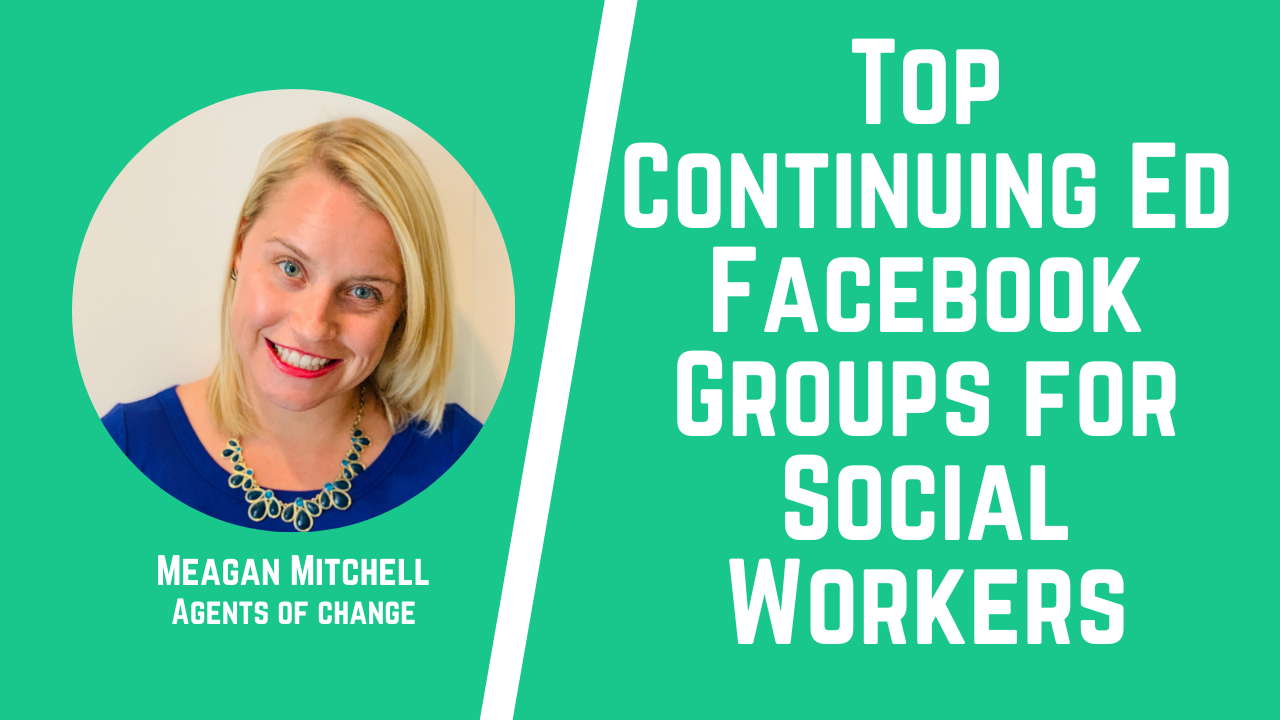
Welcome to the digital age of Social Work education! As the field of Social Work continues to evolve, professionals are constantly seeking innovative ways to expand their knowledge and skills. Enter the world of Facebook groups and communities – a dynamic and interactive space where Social Workers can engage with peers, access a wealth of resources, and find high-quality Continuing Education Units (CEUs).
In this blog post, we’ll share the top Facebook groups and communities tailored for Social Workers like you, who are eager to grow professionally and stay updated on the latest trends and techniques in the field.
Did you know? Agents of Change Continuing Education offers Unlimited Access to 150+ CE courses for one low annual fee to meet your state’s requirements for Continuing Education credits.
We’ve helped thousands of Social Workers with Continuing Education, learn more here about Agents of Change and claim your 5 free CEUs.
1) Agents of Change: The Ultimate Continuing Education Resource
Agents of Change Continuing Education offers a lifeline for Social Workers seeking to improve their expertise and maintain their licensure. Their Facebook group, Agents of Change, stands out as a beacon of knowledge, support, and innovation in Social Work continuing education.
A Diverse Range of Topics
Agents of Change Continuing Education doesn’t just scratch the surface; it dives deep into a plethora of subjects, ensuring that every aspect of Social Work is covered. With over 150 topics available, this platform caters to a wide spectrum of interests and needs.
Whether you’re passionate about developing powerful home-school partnerships, exploring the intricacies of conducting risk and safety assessments, or keen on understanding ethics in an increasingly digital world, Agents of Change has you covered.
Tailored to Modern Learning Styles
Recognizing that every learner is unique, Agents of Change Continuing Education offers a diverse array of educational materials. This includes engaging videos for visual learners, informative slides for those who prefer text, and convenient audio resources for on-the-go learning.
Unlimited Access and CEUs
What sets Agents of Change Continuing Education apart is the accessibility of its resources. With an affordable annual subscription of $99, members unlock unlimited access to all of the platform’s content. This is a game-changer for Social Workers aiming to earn CEUs. Gone are the days of scrambling to meet licensure requirements; with Agents of Change, earning CEUs is a seamless part of your ongoing education journey.
High-Quality, Expert-Led Content
Quality is key at Agents of Change. The company prides itself on providing high-quality, comprehensive materials created and curated by experts in the field. This means you’re not just getting information; you’re getting insights from seasoned professionals who understand the realities and challenges of social work.
Topics range from understanding vicarious trauma and preventing burnout in the workplace to navigating complex issues like LGBTQ+ and diversity, treatment modalities such as ACT, DBT, CBT, EMDR, and tackling pressing issues like opioid/drug abuse and addiction.
A Supporting Community and Networking Superpower
But Agents of Change Continuing Education is more than just a learning platform; it’s a vibrant community. Upon joining, you’ll be welcomed into a network of peers and mentors. This community aspect is important, providing a space for discussion, support, and the sharing of ideas and experiences. Additionally, you get direct access to the Agents of Change team, offering personalized guidance and answering any questions you may have.
Agents of Change Continuing Education offers Unlimited Access to 150+ CE courses for one low annual fee to meet your state’s requirements for Continuing Education credits.
2) Other Facebook Groups to Check Out
While Agents of Change stands out, there are other groups in the Social Work universe worth exploring:
- The Social Work Group The Social Work Group: A vibrant community where Social Workers can share experiences, resources, and support each other in their professional journeys.
- Social Work Community Social Work Community: This group provides a platform for networking, discussing challenges, and sharing knowledge about different aspects of Social Work.
- Social Workers Life Social Workers Life: Dive into discussions about the daily life of a Social Worker, from dealing with stress to celebrating achievements.
3) Pros and Cons of Facebook Continuing Education Groups
Facebook groups dedicated to continuing education in fields like Social Work have emerged as a popular medium for professional development and networking.
Pros of Facebook Continuing Education Groups
- Convenience and Accessibility: One of the most significant advantages of Facebook groups is their accessibility. These groups provide learning opportunities that are just a click away and available 24/7, making it easier for busy professionals to fit education into their schedules.
- Networking Opportunities: Facebook groups are fantastic for networking. They connect you with peers and experts from around the globe, offering a platform to share experiences, seek advice, and establish professional relationships.
- Diverse Learning Materials: These groups often provide a wealth of resources, including articles, videos, webinars, and discussion threads, catering to various learning styles and preferences.
- Real-Time Discussions and Support: Facebook groups enable real-time interactions, allowing members to ask questions, participate in discussions, and receive immediate feedback or support from fellow group members or experts.
- Cost-Effective Learning: Many Facebook groups offer free or affordable access to quality educational content, making continuing education more financially accessible.
Cons of Facebook Continuing Education Groups
- Quality and Credibility Concerns: The open nature of Facebook groups means the quality and accuracy of the information shared can vary. It’s crucial for users to critically evaluate the sources and credibility of the content.
- Overwhelming Information: The sheer volume of posts and discussions in active groups can be overwhelming, making it challenging to filter through and find relevant content.
- Privacy and Professional Boundaries: Engaging in professional discussions on a social media platform raises concerns about privacy and maintaining professional boundaries, especially when discussing case studies or sensitive topics.
- Potential for Distraction: The social media environment of Facebook can be distracting. The blend of professional and personal content on the platform might lead to reduced focus and productivity.
4) FAQs – Social Work Continuing Education Groups on Facebook
Q: How Do I Ensure the Information in Facebook Groups is Reliable?
A: Navigating the reliability of information in Facebook groups can be tricky. To ensure that you’re getting accurate and trustworthy content, consider the following steps:
- Check the Credentials: Look for groups managed by reputable organizations or professionals with verifiable credentials in Social Work.
- Source Verification: Cross-reference information with other reliable sources. If a post discusses a specific study or statistic, try to find the original source.
- Engage in Discussions: Don’t hesitate to ask questions or seek clarifications in the group. Often, experienced professionals in the group can provide valuable insights.
- Professional Discretion: Use your professional judgment. If something seems off or too good to be true, it probably is.
Q: How Can I Effectively Manage My Time in These Groups Without Getting Overwhelmed?
A: Staying active in these groups without getting overwhelmed requires strategic time management. Here are some tips:
- Set Specific Goals: Know what you want to achieve in the group, whether it’s networking, finding specific information, or earning CEUs.
- Regular, Brief Visits: Instead of spending long hours at a stretch, consider short, regular visits to the group. This can prevent information overload.
- Use Notifications Wisely: Customize your notifications to alert you about important updates or discussions, so you don’t miss out on relevant content.
- Engage Selectively: You don’t need to participate in every discussion. Focus on threads that are most relevant to your interests and professional needs.
- Create a Schedule: Allocate specific times in your schedule for engaging with these groups, just as you would for any other professional development activity.
Q: What Are the Best Practices for Participating in Social Work Facebook Groups?
A: Engaging effectively in Social Work Facebook groups both enhances your learning experience and helps in maintaining a professional and respectful online presence. Here are some best practices:
- Maintain Professionalism: Always communicate with the same professionalism you would use in a workplace setting. Respectful and constructive dialogue is key.
- Protect Confidentiality: Be cautious when discussing case studies or specific situations. Never share identifiable client information to maintain confidentiality and ethical standards.
- Be an Active Contributor: Share your knowledge and experiences when relevant. Your insights can be valuable to others.
- Ask Thoughtful Questions: Don’t hesitate to ask for advice or clarification on topics you’re unfamiliar with.
- Stay on Topic: Keep your contributions relevant to the group’s focus. Straying off-topic can dilute the effectiveness of the group.
- Network Respectfully: While networking is encouraged, respect others’ privacy. Avoid sending unsolicited private messages or using the group solely for self-promotion.
5) Conclusion
Facebook groups and communities for Social Work CEUs and Continuing Education offer a vibrant and dynamic platform for professional growth and learning. These groups both provide access to resources and learning materials and also connect you with a network of peers and experts in the field. Whether it’s through engaging in discussions, sharing experiences, or accessing diverse educational content, these online communities are reshaping the landscape of Social Work education and professional development.
However, as we navigate these digital spaces, it’s important to approach them with a critical eye. Ensuring the credibility of information, maintaining professional boundaries, and managing our time effectively in these groups are crucial steps to optimize the benefits while mitigating potential drawbacks. Remember, these groups should complement, not replace, other forms of continuing education and professional development. By striking the right balance, Social Workers can effectively leverage these platforms for their educational and professional advancement.
Learn more about Agents of Change Continuing Education. We’ve helped thousands of Social Workers with their Continuing Education and want you to be next!
————————————————————————————————————————————————
► Learn more about the Agents of Change Continuing Education here: https://agentsofchangetraining.com
About the Instructor, Meagan Mitchell: Meagan is a Licensed Clinical Social Worker and has been providing Continuing Education for Social Workers for more than 8 years. From all of this experience helping others pass their exams, she created Agents of Change Continuing Education to help Social Workers stay up-to-date on the latest trends, research, and techniques.
#socialwork #socialworker #socialwork #socialworklicense #socialworklicensing #continuinged #continuingeducation #ce #socialworkce #freecesocialwork #lmsw #lcsw
Disclaimer: This content has been made available for informational and educational purposes only. This content is not intended to be a substitute for professional medical or clinical advice, diagnosis, or treatment