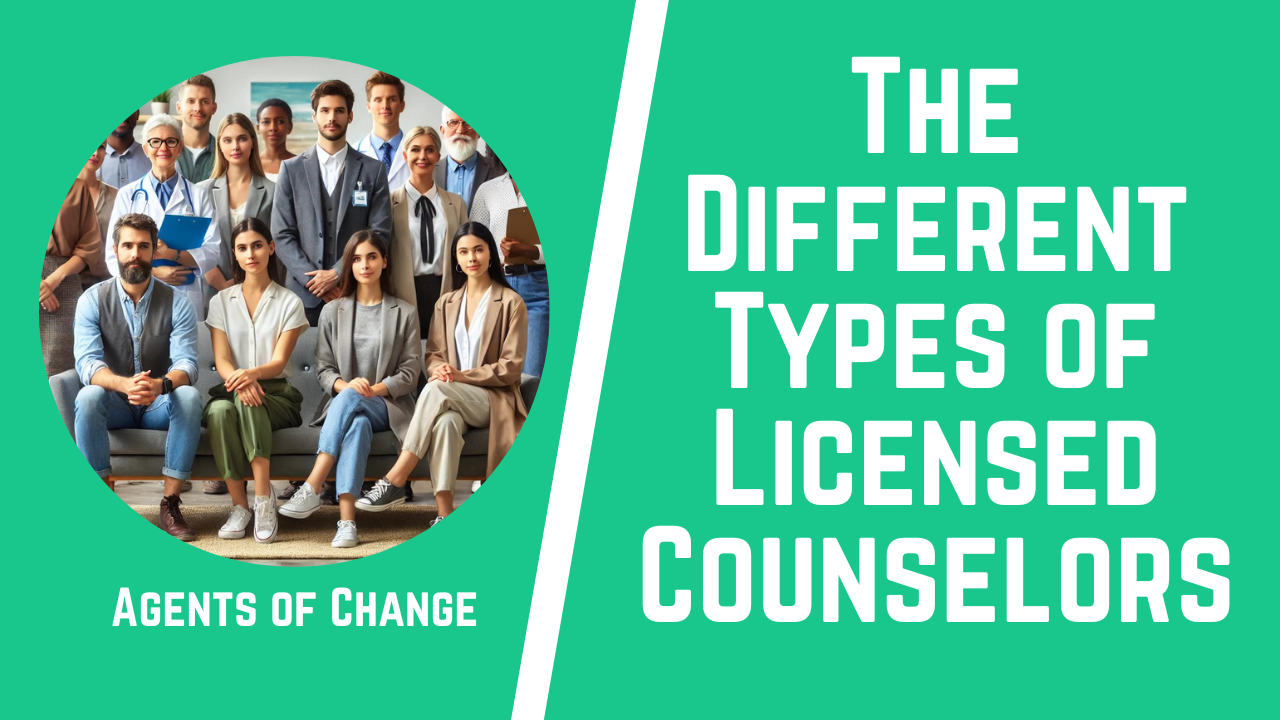
Navigating the world of mental health can be challenging, especially when you’re trying to figure out which type of counselor is the right fit. With various specialties in the field, each licensed counselor offers unique services tailored to specific needs, whether it’s helping someone cope with anxiety, guiding a family through a tough time, or supporting someone battling addiction. Knowing the different types of licensed counselors and what they do can empower you to make informed decisions when seeking help or pursuing a career in counseling.
In this blog post, we’ll explore the diverse roles within the counseling profession, from Licensed Professional Counselors (LPCs) to Marriage and Family Therapists (MFTs), and how each one contributes to mental health and wellness.
Each type of counselor has specialized training, approaches, and environments they work in, which can be crucial when deciding which professional is best suited to your personal or family needs. Whether you’re looking for individual therapy, family support, or specialized treatment, there’s a counselor out there equipped to help you.
Did you know? Agents of Change Continuing Education offers Unlimited Access to 150+ ASWB and NBCC-approved CE courses for one low annual fee to meet your state’s requirements for Continuing Education credits and level up your career.
We’ve helped thousands of Social Workers, Counselors, and Mental Health Professionals with Continuing Education, learn more here about Agents of Change and claim your 5 free CEUs.
1) What Does a Licensed Counselor Do?
Licensed counselors play a critical role in supporting individuals, families, and communities as they navigate emotional, psychological, and social challenges. Their primary goal is to help people cope with life’s difficulties, achieve personal growth, and improve their mental well-being.

However, the specific duties and responsibilities of a licensed counselor vary based on their area of specialization and the setting in which they work. In this section, we’ll break down the core functions of a licensed counselor and explore how their role differs depending on the specific type of counseling they offer.
Core Responsibilities of a Licensed Counselor
At the heart of a counselor’s role is their ability to provide guidance, support, and therapeutic interventions to individuals dealing with a wide range of issues. The following are the key responsibilities shared by most licensed counselors:
-
Assessment and Diagnosis:
Licensed counselors conduct assessments to evaluate their clients’ emotional, mental, and behavioral health. This process often includes interviews, standardized tests, and observation to understand the client’s condition and develop a diagnosis if applicable. -
Therapeutic Intervention:
Counseling involves the use of various therapeutic techniques designed to help clients manage their symptoms, improve their mental health, and work through life’s challenges. Common methods include cognitive-behavioral therapy (CBT), psychodynamic therapy, and solution-focused therapy. -
Crisis Intervention:
Counselors are often trained to respond to clients in crisis, offering immediate support and helping them develop coping strategies during acute episodes of mental health distress, such as suicidal thoughts or panic attacks. -
Treatment Planning:
After assessing a client’s needs, counselors create personalized treatment plans to guide the therapeutic process. These plans outline the goals of therapy, the techniques that will be used, and the expected outcomes over a set period of time. -
Documentation and Record-Keeping:
Licensed counselors maintain detailed records of their clients’ progress, including session notes, treatment plans, and assessments. Accurate documentation is critical for tracking client progress and meeting legal and ethical standards. -
Collaboration with Other Professionals:
Counselors often work as part of a larger healthcare team, collaborating with psychiatrists, social workers, teachers, and other professionals to provide holistic care for their clients.
Different Areas of Focus
Though all licensed counselors share core responsibilities, their specific focus areas can differ dramatically. Depending on their training, counselors may specialize in treating certain clients or working in particular environments. Let’s take a closer look at some of the common focus areas for licensed counselors.
1. Individual Therapy
One of the most common roles for licensed counselors is providing one-on-one therapy. In this setting, the counselor works directly with an individual client to address their emotional and mental health needs. Common issues addressed in individual therapy include:
-
Anxiety and depression
-
Trauma and post-traumatic stress disorder (PTSD)
-
Relationship challenges
-
Low self-esteem
-
Grief and loss
Through individual therapy, counselors guide clients toward greater self-awareness and help them develop coping strategies for managing their symptoms.
2. Family and Couples Counseling

Family and couples counseling focuses on resolving relational issues between family members or romantic partners. Licensed counselors specializing in this area—often Marriage and Family Therapists (MFTs)—are trained to help clients navigate complex family dynamics, improve communication, and work through conflicts. Some key issues addressed in family and couples counseling include:
-
Marital conflicts
-
Parenting challenges
-
Blended family dynamics
-
Family trauma or grief
-
Divorce and separation
In these sessions, the counselor helps families and couples understand their interactions and fosters healthier relationships.
3. Group Counseling
Licensed counselors also lead group therapy sessions where multiple clients work through similar challenges together. Group counseling is beneficial for individuals dealing with issues like addiction, grief, or social anxiety. In this environment, participants can gain support from others who are experiencing similar struggles. Group counseling offers:
-
Peer support and shared experiences
-
Opportunities to practice social skills
-
A sense of community and belonging
-
Feedback from both the counselor and group members
By facilitating these group discussions, counselors help clients build emotional resilience and learn from the perspectives of others.
The Role of Specialized Counselors
While many counselors work in generalized settings, others receive specialized training to focus on particular populations or mental health issues. This additional expertise allows them to address more specific concerns with their clients.
1. Substance Abuse Counselor
Substance abuse counselors specialize in helping individuals overcome addiction to drugs or alcohol. These counselors work in rehab centers, hospitals, or private practices, offering therapy to those in recovery. Substance abuse counseling involves:
-
Identifying triggers and underlying causes of addiction
-
Supporting clients through withdrawal and recovery
-
Developing relapse prevention strategies
-
Leading group counseling sessions like 12-step programs
By focusing on addiction, these counselors provide crucial guidance for those seeking long-term recovery.
2. School Counselor

School counselors support students’ mental, emotional, and academic development. They work in elementary, middle, and high schools, helping students navigate academic pressures, social challenges, and personal issues. School counselors’ responsibilities include:
-
Providing career guidance and academic planning
-
Addressing bullying or social difficulties
-
Offering emotional support for stress, anxiety, or family issues
-
Collaborating with teachers, parents, and administrators
School counselors are essential in fostering a safe, supportive learning environment where students can thrive.
3. Grief Counselor
Grief counselors specialize in helping individuals cope with the loss of a loved one. This type of counseling supports clients as they navigate the stages of grief, process emotions, and find ways to move forward after a significant loss. Grief counseling involves:
-
Exploring and validating the client’s emotional response
-
Assisting with the adjustment to life without the deceased
-
Helping clients find meaning and hope post-loss
-
Guiding individuals toward acceptance and healing
Grief counselors provide a compassionate, understanding space for clients to work through one of life’s most difficult experiences.
Skills and Qualities of a Successful Licensed Counselor
Becoming a licensed counselor requires not just formal education but also the development of a specific set of skills and personal qualities. The best counselors possess a combination of clinical expertise and interpersonal abilities, allowing them to form strong, trusting relationships with their clients.
Some of the key skills and qualities necessary for licensed counselors include:
-
Empathy and Compassion:
Counselors must be able to understand and connect with their clients’ emotions, offering a nonjudgmental and supportive presence. -
Active Listening:
Listening deeply to clients is crucial for understanding their struggles and helping them feel heard and validated. -
Problem-Solving Abilities:
Counselors often help clients navigate complex issues and develop practical strategies for overcoming challenges in their lives. -
Patience and Perseverance:
Progress in therapy can be slow and uneven, requiring counselors to remain patient and committed to supporting their clients over time. -
Ethical Awareness:
Licensed counselors must adhere to strict ethical guidelines to ensure the confidentiality, safety, and well-being of their clients.
Licensed counselors are crucial in promoting mental health and wellness in our society. Whether working with individuals, families, groups, or specialized populations, counselors provide a safe, supportive environment where clients can explore their challenges and work toward healing and growth.
Understanding what licensed counselors do—and the many forms their work can take—helps clients find the right support and opens the door to a healthier, more fulfilling life.
Learn more about Agents of Change Continuing Education. We’ve helped thousands of Social Workers, Counselors, and Mental Health Professionals with their Continuing Education and want you to be next!
2) The Different Types of Licensed Counselors and What They Do
Licensed counselors are highly trained professionals who specialize in helping people navigate various mental health challenges, relationship issues, and personal crises. However, not all counselors offer the same type of services or work with the same populations.
There are several distinct types of licensed counselors, each with specialized training and expertise. In this section, we’ll explore the different types of licensed counselors, what they do, and where they work. We’ll also look at statistics on how many professionals work in each field, offering insight into the scope and demand for these services.
1. Licensed Professional Counselor (LPC)
One of the most common types of licensed mental health professionals, Licensed Professional Counselors (LPCs), offer a broad range of services, from treating mental health disorders to providing career guidance.
LPCs are trained to work with individuals, couples, and groups across various settings, such as private practices, community mental health centers, schools, and rehabilitation facilities. They are skilled in providing therapy for mental health conditions such as anxiety, depression, trauma, and relationship issues.
Key Roles of LPCs:
-
Conduct assessments and diagnose mental health conditions
-
Develop treatment plans tailored to individual clients
-
Provide various forms of therapy, including cognitive-behavioral therapy (CBT), psychodynamic therapy, and person-centered therapy
-
Offer crisis intervention and short-term counseling
-
Refer clients to other healthcare professionals when necessary
Statistics:
-
According to the BLS, there are over 153,000 Licensed Professional Counselors practicing in the U.S., according to the American Counseling Association (ACA).
-
The U.S. Bureau of Labor Statistics (BLS) reports that the demand for LPCs is expected to grow by 22% between 2021 and 2031, which is much faster than the average growth rate for other professions.
LPCs are required to maintain their licensure through ongoing professional development and continuing education, often provided by organizations like Agents of Change Continuing Education.
2. Marriage and Family Therapist (MFT)
Marriage and Family Therapists (MFTs) specialize in helping couples and families work through relational conflicts and improve communication. MFTs use a systemic approach, focusing not just on individuals but on the dynamics between people.

They treat various issues, including marital problems, parenting challenges, and family crises. MFTs are trained to address relational problems within the context of family systems, meaning they explore how family dynamics affect individual mental health.
Key Roles of MFTs:
-
Provide therapy for couples and families dealing with conflicts, communication breakdowns, and other relational issues
-
Offer premarital counseling and divorce mediation
-
Help families cope with significant life transitions, such as the death of a loved one or a child leaving for college
-
Work with individuals within the context of family systems to address issues like anxiety, depression, and trauma
Statistics:
-
There are approximately 60,000 MFTs practicing in the United States, according to the American Association for Marriage and Family Therapy (AAMFT).
-
The BLS estimates that the employment of MFTs is projected to grow by 14% by 2031, driven by an increased demand for family counseling services.
Like other licensed professionals, MFTs must complete continuing education to stay up to date with current practices. Many of these professionals rely on providers like Agents of Change Continuing Education to earn their required credits.
3. Licensed Mental Health Counselor (LMHC)
Licensed Mental Health Counselors (LMHCs) are similar to LPCs in that they offer a wide range of mental health services to individuals, families, and groups. LMHCs are trained to provide therapy for mental health conditions like depression, anxiety, trauma, and substance abuse. They work in various settings, including private practices, hospitals, community clinics, and schools.
Key Roles of LMHCs:
-
Conduct individual, group, and family therapy
-
Assess mental health conditions and create treatment plans
-
Provide crisis intervention services
-
Support clients struggling with substance abuse, trauma, or emotional disorders
-
Collaborate with other healthcare professionals, including psychiatrists and primary care providers
Statistics:
-
According to the BLS, there are about 139,000 Mental Health Counselors currently practicing in the United States.
-
Employment for LMHCs is expected to grow by 22% by 2031, reflecting an increasing demand for mental health services.
4. School Counselor
School Counselors provide emotional, academic, and social support to students, helping them navigate the pressures of school life, family relationships, and future career planning.
They are trained to address developmental and academic issues, as well as personal and social challenges that students may face. School Counselors often serve as a bridge between students, parents, and teachers, helping to foster a positive learning environment.
Key Roles of School Counselors:
-
Provide individual and group counseling to help students with academic challenges, emotional difficulties, and peer relationships
-
Develop and implement programs aimed at promoting academic success and personal growth
-
Address issues like bullying, anxiety, and depression within the school setting
-
Help students with career and college readiness, offering guidance on courses, college applications, and job opportunities
Statistics:
-
There are approximately 118,000 School Counselors employed in U.S. schools, according to the BLS.
-
The demand for School Counselors is expected to grow by 10% by 2031, as schools increasingly recognize the importance of mental health support for students.
5. Substance Abuse Counselor
Substance Abuse Counselors focus on helping individuals struggling with drug or alcohol addiction. They work closely with clients to develop strategies for overcoming addiction and maintaining long-term sobriety.
Substance abuse counselors also provide support for the families of those dealing with addiction, helping them understand the recovery process and offering guidance on how to support their loved ones.
Key Roles of Substance Abuse Counselors:
-
Assess and diagnose addiction issues
-
Provide individual and group therapy for clients struggling with substance abuse
-
Lead support groups, such as 12-step programs, to aid in recovery
-
Help clients develop relapse prevention strategies and coping mechanisms
-
Educate families on addiction and how they can support recovery efforts
Statistics:
-
According to the BLS, there are currently around 89,000 Substance Abuse Counselors working in the United States.
-
The need for Substance Abuse Counselors is expected to increase by 22% by 2031, largely due to rising rates of addiction and the ongoing opioid crisis.
We’ve helped thousands of Social Workers, Counselors, and Mental Health Professionals with Continuing Education, learn more here about Agents of Change and claim your 5 free CEUs!
3) The Importance of Continuing Education for Counselors
Continuing education is an essential aspect of professional development for licensed counselors. In the ever-evolving field of mental health, staying informed about the latest research, therapeutic techniques, and ethical standards is not just a requirement to maintain licensure—it’s also key to providing the highest quality care to clients.
In this section, we will explore why continuing education is so crucial for counselors, how it impacts both professionals and clients, and the specific ways counselors can meet their continuing education requirements.
1. Why Continuing Education is Necessary
The counseling profession is dynamic, with new treatment approaches, research findings, and ethical considerations emerging regularly. Counselors who stay up to date on these developments can ensure that they are offering their clients the most effective, evidence-based care.
A. Staying Current with Best Practices
Mental health research is continually advancing, providing new insights into disorders such as anxiety, depression, trauma, and addiction. New therapeutic models, like acceptance and commitment therapy (ACT) or trauma-informed care, have shown promise in improving client outcomes. Licensed counselors must engage in continuing education to stay informed on these advances and integrate them into their practice. This ensures that they:
-
Use evidence-based treatment methods proven to work
-
Offer clients the most effective therapeutic interventions
-
Address complex cases with cutting-edge strategies
B. Adapting to Changes in Client Needs
As society changes, so do the needs of clients. For example, the rise of social media, the effects of the COVID-19 pandemic, and increased awareness of mental health have introduced new challenges and stressors that counselors must understand and address. Continuing education equips counselors to:
-
Recognize emerging issues, such as cyberbullying, social media addiction, or pandemic-related stress
-
Learn new approaches for addressing modern-day mental health concerns
-
Develop specialized skills to work with diverse and underserved populations
C. Maintaining Ethical Standards
Ethical guidelines in counseling evolve over time to reflect societal changes, legal updates, and developments in mental health research. Continuing education ensures that counselors remain compliant with these updated standards and are equipped to navigate complex ethical dilemmas. Ethical issues counselors may face include:
-
Confidentiality in digital counseling settings (such as telehealth)
-
Handling boundary issues and dual relationships
-
Navigating consent and autonomy when working with minors or vulnerable populations
2. Licensure and Professional Requirements
In nearly all states, licensed counselors are required to complete continuing education in order to renew their licenses. Each state’s licensure board sets specific requirements for the number of hours and types of courses that counselors must complete. Failure to meet these requirements can result in penalties, including the suspension or revocation of licensure.
A. Specific Requirements by License
The exact number of continuing education hours varies by state and by the type of counseling license a professional holds. However, here are some common guidelines across different licenses:
-
Licensed Professional Counselors (LPCs) typically need between 20 to 40 hours of continuing education every two years, with a certain number of hours required in ethics.
-
Marriage and Family Therapists (MFTs) may require 36 hours of continuing education every two years, including coursework on child abuse, domestic violence, or substance abuse.
Continuing education programs like those offered by Agents of Change Continuing Education are specifically designed to meet these requirements, offering courses approved by the relevant boards such as the National Board for Certified Counselors (NBCC) and the Association of Social Work Boards (ASWB).
B. Meeting State and National Standards
Counselors must ensure their continuing education credits (CECs) are approved by their state’s licensing board or national organizations. NBCC and ASWB-approved continuing education providers like Agents of Change Continuing Education ensure that the courses meet the state and national standards required for licensure renewal. Professionals can take courses on:
-
Ethics and law (mandatory in most states)
-
Clinical techniques, such as CBT, DBT, or trauma-focused therapy
-
Specialized populations, such as veterans, LGBTQ+ clients, or children
3. Professional Growth and Specialization
Beyond licensure requirements, continuing education offers counselors an opportunity for professional growth. It allows counselors to develop new skills, expand their expertise, and pursue specializations in areas that interest them. This enhances their practice and makes them more marketable as professionals.
A. Developing New Skills and Techniques
Counselors who regularly engage in continuing education can expand their skill sets and learn new therapeutic techniques to improve their practice. Some areas of growth might include:
-
Trauma-Informed Care: Learn how to provide therapy that recognizes the impact of trauma on mental health and offers strategies for healing.
-
Cognitive Behavioral Therapy (CBT): Master new CBT techniques for treating conditions like anxiety, depression, and PTSD.
-
Mindfulness-Based Approaches: Understand how to incorporate mindfulness into therapeutic practices to help clients manage stress and improve emotional regulation.
B. Pursuing Specializations
Counselors often choose to specialize in a particular area, allowing them to offer more targeted services to specific populations or issues. Continuing education plays a vital role in this process, providing the training and knowledge necessary to become an expert in a given field. Common areas of specialization include:
-
Addiction and Substance Abuse Counseling: With the rise in opioid addiction and other substance abuse issues, there is a growing need for counselors who are experts in addiction recovery.
-
Child and Adolescent Counseling: Many counselors choose to focus on working with children and teens, helping them navigate challenges like bullying, anxiety, or behavioral issues.
-
Couples and Family Counseling: Marriage and family therapy is another area of specialization that requires in-depth knowledge of family systems and relational dynamics.
By pursuing specialization through continuing education, counselors can differentiate themselves in the job market, command higher salaries, and offer more comprehensive services to clients.
4. Improving Client Outcomes
Perhaps the most significant benefit of continuing education is its impact on client outcomes. Clients benefit directly from counselors who are well-versed in the latest therapeutic techniques and ethical standards. When counselors continue to develop their skills and expand their knowledge base, they can offer more effective interventions and create better therapeutic relationships.
A. Evidence-Based Practice
Continuing education ensures that counselors are practicing in ways that are backed by the latest research. This focus on evidence-based practice is essential for improving client outcomes, as it ensures that:
-
Clients receive treatments that have been proven to work through rigorous studies.
-
Counselors can more accurately diagnose and treat complex conditions.
-
Therapy is more efficient and tailored to individual client needs.
B. Enhancing Therapeutic Relationships
A counselor’s ability to build rapport and trust with clients is foundational to the success of therapy. Continuing education often focuses on improving communication, empathy, and cultural competency—skills that can enhance the therapeutic relationship and lead to better outcomes for clients. Courses may cover:
-
Techniques for improving active listening and client engagement
-
Strategies for working with culturally diverse populations
-
Tools for managing difficult or resistant clients
5. Accessible Continuing Education Options
Thanks to advancements in technology, continuing education is more accessible than ever before. Online platforms allow counselors to complete courses at their own pace, making it easier to fit professional development into a busy schedule.
A. Online Learning Platforms
Online continuing education providers, such as Agents of Change Continuing Education, offer a wide range of NBCC and ASWB-approved courses that counselors can complete from anywhere, on their schedule. This flexibility is especially beneficial for full-time counselors or those in rural areas who may not have easy access to in-person courses.
B. Interactive and Engaging Learning Formats
Modern continuing education platforms offer more than just static readings or lectures. Many courses are interactive, incorporating multimedia elements, case studies, and quizzes to make learning more engaging. Some benefits of online courses include:
-
Access to a wide variety of topics and specializations
-
Flexibility in scheduling and location
-
Affordable pricing, with options for bulk course packages
Continuing education providers like Agents of Change offer over 150 ASWB and NBCC-approved courses, allowing counselors to meet their licensure requirements without sacrificing quality or convenience.
A Lifelong Commitment to Learning
As the mental health field continues to evolve, counselors who prioritize their professional development through organizations like Agents of Change Continuing Education will be better equipped to meet the challenges of modern therapy and provide the highest quality care for their clients. By committing to lifelong learning, counselors can grow both personally and professionally, while making a lasting impact on the lives of those they serve.
4) FAQs – The Different Types of Licensed Counselors
Q: What is the difference between a Licensed Professional Counselor (LPC) and a Licensed Clinical Social Worker (LCSW)?
A: Both LPCs and LCSWs are licensed mental health professionals who provide therapy and counseling, but their training and areas of focus differ. Licensed Professional Counselors (LPCs) focus primarily on mental health counseling and psychotherapy, working with individuals, couples, or groups to address issues like anxiety, depression, trauma, and relationship problems. They often work in private practice, community health centers, and rehabilitation settings, using therapeutic techniques like cognitive-behavioral therapy (CBT) or psychodynamic therapy.
Licensed Clinical Social Workers (LCSWs), on the other hand, provide therapy while also addressing broader social issues that impact a client’s well-being, such as poverty, housing instability, or domestic violence. LCSWs often work in hospitals, social service agencies, or private practice, offering both counseling and advocacy services. Their training emphasizes not just individual therapy but also navigating complex social systems and connecting clients with resources.
Both professionals are required to complete continuing education to maintain their licenses, with resources available through providers like Agents of Change Continuing Education.
Q: How many continuing education hours do licensed counselors need to maintain their licenses?
A: The number of continuing education hours (CECs) required to maintain licensure varies depending on the state and the type of counseling license.
Generally, Licensed Professional Counselors (LPCs) and Licensed Clinical Social Workers (LCSWs) are required to complete between 20 to 40 hours of continuing education every two years, with a certain number of hours dedicated to ethics training.
Marriage and Family Therapists (MFTs) typically need 36 hours every two years, while School Counselors and Substance Abuse Counselors may have specific requirements based on their licensure boards.
To ensure compliance with these requirements, counselors often turn to approved continuing education providers like Agents of Change Continuing Education, which offers over 150 ASWB and NBCC-approved courses designed to meet state licensure requirements for various counseling professions.
Q: Can a counselor specialize in more than one area of practice, and how can continuing education help with this?
A: Yes, counselors can specialize in more than one area of practice, and continuing education plays a critical role in helping them gain the expertise required to work in multiple specializations.
For example, a counselor might start as an LPC providing individual therapy but choose to specialize in trauma-informed care, substance abuse counseling, or family therapy by completing specific continuing education courses in these areas. Specializing allows counselors to serve diverse populations or work in different therapeutic settings, expanding their practice and enhancing their career opportunities.
Continuing education programs, like those offered by Agents of Change Continuing Education, provide counselors with the flexibility to pursue specialized training in areas such as trauma therapy, child and adolescent counseling, or substance abuse treatment. By continually updating their knowledge and skills, counselors can offer more targeted, effective interventions to clients with specific needs.