Navigating Social Work licensure in West Virginia requires a thorough understanding of the renewal process, continuing education mandates, and the diverse credentials available to practitioners. With a strong foundation in promoting community well-being, Social Work in West Virginia adheres to specific standards and regulations to ensure professionals are well-prepared in both knowledge and ethical practice.
This blog post details the licensure renewal process, highlights important dates and fees, and explores the various types of credentials that mental health practitioners can obtain in the state. Whether you are a Licensed Social Worker, a Licensed Graduate Social Worker, a Licensed Certified Social Worker, or a Licensed Independent Clinical Social Worker, this guide serves as a comprehensive resource.
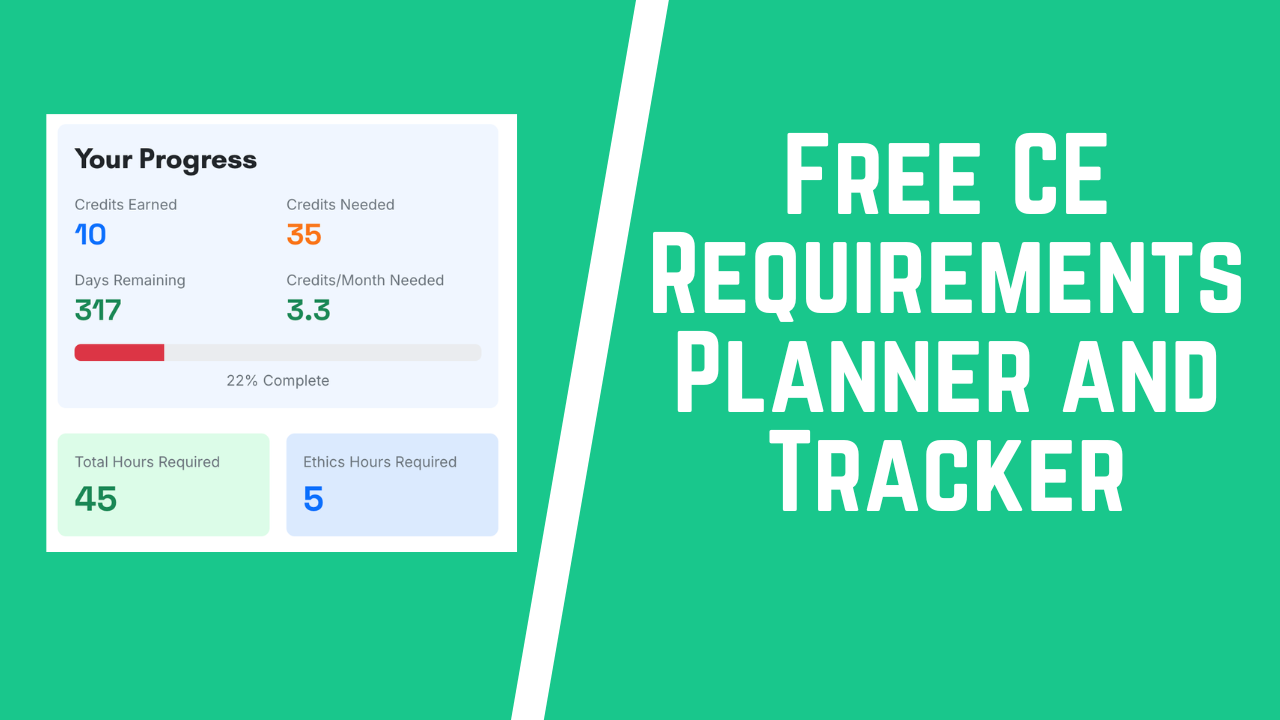
Did you know? Agents of Change Continuing Education offers Unlimited Access to 150+ CE courses for one low annual fee to meet your state’s requirements for Continuing Education credits.
We’ve helped thousands of Social Workers with Continuing Education, learn more here about Agents of Change and claim your 5 free CEUs.
1) Key West Virginia Social Work Licensure Renewal Dates
In West Virginia, Social Work licensure and credentialing are governed by the West Virginia Board of Social Work. The state offers various levels of licensure, each with specific requirements:
When does your license expire?
Licenses must be renewed every two years. All licenses expire on September 30th of odd-numbered years (details).
Credentials Issued by West Virginia
- Licensed Social Worker (LSW)
- Education: Bachelor’s degree in Social Work (BSW) from a CSWE-accredited program.
- Exam: ASWB Bachelor’s exam.
- Experience: No post-graduate experience required.
- Licensed Graduate Social Worker (LGSW)
- Education: Master’s degree in Social Work (MSW) from a CSWE-accredited program.
- Exam: ASWB Master’s exam.
- Experience: No post-graduate experience required.
- Licensed Certified Social Worker (LCSW)
- Education: Master’s degree in Social Work (MSW).
- Exam: ASWB Advanced Generalist exam.
- Experience: Two years of post-MSW social work experience.
- Licensed Independent Clinical Social Worker (LICSW)
- Education: Master’s degree in Social Work (MSW).
- Exam: ASWB Clinical exam.
- Experience: Two years of post-MSW clinical social work experience under supervision (100 hours of supervision required).
- Provisional License: Allows individuals to practice under supervision while completing licensure requirements.
- Temporary Permit: Issued under specific conditions, such as to out-of-state licensees who are awaiting their West Virginia license.
License Fees:
Fees for Specific Licenses
- Licensed Social Worker (LSW)
- Application Fee: $100
- Exam Fee: $230 (ASWB Bachelor’s exam)
- Licensed Graduate Social Worker (LGSW)
- Application Fee: $100
- Exam Fee: $230 (ASWB Master’s exam)
- Licensed Certified Social Worker (LCSW)
- Application Fee: $100
- Exam Fee: $260 (ASWB Advanced Generalist exam)
- Licensed Independent Clinical Social Worker (LICSW)
- Application Fee: $100
- Exam Fee: $260 (ASWB Clinical exam)
Renewal Fees
- LSW: $75
- LGSW: $100
- LCSW: $100
- LICSW: $150
Agents of Change Continuing Education offers Unlimited Access to 150+ CE courses for one low annual fee to meet West Virginia’s requirements for Continuing Education credits.
2) West Virginia Social Work Continuing Education Requirements
In West Virginia, the continuing education requirements for Social Workers have been updated. As of July 1, 2022, all regular licensed Social Workers (LSW, LGSW, LCSW, LICSW) must complete thirty (30) hours of approved continuing education every two years. This is a reduction from the previous requirement of 40 hours.
Continuing Education (CE) Requirements:
- 30 hours of continuing education (CE) every two years, with specific content requirements, such as ethics.
- Category I Hours: At least 20 of the 30 required hours must be from Category I activities, which include face-to-face or synchronous online courses provided by Board-approved providers. Ten of these hours must be face-to-face or synchronous.
- 2 of these hours must focus on mental health conditions specific to veterans and their families.
- 1 hour must be in Social Work ethics.
- Category II Hours: Up to 10 hours can be from Category II activities, such as independent study, reading relevant Social Work literature, or internet research on Social Work topics.
Learn more about the Continuing Education requirements here: West Virginia Board of Social Work
Agents of Change Continuing Education is a great way to meet West Virginia’s CE requirements and track your completed CEUs, with over 150 courses that meet these requirements!
Agents of Change, #1919, is approved as an ACE provider to offer social work continuing education by the Association of Social Work Boards (ASWB) Approved Continuing Education (ACE) program. Regulatory boards are the final authority on courses accepted for continuing education credit.
3) FAQs – West Virginia Social Work Licensure Renewal and CEUs
Q: What are the Continuing Education (CE) requirements for social workers in West Virginia?
A: In West Virginia, all regular licensed Social Workers (LSW, LGSW, LCSW, LICSW) must complete thirty (30) hours of approved continuing education every two years. This requirement was updated as of July 1, 2022. The details are as follows:
- Category I Hours: At least 20 of the 30 hours must be from Category I activities, which include face-to-face or synchronous online courses provided by Board-approved providers.
- Veteran-Specific Training: 2 of these hours must focus on mental health conditions specific to veterans and their families.
- Ethics Training: 1 hour must be in Social Work ethics.
- Category II Hours: Up to 10 hours can be from Category II activities, such as independent study, reading relevant Social Work literature, or internet research on Social Work topics.
Q: How can I report my continuing education credits to the West Virginia Board of Social Work?
A: Social Workers in West Virginia have two main options for reporting their continuing education credits:
- CE Broker: The Board highly recommends activating and using a free CE Broker account to track and report continuing education credits. This online system allows for easy submission and verification of CE activities.
- Mail/Fax: If you choose not to use CE Broker, you can submit your continuing education records by mail or fax. Ensure you include all necessary documentation, such as certificates of completion from approved providers.
It is important to maintain accurate records and report CE hours within the designated licensing period to ensure compliance with renewal requirements.
Q: What are the fees associated with applying for a social work license in West Virginia?
A: The fees for applying for a Social Work license in West Virginia vary depending on the type of license. Here is a breakdown:
- Licensed Social Worker (LSW):
- Application Fee: $100
- Exam Fee: $230 (ASWB Bachelor’s exam)
- Licensed Graduate Social Worker (LGSW):
- Application Fee: $100
- Exam Fee: $230 (ASWB Master’s exam)
- Licensed Certified Social Worker (LCSW):
- Application Fee: $100
- Exam Fee: $260 (ASWB Advanced Generalist exam)
- Licensed Independent Clinical Social Worker (LICSW):
- Application Fee: $100
- Exam Fee: $260 (ASWB Clinical exam)
Additionally, the renewal fees are as follows:
- LSW: $75
- LGSW: $100
- LCSW: $100
- LICSW: $150
Resources for CE: Agents of Change Continuing Education offers over 150 courses that meet West Virginia’s CE requirements. Regulatory boards have the final say on courses accepted for continuing education credit.
4) Conclusion
Navigating the licensure process for Social Workers in West Virginia is a detailed and structured journey, ensuring that practitioners are well-equipped to meet the state’s high standards of professional and ethical practice.
By understanding the various levels of licensure, such as LSW, LGSW, LCSW, and LICSW, social workers can better prepare themselves for the requirements and responsibilities associated with each credential. This includes meeting specific educational criteria, gaining necessary supervised experience, and passing the appropriate ASWB examinations.
The path to becoming a licensed Social Worker in West Virginia is rigorous but designed to uphold the integrity and effectiveness of the profession. By adhering to these guidelines, Social Workers comply with state regulations and enhance their skills and knowledge, ultimately contributing to the well-being of the communities they serve. This blog post aims to provide a comprehensive resource for social workers at all stages of their careers, ensuring they have the information needed to succeed in their licensure and professional growth.
Resources like Agents of Change Continuing Education provide accessible and varied learning opportunities for Social Workers to meet Continuing Education requirements. Learn more about Agents of Change Continuing Education.
We’ve helped thousands of Social Workers with their Continuing Education and want you to be next!
————————————————————————————————————————————————
► Learn more about the Agents of Change Continuing Education here: https://agentsofchangetraining.com
About the Instructor, Meagan Mitchell: Meagan is a Licensed Clinical Social Worker and has been providing Continuing Education for Social Workers for more than 10 years. From all of this experience helping others pass their exams, she created Agents of Change Continuing Education to help Social Workers stay up-to-date on the latest trends, research, and techniques.
#socialwork #socialworker #socialwork #socialworklicense #socialworklicensing #continuinged #continuingeducation #ce #socialworkce #freecesocialwork #lmsw #lcsw
Disclaimer: This content has been made available for informational and educational purposes only. This content is not intended to be a substitute for professional medical or clinical advice, diagnosis, or treatment