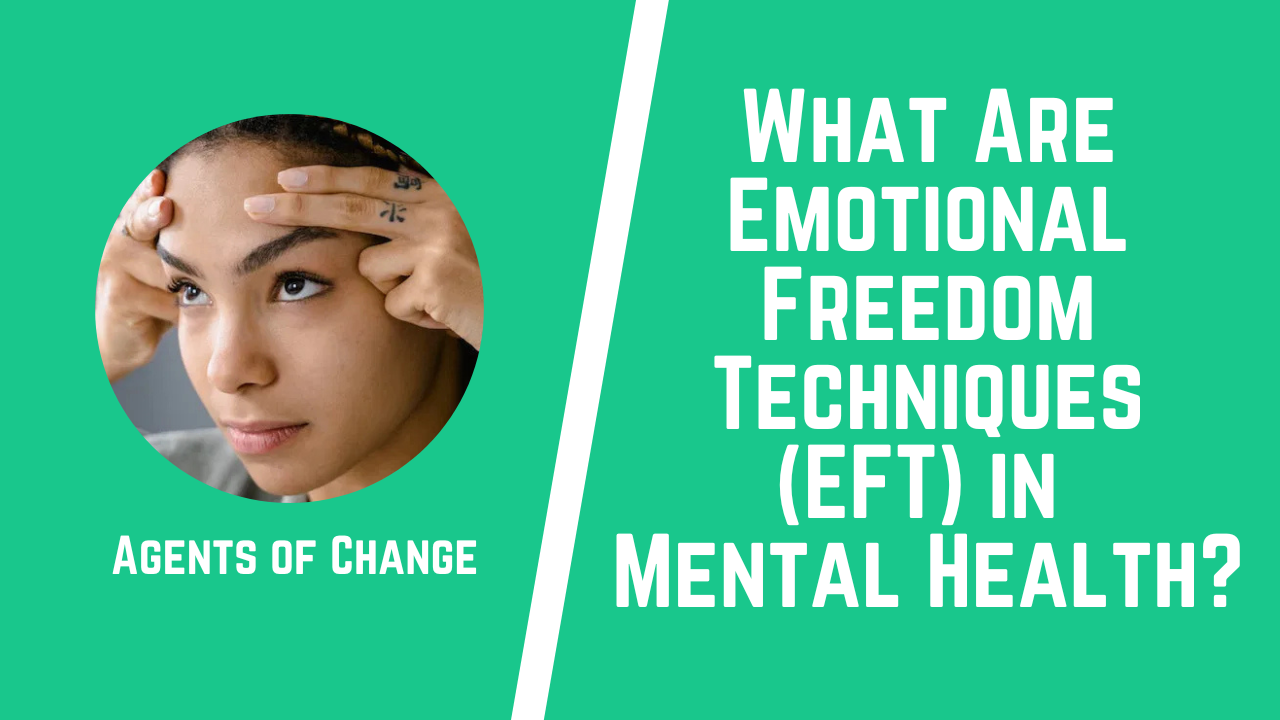
What Are Emotional Freedom Techniques (EFT) in Mental Health?

What Are Emotional Freedom Techniques (EFT) in Mental Health?

Emotional well-being has become a central concern in modern life, touching everything from personal relationships to professional performance. As people search for ways to manage stress, anxiety, trauma, and emotional overload, interest has grown in approaches that address both the mind and the body. Among these approaches, Emotional Freedom Techniques, often called EFT or tapping, has gained steady attention from mental health professionals and individuals alike. It promises something many people want but rarely find: a method that feels simple, grounded, and empowering.

At first glance, EFT can seem unusual. The idea of tapping on specific points of the body while focusing on emotional distress raises questions, curiosity, and sometimes skepticism. Still, thousands of therapists and clients report meaningful shifts in emotional intensity, self-awareness, and regulation through this technique.

This blog post explores EFT with clarity and balance, without hype or dismissal. You will learn where EFT came from, how it is used in mental health settings, what research suggests about its effectiveness, and how clinicians responsibly integrate it into practice. Whether you are a mental health professional seeking continuing education insights or someone curious about alternative tools for emotional healing, this introduction sets the stage for a deeper, thoughtful discussion of EFT and its place in contemporary mental health care.

Did you know? Agents of Change Continuing Education offers Unlimited Access to 150+ ASWB and NBCC-approved CE courses and 12+ Live Events per year for one low annual fee to meet your state’s requirements for Continuing Education credits and level up your career.

We’ve helped hundreds of thousands of Social Workers, Counselors, and Mental Health Professionals with Continuing Education, learn more here about Agents of Change and claim your 5 free CEUs.

1) What Are Emotional Freedom Techniques (EFT)?

Emotional Freedom Techniques, commonly known as EFT or tapping, are a mind-body approach designed to reduce emotional distress and support psychological well-being. EFT blends focused attention on emotional experiences with gentle tapping on specific body points. While the method may look simple from the outside, it rests on a layered understanding of how emotions, memory, and the nervous system interact.

a therapist practicing EFT with a client in a warm creative looking office.

To fully understand EFT, it helps to break it down into its key components and underlying ideas rather than viewing it as a single technique.


The Core Concept Behind EFT

At its foundation, EFT is based on the idea that emotional distress is connected to disruptions in the body’s stress response system. When a person recalls a painful memory, fear, or belief, the body often reacts as if the threat is happening right now. Heart rate increases, muscles tense, and anxiety rises.

EFT aims to calm this stress response while the emotional issue is actively in focus. By pairing awareness of the problem with rhythmic tapping, the nervous system is encouraged to settle rather than stay in a state of alarm.


The Role of Tapping in EFT

Tapping is performed with the fingertips on specific points of the body traditionally associated with acupuncture meridians. No needles or equipment are used, which makes EFT accessible and easy to learn.

Common tapping points include:

  • The top of the head

  • The beginning of the eyebrow

  • The side of the eye

  • Under the eye

  • Under the nose

  • The chin

  • The collarbone

  • Under the arm

Each point is tapped several times while the person stays mentally connected to the emotional issue being addressed.


Focused Attention and Emotional Awareness

One of the most important aspects of EFT is focused attention. Rather than distracting from uncomfortable emotions, EFT encourages people to gently bring those feelings into awareness. This might involve:

  • Naming the emotion clearly

  • Identifying where it shows up in the body

  • Rating the intensity of the distress

  • Recalling a specific situation or memory

This intentional focus helps ensure that the nervous system is responding to the correct emotional trigger during the tapping process.


The Setup Statement and Self-Acceptance

EFT typically begins with a setup statement, which combines acknowledgment of the problem with an element of self-acceptance. These statements are not meant to force positivity. Instead, they validate the present experience while reducing internal resistance.

A setup statement usually includes:

  • Recognition of the emotional issue

  • Acceptance of oneself despite the issue

For example, someone might acknowledge anxiety while affirming self-acceptance in the same sentence. This structure can reduce shame and defensiveness, which often block emotional processing.


How EFT Is Experienced Subjectively

People often describe EFT sessions as calming, grounding, or emotionally releasing. Some notice immediate changes, while others experience gradual shifts over time. Common experiences include:

  • Reduced emotional intensity

  • Increased clarity or insight

  • Physical relaxation

  • Emotional relief without overwhelm

Responses vary widely, which is why EFT is often used flexibly rather than as a rigid protocol.


EFT as a Skill, Not a Cure

It is important to understand that EFT is not positioned as a cure for mental health conditions. Instead, it is considered a skill that can support emotional regulation and self-awareness.

EFT is often used as:

  • A complementary tool alongside therapy

  • A self-regulation technique between sessions

  • A way to gently approach difficult emotions

When used appropriately, EFT can become part of a broader mental health toolkit rather than a standalone solution.

Learn more about Agents of Change Continuing Education. We’ve helped hundreds of thousands of Social Workers, Counselors, and Mental Health Professionals with their continuing education, and we want you to be next!

2) Conditions Where EFT Is Commonly Used

Emotional Freedom Techniques have been applied across a wide range of emotional and psychological concerns, especially those linked to stress responses, emotional reactivity, and unresolved experiences. While EFT is not a diagnostic tool or a replacement for evidence-based treatment, many clinicians and individuals use it as a supportive method within a broader mental health framework. Its impact can vary depending on the condition, the individual, and whether EFT is practiced independently or guided by a trained professional.

a therapist practicing EFT with a client in a warm creative looking office.

Below are some of the most common conditions where EFT is used, along with how it is typically applied and the kind of changes people may notice over time.


Anxiety Disorders and Chronic Stress

Anxiety is one of the most frequent reasons people turn to EFT. This includes generalized anxiety, social anxiety, performance anxiety, and ongoing stress related to work or relationships.

How EFT is used:
EFT is often applied by identifying specific anxiety triggers rather than addressing anxiety in general. For example, a person might tap while focusing on a particular meeting, conversation, or bodily sensation associated with anxiety. The tapping helps calm the nervous system while the anxiety is mentally activated.

Potential impact and time frame:
Many people notice a reduction in emotional intensity within a single session or over a few sessions. For chronic anxiety, consistent use over several weeks can lead to improved emotional regulation, fewer stress reactions, and greater awareness of early anxiety signals. Long-term practice may support resilience rather than eliminate anxiety entirely.


Trauma and Post-Traumatic Stress Responses

EFT is sometimes used in trauma-informed settings, particularly for clients who struggle with emotional overwhelm or somatic symptoms when recalling past events. It is most often integrated alongside established trauma therapies rather than used alone.

How EFT is used:
Trauma-focused EFT emphasizes safety and pacing. Clients may tap while focusing on small, manageable aspects of a memory or on present-moment sensations linked to trauma. Practitioners often avoid intense exposure and work gradually.

Potential impact and time frame:
Some individuals experience noticeable relief from specific trauma triggers within a few sessions. Broader trauma recovery typically unfolds over months, especially when EFT is part of a comprehensive treatment plan. Benefits may include reduced emotional reactivity, fewer physical stress responses, and increased tolerance for discussing difficult memories.


Depression and Emotional Numbness

While EFT is not a primary treatment for depression, it is sometimes used to address emotional heaviness, self-critical thoughts, or feelings of stuckness that accompany depressive symptoms.

How EFT is used:
EFT sessions may focus on negative beliefs, unresolved grief, or emotional shutdown rather than depressive symptoms as a whole. Tapping is often paired with a gentle acknowledgment of emotional pain and self-acceptance.

Potential impact and time frame:
Changes tend to be gradual. Over several weeks, individuals may notice subtle shifts in emotional engagement, reduced self-judgment, or increased motivation. EFT is most effective in this area when combined with therapy, medication when appropriate, and lifestyle support.


Phobias and Specific Fears

Specific fears, such as fear of flying, public speaking, medical procedures, or animals, are commonly addressed with EFT.

How EFT is used:
Practitioners usually break the fear into specific elements, such as visual images, physical sensations, or anticipated outcomes. Tapping is done while focusing on each component until distress decreases.

Potential impact and time frame:
Phobias often respond relatively quickly compared to more complex conditions. Some people report significant relief within one to three sessions. Continued tapping may help maintain results and prevent the fear from returning under stress.


Chronic Pain and Somatic Symptoms

EFT is sometimes used with chronic pain, tension, headaches, and other physical symptoms that have an emotional or stress-related component.

How EFT is used:
The focus may shift between physical sensations and the emotions connected to the pain, such as frustration, fear, or helplessness. Tapping supports relaxation and emotional processing rather than directly targeting the physical condition.

Potential impact and time frame:
Results vary widely. Some individuals experience short-term relief during sessions, while others notice gradual improvements over weeks or months. EFT may reduce emotional distress related to pain even if the physical condition remains.


Grief, Loss, and Adjustment Issues

EFT is often used to support people navigating grief, life transitions, or major changes.

How EFT is used:
Tapping allows individuals to acknowledge sadness, anger, guilt, or confusion without suppressing or rushing the process. Sessions often focus on specific memories or feelings related to the loss.

Potential impact and time frame:
EFT does not remove grief, but it may help soften emotional intensity and support emotional processing over time. Changes are typically noticed gradually across weeks or months.


Performance and Self-Esteem Challenges

EFT is frequently applied in situations involving performance pressure, confidence issues, or fear of failure.

How EFT is used:
Clients tap while focusing on self-doubt, critical inner dialogue, or anticipated judgment. This can help reduce physiological stress responses tied to performance situations.

Potential impact and time frame:
Many people notice improvement within a few sessions, especially when addressing specific scenarios. Continued practice may support lasting confidence and emotional flexibility.


Overall, EFT is most effective when it is tailored to specific emotional experiences and practiced consistently. While some changes can occur quickly, deeper patterns often shift over time with repeated use and professional guidance when needed.

Agents of Change has helped hundreds of thousands of Social Workers, Counselors, and Mental Health Professionals with Continuing Education, learn more here about Agents of Change and claim your 5 free CEUs!

3) What Does the Research Say?

Research on Emotional Freedom Techniques (EFT) has grown from a handful of early trials into a broader body of randomized controlled trials (RCTs), systematic reviews, and meta-analyses. Still, the findings are best read with a balanced mindset: there are promising results, plus ongoing debates about mechanisms, study design quality, and how EFT should be classified within mainstream clinical guidelines.

Below are the major research themes clinicians tend to look at: symptom outcomes (anxiety, PTSD, depression), biological stress markers (like cortisol), and how quickly effects may show up.


1) Anxiety and Stress: Consistent Symptom Reductions in Multiple Trials

EFT has been studied most often for stress and anxiety-related outcomes, with several RCTs and reviews reporting meaningful reductions in self-reported anxiety symptoms following EFT interventions. A 2025 systematic review focusing on RCTs for anxiety disorders evaluates EFT against other approaches and summarizes results across trials, highlighting both efficacy signals and variability across study methods (source).

How EFT is used in these studies and clinical applications:

  • Participants typically identify a specific stressor or anxiety trigger (a scenario, sensation, or memory).

  • They rate distress before and after tapping (often using a 0 to 10 scale).

  • Tapping is done in a set sequence while focusing on the distressing target.

Typical time period for impact (based on common study designs):

  • Immediate effects: Often measured within a single session or same-day pre and post comparisons.

  • Short-term effects: Frequently assessed after a multi-session protocol across several weeks.

  • Follow-up effects: Some studies include follow-ups weeks to months later, though follow-up timing varies by trial.


2) Cortisol and Stress Biochemistry: Evidence of Physiological Change

One of the most cited EFT studies examined biological stress response by measuring cortisol changes. In a 2012 randomized trial comparing EFT to supportive interventions and a no-treatment condition, the EFT group showed a statistically significant decrease in cortisol levels, along with improvements in psychological distress measures (source).

There is also later work that reexamined cortisol findings and reported substantial reductions in cortisol following EFT interventions, contributing to the discussion that EFT may influence physiological stress regulation, not just self-reported mood.

What this suggests clinically:

  • EFT may have effects that show up in the body’s stress systems, not just in subjective reports.

  • For some clients, this lines up with the lived experience of “I feel calmer in my body” after tapping.

Typical time period for impact:

  • Very short-term: cortisol shifts were measured in the context of single-session interventions in at least one major trial.

  • Short-term: other designs examine change after repeated EFT sessions over weeks.


3) PTSD and Trauma Symptoms: RCTs, Replication, and Meta-Analytic Support

EFT has been studied in veteran and trauma-exposed populations, including randomized controlled trials reporting PTSD symptom improvement. A 2017 paper available via PubMed Central discusses a randomized controlled trial in veterans and summarizes the broader clinical EFT literature related to trauma symptoms (source).

There is also a 2023 systematic review and meta-analysis focused on EFT for PTSD, published in Frontiers in Psychology, representing a more recent synthesis of the PTSD-specific evidence base (source).

How EFT is used with PTSD in research settings:

  • EFT is often delivered in structured sessions (individual or group formats).

  • The work typically targets specific traumatic memories, cues, or bodily sensations.

  • Many protocols emphasize pacing and emotional safety, especially in trauma-focused applications.

Typical time period for impact:

  • Brief protocols: some studies report strong symptom reduction after a limited number of sessions, sometimes measured over weeks.

  • Sustained change: meta-analytic reviews explore whether gains persist at follow-up when follow-up data exists, though duration and strength of follow-up evidence vary across studies.


4) How Strong Is the Evidence Overall? A Practical, Clinical Read

A 2022 review paper indexed on PubMed summarizes RCT findings across psychological conditions like anxiety, depression, phobias, and PTSD, along with physiological outcomes. This kind of synthesis is useful for clinicians who want a high-level map of where EFT has been studied and what outcomes are most consistently reported (source).

Health agencies have also summarized EFT evidence. For example, the U.S. Department of Defense Psychological Health Center of Excellence published an evidence brief on EFT for PTSD, which is helpful for understanding how evidence is weighed in applied healthcare settings.

A grounded takeaway:

  • The research includes credible signals of benefit, particularly for stress, anxiety, and PTSD symptom reduction.

  • There is still ongoing debate about mechanisms and about how EFT should be positioned in treatment guidelines.

  • The best use tends to be integrative: EFT as a structured adjunct within trauma-informed, evidence-based care planning, rather than a one-size-fits-all solution.


Key Research Themes at a Glance (Quick Bullets)

  • Most studied targets: anxiety, stress, PTSD symptoms

  • Speed of effects: sometimes measurable within a session, often tracked across weeks in protocols

  • Physiological outcomes: cortisol reductions reported in randomized trials

  • Evidence summaries: systematic reviews and government evidence briefs add context on strengths and limitations

4) Using EFT With Caution in Trauma Work

Emotional Freedom Techniques can be a valuable support tool in trauma-informed care, yet it requires thoughtful application, strong clinical judgment, and respect for the complexity of trauma responses. Trauma is not just a memory problem. It lives in the nervous system, the body, and the sense of safety itself. Because EFT involves focused attention on emotional material, it must be used with care to avoid overwhelming the client or bypassing essential stabilization work.

Below are key considerations that guide responsible use of EFT when working with trauma-exposed individuals.


Why Trauma Requires a Different Approach

Trauma alters how the brain processes threat, memory, and emotion. When traumatic material is activated too quickly or intensely, clients may experience emotional flooding, dissociation, panic, or shutdown.

EFT can calm the nervous system, but only if it is applied within a trauma-informed framework. Without that framework, tapping may unintentionally increase distress rather than reduce it.

Key trauma-related risks include:

  • Rapid emotional escalation

  • Dissociation or emotional numbing

  • Loss of present-moment awareness

  • Increased shame or self-blame

Understanding these risks is essential before introducing EFT into trauma work.


Prioritizing Stabilization Before Trauma Processing

Stabilization is the foundation of all trauma-informed care. EFT should not be used to process traumatic memories until a client has adequate emotional regulation skills and a sense of safety in the therapeutic relationship.

Before using EFT with trauma-related material, clinicians often focus on:

  • Grounding skills

  • Emotional regulation strategies

  • Body awareness without overwhelm

  • Building trust and predictability

In early stages, EFT may be used only for present-moment stress rather than trauma memories themselves.


Using EFT in a Titrated and Gradual Way

When EFT is introduced into trauma work, pacing matters more than technique. Rather than tapping on the most distressing memory, clinicians often guide clients to work with smaller pieces of experience.

This might include:

  • Tapping on physical sensations rather than images

  • Focusing on a mild emotional reaction instead of the core trauma

  • Addressing current triggers rather than past events

  • Working with emotions around the trauma, such as fear or shame, without revisiting details

This gradual approach helps prevent retraumatization and supports nervous system regulation.


Monitoring Dissociation and Nervous System Shifts

Some trauma survivors dissociate when emotional material becomes activated. EFT practitioners must watch closely for signs that a client is leaving the present moment.

Common signs include:

  • Sudden emotional flatness

  • Difficulty speaking or tracking a conversation

  • Feeling far away or unreal

  • Changes in posture or eye focus

If dissociation appears, EFT should pause and grounding strategies should be used to reestablish safety and orientation.


EFT Is Not a Standalone Trauma Treatment

One of the most important cautions is that EFT should not be positioned as a complete trauma treatment on its own. While it can support emotional regulation and symptom reduction, it does not replace comprehensive trauma therapy.

EFT is most responsibly used as:

  • A complementary regulation tool

  • A support for managing triggers

  • An adjunct to established trauma therapies

  • A skill for between-session coping

Presenting EFT as a cure for trauma oversimplifies both the technique and the nature of trauma itself.


Informed Consent and Client Choice

Trauma-informed care emphasizes choice and collaboration. Clients should understand what EFT involves, why it is being suggested, and that participation is optional.

Informed consent includes:

  • Explaining how EFT works in simple terms

  • Discussing potential emotional responses

  • Emphasizing that the client can stop at any time

  • Checking regularly for comfort and consent

Empowerment is a key part of trauma recovery, and EFT should support that goal rather than undermine it.


Clinician Training and Scope of Practice

Using EFT with trauma requires more than basic familiarity with tapping sequences. Clinicians should have training in trauma theory, nervous system regulation, and dissociation.

Responsible practice involves:

  • Staying within the professional scope of practice

  • Seeking trauma-specific EFT training when possible

  • Using supervision or consultation for complex cases

  • Continuing education focused on trauma-informed care

Without adequate training, even well-intentioned use of EFT can lead to unintended harm.


A Thoughtful Takeaway

EFT can be a gentle and supportive tool in trauma work when used with care, patience, and clinical skill. Its strength lies in helping the body feel safer while emotional material is present. Its risk lies in moving too fast or assuming that calming techniques alone resolve trauma.

When integrated thoughtfully, EFT can support trauma recovery by enhancing regulation and emotional tolerance. When used without caution, it can overwhelm systems already shaped by survival. The difference is not the tapping itself, but how, when, and why it is applied.

5) FAQs – Emotional Freedom Techniques (EFT) in Mental Health

Q: What Are Emotional Freedom Techniques (EFT) in Mental Health, and how are they different from traditional talk therapy?

A: Emotional Freedom Techniques in mental health combine focused attention on emotional experiences with gentle tapping on specific points of the body. Unlike traditional talk therapy, which primarily relies on verbal processing and insight, EFT actively engages the nervous system during emotional recall. The goal is not to analyze the problem in depth but to reduce emotional intensity so the brain and body can respond more calmly. Many therapists use EFT alongside talk therapy rather than instead of it, especially when clients feel overwhelmed by purely cognitive approaches.

Q: How long does it usually take to see results when using EFT?

A: The time frame varies depending on the issue, the individual, and how EFT is used. Some people notice a reduction in emotional distress within a single session, particularly for situational anxiety or specific fears. More complex concerns, such as chronic anxiety, trauma responses, or long-standing negative beliefs, often require consistent use over several weeks or months. EFT is best viewed as a skill that builds effectiveness over time rather than a quick fix.

Q: Is EFT safe for everyone, or are there situations where it should be avoided?

A: EFT is generally considered safe when used appropriately, but it is not suitable for every situation. Individuals with unresolved trauma, dissociation, or severe emotional instability should avoid using EFT without professional guidance. In trauma work, especially, EFT must be applied carefully to prevent emotional overwhelm. Mental health professionals typically recommend using EFT within a trauma-informed framework and ensuring clients have adequate regulation skills before addressing intense emotional material.

6) Conclusion

Emotional Freedom Techniques continue to spark curiosity because they challenge conventional ideas about how emotional healing happens. By combining focused awareness with gentle physical engagement, EFT highlights the role the body plays in mental health. For some people, it offers a sense of relief and regulation that feels more immediate and accessible than talk-based approaches alone. For others, it becomes a supportive tool that complements deeper therapeutic work rather than replacing it.

When used thoughtfully, EFT can expand the mental health toolkit in meaningful ways. Its flexibility allows it to be adapted for anxiety, stress, trauma-informed care, and everyday emotional regulation. At the same time, responsible use requires training, ethical awareness, and respect for individual readiness. EFT works best when it is integrated into a broader understanding of mental health, rather than treated as a standalone solution or a universal answer.

————————————————————————————————————————————————

► Learn more about the Agents of Change Continuing Education here: https://agentsofchangetraining.com

About the Instructor, Dr. Meagan Mitchell: Meagan is a Licensed Clinical Social Worker and has been providing Continuing Education for Social Workers, Counselors, and Mental Health Professionals for more than 10 years. From all of this experience helping others, she created Agents of Change Continuing Education to help Social Workers, Counselors, and Mental Health Professionals stay up-to-date on the latest trends, research, and techniques.

#socialwork #socialworker #socialwork #socialworklicense #socialworklicensing #continuinged #continuingeducation #ce #socialworkce #freecesocialwork #lmsw #lcsw #counselor #NBCC #ASWB #ACE

Disclaimer: This content has been made available for informational and educational purposes only. This content is not intended to be a substitute for professional medical or clinical advice, diagnosis, or treatment

Note: Certain images used in this post were generated with the help of artificial intelligence.

Share:

Discover more from Agents of Change

Subscribe now to keep reading and get access to the full archive.

Continue reading