Continuing Education

Intergenerational Trauma

Trauma and Healing Across Generations

Mental Health Education

About The Course

Course Title: Intergenerational Trauma

Learning Method: Record asynchronous distance (non-interactive). This course includes a recorded video and access to the presented resources.

Amount of CE Credit Offered: 1 credit (general). ASWB ACE and NBCC.

Fees: This course can be purchased individually for $25 or as part of an annual unlimited continuing education subscription available for $99/year.

Posttest: Following the course, the participant will take a 10 question posttest. A score of 70% correct is required to pass and obtain a certificate. If you do not pass the posttest, it can be re-taken after fully reviewing the materials again. 

Certificate of CompletionIn order to receive a certificate of completion, you must indicate that you’ve watched the entire video portion of the course, earn a passing grade on the test, and complete the requested course evaluation.

Description of the Course:

Why is understanding Intergenerational Trauma Important?

1. Promotes Holistic Understanding of Mental Health:

Intergenerational trauma provides key insights into how trauma is not just an individual experience but can be transmitted across generations, influencing family dynamics and individual behaviors. Understanding this concept is crucial for developing more effective, holistic mental health interventions that address the root causes of trauma rather than just its symptoms.

2. Enhances Cultural Competency in Clinical Practice:

Recognizing and addressing intergenerational trauma is essential for fostering cultural competency among mental health professionals. As trauma can be deeply intertwined with cultural, historical, and social factors, a nuanced understanding of these elements is vital for providing culturally sensitive and effective care.

3. Informs Public Health and Social Policy:

Understanding intergenerational trauma is not only critical for clinicians but also for policymakers and public health officials. This knowledge can lead to the development of more targeted and effective public health initiatives and social policies that aim to prevent trauma and support communities in breaking cycles of trauma transmission.

Learning Objectives:

  1. Describe the Concept and Manifestations of Intergenerational Trauma
    Students will learn how intergenerational trauma is defined and identified in clinical settings. They will gain insights into the various ways intergenerational trauma manifests in individuals and families, understanding its unique characteristics compared to other forms of trauma.

  2. Evaluate and Embrace Multidisciplinary Approaches in Trauma Therapy
    Students will comprehend the significance of collaborative efforts among different professionals (social workers, psychotherapists, medical professionals) in addressing intergenerational trauma. They will recognize the challenges and benefits of multidisciplinary approaches, understanding how these collaborations can enhance treatment efficacy and support recovery.

  3. Identify and Assess the Role of Societal Factors in Intergenerational Trauma
    Students will examine how broader societal and community contexts contribute to both the perpetuation and healing of intergenerational trauma. They will be encouraged to think critically about the role of social policies, community resources, and cultural competency in the treatment and prevention of intergenerational trauma.

Target Audience: 

Masters and Clinical level licensees pursuing continuing education and mental health professionals.

Content Level:

Both beginning and intermediate-level content are included in this course.

Instructor Bio(s):

Meagan Mitchell is a Licensed Clinical Social Worker and has been providing individualized and group instruction for over 5 years.

Meagan is currently a Child and Adolescent Therapist in Washington, DC. She is working towards her Play Therapy credential. Meagan is also the founder of Agents of Change Social Work Test Prep – a learning platform and community designed for social workers preparing for their licensing exams.

She loves combining her passion for learning and sharing her knowledge with the social work community. Meagan has a strong interest in tech & and innovation, specifically exploring the intersection of technology with social work practices. She is also passionate about multicultural supervision & and ethics; ensuring diverse voices are heard, understood, and supported in supervision and consultation.

Lastly, Meagan is currently a DSW student at SUNY Buffalo.

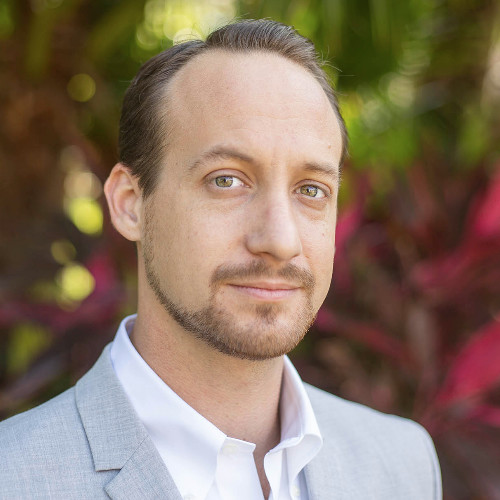
Alex Ribbentrop

Alex is a psychotherapist specializing in complex trauma, family, and recovery.

He is a Licensed Clinical Social Worker in Virginia and Florida, a Qualified Supervisor, EMDR Trained Clinician, and a Certified Family Trauma Professional.

Alex is the founder of Live Free Psychotherapy, a practice providing psychotherapy and clinical consultation with locations in Palm Beach County, Florida, and Northern Virginia.

Alex worked in South Florida after graduate school during one of the most challenging periods of the opioid epidemic. He saw firsthand how overwhelmed the system was and how inadequate treatment options and approaches were in many ways. For him, it highlighted how much we have to learn and really spurred an interest in further understanding the etiology of presenting issues. This led him more and more into the role of inter-generational considerations and developmental/complex trauma.

Course Outline:

Introduction

  • Introduction to the course facilitators: Meagan Mitchell and Alex Ribbentrop
  • Discussing areas of expertise in social work and mental health.

Module 1: Journey to Specializing in Trauma and Psychotherapy

  • Alex Ribbentrop shares his professional journey, including his interest in philosophy, entry into mental health and psychotherapy, and focus on trauma.

Module 2: Experiences and Challenges in Addressing Intergenerational Trauma

  • Discussion on the complexities and challenges faced in clinical practice when dealing with intergenerational trauma.

Module 3: The Role of Family and Systemic Patterns in Trauma

  • Exploring the significance of family dynamics and systemic patterns in understanding and treating intergenerational trauma.

Module 4: The Impact of the Opioid Epidemic on Treatment Approaches

  • Insights into how the opioid epidemic influenced treatment strategies and the importance of considering family in therapy.

Module 5: Cultural and Biological Aspects of Intergenerational Trauma

  • Discussing how cultural backgrounds and biological factors like epigenetics play a role in intergenerational trauma.

Conclusion

  • Concluding remarks on the importance of ongoing learning in the field of mental health and trauma, with a focus on the evolving nature of intergenerational trauma studies.

Course Creation Date: 11/30/23 

Requesting Accessibility Accommodations:

Please email [email protected] to request accessibility accommodations.

System Requirements:

  • The most recent version of Google Chrome, Firefox, Safari, or Microsoft Edge browser
  • Javascript enabled
  • PDF plugin
  • Graphic and audio output capability
  • Broadband internet connection with a minimum speed of 5Mbps (recommended)
  • TLS 1.2 supported by your web browser

Refund PolicyIn general, refunds will not be provided. However, if you do have any concerns or grievances, please contact us at the email address below. Registrants who do not complete their course(s) will not receive a refund. Registrants who purchased the course but did not achieve a passing grade will not receive a refund. The Agents of Change Grievance Policy can be viewed here.

Cancellation Policy: If an Agents of Change Continuing Education course is canceled, a full refund will be provided to all participants.

Please email [email protected] with any questions about the course.

Agents of Change is Approved by ACE

Agents of Change, #1919, is approved as an ACE provider to offer social work continuing education by the Association of Social Work Boards (ASWB) Approved Continuing Education (ACE) program. Regulatory boards are the final authority on courses accepted for continuing education credit. ACE provider approval period: 7/26/2023 – 7/26/2027. Social workers completing this course receive 1 continuing education credit.

Agents of Change is Approved by NBCC

Agents of Change has been approved by NBCC as an Approved Continuing Education Provider, ACEP No. 7620. Programs that do not qualify for NBCC credit are clearly identified. Agents of Change is solely responsible for all aspects of the programs.

Build Your Skills and Earn CE Credits

Continue Your Education with Agents of Change

Your Continuing Education Includes

Audio + Visual Content

We design our continuing education to support all learning styles. Each topic includes engaging videos and visual slides. With your purchase, you also get access to on-the-go audio resources.

High Quality Materials

Build your understanding with high quality materials and comprehensive explanations. Agents of Change will help you master the topics you need to know to build your career.

PEER + Email Support

With your purchase, you'll be invited to the Agents of Change community, a supporting skill building environment. You'll also have access to the Agents of Change team for any questions!