The Role of Technology in Modern Social Work Practice

The Role of Technology in Modern Social Work Practice

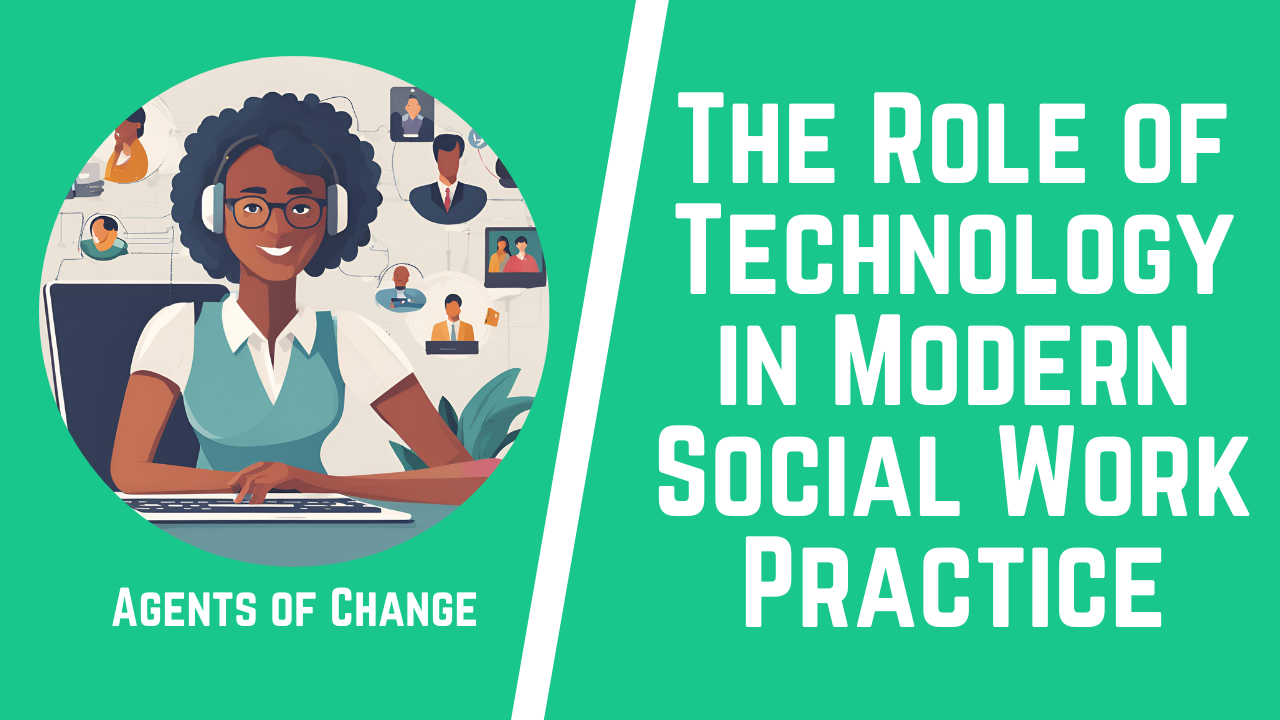
In today’s world, technology has become a cornerstone of virtually every profession, and Social Work is no exception. The integration of digital tools and innovative software has dramatically transformed the landscape of Social Work, allowing professionals to offer more effective and efficient services to their clients.

From virtual therapy sessions to sophisticated data management systems, technology is reshaping how Social Workers operate, ensuring they can meet their clients’ diverse and evolving needs more comprehensively than ever before.

Gone are the days when Social Workers relied solely on face-to-face interactions and manual paperwork. Now, they have access to many technological resources that enhance their ability to communicate with clients, streamline case management, and make data-driven decisions.

For instance, telehealth services and mobile apps have made mental health support more accessible, breaking down geographical barriers and providing flexible options for client interaction. These advancements not only improve the efficiency of Social Work practice but also significantly enhance the quality of care provided to clients.

However, with these advancements come new challenges and opportunities. Social Workers must navigate issues related to data privacy, the digital divide, and the continuous need for professional development to keep pace with technological changes. Continuing education programs, like those offered by Agents of Change Continuing Education, are essential in helping Social Workers stay updated with the latest tools and techniques.

Did you know? Agents of Change Continuing Education offers Unlimited Access to 150+ CE courses for one low annual fee to meet your state’s requirements for Continuing Education credits and level up your career.

We’ve helped thousands of Social Workers with Continuing Education, learn more here about Agents of Change and claim your 5 free CEUs.

1) The Digital Revolution in Social Work

The landscape of Social Work has been dramatically transformed by digital technology. This transformation is not just a superficial change but a deep, structural shift that is reshaping how Social Workers interact with clients, manage cases, and make decisions. 

A diverse group of Social Workers using various technologies in a modern office setting, highlighting the integration of technology in enhancing social work practices.

Enhancing Client Interaction

Technology has revolutionized the way Social Workers interact with their clients. This enhancement is particularly evident in the accessibility and flexibility that technology provides.

Telehealth and Teletherapy

Telehealth and teletherapy have become indispensable tools in modern Social Work practice, especially in the wake of the COVID-19 pandemic.

  • Convenience: Clients can receive therapy from the comfort of their homes, which is especially beneficial for those with mobility issues or those living in remote areas.

  • Flexibility: Online therapy sessions can be scheduled more flexibly, accommodating clients’ varied schedules.

  • Anonymity and Privacy: Clients who may feel stigmatized by visiting a therapist’s office can access services more discreetly.

Online Support Groups

Virtual support groups have grown in popularity, offering a sense of community and mutual support.

  • Accessibility: Individuals can join support groups from anywhere, breaking down geographical barriers.

  • Variety: There are groups for a wide range of issues, from addiction recovery to chronic illness support.

  • Continuous Support: Online groups can offer continuous support, with members able to communicate at any time.

Mobile Apps

Mobile applications are increasingly used to support mental health and client engagement.

  • Mental Health Apps: Apps like Calm and Headspace offer guided meditation and mindfulness exercises.

  • Therapy Apps: Talkspace and BetterHelp connect clients with licensed therapists through text, audio, and video sessions.

  • Tracking Progress: Apps can help clients track their mental health progress, medication schedules, and therapy goals.

Streamlining Case Management

Efficient case management is the backbone of effective Social Work, and technology has brought significant improvements to this area.

A diverse Social Worker working with a client in a cozy office setting. The Social Worker has a notebook in front of her, and the atmosphere is warm and inviting, emphasizing the personal and professional connection between the Social Worker and the client.

Client Management Systems

Client management systems have revolutionized the way Social Workers handle administrative tasks.

  • Data Organization: Systems like Apricot and Casebook allow Social Workers to organize client information efficiently.

  • Scheduling: These systems help in scheduling appointments and reminders, reducing the risk of missed sessions.

  • Progress Tracking: Social Workers can track client progress and generate reports easily.

Data Analytics

Data analytics tools are crucial in making informed decisions and improving service delivery.

  • Trend Identification: Analytics can help identify trends and patterns in client behavior and outcomes.

  • Program Evaluation: Tools like SAS and SPSS assist in evaluating the effectiveness of Social Work programs.

  • Resource Allocation: Data-driven insights enable better allocation of resources to areas where they are most needed.

Electronic Health Records (EHRs)

EHRs have streamlined the sharing of client information among healthcare providers.

  • Comprehensive Care: EHRs ensure that Social Workers have access to comprehensive medical histories and treatment plans.

  • Efficiency: Sharing information electronically reduces paperwork and administrative burden.

  • Coordination: Enhanced coordination between Social Workers and healthcare providers leads to better client outcomes

Learn more about Agents of Change Continuing Education. We’ve helped thousands of Social Workers with their Continuing Education and want you to be next!

2) Educational Advancements

The integration of technology into Social Work is not just about using new tools and applications; it also involves a significant shift in how Social Workers are educated and trained.

Continuous learning is crucial in ensuring that Social Workers remain competent and effective in their roles. 

Continuing Education and Professional Development

Continuing education is vital for Social Workers to stay abreast of the latest developments in the field. It ensures that they have the knowledge and skills necessary to integrate new technologies into their practice effectively.

Online Courses

The rise of online education has made it easier for Social Workers to pursue continuing education from anywhere at any time.

  • Flexibility: Online courses offer flexible scheduling, allowing Social Workers to learn at their own pace and fit their studies around their professional responsibilities.

  • Variety: Organizations like Agents of Change Continuing Education provide over 150 courses, covering a wide range of topics from digital ethics to advanced data analytics in social work.

  • Accessibility: Online platforms make it easier for Social Workers in remote areas to access high-quality education.

Webinars and Workshops

Webinars and interactive workshops are excellent ways for Social Workers to stay current with the latest trends and tools in the field. For example, some sessions now highlight emerging tools like an AI Avatar Generator, which can be used for training roleplays or creating culturally sensitive educational content.

  • Expert Insights: These sessions often feature industry experts who provide valuable insights and practical advice.

  • Interactive Learning: Workshops and webinars typically include interactive elements such as Q&A sessions, case studies, and practical exercises.

  • Convenience: These formats allow Social Workers to participate in real-time from their own locations, reducing the need for travel.

Certifications and Specializations

Earning certifications and specializing in certain areas of Social Work can enhance a Social Worker’s career and expertise.

  • Specialized Training: Certifications offer specialized training in areas such as trauma-informed care, telehealth, and digital mental health interventions.

  • Career Advancement: Specialized certifications can lead to career advancement opportunities and higher earning potential.

  • Recognition: Certifications provide recognition of a Social Worker’s expertise and commitment to professional development.

Peer Learning and Networking

The digital age has also transformed how Social Workers connect, share knowledge, and support each other.

A continuing education class for Social Workers with a highly engaged and collaborative audience. The diverse group of Social Workers is actively participating and discussing, reflecting a strong sense of collaboration and engagement among the participants.

Peer Learning Networks

Online communities and forums allow Social Workers to engage in peer learning, sharing their experiences and knowledge.

  • Supportive Communities: Social media groups like Agents of Change’s LinkedIn Group and professional forums provide platforms for Social Workers to ask questions, share challenges, and offer support.

  • Collaborative Learning: Engaging in discussions with peers from different regions and backgrounds fosters collaborative learning and innovation.

  • Resource Sharing: These networks are excellent for sharing resources, including articles, research papers, and practical tools.

Conferences and Seminars

Attending professional conferences and seminars, whether in-person or virtual, is another important aspect of continuing education.

  • Networking Opportunities: Conferences provide opportunities to network with other professionals, potential mentors, and industry leaders.

  • Latest Research: Attendees can learn about the latest research and developments in Social Work.

  • Workshops and Presentations: These events often include workshops and presentations on cutting-edge topics and innovative practices.

Challenges and Solutions in Continuing Education

While the importance of continuing education is clear, Social Workers often face challenges in pursuing it. Addressing these challenges is essential to ensure that all professionals have access to necessary educational advancements.

Time Constraints

Many Social Workers juggle heavy caseloads, making it difficult to find time for continuing education.

  • Solution: Flexible learning options, such as on-demand webinars and self-paced courses, can help Social Workers fit education into their busy schedules.

Financial Barriers

The cost of continuing education can be prohibitive for some Social Workers.

  • Solution: Scholarships, grants, and employer-sponsored programs can alleviate financial burdens. Additionally, many online courses and webinars are available at lower costs than traditional in-person training.

Access to Technology

Not all Social Workers have equal access to the necessary technology and internet connectivity for online learning.

  • Solution: Providing resources and support to bridge the digital divide is crucial. This can include community programs that offer access to computers and the internet.

The Role of Organizations in Promoting Continuing Education

Organizations are key in promoting and facilitating continuing education for Social Workers.

Employers

Employers can support their staff by providing access to training and development opportunities.

  • Professional Development Programs: Implementing in-house training programs and encouraging attendance at external courses and conferences.

  • Financial Support: Offering tuition reimbursement or stipends for continuing education.

  • Flexible Scheduling: Allowing flexible work schedules to accommodate educational pursuits.

Professional Associations

Professional associations like the National Association of Social Workers (NASW) provide valuable resources for continuing education.

  • Accredited Courses: Offering accredited courses and certifications that meet professional standards.

  • Networking Events: Hosting conferences, seminars, and networking events to foster professional growth.

  • Resource Libraries: Providing access to extensive libraries of research, articles, and practical tools.

Educational Institutions

Universities and colleges also contribute significantly to the ongoing education of Social Workers.

  • Advanced Degree Programs: Offering advanced degree programs and specialized tracks in social work.

  • Research Opportunities: Providing opportunities for Social Workers to engage in research and contribute to the field’s knowledge base.

  • Partnerships: Forming partnerships with professional organizations and employers to ensure that educational programs are relevant and accessible.

We’ve helped thousands of Social Workers with Continuing Education, learn more here about Agents of Change and claim your 5 free CEUs!

3) Benefits and Challenges of Technology in Social Work

Integrating technology into Social Work has brought about significant changes, offering numerous benefits while presenting several challenges. Understanding these benefits and challenges is essential for Social Workers to effectively incorporate technology into their practice and provide the best possible services to their clients.

Benefits of Technology in Social Work

Adopting technology in Social Work has led to several positive outcomes, enhancing the effectiveness and efficiency of services.

Increased Accessibility

Technology has made social work services more accessible to a broader range of clients.

  • Telehealth Services: Clients can receive therapy and support remotely, breaking down geographical barriers and making services available to those in rural or underserved areas.

  • Mobile Apps: Apps designed for mental health and social services provide clients with immediate access to resources and support.

  • Online Support Groups: Virtual communities offer support and connection, allowing individuals to engage with others facing similar challenges.

Enhanced Efficiency

Technological tools have streamlined various aspects of social work practice, improving overall efficiency.

  • Automated Scheduling: Digital calendars and scheduling systems reduce the administrative burden of managing appointments and reminders.

  • Client Management Systems: Software like Apricot and Casebook helps Social Workers organize and access client information quickly and efficiently.

  • Electronic Documentation: Digital records eliminate the need for physical paperwork, making it easier to store, retrieve, and share information.

Improved Communication

Digital platforms have enhanced communication between Social Workers and their clients, as well as among professionals.

A Social Worker leveraging digital communication with their clients from their office. The setting is modern and professional, with the Social Worker using a computer and smartphone to effectively connect with clients and manage communications efficiently.

  • Virtual Meetings: Video conferencing tools facilitate face-to-face interactions regardless of location. After sessions, AI Dubbing can be used to translate and share recorded meetings in multiple languages, helping Social Workers provide accessible resources to clients from diverse linguistic backgrounds.

  • Secure Messaging: Encrypted messaging apps allow for confidential communication between Social Workers and clients.

  • Collaborative Tools: Platforms like Microsoft Teams and Slack enable Social Workers to collaborate with colleagues and coordinate care effectively.

Data-Driven Decision Making

Access to comprehensive data and analytics tools has improved decision-making processes in social work.

  • Trend Analysis: Data analytics tools help identify trends and patterns in client behavior and service outcomes.

  • Program Evaluation: Social Workers can use data to evaluate the effectiveness of programs and interventions.

  • Resource Allocation: Data-driven insights enable better allocation of resources to areas with the greatest need.

Challenges of Technology in Social Work

While technology offers numerous benefits, it also presents several challenges that Social Workers must navigate to effectively integrate digital tools into their practice.

Privacy and Confidentiality Concerns

Handling sensitive client information digitally raises significant privacy and confidentiality issues.

  • Data Security: Ensuring that client information is stored securely and protected from breaches is paramount.

  • Compliance: Social Workers must comply with regulations like HIPAA to protect client privacy.

  • Informed Consent: Clients must be fully informed about how their data will be used and stored, and provide consent for digital communication and record-keeping.

Digital Divide

Not all clients have equal access to technology, which can exacerbate existing inequalities.

  • Access to Devices: Some clients may not have access to smartphones, computers, or reliable internet connections.

  • Technological Literacy: Clients and Social Workers alike may lack the necessary skills to effectively use digital tools.

  • Resource Availability: Social Workers must ensure that technology does not become a barrier to accessing services and find ways to support clients with limited access.

Training and Adaptation

The rapid pace of technological advancement requires ongoing training and adaptation.

  • Continuous Learning: Social Workers need to stay updated with the latest tools and practices through continuous education.

  • Skill Development: Training programs must focus on developing both technical and digital literacy skills. Even simple tools like a screen recorder can support learning, enabling Social Workers to review training sessions or create tutorials for colleagues and clients.

  • Adaptability: Social Workers must be willing to adapt their practices and embrace new technologies as they emerge.

Ethical Considerations

The use of technology in social work raises several ethical issues that must be carefully considered.

  • Boundaries: Maintaining professional boundaries in digital communication can be challenging.

  • Cultural Sensitivity: Technology must be used in ways that are culturally sensitive and appropriate for diverse client populations.

  • Bias and Equity: Social Workers must be aware of potential biases in technology and work to ensure equitable access and outcomes for all clients.

Strategies for Overcoming Challenges

Addressing the challenges associated with technology in social work requires thoughtful strategies and proactive measures.

Enhancing Data Security

Implementing robust data security measures is essential to protect client information.

  • Encryption: Use encrypted communication tools and storage systems to safeguard data.

  • Access Controls: Implement strict access controls to ensure that only authorized personnel can access sensitive information.

  • Regular Audits: Conduct regular security audits to identify and address vulnerabilities.

Bridging the Digital Divide

Efforts to bridge the digital divide are crucial to ensuring equitable access to social work services.

  • Providing Resources: Offer clients access to necessary devices and internet connections through community programs or partnerships.

  • Digital Literacy Training: Provide training for clients and Social Workers to enhance their digital literacy skills.

  • Alternative Solutions: Develop alternative solutions for clients who cannot access digital tools, such as phone-based support or in-person services.

Investing in Training and Education

Ongoing training and education are vital for Social Workers to keep pace with technological advancements.

  • Continuing Education: Encourage participation in continuing education programs, such as those offered by Agents of Change Continuing Education.

  • Skill Development: Focus on developing both technical skills and digital literacy through comprehensive training programs.

  • Mentorship and Support: Establish mentorship programs and peer support networks to help Social Workers navigate new technologies.

Addressing Ethical Issues

Social Workers must remain vigilant about ethical considerations when using technology.

  • Clear Guidelines: Develop clear guidelines and policies for the ethical use of technology in social work practice.

  • Cultural Competence: Ensure that technology is used in ways that respect and honor the cultural backgrounds of clients.

  • Equity and Inclusion: Strive to use technology in ways that promote equity and inclusion, avoiding biases and ensuring fair access to services.

4) FAQs – Technology in Modern Social Work Practice

Q: How is technology improving the accessibility of Social Work services?

A: Technology has significantly enhanced the accessibility of Social Work services by breaking down geographical and logistical barriers. Telehealth services allow clients to receive therapy and counseling from the comfort of their homes, making it easier for those in remote areas or with mobility issues to access care.

Mobile apps provide immediate access to mental health resources, tracking tools, and support networks, ensuring that clients can find help whenever they need it. Additionally, online support groups create virtual communities where individuals can share experiences and receive support from others facing similar challenges, regardless of their physical location.

Q: What are the main challenges Social Workers face when integrating technology into their practice?

A: Integrating technology into Social Work practice comes with several challenges. Privacy and confidentiality concerns are paramount, as handling sensitive client information digitally requires robust data security measures and compliance with regulations like HIPAA. The digital divide is another significant challenge, as not all clients have access to necessary devices or internet connectivity, which can exacerbate existing inequalities.

Continuous training and adaptation are also crucial, as Social Workers need to stay updated with rapidly evolving technologies and develop the necessary skills to use them effectively. Ethical considerations, such as maintaining professional boundaries in digital communication and ensuring cultural sensitivity, also need careful attention.

Q: How can Social Workers stay current with technological advancements in their field?

A: Social Workers can stay current with technological advancements through various continuing education and professional development opportunities. Online courses, like those offered by Agents of Change Continuing Education, provide flexible and comprehensive training on the latest tools and practices in Social Work. Webinars and workshops offer insights from industry experts and interactive learning experiences. Engaging in peer learning networks and attending professional conferences and seminars can help Social Workers stay informed about the latest research and trends. Additionally, investing in ongoing training and developing digital literacy skills are essential for adapting to new technologies and enhancing their practice.

5) Conclusion

The integration of technology into Social Work has brought about a profound transformation, reshaping how Social Workers interact with clients, manage cases, and make decisions. The benefits of this digital revolution are clear: increased accessibility, enhanced efficiency, improved communication, and data-driven decision-making are just a few of the positive outcomes that technology has facilitated.

However, it is crucial to acknowledge and address the challenges that accompany these advancements, such as privacy concerns, the digital divide, and the need for continuous training and ethical considerations.

As technology continues to evolve, Social Workers must remain adaptable and proactive in their approach. Embracing continuous education and professional development is essential for staying current with the latest tools and practices. Organizations like Agents of Change Continuing Education play a vital role in providing the resources needed for Social Workers to enhance their skills and knowledge. By leveraging these opportunities, Social Workers can ensure they are well-equipped to navigate the complexities of modern practice and provide the best possible care to their clients.

Ultimately, the role of technology in modern Social Work practice is about more than just using new tools; it is about fundamentally enhancing the way services are delivered and improving outcomes for clients.

By embracing the benefits and overcoming the challenges, Social Workers can harness the power of technology to make a meaningful difference in the lives of those they serve. As we look to the future, it is clear that technology will continue to be a driving force in the evolution of Social Work, ensuring that professionals are better equipped to meet their clients’ diverse and ever-changing needs.

Learn more about Agents of Change Continuing Education. We’ve helped thousands of Social Workers with their Continuing Education and want you to be next!

————————————————————————————————————————————————

► Learn more about the Agents of Change Continuing Education here: https://agentsofchangetraining.com

About the Instructor, Meagan Mitchell: Meagan is a Licensed Clinical Social Worker and has been providing Continuing Education for Social Workers for more than 8 years. From all of this experience helping others pass their exams, she created Agents of Change Continuing Education to help Social Workers stay up-to-date on the latest trends, research, and techniques.

#socialwork #socialworker #socialwork #socialworklicense #socialworklicensing #continuinged #continuingeducation #ce #socialworkce #freecesocialwork #lmsw #lcsw

Disclaimer: This content has been made available for informational and educational purposes only. This content is not intended to be a substitute for professional medical or clinical advice, diagnosis, or treatment


Share:

Discover more from Agents of Change

Subscribe now to keep reading and get access to the full archive.

Continue reading