Trauma-Informed Care Continuing Education
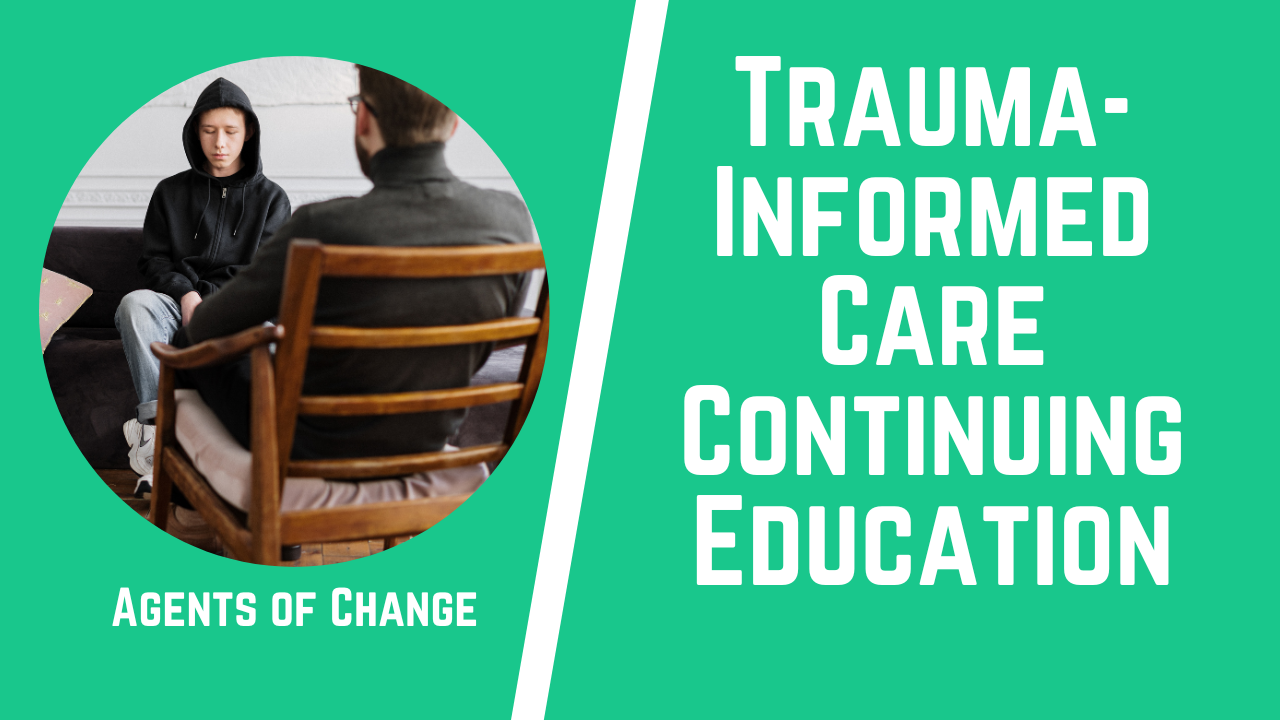
Trauma-Informed Care Continuing Education
 

In today’s mental health landscape, the effects of trauma are impossible to ignore. Whether it’s childhood adversity, systemic oppression, domestic violence, or the unrelenting stress carried by first responders, trauma leaves a lasting imprint on the mind and body.

For Social Workers, Counselors, and Mental Health Professionals, recognizing and responding to these wounds requires more than empathy—it demands specialized knowledge and intentional, ongoing training. That’s where Trauma-Informed Care Continuing Education becomes essential.
This isn’t just another professional requirement to check off a licensure list. Trauma Informed Care Continuing Education helps practitioners shift their entire approach—creating environments where safety, trust, and empowerment take priority. It’s about asking different questions, recognizing hidden triggers, and avoiding the unintentional harm that can come from outdated or rigid practices. With the right training, professionals don’t just provide support—they become safe havens for healing.

Did you know? Agents of Change Continuing Education offers Unlimited Access to 150+ ASWB and NBCC-approved CE courses for one low annual fee to meet your state’s requirements for Continuing Education credits and level up your career.

We’ve helped tens of thousands of Social Workers, Counselors, and Mental Health Professionals with Continuing Education, learn more here about Agents of Change and claim your 5 free CEUs.

1) Why Trauma-Informed Care Matters More Than Ever

Trauma isn’t just a background detail in a client’s history—it often shapes how they think, feel, and engage with the world today. In a time when collective stress and complex trauma are rising across populations, the need for Trauma-Informed Care Continuing Education has never been greater.

a diverse therapist practicing trauma informed care with a client

This approach isn’t a trend; it’s a long-overdue shift in how professionals across systems understand and respond to pain.


Trauma Is a Widespread Public Health Issue

Gone are the days when trauma was viewed as rare or extreme. Today, we know it’s a public health crisis affecting individuals, families, and entire communities.

According to national surveys and research:

  • Over 60% of U.S. adults report experiencing at least one traumatic event in childhood.

  • Marginalized communities, particularly LGBTQ+ youth and BIPOC individuals, face even higher exposure to trauma.

  • First responders, foster youth, and survivors of domestic violence often live in a constant state of heightened stress.

This prevalence means trauma-informed practice isn’t optional—it’s foundational. Without this lens, providers risk overlooking root causes or, worse, retraumatizing clients who are already vulnerable.


The Cost of Ignoring Trauma Is Too High

When trauma goes unrecognized or untreated, it often surfaces in ways that are misunderstood: anger, withdrawal, self-harm, poor health, missed appointments. And it doesn’t just affect clients—it impacts the systems designed to support them.

Here’s what happens when trauma isn’t addressed:

  • Higher dropout and recidivism rates in youth programs and schools

  • Increased ER visits and healthcare costs

  • Burnout and compassion fatigue among providers

  • Widening health disparities for marginalized populations

Trauma-informed care interrupts these cycles. It helps professionals shift from reacting to behaviors to understanding the pain behind them.


A Paradigm Shift That Changes Everything

Trauma-informed care isn’t just a clinical approach—it’s a cultural shift. It challenges the default ways institutions handle discipline, compliance, and resistance. It asks us to build safety before demanding disclosure. It encourages collaboration over control.

Professionals trained in trauma-informed principles learn to:

  • Prioritize emotional and physical safety

  • Build trust and transparency

  • Empower clients in their own healing

  • Recognize signs of trauma—even when they’re subtle

And most importantly, they learn how to apply these principles consistently, whether they’re in a therapy session, an emergency room, a group home, or a Zoom call.


Social Workers and Mental Health Professionals Are on the Frontlines

Every day, Social Workers, Counselors, and therapists meet people who are holding pain most others don’t see. That makes these roles both powerful and high-stakes. Trauma-informed continuing education equips professionals to hold that responsibility with care—and with tools that actually work.

In fact, many Social Workers report that once they complete trauma-informed courses, their entire approach shifts. They ask better questions. They listen with a different kind of focus. And they adjust their environments—both physical and emotional—to help clients feel safe enough to grow.


Real Learning That Leads to Real Change

This is exactly why platforms like Agents of Change Continuing Education are so critical. Their trauma-specific offerings—like Vicarious Trauma and Practical Guide for Implementing a Trauma-Informed Approach—don’t just offer CE credits. They deliver mindsets, strategies, and frameworks that ripple out into better care.

With additional courses focused on topics like Intergenerational Trauma and Coping Strategies for Survivors of Domestic Violence, professionals can deepen their understanding while tailoring their approach to the specific populations they serve.


Trauma-Informed Isn’t a Specialty—It’s a Standard

The more we learn about trauma, the clearer it becomes: if you work with people, you work with trauma. And if you’re not trained to recognize its fingerprints, you’re probably missing more than you think.

Through structured, relevant, and deeply human education, professionals can shift from reacting to healing—and help reshape the systems around them in the process.

Learn more about Agents of Change Continuing Education. We’ve helped tens of thousands of Social Workers, Counselors, and Mental Health Professionals with their continuing education, and we want you to be next!

2) The Shift from “What’s Wrong With You?” to “What Happened to You?”

One of the most powerful changes in modern mental health care is a shift in perspective—a change in the question we ask when someone is in distress. Instead of labeling behaviors as dysfunctional or resistant, trauma-informed professionals pause and reframe: “What happened to you?”

This simple shift honors a person’s story instead of judging their symptoms. And it creates the space for real, human connection.


The Old Lens: Pathologize and Blame

For years, many systems—education, healthcare, even mental health—operated from a deficit-based model. People who didn’t behave “appropriately” were labeled as:

  • Non-compliant

  • Defiant

  • Manipulative

  • Unmotivated

  • Disruptive

This lens often ignored the root cause of those behaviors: unresolved trauma, often deeply buried and misunderstood. By focusing only on the surface, the old model missed the opportunity for healing—and often retraumatized people by reinforcing shame or control-based interventions.


The New Lens: Understand and Empower

As Trauma-Informed Care Continuing Education becomes more widespread, professionals are learning to pause before reacting. Instead of asking “Why is this client so difficult?”, they’re asking:

  • “What happened in their past that might explain this?”

  • “How is this behavior serving a purpose?”

  • “What do they need to feel safe enough to let go of this defense?”

This shift does three important things:

  • Reduces judgment and bias

  • Builds deeper therapeutic alliances

  • Opens doors to safety, trust, and healing


Why This Shift Matters So Much in Practice

Reframing behavior as a response to trauma rather than a character flaw changes everything—from tone of voice to treatment plans. It’s not just theoretical; it changes how professionals respond in real time.

Here’s how it plays out:

  • A youth in foster care who lashes out isn’t “aggressive”—they’re protecting themselves from abandonment.

  • A domestic violence survivor who keeps returning to a partner isn’t “failing”—they’re navigating trauma bonds, fear, and limited resources.

  • A first responder with substance use struggles isn’t “weak”—they’re managing vicarious trauma with the tools they have.

Each of these examples underscores the importance of trauma-informed perspectives—and reinforces the need for continuing education that trains professionals to recognize these patterns.


Tools to Support the Shift

Thanks to platforms like Agents of Change Continuing Education, professionals now have access to courses that reinforce this shift at every level of care. Some standout courses that directly support this paradigm include:

These courses don’t just provide strategies—they help professionals shift their mindset at the most fundamental level.


From Power Over to Power With

Trauma-informed care is relational at its core. It moves professionals away from top-down, expert-driven models and toward collaborative, respectful relationships.

Trauma-informed professionals:

  • Ask permission before offering interventions

  • Offer choices whenever possible

  • Co-create treatment goals

  • Recognize the client as the expert of their own story

  • Build environments that promote physical and emotional safety

That’s the power of switching from “What’s wrong with you?” to “What happened to you?”—it respects dignity, invites healing, and creates space for true transformation.


This Shift Is the Heart of Trauma Informed Care Continuing Education

Without this fundamental reframe, trauma-informed practices can feel mechanical or performative. But when professionals internalize this shift, their entire presence changes—clients feel it immediately. And that felt sense of safety? That’s where real healing begins.

Through ongoing, reflective training—like the courses offered by Agents of Change Continuing Education—this shift becomes more than a concept. It becomes part of who we are as helpers. And that’s exactly what our clients deserve.

We’ve helped tens of thousands of Social Workers, Counselors, and Mental Health Professionals with Continuing Education, learn more here about Agents of Change and claim your 5 free CEUs!

3) Top Trauma-Informed Courses Every Professional Should Know About

Trauma is layered. It shows up differently in every client, every system, every moment. That’s why a one-size-fits-all approach doesn’t cut it. Mental Health Professionals and Social Workers need flexible, high-quality training that addresses trauma from multiple angles—clinical, cultural, systemic, and personal.

Whether you’re new to trauma-informed practice or looking to expand your expertise, these courses are must-knows:


🔹 1. National Guidelines for Child and Youth Behavioral Health Crisis Care

Working with children and teens in crisis demands fast, informed, and trauma-sensitive decision-making. This course breaks down national best practices for de-escalating crises while maintaining dignity and psychological safety.


🌈 2. LGBTQ+ Youth in the Foster Care System

LGBTQ+ youth face higher rates of trauma, placement instability, and identity-based harm. This course helps providers create affirming, trauma-informed support plans that respect identity, autonomy, and safety.


🛠️ 3. Practical Guide for Implementing a Trauma-Informed Approach

More than a theory, this course gives step-by-step guidance for transforming your workplace culture, clinical setting, or agency into a trauma-informed environment.


🧒 4. Coping Strategies in Women and Children Living with Domestic Violence

Understand how trauma affects family systems and learn adaptive, survivor-centered strategies that support healing without judgment or pressure.


💔 5. Improving the Mental Health of Women Intimate Partner Violence Survivors

Go beyond crisis response. This course focuses on the longer-term recovery process—addressing PTSD, depression, and identity shifts in women healing from IPV.


⚠️ 6. Vicarious Trauma

If you’re in the helping professions, you’ve likely carried someone else’s pain home with you. This course is essential for recognizing and managing the emotional toll of working with trauma day in and day out.


🧬 7. Intergenerational Trauma

Trauma doesn’t always start with the individual. It’s passed through families and communities, often silently. This course explores how trauma travels across generations—and how we can interrupt those patterns.


📘 8. Trauma-Informed Care

A perfect starting point. This foundational course unpacks the principles of trauma-informed care: safety, trust, collaboration, empowerment, and cultural humility. Highly recommended for any professional looking to build or refresh their framework.


👩‍⚕️ 9. Trauma Therapy for Adults

This course offers clinical tools for therapists working directly with adult trauma survivors. You’ll explore interventions like EMDR, CBT, somatic approaches, and narrative therapies—all through a trauma-informed lens.


🚓 10. Mental Health of First Responders

First responders witness trauma constantly—yet they’re often expected to “push through.” This course addresses their unique mental health needs, offering strategies for support, prevention, and culturally responsive care.


Why These Courses Matter

Each of these courses does more than build clinical knowledge—they build capacity for compassion, clarity, and cultural sensitivity. And since they’re all approved by ASWB and NBCC, they meet your CE requirements while making your practice safer and stronger.

Even better? Agents of Change Continuing Education offers live events throughout the year, giving professionals a chance to learn in community, ask real-time questions, and stay current with evolving practices.

When you invest in trauma-informed learning, you’re investing in the long-term healing of everyone you serve—including yourself.

4) How Trauma-Informed Care Continuing Education Improves Practice

Trauma-Informed Care isn’t just a philosophy—it’s a practice shift. And it doesn’t happen overnight. It requires education, reflection, and regular recalibration. That’s where Trauma-Informed Care Continuing Education plays a vital role. When professionals commit to trauma-informed learning, it transforms how they show up, how they intervene, and how they create healing spaces.


🧠 You’ll Recognize Trauma When It’s Not Obvious

Trauma doesn’t always look like panic attacks or flashbacks. Sometimes it looks like:

  • A client who “won’t open up”

  • A child misdiagnosed with a behavioral disorder

  • A survivor who avoids appointments altogether

  • A staff member who becomes withdrawn or cynical

Continuing education teaches you to look beneath the surface—to read between the lines of behavior. Courses like Trauma-Informed Care and Intergenerational Trauma help professionals connect the dots between present-day challenges and historical wounds.


🤝 You’ll Respond With Empathy, Not Control

Trauma-informed practitioners replace the old “fix-it” mindset with one rooted in partnership. You’ll stop trying to “manage” behavior and start co-creating safety.

With trauma-informed training, you learn to:

  • De-escalate without using threats or force

  • Offer choices instead of ultimatums

  • Center the client’s voice in treatment planning

  • Slow down when resistance shows up—instead of pushing harder

Courses like Practical Guide for Implementing a Trauma-Informed Approach and Coping Strategies in Women and Children Living with Domestic Violence give real-world tools for making these shifts in even the most high-pressure environments.


🛡️ You’ll Protect Your Own Mental Health, Too

Let’s be honest—supporting people with trauma isn’t easy. Their pain can bleed into our bodies, our thoughts, our sleep. Without proper training, the risk of burnout, secondary trauma, and compassion fatigue is sky-high.

Trauma Informed Care Continuing Education helps you:

  • Set and maintain emotional boundaries

  • Recognize signs of vicarious trauma in yourself

  • Build in self-care that’s more than just bubble baths

  • Normalize asking for help within your professional role

Courses like Vicarious Trauma and Mental Health of First Responders speak directly to the needs of helping professionals on the edge of emotional overload.


📈 You’ll See Better Outcomes—For Everyone

Trauma-informed care doesn’t just feel better. It works. When clients feel safe, seen, and respected, they’re more likely to engage in services, stick to treatment plans, and reach meaningful goals.

Benefits of trauma-informed practice include:

  • Increased client engagement and retention

  • Fewer behavioral escalations

  • Greater trust between clients and providers

  • Improved staff satisfaction and lower turnover

  • More equitable care across identity and background

Courses like LGBTQ+ Youth in the Foster Care System and Improving the Mental Health of Women Intimate Partner Violence Survivors offer population-specific strategies to ensure your trauma-informed approach reaches everyone you serve.


🧭 It Keeps You Grounded in What Really Matters

When the caseloads pile up, paperwork demands grow, and emotional weight gets heavy, trauma-informed training reminds you why you do this work in the first place. It reconnects you with purpose—and provides the skills to deliver care that actually heals.

That’s why Agents of Change Continuing Education is such a game-changer. Their trauma-focused CE courses help professionals keep their licenses and their passion intact. And with live events held throughout the year, there’s always an opportunity to engage, recharge, and grow.


In the end, Trauma-Informed Care Continuing Education isn’t just an investment in your career—it’s an investment in your clients, your colleagues, and your own wellbeing. Because healing isn’t something you offer to people. It’s something you build with them, every single day.

5) FAQs – Trauma-Informed Care Continuing Education

Q: How is Trauma-Informed Care different from traditional mental health treatment?

A: Great question. Traditional mental health treatment often focuses on diagnosing and treating symptoms. While this can be effective, it sometimes overlooks the role trauma plays in shaping those symptoms. Trauma Informed Care, on the other hand, starts with the understanding that many behaviors—especially those labeled “challenging” or “noncompliant”—may be adaptive responses to past trauma.

It’s not a replacement for therapy or treatment, but rather a framework that shifts the provider’s approach. It emphasizes safety, choice, empowerment, and trust. With continuing education courses like Trauma-Informed Care and Trauma Therapy for Adults, professionals learn how to integrate this perspective into every aspect of care.

Q: Who should take Trauma-Informed Care Continuing Education courses?

A: Anyone working with people—especially those in vulnerable or high-stress situations—should absolutely consider trauma-informed training. This includes:

  • Social Workers

  • Therapists and Counselors

  • Case Managers

  • Foster care staff

  • Healthcare providers

  • Educators

  • First responders

Even administrative staff in these settings can benefit from understanding how trauma impacts communication and behavior. Platforms like Agents of Change Continuing Education offer courses that are flexible, CE-approved, and highly applicable across disciplines—whether you’re new to the field or a seasoned professional.

Q: How often should I renew or update my trauma-informed training?

A: While there’s no strict national standard on how often you must refresh your trauma-informed education, most experts recommend revisiting the topic every 1–2 years. Trauma research evolves quickly, and new insights around cultural humility, systemic oppression, neurobiology, and best practices continue to emerge.

Plus, regularly engaging with courses like Vicarious Trauma, Intergenerational Trauma, or National Guidelines for Child and Youth Behavioral Health Crisis Care helps you stay sharp and responsive to the changing needs of your clients.

Continuing education isn’t just about licensure—it’s about keeping your practice compassionate, informed, and truly effective.

6) Conclusion

Trauma is complex, pervasive, and deeply personal—and it’s showing up in the lives of the people you serve every single day. Whether you’re working with foster youth, domestic violence survivors, first responders, or families navigating cycles of intergenerational trauma, your approach matters.

That’s why Trauma Informed Care Continuing Education isn’t just helpful—it’s essential. It empowers you to shift from reacting to truly understanding, from managing behaviors to creating safety, and from burnout to purpose-driven care.

By investing in trauma-informed training through trusted providers like Agents of Change Continuing Education, you’re building the skills, insight, and empathy needed to walk alongside people in their healing. Their catalog of ASWB- and NBCC-approved courses—covering everything from Vicarious Trauma to Trauma Therapy for Adults—offers flexible, relevant options for professionals who are ready to deepen their impact. And with periodic live events, you’ll stay engaged and current in a field that’s always evolving.

————————————————————————————————————————————————

► Learn more about the Agents of Change Continuing Education here: https://agentsofchangetraining.com

About the Instructor, Meagan Mitchell: Meagan is a Licensed Clinical Social Worker and has been providing Continuing Education for Social Workers, Counselors, and Mental Health Professionals for more than 8 years. From all of this experience helping others, she created Agents of Change Continuing Education to help Social Workers, Counselors, and Mental Health Professionals stay up-to-date on the latest trends, research, and techniques.

#socialwork #socialworker #socialwork #socialworklicense #socialworklicensing #continuinged #continuingeducation #ce #socialworkce #freecesocialwork #lmsw #lcsw #counselor #NBCC #ASWB #ACE

Disclaimer: This content has been made available for informational and educational purposes only. This content is not intended to be a substitute for professional medical or clinical advice, diagnosis, or treatment

Share:

Discover more from Agents of Change

Subscribe now to keep reading and get access to the full archive.

Continue reading

New LIVE CE event - Therapeutic Interventions for the Treatment of Clients with Chronic Pain - Get 3 CE credits