
Cheap CEUs for Therapists
Continuing education is more than a box to check on your license renewal. It is the backbone of growth as a therapist. It keeps you current with new research, sharpens your skills, and ensures you are delivering the highest
Continuing education is more than a box to check on your license renewal. It is the backbone of growth as a therapist. It keeps you current with new research, sharpens your skills, and ensures you are delivering the highest

Continuing education is a vital part of a social worker’s professional journey. It keeps you sharp, helps you grow, and ensures you meet the requirements to keep your license active. The challenge is that many CEU programs can feel

Trying to determine precisely what continuing education requirements you need to meet as a therapist or counselor in the Tri-State area can be confusing. Each state has its own board, its own rules, and its own deadlines. If you

The life of a social worker never stands still. Between demanding caseloads, community advocacy, and the constant evolution of best practices in mental health and human services, there’s always something new to learn. That’s why continuing education (CE) isn’t

Health has often been treated as two separate worlds. On one side sits mental health care, filled with therapy sessions, coping strategies, and medications. On the other side is physical wellness, which tends to focus on food, movement, sleep,

Supervision has always been at the heart of professional growth, but the landscape is shifting rapidly. More supervisors and trainees are finding themselves connecting through screens instead of shared office spaces. The rise of telehealth, hybrid work models, and

When people hear the phrase “emotional detachment,” they often imagine someone cold, distant, or uninterested in others. While that image may hold some truth in certain cases, emotional detachment in mental health is far more complex. It can reflect

Health anxiety can be overwhelming. It’s more than the occasional worry about catching a seasonal bug or wondering if that lingering headache is serious. For many people, health anxiety feels like living in constant fear, with every physical sensation

Artificial intelligence is no longer just a futuristic concept reserved for Silicon Valley. It has begun weaving its way into mental health care, reshaping how clients access support and how clinicians think about therapy. From chatbots offering cognitive behavioral

Have you ever sat in a continuing education workshop and thought about how valuable it would be to share your own expertise with other clinicians? Many professionals reach a stage in their career when they feel ready to move
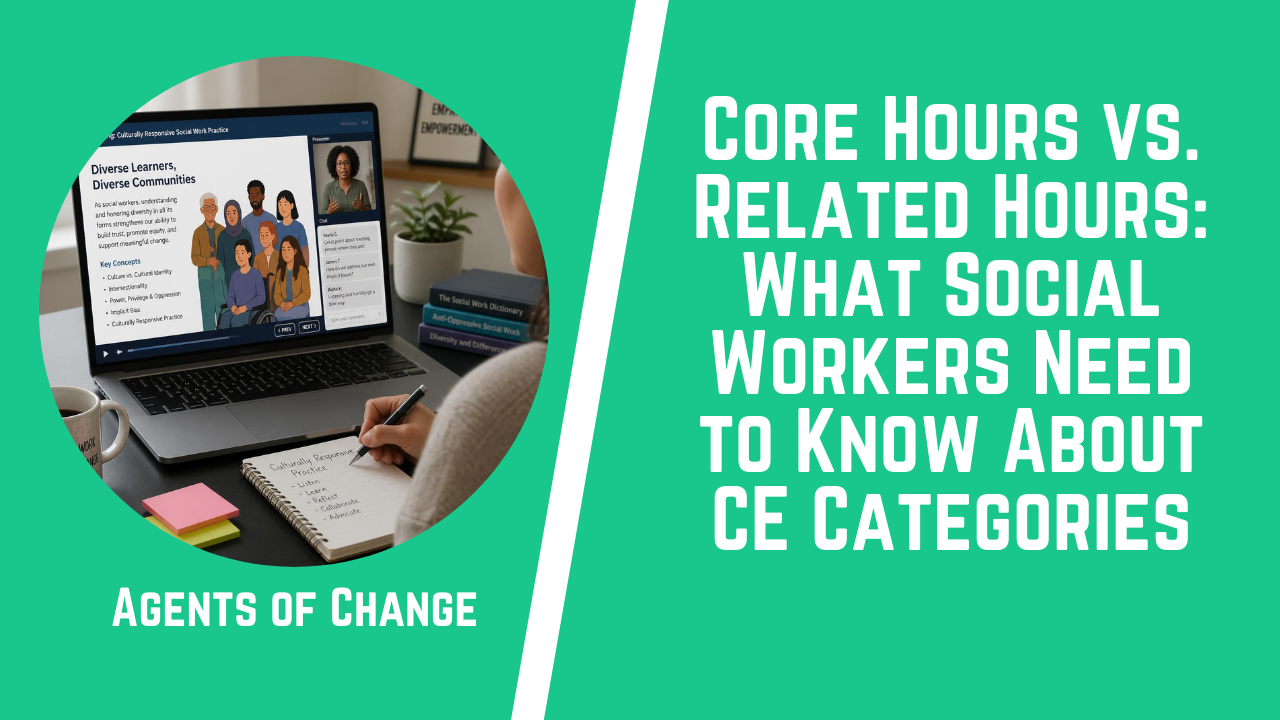
Continuing education is intended to help Social Workers stay current, strengthen their skills, and maintain their licenses. Yet the terminology surrounding CE requirements can make the process feel far more complicated than it needs to be. Terms like core hours,
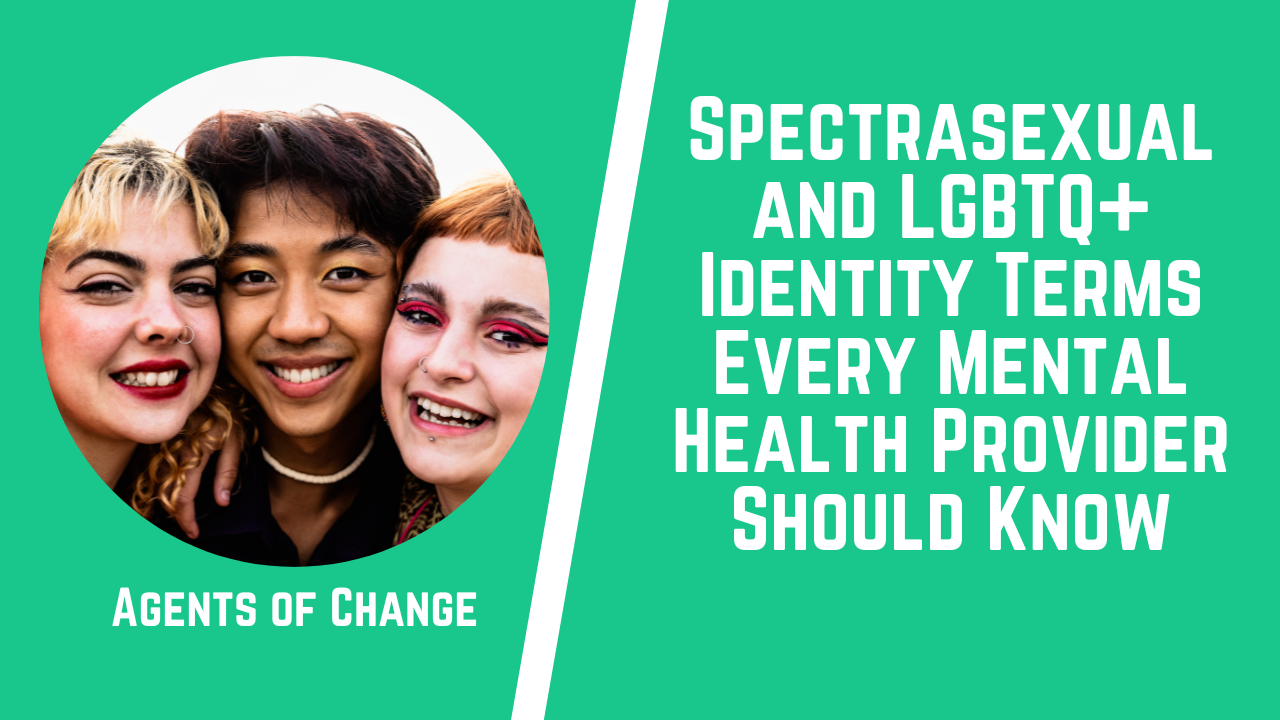
Language around sexuality and gender is constantly evolving, and for mental health professionals, keeping up matters. Clients may use terms that weren’t covered in graduate school, weren’t commonly discussed even a few years ago, or carry meanings that differ from
Choosing an online Master of Social Work program can feel surprisingly complicated. There are more flexible programs, advanced standing options, concentrations, and online learning formats than ever before, which is great for students but can also make it harder to
The ASWB exam that launched on August 3, 2026 looks different on the surface, but some of the most interesting changes are buried deeper in the official content outline. Yes, candidates now face 122 total questions instead of 170, the