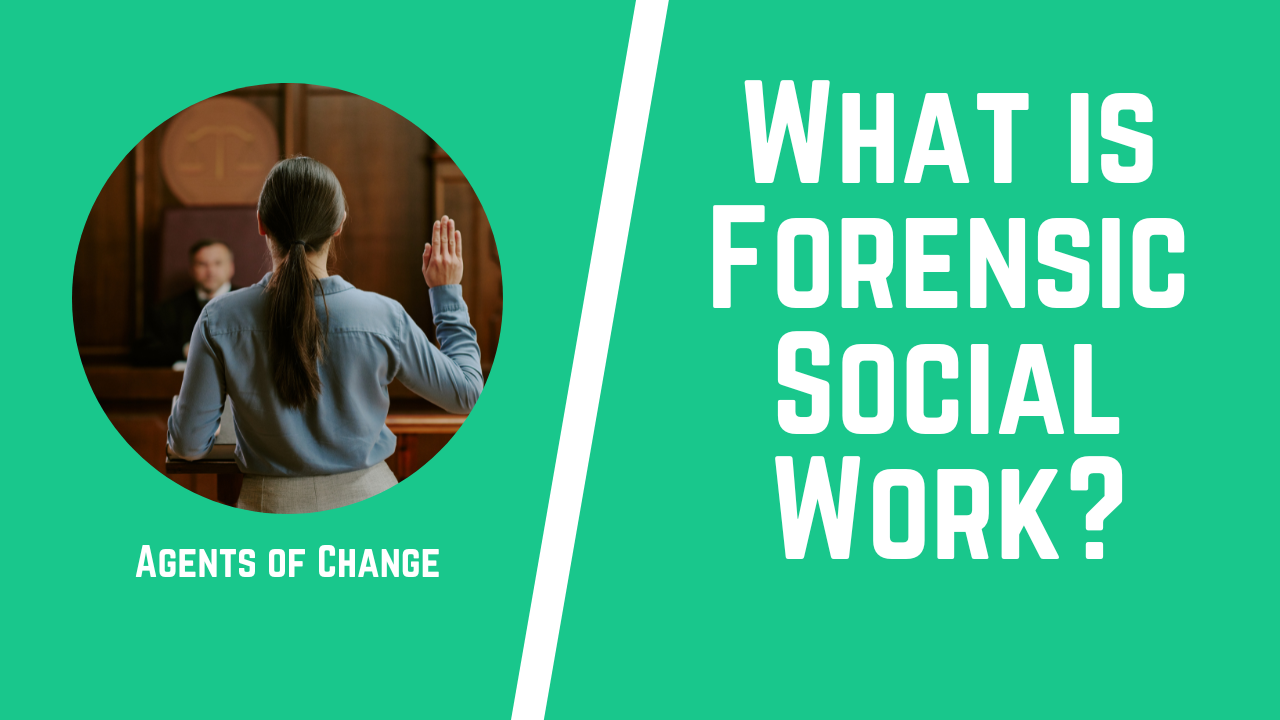
What is Forensic Social Work?

What is Forensic Social Work?

Understanding the connection between human behavior and the legal system can feel overwhelming at first. Laws are written in precise language, while people’s lives are anything but predictable. Somewhere in between those two worlds, a unique profession takes shape.

Forensic social work brings social workers directly into legal settings where decisions can change lives in an instant. Whether supporting individuals in court, evaluating family situations, or helping shape outcomes in criminal or civil cases, these professionals provide insight that goes far beyond surface-level facts. Their work helps judges, attorneys, and other legal professionals understand the human side of every case.

As legal systems continue to intersect with issues like mental health, trauma, and family dynamics, the role of forensic social workers has become increasingly important. This blog post will explore what the field involves, the skills required, and why it continues to grow in relevance. By the end, you’ll have a clearer picture of how this specialized area of social work operates and why it plays such a vital role in today’s world.

Did you know? Agents of Change Continuing Education offers Unlimited Access to 150+ ASWB and NBCC-approved online CE courses and 15+ Live Events per year for one low annual fee to meet your state’s requirements for Continuing Education credits and level up your career.

We’ve helped hundreds of thousands of Social Workers, Counselors, and Mental Health Professionals with Continuing Education, learn more here about Agents of Change and claim your 7.5 free CEUs.

1) What is Forensic Social Work?

Understanding forensic social work starts with recognizing how deeply human experiences intersect with the legal system. It’s not just about laws or policies. It’s about people navigating complex, often stressful situations where decisions carry serious consequences. Forensic social workers step into that space, offering insight, evaluation, and advocacy grounded in both social work principles and legal awareness.

a diverse forensic social worker testifying in a family court


A Practical Definition

At its core, forensic social work is the application of social work knowledge and skills within legal and judicial contexts. Professionals in this field work alongside courts, attorneys, law enforcement, and correctional systems to assess individuals and situations that are part of legal proceedings.

Rather than focusing solely on legal facts, forensic social workers examine the broader picture. They consider mental health, environmental influences, family dynamics, and social factors that may impact a case. Their goal is to provide a clearer, more complete understanding of the people involved.


Where Forensic Social Work Takes Place

This field is not limited to courtrooms, even though that’s often the first image that comes to mind. In reality, forensic social workers operate across a wide range of environments.

Common Work Settings

  • Family and juvenile courts
  • Criminal justice and correctional facilities
  • Child welfare and protection agencies
  • Mental health institutions
  • Immigration and asylum services
  • Victim advocacy organizations

Each setting brings different responsibilities, but the core mission remains consistent: to bridge the gap between human behavior and legal decision-making.


Key Responsibilities in Daily Practice

The day-to-day work of a forensic social worker can shift quickly depending on the case. Some days involve detailed assessments, while others require courtroom presence or urgent intervention.

Core Duties Include

  • Conducting psychosocial assessments of individuals involved in legal cases
  • Writing detailed reports for judges, attorneys, or review boards
  • Providing expert testimony in court when required
  • Offering recommendations on custody, sentencing, or treatment plans
  • Supporting clients through legal processes and connecting them with resources

At times, juggling multiple responsibilities, the work can feel intense. Still, each task contributes to more informed and balanced legal outcomes.


The Human Element Behind Legal Cases

Legal systems often rely on facts and evidence, yet those elements don’t always capture the full story. Forensic social workers bring in the human perspective, helping others understand why a situation unfolded the way it did.

Factors They Often Evaluate

  • Mental health conditions and history
  • Substance use and recovery status
  • Family relationships and support systems
  • Socioeconomic challenges
  • Exposure to trauma or violence

Looking at these factors together, patterns begin to emerge. And with those patterns, better decisions become possible.


How It Differs from Traditional Social Work

While all social work focuses on helping individuals and communities, forensic social work operates within a more structured and legally bound environment.

Key Differences

  • Greater involvement with courts and legal professionals
  • Increased emphasis on documentation and formal reporting
  • Responsibility to remain objective, even while advocating
  • Direct influence on legal outcomes such as custody or sentencing

That balance between empathy and objectivity can be challenging. Still, it’s what makes the role so impactful.


Why Forensic Social Work Matters

Forensic social work has a unique ability to shape decisions that affect real lives.

Its Impact Includes

  • Helping courts make informed, fair decisions
  • Advocating for vulnerable populations
  • Supporting rehabilitation and recovery efforts
  • Reducing the risk of future harm through informed recommendations

Without this perspective, legal outcomes might overlook critical human factors. With it, there’s a stronger chance for justice that considers the full story.

Learn more about Agents of Change Continuing Education. We’ve helped hundreds of thousands of Social Workers, Counselors, and Mental Health Professionals with their online continuing education and CEUs, and we want you to be next!

2) The Evolution of Forensic Social Work

Understanding how forensic social work has evolved helps explain why it plays such a vital role today. It didn’t emerge fully formed as a specialized field. Instead, it developed gradually, shaped by changes in both social work practice and the legal system itself. Over time, shifting societal needs, growing awareness of mental health, and legal reforms all contributed to its transformation.

a diverse Correctional Social Worker working in a jail setting


Early Foundations: Social Work Meets the Legal System

In its earliest form, social work was primarily focused on community support, poverty relief, and family welfare. Legal involvement existed, but it was limited. Social workers were occasionally called upon to assist in cases involving children or vulnerable adults, often providing basic background information rather than structured evaluations.

At that stage, the legal system operated with minimal input from behavioral professionals. Decisions were largely based on legal facts, with less attention given to psychological or social influences. Still, the seeds of forensic social work were there, quietly taking root.


Mid-20th Century: Growing Recognition of Human Behavior

As psychology and social sciences gained traction, courts began to recognize that legal issues often had deeper human dimensions. Cases involving custody, criminal behavior, and mental health couldn’t always be resolved through legal reasoning alone.

During this period, social workers started taking on more formal roles, including:

  • Conducting home studies for custody and adoption cases
  • Providing insights into family dynamics
  • Assisting in juvenile justice cases
  • Collaborating with mental health professionals

This shift marked an important turning point. Social workers were no longer just support staff. They were becoming essential contributors to legal decision-making.


Late 20th Century: Formalization of the Field

By the late 1900s, forensic social work began to establish itself as a distinct specialization. Training programs expanded, and professional standards became more defined. Courts increasingly relied on structured assessments and expert opinions from qualified social workers.

Several key developments shaped this phase:

  • The rise of specialized training in forensic practice
  • Increased use of expert testimony in court
  • Greater emphasis on documentation and evidence-based assessments
  • Expansion into correctional and rehabilitation settings

At this point, the role became more complex. Social workers were expected to balance empathy with objectivity while operating within strict legal frameworks.


Modern Era: Integration, Specialization, and Complexity

Today, forensic social work is more integrated into the legal system than ever before. It spans multiple sectors, including criminal justice, child welfare, immigration, and mental health law. The expectations placed on professionals have grown significantly.

Key Characteristics of the Modern Field

  • Strong collaboration with legal professionals and multidisciplinary teams
  • Use of evidence-based practices and standardized assessment tools
  • Increased focus on trauma-informed care
  • Greater involvement in policy development and advocacy

Legal systems now rely heavily on the insights provided by forensic social workers. Their evaluations can influence everything from sentencing decisions to child custody arrangements.


The Role of Social Awareness and Reform

Recent years have brought heightened attention to issues like systemic inequality, mental health, and justice reform. These conversations have directly impacted forensic social work, pushing the field to adapt and expand.

Areas of Change

  • More emphasis on cultural competence and bias awareness
  • Advocacy for alternatives to incarceration, especially for non-violent offenses
  • Increased focus on rehabilitation rather than punishment
  • Recognition of trauma’s long-term effects on behavior

These changes reflect a broader shift toward more humane and informed legal practices.


Technology and the Future of the Field

Technology is also shaping the evolution of forensic social work. Digital records, virtual court proceedings, and data-driven assessments are becoming more common. While these tools improve efficiency, they also require professionals to adapt quickly.

Looking ahead, the field is likely to continue evolving in response to:

  • Advances in mental health research
  • Changes in legal policies and systems
  • Growing demand for interdisciplinary collaboration

A Field Still in Motion

Forensic social work has come a long way from its early, informal beginnings. What started as occasional involvement in legal cases has grown into a highly specialized and essential profession.

And it’s still changing.

As society continues to grapple with complex legal and social issues, forensic social workers will remain at the center of that intersection, helping ensure that decisions are informed, balanced, and grounded in real human experience.

Agents of Change has helped hundreds of thousands of Social Workers, Counselors, and Mental Health Professionals with Continuing Education, learn more here about Agents of Change and claim your 7.5 free CEUs!

3) Core Roles and Responsibilities of Forensic Social Workers

Stepping into the world of forensic social work means stepping into situations where decisions carry real weight. These professionals don’t just observe what’s happening around them. They actively contribute to outcomes that can shape a person’s future, sometimes in profound ways. Understanding their core roles helps clarify just how dynamic and demanding this field really is.


Conducting Comprehensive Assessments

One of the most essential responsibilities is assessment. Forensic social workers are often tasked with evaluating individuals involved in legal cases, and these assessments go far beyond surface-level observations.

They look at the full picture, including psychological, social, and environmental factors.

What Assessments Typically Include

  • Mental health status and history
  • Substance use patterns
  • Family relationships and dynamics
  • Risk of harm to self or others
  • Living conditions and support systems

Pulling all of this together, they form a professional opinion that helps legal teams understand the individual behind the case. Sometimes, while reviewing multiple sources of information, patterns begin to emerge that weren’t obvious at first glance.


Preparing Detailed Reports for Legal Use

Once assessments are completed, the findings must be documented clearly and professionally. Report writing is a major part of the job, and it requires precision, neutrality, and strong analytical skills.

These reports are often used by judges, attorneys, and other legal professionals to make informed decisions.

Key Elements of Effective Reports

  • Objective presentation of facts
  • Evidence-based conclusions
  • Clear recommendations
  • An organized structure that is easy to follow

Even small details matter here. A well-written report can influence custody decisions, sentencing outcomes, or access to treatment services.


Providing Expert Testimony in Court

At times, forensic social workers are called to testify in court as expert witnesses. This responsibility requires confidence, clarity, and the ability to explain complex human behavior in a way that others can understand.

Standing in a courtroom, answering direct and cross-examination questions, they must remain composed and professional at all times.

What Testimony May Involve

  • Explaining assessment findings
  • Clarifying recommendations
  • Responding to legal questioning
  • Supporting or defending professional opinions

It’s not just about what they know. It’s about how effectively they can communicate it under pressure.


Advocating Within Legal Boundaries

Advocacy is a core value in social work, and it remains important in forensic settings. However, it looks a bit different here. Forensic social workers must balance advocacy with objectivity, ensuring their input remains credible within legal frameworks.

Areas of Advocacy

  • Promoting the best interests of children in custody cases
  • Supporting access to mental health treatment
  • Encouraging rehabilitation rather than punishment when appropriate
  • Highlighting systemic barriers that impact individuals

At times, walking that fine line between supporting a client and maintaining neutrality can feel challenging. Still, it’s a necessary part of the role.


Crisis Intervention and Immediate Support

Legal situations can escalate quickly. Emotions run high, and individuals may be in distress. Forensic social workers are often called upon to step in during these critical moments.

Crisis Response May Include

  • De-escalating tense situations
  • Providing immediate emotional support
  • Coordinating emergency services if needed
  • Ensuring safety for all involved

Reacting quickly, sometimes with limited information, they help stabilize situations and prevent further harm.


Collaborating with Multidisciplinary Teams

Forensic social work rarely happens in isolation. Professionals in this field frequently collaborate with a wide range of individuals, each bringing their own expertise to the table.

Common Collaborators

  • Attorneys and legal teams
  • Judges and court officials
  • Law enforcement officers
  • Psychologists and psychiatrists
  • Child welfare workers

Working together, these teams aim to reach decisions that are both legally sound and socially informed. Strong communication and mutual respect are essential here.


Monitoring and Supporting Rehabilitation Efforts

In some cases, forensic social workers remain involved even after legal decisions are made. They may help monitor progress, ensure compliance with court orders, and support individuals in accessing services.

Ongoing Responsibilities

  • Connecting clients with counseling or treatment programs
  • Monitoring behavioral progress
  • Reporting updates to legal authorities
  • Adjusting recommendations as needed

Watching individuals make progress over time can be one of the more rewarding aspects of the job.


Maintaining Ethical and Professional Standards

Ethics play a central role in forensic social work. Professionals must navigate complex situations where competing interests are often at play.

Key Ethical Considerations

  • Maintaining confidentiality within legal limits
  • Avoiding conflicts of interest
  • Ensuring objectivity in assessments and reports
  • Respecting the dignity of all individuals involved

Decisions are rarely black and white. Careful judgment and adherence to professional standards guide every step.


A Role That Requires Constant Adaptation

The responsibilities of forensic social workers are broad, and no two days look exactly the same. Shifting from assessment to testimony to crisis intervention, sometimes all within a short period, the work demands flexibility and focus.

It’s a role that calls for both heart and discipline. And while the challenges are real, so is the impact. Each responsibility, handled thoughtfully, contributes to a system that strives to balance justice with understanding.

4) Career Opportunities and Growth

Choosing a path in forensic social work opens the door to a surprisingly wide range of career opportunities. While many people assume the role is limited to courtroom settings, the reality is much broader. As legal systems increasingly recognize the importance of mental health, trauma, and social context, the demand for skilled forensic social workers continues to grow.

Whether just starting out or looking to specialize further, there’s room to build a career that feels both meaningful and dynamic.


Diverse Career Paths in Forensic Social Work

One of the strengths of this field is its flexibility. Professionals can work in different environments, each offering unique challenges and rewards.

Common Career Roles

  • Court-Appointed Evaluator: Conducts assessments for custody cases, competency evaluations, or risk assessments
  • Correctional Social Worker: Supports individuals within prisons or rehabilitation programs
  • Child Welfare Specialist: Investigates cases of abuse or neglect and provides recommendations to courts
  • Expert Witness: Offers professional opinions during legal proceedings
  • Mitigation Specialist: Works with defense teams to provide background information that may influence sentencing
  • Victim Advocate: Supports victims of crime through the legal process

Exploring these roles, it becomes clear that forensic social work is far from one-dimensional. Each position requires a slightly different focus, yet all contribute to a deeper understanding of human behavior within legal contexts.


Emerging Areas of Opportunity

As society evolves, so does the scope of forensic social work. New challenges create new opportunities for professionals willing to adapt and grow.

Growing Specializations

  • Immigration and asylum cases
  • Human trafficking intervention
  • Mental health courts and diversion programs
  • Restorative justice initiatives
  • Policy development and reform advocacy

These emerging areas reflect broader social changes. With increased awareness of systemic issues, forensic social workers are playing a more active role in shaping solutions.


Advancement Through Experience and Specialization

Career growth in this field often comes from building expertise over time. Early roles may focus on direct service or casework, but with experience, opportunities for advancement expand.

Ways to Advance

  1. Specialize in a niche area such as child custody evaluations or criminal defense work
  2. Pursue advanced certifications related to forensic practice
  3. Take on leadership roles within agencies or organizations
  4. Transition into teaching or training future social workers
  5. Consult independently with legal teams or agencies

Progression doesn’t always follow a straight line. Sometimes, shifting between roles or settings can actually strengthen long-term career prospects.


The Importance of Continuing Education

Staying current in forensic social work is essential. Legal standards change, research evolves, and new best practices emerge regularly. Continuing education helps professionals remain effective and confident in their roles.

Organizations like Agents of Change Continuing Education make this process more accessible. They offer more than 150 ASWB and NBCC-approved courses designed for therapists, social workers, counselors, and mental health professionals who need continuing education credits to maintain licensure.

Even better, they host more than 15 live continuing education events each year, giving professionals the chance to engage with new ideas and ask questions in real time. That kind of ongoing learning can make a noticeable difference in career growth.


Salary Potential and Job Outlook

While salaries can vary depending on location, experience, and specialization, forensic social work generally offers competitive earning potential within the broader social work field.

Factors That Influence Salary

  • Level of education and licensure
  • Years of experience
  • Area of specialization
  • Type of employer (government, private practice, nonprofit)

Job outlook remains strong, especially as courts and legal systems continue to integrate mental health and social perspectives into decision-making processes.


Building a Sustainable and Meaningful Career

Forensic social work isn’t just about finding a job. It’s about building a career that evolves. With the right combination of education, experience, and ongoing learning, professionals can shape a path that aligns with their interests and values.

And while the work can be demanding, it also offers something many careers don’t. The opportunity to make a direct impact on lives, often at moments when it matters most.

5) FAQs – Forensic Social Work

Q: What is forensic social work, and how is it different from traditional social work?

A: Forensic social work focuses specifically on applying social work principles within legal and judicial systems. While traditional social workers often work in healthcare, schools, or community organizations, forensic social workers operate in environments like courts, correctional facilities, and legal agencies.

The key difference lies in the level of legal involvement. Forensic social workers must remain objective, produce detailed reports for legal use, and sometimes testify in court. Their work directly influences legal decisions, which adds an extra layer of responsibility and complexity.

Q: What qualifications do you need to become a forensic social worker?

A: Most forensic social workers begin with a Bachelor’s degree in Social Work or a related field, followed by a Master of Social Work (MSW). After that, licensure is typically required, depending on the region.

Many professionals also pursue specialized training in forensic practice to better understand legal procedures, documentation standards, and courtroom expectations. Continuing education plays a major role as well, helping professionals stay updated on evolving laws, ethical standards, and best practices.

Q: Is forensic social work a good career choice for long-term growth?

A: Yes, forensic social work offers strong potential for long-term career growth, especially as legal systems continue to recognize the importance of mental health and social context. Professionals can move into specialized roles such as expert witness work, policy development, or consulting with legal teams.

There are also opportunities to advance into leadership positions or transition into teaching and training. While the work can be challenging, it provides a meaningful career path with diverse opportunities and increasing demand.

6) Conclusion

Forensic social work stands at a powerful intersection where human experiences meet legal structures. It brings depth, context, and understanding into systems that might otherwise focus only on facts and procedures. This field is not just about supporting individuals, but about shaping outcomes that can affect entire lives and families.

Throughout this post, the evolving nature of the profession, its responsibilities, and its growing career opportunities highlight just how essential forensic social workers have become. Their ability to assess complex situations, communicate effectively in legal settings, and advocate within structured boundaries makes them invaluable in today’s world. As legal systems continue to address issues like mental health, trauma, and social inequality, the role of forensic social workers will only become more significant.

————————————————————————————————————————————————

► Learn more about the Agents of Change Continuing Education here: https://agentsofchangetraining.com

About the Instructor, Dr. Meagan Mitchell: Meagan is a Licensed Clinical Social Worker and has been providing Continuing Education for Social Workers, Counselors, and Mental Health Professionals for more than 10 years. From all of this experience helping others, she created Agents of Change Continuing Education to help Social Workers, Counselors, and Mental Health Professionals stay up-to-date on the latest trends, research, and techniques.

#socialwork #socialworker #socialwork #socialworklicense #socialworklicensing #continuinged #continuingeducation #ce #socialworkce #freecesocialwork #lmsw #lcsw #counselor #NBCC #ASWB #ACE

Disclaimer: This content has been made available for informational and educational purposes only. This content is not intended to be a substitute for professional medical or clinical advice, diagnosis, or treatment

Note: Certain images used in this post were generated with the help of artificial intelligence.

Share:

Discover more from Agents of Change

Subscribe now to keep reading and get access to the full archive.

Continue reading