Addressing Co-Occurring Disorders in Substance Abuse Treatment: Key Concepts for the ASWB Exam
Addressing Co-Occurring Disorders in Substance Abuse Treatment: Key Concepts for the ASWB Exam
When preparing for the ASWB exam, one topic that requires your attention is the treatment of co-occurring disorders in substance abuse cases. Co-occurring disorders, also known as dual diagnoses, involve a combination of both a mental health disorder and a substance use disorder, creating unique and complex challenges for Social Workers. Since these disorders frequently fuel one another, effective treatment demands a nuanced approach that addresses both conditions simultaneously. Understanding these challenges is essential not only for the exam but also for improving outcomes in real-world practice.

As a Social Worker, knowing how to recognize and treat co-occurring disorders is crucial for helping clients who struggle with addiction and mental health issues. From identifying overlapping symptoms to implementing integrated treatment strategies, Social Workers play a pivotal role in guiding clients through these intersecting struggles. On the ASWB exam, you can expect to encounter scenarios where your knowledge of these conditions and your ability to apply practical interventions will be tested.

This blog post explores key concepts for the ASWB exam related to co-occurring disorders in substance abuse treatment. We’ll cover essential models like integrated treatment, motivational interviewing, and trauma-informed care, helping you prepare for exam questions and scenarios. By the end, you’ll be equipped with a solid foundation to tackle this important topic and feel confident addressing dual diagnoses both in your studies and in your future Social Work practice.

Learn more about the ASWB exam and create a personalized ASWB study plan with Agents of Change. We’ve helped thousands of Social Workers pass their ASWB exams and want to help you be next!

1) What Are Co-Occurring Disorders?

At its core, co-occurring disorders—often referred to as dual diagnoses—are the presence of both a mental health disorder and a substance use disorder (SUD) in the same individual. These disorders don’t exist in isolation; they interact and influence one another, often creating a cycle of worsening symptoms. Individuals may use substances as a way to self-medicate for their mental health issues, or conversely, prolonged substance use can lead to the development of mental health problems.

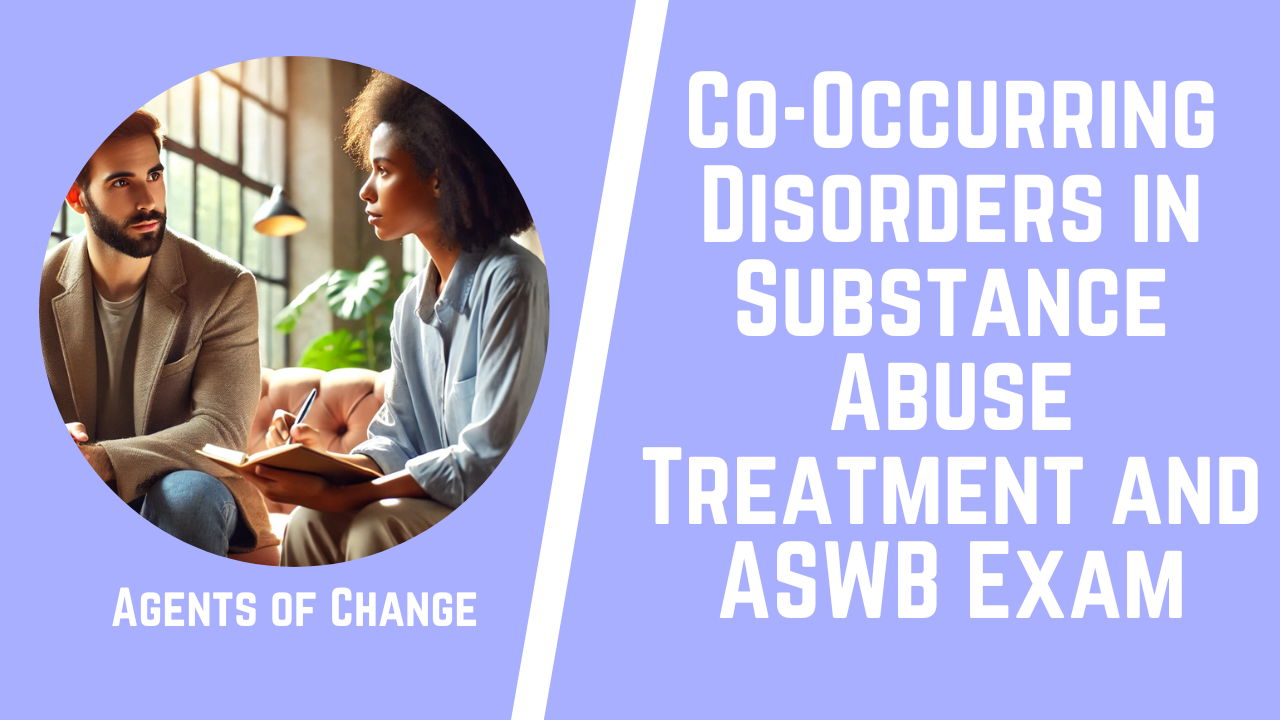
a diverse therapist working with a client in a bright, warm office. Both are engaged in a serious conversation in a welcoming, professional environment.

Understanding the interplay between these two types of disorders is critical for effective treatment and is also essential for successfully navigating the ASWB exam. Let’s break down the different aspects of co-occurring disorders to clarify their impact on both clients and treatment approaches.

The Connection Between Mental Health and Substance Use

Substance use and mental health disorders are often tightly linked. In fact, individuals with mental health disorders are at a higher risk of developing substance use disorders and vice versa. But why is this the case?

There are several factors that explain why these disorders frequently co-occur:

  • Self-medication: Many individuals use drugs or alcohol to cope with the symptoms of a mental health disorder, such as anxiety, depression, or PTSD. For instance, someone with severe anxiety might turn to alcohol to calm their nerves, leading to dependency over time.
  • Neurobiological factors: The brain’s reward system is involved in both mental health disorders and substance use, which can make individuals more vulnerable to both.
  • Genetic predisposition: Research has shown that some individuals are genetically predisposed to both addiction and mental health issues, making them more susceptible to co-occurring disorders.
  • Environmental factors: Trauma, stress, and other environmental triggers can contribute to the development of both mental health disorders and substance use disorders.

Understanding these underlying factors is crucial for Social Workers, as they inform how treatment plans are developed and what interventions are most effective.

Common Pairings of Co-Occurring Disorders

Co-occurring disorders can manifest in numerous combinations. Some of the most frequently seen pairings include:

  • Depression and Alcoholism: Depression is one of the most common mental health disorders that co-exist with alcoholism. Individuals with depression may use alcohol to temporarily ease emotional pain, only to find that their depressive symptoms worsen over time as their alcohol use increases.

  • Anxiety and Prescription Drug Abuse: Anxiety disorders are often linked with the abuse of prescription medications, particularly benzodiazepines. While these medications can provide short-term relief, they are highly addictive, leading to a dangerous cycle of dependency and withdrawal.

  • Post-Traumatic Stress Disorder (PTSD) and Opioid Addiction: Many individuals with PTSD, especially veterans or those with a history of trauma, turn to opioids to numb the emotional pain. This coping strategy, while providing temporary relief, often leads to opioid addiction, which then complicates the treatment of PTSD.

  • Bipolar Disorder and Stimulant Use: People with bipolar disorder may use stimulants like cocaine or methamphetamine to elevate their mood during depressive phases, but this typically leads to erratic behavior, worsening mania, and increased risk of long-term addiction.

These common pairings highlight how intertwined mental health and substance use disorders are. On the ASWB exam, understanding these combinations will help you identify appropriate treatment plans and responses to client scenarios.

Symptoms of Co-Occurring Disorders

A diverse therapist and client in a bright, warm office, both deeply engaged in a serious conversation within a professional and inviting environment.

Recognizing the symptoms of co-occurring disorders is essential for proper diagnosis and treatment. Often, the symptoms of mental health disorders and substance use disorders overlap, making it difficult to differentiate between the two. However, some key indicators include:

  • Mood swings: Clients may exhibit rapid shifts in mood that could be attributed to both mental health issues like bipolar disorder and the effects of substance use.
  • Withdrawal from social activities: A common symptom in both depression and substance use disorders, social withdrawal can signal a client is struggling with both conditions.
  • Increased risk-taking behavior: Both substance use and certain mental health disorders, such as borderline personality disorder or ADHD, may lead to reckless or impulsive behavior.
  • Changes in sleeping and eating patterns: Clients may report difficulties sleeping or irregular eating habits, which can stem from both mental health issues (like anxiety or depression) and substance use.

On the ASWB exam, you may be asked to assess these symptoms in a given scenario, differentiating between what could be caused by mental health issues and what might stem from substance abuse.

The Impact of Co-Occurring Disorders on Treatment

Treating co-occurring disorders is more complicated than addressing a substance use disorder or a mental health disorder alone. The presence of two interwoven conditions requires a more nuanced, integrated treatment approach. Understanding the impact of these disorders on treatment is key to providing effective care.

1. Worsening of Both Disorders

When both mental health and substance use disorders are present, they tend to amplify one another. For example, someone suffering from depression who drinks alcohol to cope may experience deeper depressive episodes as their alcohol consumption increases. This makes it even more difficult for the client to break the cycle of addiction while managing their mental health.

2. Higher Risk of Relapse

Clients with co-occurring disorders have a higher risk of relapse. Their mental health symptoms may trigger a return to substance use, or substance use may worsen their mental health, leading them back into unhealthy patterns. For Social Workers, relapse prevention strategies must be designed with both disorders in mind, focusing on both the client’s mental health needs and substance use recovery.

3. Complicated Medication Management

For some clients, medication plays a crucial role in treating their mental health disorder. However, substance use can complicate this. For example, antidepressants or antipsychotics may be less effective when alcohol or drugs are involved. Additionally, some medications used to treat mental health issues can be addictive themselves, such as benzodiazepines for anxiety, which may pose challenges in clients with a history of substance use.

Key Takeaways for Treating Co-Occurring Disorders

When addressing co-occurring disorders in substance abuse treatment, several key points should guide Social Workers:

  • Integrated treatment is essential: Both mental health and substance use disorders must be treated simultaneously for the best outcomes.
  • Screening and assessment should cover both areas: It’s vital to screen for both mental health issues and substance use when working with clients, as treating only one disorder often leads to relapse.
  • Relapse prevention should be tailored: Relapse prevention strategies must account for both the mental health disorder and substance use disorder. This includes addressing triggers from both conditions and building coping mechanisms that address all facets of the client’s life.
  • Client engagement and support systems are crucial: Clients with co-occurring disorders may have a harder time staying engaged in treatment. Building strong support networks, including family therapy and peer support, can increase the likelihood of long-term recovery.

In understanding what co-occurring disorders are and how they manifest, Social Workers are better equipped to provide comprehensive, effective care. The presence of both a mental health disorder and a substance use disorder makes treatment more complex, requiring integrated, tailored approaches that address the full spectrum of a client’s needs.

By focusing on the connections between mental health and substance use and applying evidence-based strategies, Social Workers can help clients navigate these challenges and achieve long-term recovery.

Agents of Change packages include 30+ ASWB topics, 2 free study groups per month, and hundreds of practice questions so you’ll be ready for test day!

2) Why Co-Occurring Disorders Are So Complex

Co-occurring disorders present a unique and significant challenge in both diagnosis and treatment due to the intricate relationship between mental health disorders and substance use disorders (SUDs). When both issues exist simultaneously, they interact in ways that can obscure symptoms, complicate interventions, and elevate the risk of poor outcomes.

This complexity makes it essential for Social Workers and other mental health professionals to develop a deep understanding of how these disorders intertwine and what strategies can be used to address them effectively.

A diverse therapist working with a client in a bright, warm office. The therapist and client are engaged in a meaningful conversation

Let’s explore the primary reasons co-occurring disorders are so complex, focusing on overlapping symptoms, integrated treatment requirements, increased relapse risks, and the impact on diagnosis.

1. Overlapping Symptoms

One of the most challenging aspects of co-occurring disorders is the way symptoms overlap between mental health disorders and substance use disorders. These overlapping symptoms often make it difficult to determine which issue is the primary driver of a client’s behaviors or distress. This can complicate diagnosis and delay appropriate treatment, as many of the symptoms of SUDs mimic those of mental health conditions and vice versa.

Common Examples of Symptom Overlap

Here are a few examples of how mental health symptoms and substance use symptoms can blur together, creating confusion for both clients and clinicians:

  • Depression vs. Substance-Induced Mood Disorders: A client presenting with symptoms of major depressive disorder—such as fatigue, loss of interest in daily activities, or hopelessness—could also be experiencing these as a result of prolonged substance use or withdrawal. Substance-induced mood disorders mimic the symptoms of clinical depression, making it difficult to determine the root cause.

  • Anxiety vs. Stimulant Use: Symptoms of anxiety, such as restlessness, racing thoughts, and irritability, are commonly seen in clients with anxiety disorders. However, these same symptoms may arise from the use of stimulants like cocaine or methamphetamine, or even from withdrawal from these substances.

  • Psychosis vs. Substance Use: Hallucinations and delusions may be signs of severe mental illnesses like schizophrenia, but they can also result from heavy substance use (especially hallucinogens or methamphetamines) or withdrawal from substances like alcohol or benzodiazepines.

Challenges in Diagnosis

The diagnostic challenge lies in teasing apart what symptoms belong to which disorder. Sometimes the substance use disorder is exacerbating an underlying mental health condition, and sometimes the substance use itself is causing psychiatric symptoms. Social Workers must take careful histories, considering factors like:

  • When the symptoms started in relation to substance use
  • Whether symptoms persist during periods of sobriety
  • How different substances impact the client’s mental state

This overlapping of symptoms underscores the need for thorough assessment and screening tools that can differentiate between substance-induced symptoms and standalone mental health disorders.

2. The Necessity of Integrated Treatment

The complexity of co-occurring disorders requires an approach that addresses both the mental health disorder and the substance use disorder simultaneously. Treating one disorder in isolation typically leads to poor outcomes.

For example, focusing solely on mental health symptoms while ignoring substance use may leave the underlying addiction unaddressed, which could exacerbate the mental health disorder in the long term. Likewise, addressing only the substance use without considering the mental health condition increases the likelihood of relapse.

Why Integrated Treatment Works

Integrated treatment models are considered the gold standard for treating co-occurring disorders, and this is reflected in many of the key concepts covered on the ASWB exam. Here’s why integrated treatment is so critical:

  • Comprehensive Care: Clients receive treatment for both their mental health and substance use disorders within the same program, rather than being bounced between separate services. This holistic approach allows for the recognition of the interplay between the two conditions.

  • Improved Engagement: When clients see that their entire experience is being acknowledged and treated, they are more likely to engage with the program. For instance, addressing anxiety while simultaneously managing a client’s alcohol use shows the client that their overall well-being is a priority.

  • Better Long-Term Outcomes: Research consistently shows that clients who undergo integrated treatment are more likely to stay in treatment and maintain long-term recovery. This is because their mental health disorder, which may trigger substance use, is also being actively treated.

Components of Integrated Treatment

Social Workers involved in treating clients with co-occurring disorders often rely on several core components within integrated treatment programs:

  • Therapeutic Interventions: These include cognitive-behavioral therapy (CBT), dialectical behavior therapy (DBT), and trauma-focused therapies, all of which help address the mental health aspect of the client’s condition while supporting their journey toward sobriety.

  • Medication-Assisted Treatment (MAT): In some cases, medications are prescribed to help manage withdrawal symptoms or mental health symptoms (e.g., antidepressants or mood stabilizers). The key is ensuring that these medications don’t interfere with the client’s recovery from substance use or contribute to dependency.

  • Peer Support and Group Therapy: Group settings, particularly those involving peers who also experience co-occurring disorders, provide clients with a sense of community and mutual understanding. These groups are often supplemented by 12-step programs or similar support systems that foster recovery from both disorders.

3. Increased Risk of Relapse

Clients with co-occurring disorders face a significantly higher risk of relapse than those with just a substance use disorder or a mental health disorder. This heightened risk stems from the fact that both disorders feed off one another. When one condition flares up, it often triggers the other, creating a cycle that can be difficult to break.

How Mental Health Issues Fuel Relapse

Mental health symptoms—whether it’s depression, anxiety, PTSD, or another condition—can often drive a client to return to substance use as a way of self-medicating. For example:

  • A client who experiences severe anxiety may relapse by using benzodiazepines or alcohol to soothe their symptoms, even after a period of sobriety.
  • Someone with depression may feel hopeless about their ability to recover and turn to drugs or alcohol as a means of escaping their emotional pain.
  • Clients with trauma-related disorders like PTSD may use substances to numb their distressing memories or emotions, making it harder to stay on the path to recovery.

How Substance Use Worsens Mental Health Symptoms

Conversely, substance use can significantly worsen a client’s mental health. For instance:

  • Alcohol and Depression: Alcohol is a depressant, and regular use can deepen depressive symptoms, even in those without a pre-existing depressive disorder. This, in turn, increases the likelihood of further alcohol use as the client spirals into a deeper depression.
  • Stimulants and Psychosis: Stimulants like cocaine and methamphetamine can induce psychotic symptoms such as paranoia or hallucinations, particularly when used heavily or over a prolonged period. These symptoms may exacerbate underlying conditions like schizophrenia or bipolar disorder.
  • Opioids and Anxiety: Clients using opioids may experience heightened anxiety during withdrawal periods, which can make them more likely to relapse as they seek relief from their mental health symptoms.

4. Diagnostic Complexity

The complexities of co-occurring disorders extend beyond treatment strategies. Diagnosing co-occurring disorders is a difficult process due to the myriad ways these conditions can present and interact. The difficulty of diagnosis is one of the core reasons why co-occurring disorders are often underdiagnosed or misdiagnosed, which can lead to ineffective treatment.

Diagnostic Challenges

  • Masked Symptoms: In some cases, substance use may mask the symptoms of a mental health disorder, delaying an accurate diagnosis. For example, a client with undiagnosed bipolar disorder may not experience obvious manic or depressive episodes while they are actively using substances, making it harder to detect the underlying issue.

  • Substance-Induced vs. Primary Mental Health Disorder: As mentioned earlier, many mental health symptoms can be directly induced by substance use or withdrawal. Social Workers must be cautious in distinguishing between substance-induced symptoms and primary mental health disorders that persist independently of substance use.

  • Client Denial or Stigma: Clients may be reluctant to disclose the full extent of their substance use or mental health struggles due to stigma, shame, or fear of judgment. This lack of transparency can further complicate the diagnostic process, requiring Social Workers to build strong therapeutic relationships based on trust.

Key Takeaways for Managing Co-Occurring Disorders

In light of the challenges associated with co-occurring disorders, it’s clear that Social Workers need a well-rounded, empathetic approach to diagnosis and treatment. Here are some essential takeaways:

  • Careful and thorough assessment is critical: Screening tools that account for both mental health symptoms and substance use patterns are key to identifying co-occurring disorders early on.
  • Integrated treatment models are essential for effective care: Mental health and substance use disorders must be addressed simultaneously for clients to achieve lasting recovery.
  • Relapse prevention plans must consider both conditions: Clients with co-occurring disorders face a heightened risk of relapse, so prevention strategies should include interventions for both their mental health and substance use triggers.
  • Collaboration with other professionals is often necessary: Social Workers should work alongside psychiatrists, counselors, and other professionals to create comprehensive, interdisciplinary treatment plans.

Understanding the complexity of co-occurring disorders equips Social Workers with the tools they need to provide effective, client-centered care while navigating these issues on the ASWB exam.

3) Key Co-Occurring Disorder Concepts for the ASWB Exam

When preparing for the ASWB exam, one of the crucial areas you need to focus on is co-occurring disorders—also known as dual diagnoses. These refer to the simultaneous presence of a mental health disorder and a substance use disorder (SUD).

a student studying for an exam in a collegiate environment, surrounded by textbooks, notes, and a laptop, all within a modern, academic setting. The atmosphere is calm and productive, ideal for focused studying.

Given the complexity of addressing both issues at once, the ASWB exam will likely include questions that test your understanding of the best practices, treatment models, and frameworks used in these cases. To help you ace this section, let’s break down the key co-occurring disorder concepts you’ll need to know for the exam.

In this section, we’ll explore essential frameworks, treatment models, and intervention strategies that frequently come up on the ASWB exam, such as integrated treatment, the Stages of Change model, motivational interviewing, and trauma-informed care.

1. Integrated Treatment for Co-Occurring Disorders

Integrated treatment is one of the most significant concepts to understand when studying co-occurring disorders. This approach combines treatment for both mental health and substance use disorders into one cohesive plan rather than addressing them separately. Integrated treatment is considered the gold standard because treating one disorder without considering the other often leads to poor outcomes or relapse.

Key Features of Integrated Treatment

For the ASWB exam, it’s essential to understand the defining characteristics of integrated treatment, which include:

  • Comprehensive care: Both the mental health disorder and the substance use disorder are treated simultaneously, often by the same team or in a coordinated care setting.
  • Tailored interventions: Treatment plans are individualized based on the client’s specific needs, taking into account the severity of both conditions.
  • Continuity of care: Treatment is often long-term and involves continuous monitoring of both disorders, with adjustments made as needed to ensure effective management.
  • Collaboration among providers: Social Workers, mental health professionals, substance abuse counselors, and medical staff work together to develop and implement a treatment plan.

Why It’s Important for the ASWB Exam

Integrated treatment is central to addressing co-occurring disorders because it acknowledges the interplay between mental health and substance use issues. On the ASWB exam, you may encounter case studies where clients present with symptoms of both disorders, and you’ll be asked to identify the most appropriate course of action. In these cases, recognizing the value of integrated treatment will help you choose the correct response.

2. The Stages of Change Model (Transtheoretical Model)

Another key framework for addressing co-occurring disorders is the Stages of Change model, also known as the Transtheoretical Model. This model outlines the process individuals go through when making behavioral changes, such as addressing their substance use or mental health challenges. It is particularly relevant for clients with co-occurring disorders, as many struggle with ambivalence about change or may be at different stages of readiness for each disorder.

The Five Stages of Change

The Stages of Change model includes five key stages, which you’ll need to understand for the ASWB exam:

  1. Precontemplation: The client does not recognize that they have a problem or is unwilling to consider change. For example, a client may be unaware or in denial about their substance use or mental health issues.
  2. Contemplation: The client begins to acknowledge the problem and considers the possibility of change but is not yet ready to take action.
  3. Preparation: The client prepares to make changes, often by researching treatment options or setting personal goals for recovery.
  4. Action: The client actively engages in treatment or takes specific steps to address their co-occurring disorders, such as attending therapy or participating in a recovery program.
  5. Maintenance: After making changes, the client works to maintain their recovery and prevent relapse by continuing with treatment and support systems.

Why It’s Important for the ASWB Exam

For the ASWB exam, you may be presented with scenarios that require you to assess where a client is in the Stages of Change and tailor interventions accordingly. For instance, a client in the precontemplation stage may need motivational interviewing to help them recognize the need for change, while someone in the action stage may require support through cognitive-behavioral therapy (CBT) to sustain progress.

3. Motivational Interviewing

Motivational interviewing (MI) is a client-centered counseling technique often used to address ambivalence in clients with co-occurring disorders. It is designed to help clients explore and resolve their mixed feelings about making changes, such as reducing substance use or engaging in mental health treatment. For clients with dual diagnoses, ambivalence is common, as they may feel overwhelmed by the need to address both their mental health and substance use issues.

Key Principles of Motivational Interviewing

Understanding the core principles of motivational interviewing is important for the ASWB exam:

  • Expressing empathy: The Social Worker listens to the client in a nonjudgmental, compassionate way, validating their feelings and struggles.
  • Developing discrepancy: MI helps the client see the gap between where they are (e.g., using substances) and where they want to be (e.g., in recovery).
  • Rolling with resistance: Instead of confronting resistance directly, MI encourages Social Workers to “roll with it,” understanding that resistance is a natural part of the change process.
  • Supporting self-efficacy: The Social Worker helps the client believe in their ability to make positive changes by highlighting their strengths and past successes.

Why It’s Important for the ASWB Exam

On the ASWB exam, you may need to identify the use of motivational interviewing in a case scenario, particularly when a client is ambivalent about seeking help for co-occurring disorders. Understanding how MI can be used to enhance client motivation and engagement in treatment will allow you to choose the correct approach in these situations.

4. Trauma-Informed Care

Trauma-informed care is a crucial concept in treating clients with co-occurring disorders, particularly because many individuals with substance use disorders and mental health issues have experienced trauma. Trauma can exacerbate both mental health symptoms and substance use, making it essential for Social Workers to understand the role of trauma in the development and treatment of co-occurring disorders.

Key Principles of Trauma-Informed Care

For the ASWB exam, it’s important to understand the following principles of trauma-informed care:

  • Safety: Ensuring that the client feels physically and emotionally safe during treatment.
  • Trustworthiness and transparency: Building trust with the client by maintaining clear communication and honesty throughout the treatment process.
  • Peer support: Encouraging support from others who have experienced trauma, which can be particularly effective in group therapy or peer support settings.
  • Empowerment, voice, and choice: Giving clients control over their treatment and allowing them to make decisions about their care, which helps them regain a sense of agency.
  • Cultural sensitivity: Recognizing and respecting the client’s cultural background and experiences, which may influence their response to trauma and treatment.

Why It’s Important for the ASWB Exam

Trauma-informed care is especially relevant for clients with co-occurring disorders because many have histories of abuse, neglect, or other forms of trauma. On the ASWB exam, you may be asked how to incorporate trauma-informed principles into a treatment plan or how to address trauma when treating dual diagnoses. Recognizing that trauma is often a root cause of both mental health and substance use issues is crucial for selecting the appropriate intervention.

5. Relapse Prevention Strategies

Relapse prevention is a vital aspect of treatment for clients with co-occurring disorders, given the heightened risk of relapse when both mental health and substance use disorders are present. Social Workers must understand how to develop tailored relapse prevention plans that address the triggers and challenges unique to dual diagnoses.

Key Relapse Prevention Strategies

Here are some key relapse prevention strategies you should know for the ASWB exam:

  • Coping skills training: Teaching clients how to cope with stress, cravings, and negative emotions without turning to substances or harmful behaviors.
  • Trigger identification: Helping clients identify the specific people, places, or situations that may trigger a relapse, whether they are related to substance use or mental health symptoms.
  • Developing a support system: Encouraging clients to build a strong support network, which may include family, friends, therapy groups, and 12-step programs like Alcoholics Anonymous (AA) or Narcotics Anonymous (NA).
  • Regular check-ins: Scheduling regular appointments to monitor the client’s progress and adjust the treatment plan as needed, especially if signs of relapse begin to emerge.

Why It’s Important for the ASWB Exam

On the ASWB exam, you may encounter questions that test your ability to recognize early signs of relapse or design a prevention plan that addresses both substance use and mental health concerns. Understanding how to apply relapse prevention strategies in these situations will be essential for selecting the best interventions.

6. Screening and Assessment Tools

Effective treatment for co-occurring disorders begins with proper screening and assessment. Social Workers must be able to identify both mental health disorders and substance use disorders through comprehensive assessments, as missing one of the conditions can lead to ineffective treatment.

Common Screening Tools

Here are some widely used screening tools you may encounter on the ASWB exam:

  • CAGE Questionnaire: A simple four-question tool used to assess alcohol use and potential dependence.
  • AUDIT (Alcohol Use Disorders Identification Test): A more in-depth screening tool for identifying hazardous drinking behavior.
  • DAST (Drug Abuse Screening Test): Used to screen for drug abuse issues, excluding alcohol.
  • PHQ-9 (Patient Health Questionnaire): A screening tool for depression that can help identify co-occurring mood disorders.
  • GAD-7 (Generalized Anxiety Disorder Scale): A screening tool used to assess anxiety symptoms, which may co-occur with substance use disorders.

Why It’s Important for the ASWB Exam

Screening and assessment are foundational steps in the treatment process. On the ASWB exam, you’ll need to know which screening tools are appropriate for different scenarios and how to interpret the results. Questions may ask how to conduct a comprehensive assessment for a client with suspected co-occurring disorders, so understanding the role of these tools is crucial.

Co-occurring disorders present unique challenges in Social Work practice, and understanding key concepts like integrated treatment, the Stages of Change model, motivational interviewing, trauma-informed care, and relapse prevention is essential for passing the ASWB exam.

With a thorough grasp of these frameworks and strategies, you’ll be better equipped to assess and treat clients with dual diagnoses, ensuring that both their mental health and substance use issues are addressed simultaneously for the best possible outcomes. By mastering these concepts, you increase your chances of passing the exam and enhance your ability to provide compassionate, effective care to those who need it most.

4) FAQs – Co-Occurring Disorders in Substance Abuse Treatment and ASWB Exam

Q: Why is integrated treatment essential for addressing co-occurring disorders?

A: Integrated treatment is vital for addressing co-occurring disorders because it treats both the mental health disorder and the substance use disorder simultaneously. Without this combined approach, treating one disorder in isolation often leads to poor outcomes or relapse.

When a person with co-occurring disorders receives treatment for just their substance use, their mental health condition may worsen, potentially triggering a relapse. Likewise, addressing only the mental health disorder without considering the impact of substance use can overlook crucial aspects of their overall well-being. Integrated treatment ensures that both issues are addressed comprehensively, improving client outcomes and fostering long-term recovery.

Q: How do Social Workers use motivational interviewing in the treatment of co-occurring disorders?

A: Motivational interviewing (MI) is a critical tool Social Workers use to help clients with co-occurring disorders explore their ambivalence about change. Clients with dual diagnoses may feel overwhelmed by the prospect of addressing both their mental health and substance use issues, and MI helps them recognize their internal motivations for change.

Through empathetic and non-confrontational conversations, Social Workers guide clients to identify discrepancies between their current behaviors and their personal goals, encouraging self-efficacy and autonomy. MI is especially useful in the early stages of treatment, helping clients move through the Stages of Change model and become more engaged in the recovery process.

Q: What makes co-occurring disorders so complex to diagnose and treat?

A: Co-occurring disorders are complex because mental health symptoms and substance use symptoms often overlap, making diagnosis challenging. For example, anxiety or depression could be the result of substance use or a pre-existing mental health condition. Substance-induced symptoms can mimic or exacerbate mental health issues, which can obscure the underlying problems.

Additionally, clients with dual diagnoses face a higher risk of relapse, as their mental health issues may act as triggers for substance use and vice versa. Treating both disorders at once requires careful assessment, integrated treatment, and tailored relapse prevention strategies to address the unique needs of each client.

5) Conclusion

Addressing co-occurring disorders in substance abuse treatment is a crucial aspect of effective Social Work practice. As clients often struggle with both a mental health disorder and a substance use disorder, it’s essential to approach treatment in an integrated, comprehensive manner.

Understanding key concepts such as integrated treatment, motivational interviewing, and trauma-informed care will not only improve your ability to serve clients but will also prepare you for success on the ASWB exam. By applying these evidence-based approaches, Social Workers can create a tailored, client-centered plan that addresses both conditions simultaneously for long-term recovery.

The complexity of co-occurring disorders requires a nuanced understanding of how these conditions interact. Whether it’s recognizing overlapping symptoms, identifying the appropriate stage of change, or developing effective relapse prevention strategies, Social Workers play a critical role in supporting clients through these challenges. On the ASWB exam, these concepts are tested in practical scenarios that reflect real-world practice. Being well-versed in co-occurring disorders will equip you with the knowledge to answer exam questions confidently and provide effective care in the field.

6) ASWB Practice Question: Addressing Co-Occurring Disorders in Substance Abuse Treatment

A Social Worker is providing treatment to a client who has been diagnosed with both generalized anxiety disorder and alcohol use disorder. The client reports drinking to cope with their anxiety, but they are not yet ready to stop drinking entirely. The Social Worker decides to use motivational interviewing (MI) to help the client move toward change. Which of the following actions best aligns with the principles of motivational interviewing?

A) Confronting the client about the negative consequences of their drinking and insisting they commit to sobriety immediately.
B) Encouraging the client to explore how their drinking habits align with their personal goals and values.
C) Developing a strict plan for the client to follow, including specific goals for reducing drinking.
D) Offering the client advice on coping strategies to manage their anxiety without alcohol.

Correct Answer:
B) Encouraging the client to explore how their drinking habits align with their personal goals and values.

Rationale:

The correct answer is B. Motivational interviewing (MI) is a client-centered, non-confrontational approach that helps individuals resolve ambivalence and find their own reasons for change. One of the key principles of MI is developing discrepancy, which involves helping the client recognize the gap between their current behavior (drinking to cope with anxiety) and their broader personal goals and values. This empowers the client to make their own decisions about change, rather than being pressured or confronted.

  • A is incorrect because confronting the client and insisting on immediate sobriety goes against the MI principle of “rolling with resistance” and can increase defensiveness.
  • C is incorrect because MI focuses on client-driven change, rather than imposing strict plans and goals on the client.
  • D is incorrect because, while offering advice might be helpful later in the process, MI emphasizes eliciting the client’s own ideas for coping rather than providing solutions early on.


► Learn more about the Agents of Change course here: https://agentsofchangeprep.com

About the Instructor, Meagan Mitchell: Meagan is a Licensed Clinical Social Worker and has been providing individualized and group test prep for the ASWB for over 8 years. From all of this experience helping others pass their exams, she created the Agents of Change course to help you prepare for and pass the ASWB exam!

Find more from Agents of Change here:

► Facebook Group: https://www.facebook.com/groups/aswbtestprep

► Podcast: https://podcasters.spotify.com/pod/show/agents-of-change-sw

#socialwork #testprep #aswb #socialworker #socialwork #socialworktest #socialworkexam #exam #socialworktestprep #socialworklicense #socialworklicensing #licsw #lmsw #lcsw #aswbexam #aswb #lcswexam #lmswexam #aswbtestprep #aswbtest #lcswtestprep #lcswtest #lmswtestprep #lmswtest #aswbcourse #learningstyles #learningstyle

Disclaimer: This content has been made available for informational and educational purposes only. This content is not intended to be a substitute for professional medical or clinical advice, diagnosis, or treatment

Share:

Discover more from Agents of Change

Subscribe now to keep reading and get access to the full archive.

Continue reading