Video and audio lessons, hundreds of practice questions with detailed rationales, and live study groups with Dr. Meagan Mitchell. Fully updated for the new ASWB exam.
Agents of Change teaches you the content and how to break down a question, spot what it's really asking, and choose the best answer.
🎧
Audio + visual lessons
Every topic includes engaging videos and visual slides, plus audio versions in our iOS and Android apps so you can study on your commute, at the gym, or anywhere else.
📝
Practice questions + rationales
Hundreds of practice questions with video walkthroughs and detailed rationales that explain why the right answer is right and why the others fall short.
💬
Live study groups
Join 2 live, interactive study groups every month led by Dr. Meagan Mitchell, and get the full library of past study group recordings the day you enroll.
Getting startedGet organized, set your exam date, and build a study rhythm.
Question strategyBreak down questions with the 5 W's and FIRST, NEXT, BEST task words.
Values and EthicsConfidentiality, boundaries, supervision, and legal obligations.
Assessment and PlanningDiagnosis, development, risk, addiction, and defense mechanisms.
Intervention and PracticeTherapy models, community practice, and program evaluation.
Practice questions + rationalesTopic quizzes throughout, plus a timed practice exam in Premium.
Live study groupsBring your questions to Meagan twice a month.
Audio reviewReplay every lesson on the go as you get closer to test day.
Test anxiety strategiesBreathwork, guided imagery, and mindfulness for exam day.
Meet your instructor
Dr. Meagan Mitchell
DSWLICSWMSWMEdRPT™
I'm a Licensed Clinical Social Worker, and I know firsthand how overwhelming preparing for the licensing exam can feel. I've been helping social workers prepare for the ASWB exam for more than 11 years.
Along with my DSW and MSW, I hold a Master's in Education, so I build every lesson around how people actually learn. You'll hear my voice in every video, audio lesson, and live study group, and I look forward to partnering with you on your path to licensure.
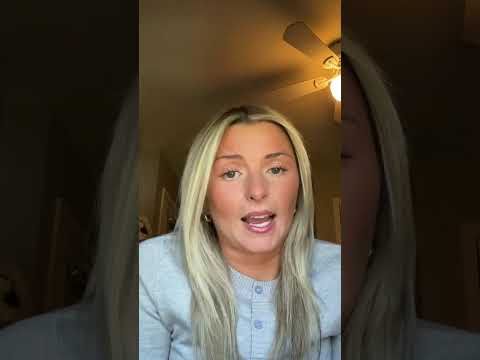
Learning how to analyze what the ASWB exam is actually asking for was the single most valuable tool in passing my LMSW exam.
KKara S.
★★★★★LCSW
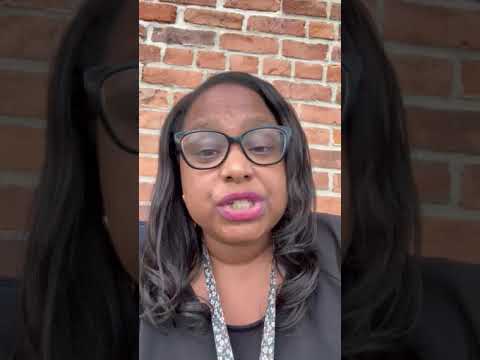
Passing isn't just about memorizing content. It's about understanding how to answer the FIRST, NEXT, and BEST questions. After several near misses, I finally passed my LCSW exam.
JJ.W.
★★★★★LSW
Agents of Change broke everything down into simple, easy-to-understand language. I was so confident on exam day that I finished with 40 minutes to spare.
RRegine P.
★★★★★LCSW
The question breakdown using the 5 W's was so helpful on actual exam day. With every practice question came a rationale that really broke down how to find the correct answer.
CCydney V.
★★★★★LMSW
Breaking questions down into bite-sized parts (what type of social worker I am, what setting I'm in, whether this is our first meeting) really helped me slow down and process each question.
LLauren A.
★★★★★LCSW
I could study anytime and anywhere, even in my car waiting to pick up my kids. As a working mom, that flexibility gave me the confidence I needed to pass.
LLakeisha P.
★★★★★LCSW
Your materials helped me understand the ASWB mindset in a way that finally clicked. After previously struggling with the exam, your content gave me the structure and confidence I needed.
CChey D.
★★★★★LMSW
I'm a visual learner, so the video breakdowns of each topic and the short quizzes with rationales were great. I reviewed any topic I didn't feel strong about.
LLeslie R.
★★★★★LMSW
Learning how to analyze what the ASWB exam is actually asking for was the single most valuable tool in passing my LMSW exam.
KKara S.
★★★★★LCSW
Passing isn't just about memorizing content. It's about understanding how to answer the FIRST, NEXT, and BEST questions. After several near misses, I finally passed my LCSW exam.
JJ.W.
★★★★★LSW
Agents of Change broke everything down into simple, easy-to-understand language. I was so confident on exam day that I finished with 40 minutes to spare.
RRegine P.
★★★★★LCSW
The question breakdown using the 5 W's was so helpful on actual exam day. With every practice question came a rationale that really broke down how to find the correct answer.
CCydney V.
★★★★★LMSW
Breaking questions down into bite-sized parts (what type of social worker I am, what setting I'm in, whether this is our first meeting) really helped me slow down and process each question.
LLauren A.
★★★★★LCSW
I could study anytime and anywhere, even in my car waiting to pick up my kids. As a working mom, that flexibility gave me the confidence I needed to pass.
LLakeisha P.
★★★★★LCSW
Your materials helped me understand the ASWB mindset in a way that finally clicked. After previously struggling with the exam, your content gave me the structure and confidence I needed.
CChey D.
★★★★★LMSW
I'm a visual learner, so the video breakdowns of each topic and the short quizzes with rationales were great. I reviewed any topic I didn't feel strong about.
Choose an answer, then see why each option is right or wrong.
Values and Ethics · BoundariesClick an answer to see the rationale
A social worker in a rural community learns that a current client has joined the same monthly book club the social worker has attended for several years. At the next session, the client says they look forward to getting to know the social worker outside of therapy. The client has limited opportunities for social connection, and the nearest alternative therapy provider has a lengthy waiting list.
What should the social worker do FIRST?
Strategy tip: The 5 W's
Identify who is involved, what boundary issue has emerged, where it occurs, when it needs attention, and why context matters. Here, overlapping community involvement requires a direct discussion of boundaries before deciding whether either relationship needs to change.
Every Agents of Change question includes an in-depth rationale explaining why the correct choice is best and why the distractors are wrong.
iOS & Android apps
Study anywhere with the Agents of Change app
Your full course goes where you go. Watch, listen, and practice from your phone, whether you're on your commute, at the gym, or waiting in the pickup line.
🎬Watch video lessonsEngaging videos and visual slides for every topic.
🎧Listen on the goAudio versions of every lesson for your commute, workout, or chores.
📝Practice anywherePractice questions with detailed rationales, right in your pocket.
📱Keep your progress movingYour progress syncs across devices.
Masters exam prepModule 4
Assessment and Planning
Lesson 3 · Defense mechanisms
✓Lesson 1 · The helping process
✓Lesson 2 · Biopsychosocial assessment
3Lesson 3 · Defense mechanisms
Now playingAudio
🎧
Defense Mechanisms
Assessment and Planning · Audio lesson
⏪❚❚⏩
Practice question7 of 10
A client frustrated with a boss comes home and snaps at their children. Which defense mechanism is this?
A. Projection
B. Displacement ✓
C. Sublimation
Correct. The client redirected anger from the boss to a safer target, their children.
My progressMasters
68%
Course complete
WebiPhoneAndroid
✓Values and Ethics
✓Assessment and Planning
→Intervention and Practice
Simple pricing
One payment. Access until you pass.
No subscriptions and no time limits. Keep your course, and every update we make to it, until you pass your exam.
★ Most popular · limited-time price
Premium + Power Pack
$175 $225
One-time payment · access until you pass
Everything in Basics, plus:
122-question timed practice exam with rationales
5 bonus topics, including cultural considerations and SMART goals
It depends on your degree and the license you're applying for in your state. The Bachelors exam is for BSW-level licenses, the Masters exam for LMSW-level licenses, and the Clinical exam for LCSW-level licenses. Check with your state board to confirm which exam you need.
How long will I have access to the course?
You keep access until you pass your ASWB exam, including every update we make along the way.
How much time should I plan to study?
Most students finish the lessons in 4 to 6 weeks at about 10 hours per week, then review the material a second time before exam day. Want a schedule built for you? Try our personalized study plan.
Does Agents of Change guarantee I'll pass?
No. Our course gives you strong exposure to the topics and question styles on the ASWB exam, and it works best alongside your own independent study. Completing the course does not guarantee a passing score.
Do you offer individual tutoring?
We don't offer one-on-one tutoring. Every course includes 2 live study groups each month where you can ask Dr. Meagan Mitchell your questions directly. For help any time, try the ASWB Chatbot Tutor.
Is there a mobile app?
Yes. Your course is available on the Agents of Change iOS and Android apps, including audio lessons for studying on the go.
What is your refund policy?
Full refunds are available within 48 hours of purchase if less than 10% of the course is completed. After that, all sales are final.



 K
K J
J R
R C
C L
L L
L C
C L
L