Navigating the ASWB exam can be a challenging process for aspiring Social Workers, but it becomes even more daunting for those with disabilities, health conditions, or language barriers. This summary of the 2024 update of the ASWB Exam Nonstandard Testing Arrangements Handbook is here to alleviate those concerns, offering detailed guidance and support for candidates who require special accommodations. This comprehensive handbook ensures that every test-taker has the opportunity to perform their best, regardless of their individual needs.
Understanding the specifics of nonstandard testing arrangements is crucial for those needing them. Whether it’s accommodating a physical disability, managing a health condition, or providing extra time for English as a second language (ESL) candidates, the ASWB has outlined clear procedures and requirements to help ensure a smooth and stress-free testing experience. From documenting your needs to requesting specific accommodations, this guide covers all essential steps to help you prepare adequately for your exam day.
In this blog post, we’ll explore the key elements of the ASWB Exam Nonstandard Testing Arrangements Handbook. We’ll discuss the types of accommodations available, the process for requesting these arrangements, and what to expect on exam day.
Additionally, we’ll highlight the PSI Comfort Aids that are pre-approved for use during the exam, providing further support for your unique needs. With this information at your fingertips, you can confidently approach your ASWB exam, knowing that the necessary arrangements are in place to support your success.
Learn more about the ASWB exam and create a personalized ASWB study plan with Agents of Change. We’ve helped thousands of Social Workers pass their ASWB exams and want to help you be next!
1) Understanding Nonstandard Testing Arrangements
The ASWB exam is a significant hurdle for aspiring Social Workers, but the process can be even more challenging for those with specific needs. Thankfully, the ASWB Exam Nonstandard Testing Arrangements Handbook provides a comprehensive guide to ensure that every candidate has an equal opportunity to succeed.

Standard Testing Arrangements
Before diving into nonstandard arrangements, it’s essential to understand what standard testing arrangements are available to all candidates. These are accommodations that do not require prior approval and are designed to meet common needs during the exam:
-
Drinks and Snacks: Candidates are allowed to access drinks in spill-proof containers and snacks during short breaks.
-
Layered Clothing: Items such as sweaters, sweatshirts, blazers, and saris can be worn to ensure comfort during the exam.
-
Breaks: Test-takers can take short breaks during the four-hour exam to use the restroom or access their drinks and snacks. The exam clock, however, does not stop during these breaks.
-
Comfort Aids: Certain items can be brought into the exam room without prior approval. These include medical monitoring devices attached to the body (that do not make noise), glucose tablets, unwrapped cough drops, pillows, and lumbar supports.
-
Vision Aids: The exam software allows for color contrast settings, text highlighting, an answer eliminator tool, and text zoom up to 200%.
Types of Nonstandard Testing Arrangements
Nonstandard testing arrangements are specifically designed to accommodate candidates with documented disabilities, health conditions, or those who use English as a second language (ESL). These arrangements must be approved in advance and tailored to the candidate’s individual needs.
Documented Disabilities and Health Conditions
Candidates with physical or mental impairments that substantially limit one or more major life activities may qualify for nonstandard testing arrangements. These accommodations ensure that such candidates can perform their best under conditions suited to their needs. Examples of eligible conditions include:
-
Chronic Health Conditions: Conditions like diabetes that require continuous monitoring or medication.
-
Mobility Impairments: Requirements for special seating arrangements, mobility aids, or additional breaks.
-
Hearing Impairments: Use of assistive listening devices or American Sign Language (ASL) interpreters.
-
Vision Impairments: Specialized software settings or additional time to complete the exam.
Lactation Arrangements
Lactating individuals who need to pump or express milk during the exam can request specific accommodations to ensure their needs are met. These arrangements include:
-
Extra Time: Up to 60 minutes of additional time for pumping or expressing milk.
-
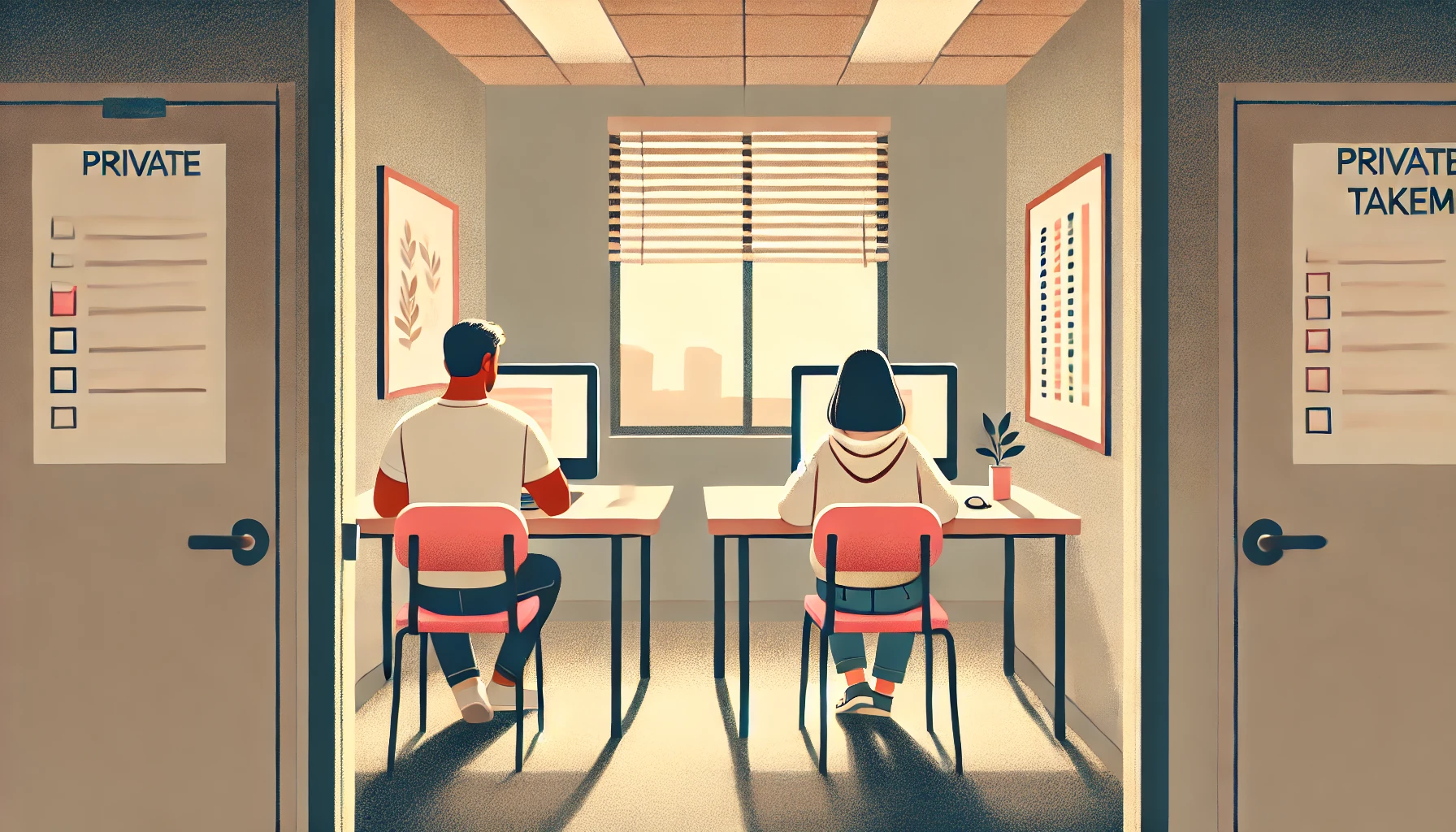
Private Space: Access to a private room equipped with a chair, table, electrical outlet, and door for pumping or expressing milk.
-
Bottled Water: Allowed at the testing desk in a transparent, spill-proof container.
English as a Second Language (ESL)
Candidates for whom English is not their primary language may find the language barrier a significant challenge. To support these candidates, the ASWB offers specific accommodations:
-
Additional Time: Up to two extra hours to complete the exam.
-
Dictionaries: Permission to use up to two dictionaries—one bilingual word-to-word translation dictionary and one general English dictionary.
What to Expect on Exam Day
Understanding what will happen on exam day can help alleviate anxiety and ensure a smooth experience. Here’s what you need to know:
-
Arrival: Arrive at the test center with enough time to complete the check-in process. Bring any approved comfort aids and necessary identification.
-
Check-In: The test center administrator will inspect all approved personal items. If you have nonstandard testing arrangements, they will ensure all accommodations are in place.
-
During the Exam: Follow the specific guidelines for your accommodations. For example, if you have extra time, make sure you pace yourself accordingly.
-
Breaks: Take short breaks as needed, but remember that the exam clock does not stop. Access your drinks and snacks from your locker during these breaks.
Agents of Change packages include 30+ ASWB topics and hundreds of practice questions so you’ll be ready for test day!
2) Requesting Nonstandard Testing Arrangements
Requesting nonstandard testing arrangements for the ASWB exam can seem like a daunting task, but with the right information and preparation, the process can be straightforward and stress-free. This section will guide you through the steps to request accommodations, the necessary documentation, and the review and approval process. Understanding each part of this procedure will ensure you are well-prepared and can focus on succeeding in your exam.
Identifying Your Needs
The first step in requesting nonstandard testing arrangements is to identify your specific needs. Consider your physical, mental, or language-related challenges that may impact your test-taking experience. Here are some common categories of needs:
-
Physical Disabilities: Mobility impairments, chronic health conditions, or temporary injuries.
-
Mental Health Conditions: Anxiety disorders, ADHD, or other cognitive impairments.
-
Lactation: Need for pumping or expressing milk.
-
Language Barriers: English as a second language (ESL).
Gathering Necessary Documentation
Once you have identified your needs, the next step is to gather the required documentation. Proper documentation is crucial for your request to be approved. Here’s what you typically need:
-
Medical Documentation: A letter from a licensed healthcare provider detailing your diagnosis and the specific accommodations needed.
-
Educational or Psychological Evaluations: For cognitive or learning disabilities, include assessments from a qualified professional.
-
Employer or Educator Statements: Additional supporting documents from your employer or educational institution, if applicable.
Key Points for Documentation:
-
Ensure that the documentation is current, usually within the last three years.
-
The documentation should clearly state the diagnosis and how it affects your ability to take the exam.
-
Specific accommodations requested should be listed and justified.
Submitting the Request
With your documentation ready, you can proceed to submit your request. The ASWB provides specific forms for different types of accommodations. Here’s a step-by-step guide:
-
Complete the Appropriate Forms: Visit the ASWB website and download the necessary forms for your specific accommodation request. These forms include:
-
Request for Nonstandard Testing Arrangements
-
Lactation Arrangements Form
-
ESL Arrangements Form
-
-
Attach Documentation: Ensure all your medical or educational documentation is included with the form.
-
Submit the Forms: Mail the completed forms and documentation to the ASWB office. Some forms might also be submitted via email or an online portal, so check the specific instructions.

Review and Approval Process
After submitting your request, the review process begins. Understanding this process can help manage your expectations and timeline:
-
Initial Review: ASWB staff will review your submission to ensure all necessary information is included.
-
In-Depth Evaluation: A committee or designated professional will evaluate your documentation and determine the appropriate accommodations.
-
Communication: If additional information is needed, ASWB will contact you via email.
-
Determination Letter: You will receive a determination letter by email, stating whether your request is approved or denied. If approved, the letter will list the specific accommodations granted.
Processing Time:
-
Typically, the review process takes about three weeks.
-
Plan ahead to ensure your request is submitted well before your intended exam date.
Types of Nonstandard Testing Arrangements
ASWB provides various types of nonstandard testing arrangements depending on the candidate’s needs. Here are some of the most common types:
Documented Disabilities and Health Conditions
-
Additional Time: Extra time to complete the exam.
-
Separate Testing Room: A private room to reduce distractions.
-
Assistive Devices: Use of personal medical devices or technology.
-
Rest Breaks: Additional breaks beyond the standard allowances.
Lactation Arrangements
-
Extra Time for Pumping: Up to 60 minutes of additional time.
-
Private Room: Access to a private space equipped for pumping.
-
Bottled Water: Allowed at the testing desk.
English as a Second Language (ESL)
-
Extended Time: Up to two extra hours.
-
Dictionaries
: Use of a bilingual word-to-word translation dictionary and/or a general English dictionary.
What to Do After Receiving Approval
Once you receive your determination letter, it’s important to follow these steps to ensure your accommodations are correctly implemented on exam day:
-
Verify Accommodations: Check that the accommodations listed in your determination letter match those in your Authorization to Test email.
-
Register for the Exam: Proceed with your exam registration, indicating that you have approved nonstandard testing arrangements.
-
Schedule Your Exam: Follow the instructions in your Authorization to Test email to schedule your exam with PSI. Confirm your accommodations during the scheduling process.
-
Prepare for Exam Day: Familiarize yourself with the test center’s procedures and the specific accommodations you will have.
Tips for a Smooth Request Process
Here are some tips to ensure a smooth process when requesting nonstandard testing arrangements:
-
Start Early: Begin the request process as soon as you know you will need accommodations.
-
Be Thorough: Ensure all documentation is complete and provides a clear rationale for the requested accommodations.
-
Follow Up: If you haven’t heard back within the expected timeframe, follow up with ASWB to check on the status of your request.
-
Stay Informed: Keep up-to-date with any changes or additional requirements from your licensing board or ASWB.
By understanding and effectively navigating the process of requesting nonstandard testing arrangements, you can ensure that your needs are met and focus on performing your best on the ASWB exam. Remember, these accommodations aim to provide a level playing field for all candidates, allowing you to demonstrate your true capabilities without unnecessary barriers.
Learn more additional tips and tricks for the ASWB exam and get hundreds of practice questions with Agents of Change!
3) Taking the ASWB Exam with Nonstandard Testing Arrangements
Taking the ASWB exam with nonstandard testing arrangements can help ensure that you are able to perform to the best of your ability despite any disabilities, health conditions, or language barriers. This section will provide an in-depth look at what you can expect on exam day, how to prepare, and tips for making the most of your accommodations.
Preparing for Exam Day
Preparation is key to a smooth exam day experience, especially when you have nonstandard testing arrangements. Here are some steps to take before the big day:
-
Review Your Determination Letter: Make sure you understand all the accommodations that have been approved for you. This letter will outline exactly what adjustments have been made for your test.
-
Check Your Authorization to Test Email: Confirm that all the accommodations listed in your determination letter are correctly included in your Authorization to Test email.
-
Familiarize Yourself with the Test Center: Visit the test center beforehand if possible, or review any virtual tours available online. Knowing the layout and procedures can help reduce anxiety.
-
Prepare Your Materials: Gather any approved comfort aids or assistive devices you will need during the exam. Ensure that these items meet the test center’s requirements.
Arrival at the Test Center 
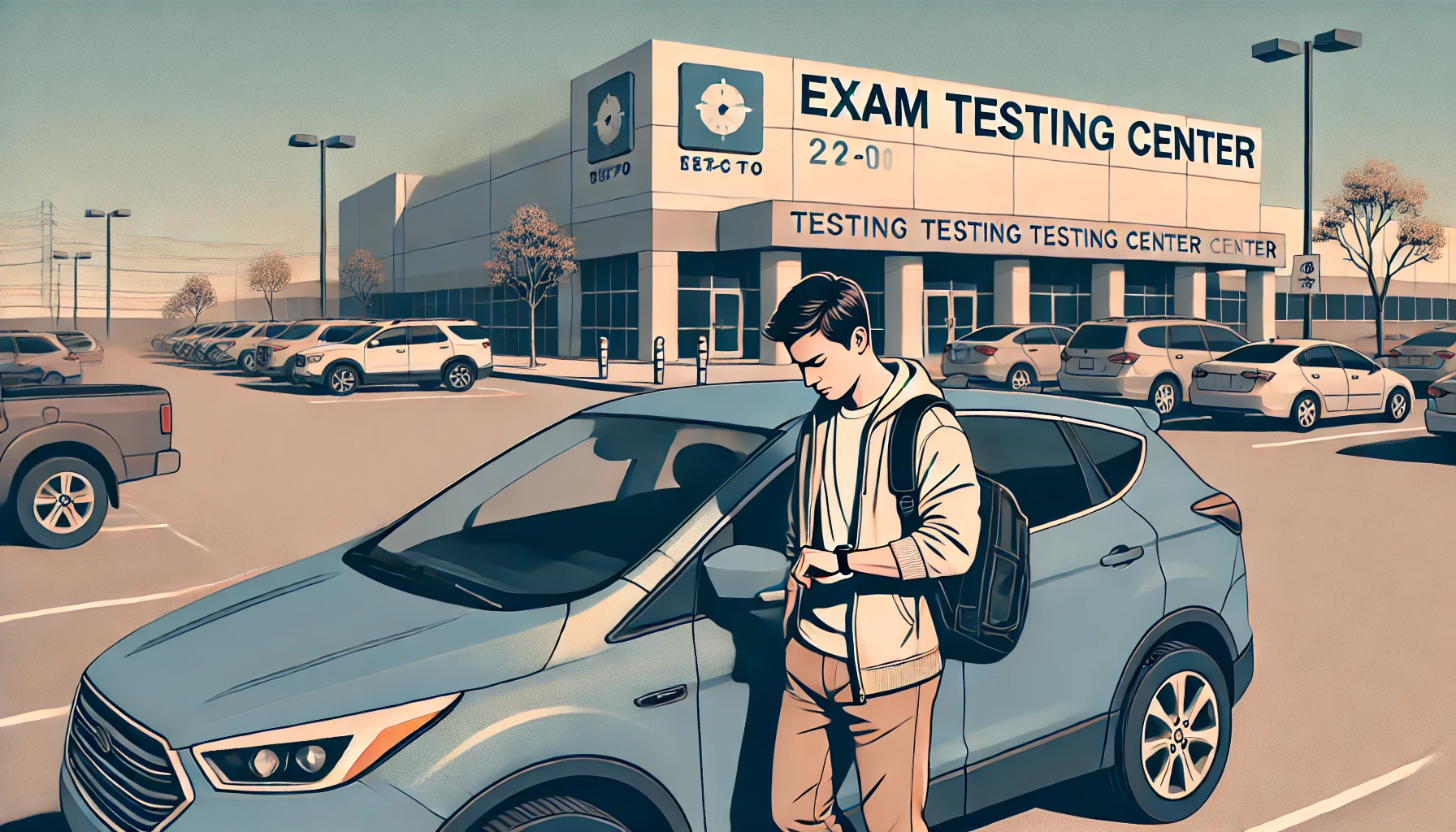
On exam day, arriving prepared and knowing what to expect can help ease any last-minute nerves:
-
Arrive Early: Plan to arrive at least 30 minutes before your scheduled exam time. This will give you ample time to complete the check-in process.
-
Bring Required Identification: Make sure you have the necessary identification documents as specified in your Authorization to Test email.
-
Approved Items Check: Test center staff will conduct a visual inspection of all approved personal items. Ensure that any medical devices can be silenced if they make noise.
Check-In Process
The check-in process is thorough to maintain exam security and integrity. Here’s what you can expect:
-
Identity Verification: Present your identification documents for verification.
-
Inspection of Comfort Aids: All approved comfort aids and medical devices will be inspected. Items like arm slings, glucose tablets, and eyeglasses (without a case) will be checked to ensure they comply with test center policies.
-
Locker Storage: You’ll be required to store personal items such as bags, phones, and unauthorized items in a secure locker.
During the Exam
Once you’re in the testing room, it’s important to make the most of your nonstandard testing arrangements:
-
Extra Time: If you have been granted additional time, pace yourself and make sure to utilize the extra minutes effectively. Monitor the clock and take breaks as needed.
-
Private Room: If you have a separate testing room, use this space to focus without distractions. Adjust the environment (lighting, seating position) to suit your needs.
-
Assistive Devices: Make sure to use any assistive devices or software features (like text magnification or screen readers) that have been approved.
-
Breaks: Take advantage of additional breaks if they have been granted. Use these breaks to stretch, access your snacks and drinks, or use the restroom.
Types of Nonstandard Testing Arrangements in Action
Here are specific examples of how different nonstandard testing arrangements can be utilized during the exam:
Documented Disabilities and Health Conditions
-
Mobility Aids: Use of canes, crutches, or wheelchairs is allowed without needing prior approval. Ensure these are inspected during check-in.
-
Medical Monitoring Devices: Devices like insulin pumps or continuous glucose monitors can be used, provided they don’t make noise or can be silenced.
-
Assistive Listening Devices: If you have hearing impairments, you may use devices like hearing aids or cochlear implants. Ensure these are approved and inspected.
Lactation Arrangements
-
Private Lactation Room: Utilize the designated private room equipped with necessary amenities for pumping or expressing milk. This room will be equipped with a chair, table, and electrical outlet.
-
Additional Time: Make use of the extra 60 minutes granted for lactation needs to ensure you can manage your time without rushing.
ESL Arrangements
-
Extended Time: If you are granted up to two extra hours, plan your pacing carefully. This extended time can make a significant difference in your performance.
-
Dictionaries: Use your bilingual and/or general English dictionaries as needed. Make sure these dictionaries meet the ASWB’s requirements and have been inspected before the exam.
After the Exam
Once you have completed your exam, there are a few steps to follow:
-
Review Your Answers: If time allows, review your answers carefully before submitting your exam.
-
Check-Out Process: Return any materials provided by the test center, such as erasable note boards. Ensure all your personal items are retrieved from the locker.
-
Provide Feedback: If there were any issues with your accommodations, report them to the test center staff or directly to ASWB.
Tips for a Successful Exam Day
To make the most of your nonstandard testing arrangements and ensure a successful exam day, consider the following tips:
-
Stay Calm and Focused: Anxiety can impact performance, so use relaxation techniques to stay calm. Deep breathing and positive visualization can be helpful.
-
Follow Instructions Carefully: Listen to and follow all instructions provided by the test center staff. This will ensure you stay within the guidelines and avoid any issues.
-
Utilize Breaks Wisely: If you have additional breaks, use them to relax and recharge. Hydrate, eat a snack, and stretch to keep your energy levels up.
-
Communicate Needs Clearly: If there are any issues or if you need assistance, communicate clearly with the test center staff. They are there to help you.
Common Issues and How to Handle Them
Here are some common issues candidates might face on exam day and tips on how to handle them:
-
Technical Problems: If you encounter technical issues with your assistive devices or the exam software, inform the test center staff immediately. They can provide support or technical assistance.
-
Discomfort or Pain: If you experience discomfort or pain during the exam, take advantage of your breaks or use any approved comfort aids you have brought.
-
Unexpected Interruptions: If there are any unexpected interruptions or distractions, remain calm and report them to the test center staff. They can take appropriate action to resolve the issue.
By understanding and effectively utilizing your nonstandard testing arrangements, you can ensure a smooth and successful exam experience. Preparation, clear communication, and knowing what to expect on exam day are key to making the most of your accommodations and achieving your best possible performance on the ASWB exam.
4) FAQs – ASWB Exam Nonstandard Testing Arrangements Handbook
Q: What should I do if my request for nonstandard testing arrangements is denied?
A: If your request for nonstandard testing arrangements is denied, it’s important to understand the reason behind the denial. Review the determination letter carefully, which will provide an explanation. Here are the steps you can take:
-
Clarify the Reason: Contact ASWB to clarify any points you do not understand. You can reach them via email or phone as provided in your determination letter.
-
Gather Additional Documentation: If your request was denied due to insufficient documentation, gather any additional information or updated documentation from your healthcare provider or relevant professionals.
-
Submit an Appeal: If you believe your request was unjustly denied, you can submit an appeal. Follow the guidelines provided by ASWB for the appeals process, ensuring you provide all necessary documentation and explanations.
Q: How can I prepare for the ASWB exam if I have nonstandard testing arrangements?
A: Preparing for the ASWB exam with nonstandard testing arrangements involves several steps to ensure you are ready and comfortable on exam day:
-
Understand Your Accommodations: Review your determination letter to understand what accommodations have been granted fully. Familiarize yourself with how they will be implemented during the exam.
-
Visit the Test Center: If possible, visit the test center before your exam day to familiarize yourself with the environment. If an in-person visit is not possible, look for virtual tours or additional information online.
-
Practice with Approved Aids: If you have been granted the use of assistive devices or additional materials (e.g., dictionaries), practice using them in your study sessions to become comfortable with their use.
-
Plan Your Time: Develop a time management strategy that incorporates any additional time or breaks you have been granted. Practice pacing yourself to ensure you can complete the exam within the allocated time.
Q: What steps should I take if I need to cancel or reschedule my exam due to a medical emergency?
A: If you need to cancel or reschedule your ASWB exam due to a medical emergency, follow these steps to ensure you do not face any penalties and can reschedule your exam appropriately:
-
Contact ASWB Immediately: As soon as you realize you need to cancel or reschedule, contact ASWB. Explain your situation and provide any necessary documentation, such as a doctor’s note, to support your request.
-
Follow ASWB’s Cancellation Policy: Review the cancellation policy outlined in your Authorization to Test email or the ASWB Examination Guidebook. Ensure you follow the required steps to qualify for an excused absence.
-
Submit an Excused Absence Form: If applicable, complete and submit the Excused Absence Form within 30 days of your missed appointment. This form is necessary to process your request without penalties.
-
Reschedule Your Exam: Once your absence has been excused, follow the instructions provided by ASWB to reschedule your exam. Ensure your new appointment reflects any nonstandard testing arrangements you have been granted.