Cultural Sensitivity in Crisis Intervention: Essential Knowledge for the ASWB Exam

Cultural Sensitivity in Crisis Intervention: Essential Knowledge for the ASWB Exam
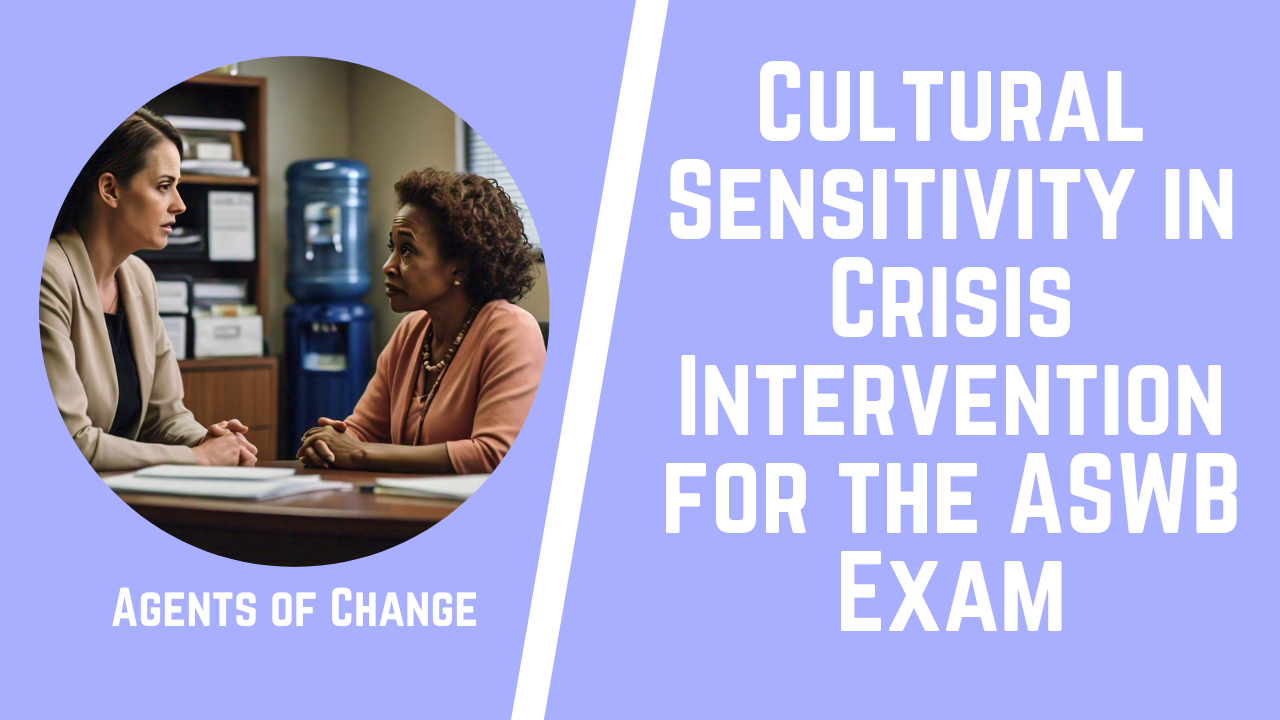
Crisis intervention is a crucial aspect of Social Work, often requiring quick, decisive action to support individuals during moments of acute distress. However, effective crisis intervention goes beyond just knowing what to do in an emergency—it requires a deep understanding of the cultural contexts that shape how people perceive and respond to crises. Cultural sensitivity is the key to ensuring that Social Workers provide appropriate, respectful, and effective support that aligns with their clients’ values and beliefs.

For those preparing for the ASWB exam, cultural sensitivity in crisis intervention is more than just a theoretical concept. The exam tests your ability to apply this knowledge in real-world scenarios, where the stakes are high, and every decision counts. You’ll need to understand how culture influences behavior, crisis responses, and the types of interventions that work best in different contexts.

In this post, we’ll explore the essential knowledge you need to master cultural sensitivity in crisis intervention, particularly for the ASWB exam. From understanding the core principles to applying practical strategies, this guide will equip you with the tools to provide culturally competent support during crises. Whether you’re a student or a practicing Social Worker, this knowledge is critical for ensuring ethical, compassionate care in a diverse society.

Learn more about the ASWB exam and create a personalized ASWB study plan with Agents of Change. We’ve helped thousands of Social Workers pass their ASWB exams and want to help you be next!

1) Why Cultural Sensitivity in Crisis Intervention Matters

Cultural sensitivity in crisis intervention isn’t just a theoretical concept or a box to check—it is a foundational element of effective Social Work practice. When people experience a crisis, their cultural background deeply influences how they perceive the situation, process their emotions, and seek support. As a Social Worker, being culturally sensitive allows you to build trust, offer meaningful assistance, and avoid causing additional harm during an already difficult time.

A female Social Worker working with clients from a different cultural background

This section will explore why cultural sensitivity is so critical in crisis intervention by breaking it down into several key components: fostering trust, enhancing communication, tailoring interventions, and addressing the potential risks of cultural insensitivity.

Building Trust in Diverse Communities

Trust is the cornerstone of any effective intervention. In a crisis situation, individuals are often vulnerable and may be skeptical or hesitant to accept help, especially if they feel misunderstood. Cultural sensitivity helps bridge the gap between Social Workers and clients from diverse backgrounds, creating a space where individuals feel respected and heard.

Why Trust Matters:

  • Cultural Mistrust: In some communities, historical injustices or systemic discrimination may have eroded trust in institutions like Social Services or healthcare. If a Social Worker appears culturally insensitive, it can reinforce this mistrust and create barriers to care.
  • Trust as Emotional Safety: Trust allows individuals to feel emotionally safe during intervention. If a client senses that a Social Worker respects their cultural values, they are more likely to engage openly and honestly.
  • Empowering the Client: Trust empowers clients to take an active role in the intervention process. When a client feels understood, they are more likely to participate in collaborative problem-solving and take ownership of the steps needed to move forward.

Enhancing Communication and Understanding

Communication is the bedrock of effective crisis intervention. But communication is more than just speaking the same language—it involves understanding the subtleties of how people express emotions, distress, and needs, which can vary greatly across cultures. Cultural sensitivity ensures that communication is not only clear but also respectful and aligned with the client’s worldview.

Key Points on Communication:

  • Verbal and Nonverbal Cues: Different cultures have unique ways of expressing distress. In some cultures, openly discussing emotional pain is encouraged, while in others, it might be seen as a sign of weakness or something to be concealed. Additionally, nonverbal communication, such as eye contact or body language, can have different meanings across cultures. For example, in some cultures, avoiding eye contact is a sign of respect, while in others, it might be interpreted as dishonesty.

  • Culturally Appropriate Language: Using culturally relevant language, metaphors, or concepts can make communication smoother and more meaningful. For example, some cultures may use spiritual language to describe their distress, framing it in terms of “soul loss” or “spiritual imbalance.” Understanding these cultural expressions can help Social Workers engage more effectively with their clients.

  • Active Listening: Active listening is especially important when working with clients from diverse backgrounds. It’s not just about hearing the words but also understanding the context in which they are spoken. Asking open-ended questions and avoiding assumptions allows the client to define the crisis in their own terms.

Tailoring Interventions to Fit Cultural Needs

One-size-fits-all approaches rarely work in Social Work, and this is especially true in crisis intervention. Cultural sensitivity helps Social Workers design interventions that are more relevant and effective by considering the client’s cultural values, beliefs, and resources. Tailoring interventions isn’t about simply acknowledging a client’s culture—it’s about actively incorporating that understanding into the intervention plan.

How to Tailor Interventions:

  • Culturally Relevant Support Systems: In many cultures, the family or community plays a central role in helping individuals navigate crises. While some clients may prefer to handle their problems privately, others may want their family or community leaders involved in decision-making. Understanding these dynamics can help Social Workers craft intervention plans that are more supportive and aligned with the client’s preferences.

  • Spiritual and Religious Considerations: For many people, spirituality or religion is a major source of comfort and guidance during crises. Being aware of a client’s spiritual or religious beliefs can help Social Workers suggest coping strategies that resonate with the client. For example, offering space for prayer or suggesting culturally accepted spiritual leaders for guidance can be a powerful part of the intervention process.

  • Individual vs. Collective Approaches: Different cultures have different views on individualism versus collectivism. In Western cultures, interventions may focus on helping the individual regain autonomy and control over their life. In contrast, collectivist cultures may prioritize harmony within the group, family, or community. Understanding this distinction can help Social Workers choose intervention techniques that align with the client’s cultural perspective.

Addressing the Risks of Cultural Insensitivity

Cultural insensitivity can lead to miscommunication, mistrust, and even harm. When Social Workers are unaware or dismissive of cultural factors, they risk providing interventions that are not only ineffective but potentially damaging. Cultural insensitivity can lead to stereotyping, misunderstanding the nature of the crisis, and inappropriate responses that exacerbate the client’s distress.

Potential Risks of Cultural Insensitivity:

  • Stereotyping and Misjudgments: Assuming that all individuals from a particular cultural background behave or think in a certain way is a major risk of cultural insensitivity. Stereotyping not only reduces the client to a single characteristic but also overlooks their individual experiences, strengths, and needs.

  • Misinterpreting Client Behavior: Without cultural awareness, Social Workers may misinterpret client behavior, especially in high-stress situations. For example, a client’s stoic demeanor might be misread as indifference, when in fact it could be a culturally influenced way of managing emotional distress.

  • Ethical Concerns: Cultural insensitivity can also raise ethical concerns. For instance, disregarding a client’s cultural beliefs when creating an intervention plan can violate the ethical principle of respecting client autonomy. This could result in interventions that feel alien or oppressive to the client, ultimately doing more harm than good.

The Ethical Imperative of Cultural Sensitivity

Cultural sensitivity is not just about improving outcomes—it is an ethical responsibility. The National Association of Social Workers (NASW) Code of Ethics mandates that Social Workers respect the inherent dignity and worth of every individual, which includes understanding and honoring their cultural background.

In crisis intervention, where emotions are high and clients are particularly vulnerable, cultural insensitivity can lead to ethical violations, including a failure to provide competent, respectful care.

Ethical Considerations:

  • Client Dignity: Every individual has the right to be treated with dignity and respect, regardless of their cultural background. Cultural sensitivity ensures that Social Workers uphold this principle, especially during moments of crisis when clients may feel disempowered.

  • Informed Consent: Informed consent involves more than just explaining an intervention—it means ensuring the client fully understands what is happening and feels comfortable with it. Cultural factors can influence how information is received and processed, so Social Workers must take this into account when discussing treatment options.

Cultural sensitivity in crisis intervention is not just about checking off a requirement for the ASWB exam; it’s a vital skill that can transform how Social Workers engage with clients during their most vulnerable moments. By building trust, improving communication, tailoring interventions, and avoiding the pitfalls of cultural insensitivity, Social Workers can provide more effective and compassionate support.

Understanding and respecting a client’s cultural background is key to delivering ethical, respectful, and meaningful care. When Social Workers incorporate cultural sensitivity into their practice, they’re not only improving outcomes but also helping to create a more inclusive, compassionate approach to Social Work.

Agents of Change packages include 30+ ASWB topics, 2 free study groups per month, and hundreds of practice questions so you’ll be ready for test day!

2) Cultural Sensitivity in Crisis Intervention: Essential Knowledge for the ASWB Exam

As you prepare for the ASWB (Association of Social Work Boards) exam, it’s important to recognize that cultural sensitivity is not just a soft skill—it’s essential knowledge that directly impacts your ability to engage in effective and ethical crisis intervention.

The exam tests your understanding of how culture shapes human behavior, crisis reactions, and the methods you use to provide support. This section will cover the key elements of cultural sensitivity in crisis intervention, the types of questions you might encounter on the ASWB exam, and how to apply this knowledge in real-life scenarios.

A female Social Worker working with clients from different cultural backgrounds. These images capture the essence of cultural sensitivity, empathy, and inclusive care in a welcoming environment.

Understanding Cultural Sensitivity: Core Concepts

Cultural sensitivity in Social Work means being aware of, and respecting, the diverse cultural backgrounds of clients. This requires recognizing that cultural factors influence how people interpret crises, experience trauma, and seek help. For the ASWB exam, it’s crucial to understand how these elements come into play during crisis intervention. Let’s break down the key concepts you need to grasp.

Key Concepts to Master:

  • Cultural Awareness: Understanding your own cultural biases and how they might affect your interactions with clients.
  • Cultural Competence: Being able to effectively apply knowledge of cultural diversity in your practice, adapting your approach as needed.
  • Cultural Humility: Recognizing that no one can be an expert on all cultures and being open to learning from your clients about their unique cultural contexts.
  • Intersectionality: Understanding that cultural identity is multifaceted—factors such as race, ethnicity, gender, religion, and socioeconomic status intersect and influence a client’s experience of crisis.

On the ASWB exam, you may encounter questions that require you to apply these concepts in practice. For instance, you might be asked how to approach a client from a specific cultural background, or what steps you would take to ensure that your intervention is culturally appropriate.

Recognizing Cultural Influences in Crisis Reactions

One of the core ideas in crisis intervention is that people react to crises differently based on their cultural background. What may be considered a traumatic event in one culture might not hold the same significance in another. This is why cultural sensitivity is so important in assessing and responding to a client’s needs during a crisis.

Types of Crisis Reactions Shaped by Culture:

  • Emotional Expression: In some cultures, open displays of emotion are common, while in others, people may be expected to maintain emotional control, even in times of distress. Understanding this can prevent misinterpretations.
  • Community Support: Some cultures place a high value on communal support during crises, relying heavily on extended family or religious networks. Others may encourage more individualistic coping strategies.
  • Coping Mechanisms: Cultural backgrounds often influence how people cope with crises. For instance, some individuals might turn to religious or spiritual practices, while others might seek therapy or professional help.

For the ASWB exam, be prepared to answer questions that involve evaluating how cultural factors might influence a client’s reaction to a specific crisis. For example, you might need to assess whether a client’s apparent stoicism is a cultural response rather than a lack of distress.

Applying Cultural Sensitivity in Crisis Intervention

During a crisis intervention, Social Workers must apply cultural sensitivity to ensure that their approach is appropriate and effective. The ASWB exam will test your ability to implement this knowledge in practical, real-world situations. This means understanding how to tailor your interventions based on the cultural needs of your client.

Key Areas to Focus on for the ASWB Exam:

  1. Assessment and Engagement
    The first step in any crisis intervention is assessing the client’s needs and establishing a relationship. Cultural sensitivity plays a crucial role here. You’ll need to gather culturally relevant information without making assumptions or relying on stereotypes.

    • How does the client define the crisis?
    • What are the cultural or religious factors influencing their perception of the crisis?
    • Who is involved in their support system, and how might cultural dynamics influence their role in the intervention?
  2. Adapting Communication Styles
    Communication is at the heart of crisis intervention, but different cultures have different ways of communicating distress. During the exam, you may be asked to demonstrate how you would adjust your communication style based on cultural differences.

    • Nonverbal cues: Does the client’s culture view direct eye contact as confrontational or disrespectful?
    • Verbal expression: Is the client’s emotional expression influenced by cultural norms that favor restraint or emotional release?
    • Language barriers: How would you handle a situation where the client speaks a different language or uses culturally specific terms to describe their experience?
  3. Involving Family and Community Support
    In some cultures, the family or community plays a central role in decision-making, especially during crises. The ASWB exam may include scenarios where you need to assess the appropriateness of involving family members or other community figures in the intervention process.

    • Family dynamics: How does the client’s culture view the involvement of family in personal matters?
    • Community leaders: Would involving a religious or community leader help or hinder the client’s recovery?
  4. Culturally Appropriate Interventions
    The interventions you recommend should align with the client’s cultural values and beliefs. For the ASWB exam, you may be tested on your ability to choose culturally sensitive interventions that respect the client’s worldview.

    • Spiritual practices: Does the client’s culture rely on spiritual rituals or religious practices for healing?
    • Support systems: Would involving the client’s family or community members be beneficial, or would it violate their cultural norms of privacy?
    • Therapeutic approaches: What culturally specific coping mechanisms can you incorporate into the intervention plan?

Types of Questions You Might Encounter on the ASWB Exam

Now that you understand the core concepts, let’s look at the types of questions related to cultural sensitivity in crisis intervention that may appear on the ASWB exam. These questions will typically fall into three categories: knowledge-based, application-based, and ethical considerations.

Knowledge-Based Questions

These questions test your understanding of cultural sensitivity concepts and how culture influences behavior and crisis reactions.

  • Example:
    “A client from a collectivist culture is experiencing a family crisis. Which approach would likely be most culturally appropriate?”
    A) Encourage the client to make independent decisions
    B) Involve extended family in the decision-making process
    C) Recommend the client seek individual therapy
    D) Avoid discussing the client’s cultural background

Application-Based Questions

These questions require you to apply your knowledge of cultural sensitivity in specific crisis intervention scenarios.

  • Example:
    “You are working with a client from a culture that values emotional restraint. The client remains stoic during your session, despite experiencing a significant personal loss. What should your next step be?”
    A) Encourage the client to express their feelings openly
    B) Assume the client is not in distress and continue with standard intervention
    C) Acknowledge the cultural norm of emotional restraint and assess distress in other ways
    D) Refer the client to a grief support group

Ethical Considerations Questions

Ethical dilemmas are common in Social Work, especially when it comes to respecting cultural values while providing care. The ASWB exam will test your ability to navigate these complexities.

  • Example:
    “A client’s family insists on a religious ritual that the client is uncomfortable with, but they are hesitant to express disagreement. What should you do?”
    A) Respect the family’s wishes, as it is part of their cultural tradition
    B) Help the client assert their autonomy in a culturally respectful way
    C) Refuse to involve yourself in the family’s decisions
    D) Suggest that the client compromise to avoid conflict

Preparing for Cultural Sensitivity Scenarios on the ASWB Exam

The ASWB exam will present you with scenarios that require a deep understanding of cultural sensitivity in crisis intervention. To prepare for these questions, consider the following strategies:

  • Practice with case studies: Look for case studies that explore different cultural backgrounds and crisis situations. Analyze how cultural factors influence the client’s experience and how you would intervene.
  • Reflect on personal biases: Being aware of your own biases is a key component of cultural competence. Reflect on how your background might influence the way you perceive and respond to different cultural norms.
  • Stay updated on diverse cultural practices: While it’s impossible to know everything about every culture, staying informed about common cultural practices in the communities you serve can help you make more informed decisions during crisis interventions.

Cultural sensitivity in crisis intervention is not just an exam topic—it’s an essential skill that Social Workers need to practice effectively. For the ASWB exam, being culturally sensitive means understanding how cultural factors shape crisis reactions, tailoring your interventions to respect clients’ cultural values, and ensuring that your approach is both ethical and effective.

By mastering these concepts, you’ll be better equipped to provide compassionate and competent care to clients from diverse backgrounds, not only for the exam but also in your Social Work practice.

Learn more additional tips and tricks for the ASWB exam and get hundreds of practice questions with Agents of Change!

3) Strategies for Cultural Sensitivity in Crisis Intervention

Cultural sensitivity is a vital component of crisis intervention. It ensures that Social Workers can provide effective, respectful, and appropriate support to clients from diverse backgrounds. Without cultural sensitivity, interventions risk being ineffective or even harmful.

A female social worker working with clients from another culture in a casual environment, not smiling

Below, we explore various strategies that Social Workers can implement to ensure they are culturally competent when providing crisis intervention. These strategies are essential both for real-world practice and for the ASWB exam, where understanding how to apply cultural sensitivity will often be tested in scenarios or case studies.

1. Self-Reflection and Bias Awareness

The first step in becoming culturally sensitive is self-awareness. Every Social Worker brings their own set of cultural beliefs, values, and biases to the table. These unconscious biases can impact the way you perceive clients and their crises. Recognizing and addressing these biases is critical to avoid imposing your worldview on your clients.

Steps for Self-Reflection and Bias Awareness:

  • Acknowledge your cultural identity: Reflect on how your background influences your worldview and your approach to crisis intervention.
  • Identify unconscious biases: Take the time to examine potential biases you may have about certain cultural groups or practices. Consider how these biases could affect your interactions with clients.
  • Engage in ongoing learning: Cultural competence is not a one-time achievement but an ongoing process. Make a commitment to continuously learn about different cultural perspectives, particularly those prevalent in the communities you serve.

By understanding your biases, you can better navigate situations where cultural differences may arise. For the ASWB exam, questions related to bias awareness often involve scenarios where a Social Worker’s preconceived notions could either hinder or help the intervention.

2. Active Listening with Cultural Sensitivity

Active listening is a fundamental skill in Social Work, and it becomes even more important in culturally sensitive crisis intervention. It involves fully concentrating, understanding, responding, and remembering what the client says—without judgment or assumption. Cultural sensitivity requires an even deeper layer of listening because cultural factors often shape how clients communicate their needs and distress.

Techniques for Culturally Sensitive Active Listening:

  • Open-ended questions: Avoid leading questions or assumptions about how a client might be feeling based on your own cultural understanding. For example, instead of asking, “Are you feeling sad about this?” ask, “How is this situation affecting you?”
  • Listen for cultural cues: Be aware of how cultural norms influence communication. Pay attention to both what is said and what is left unsaid, as some cultures may discourage openly expressing emotions.
  • Paraphrase and clarify: Reflect back what the client says to ensure that you’ve understood them correctly, particularly when there are cultural or language differences that could lead to misunderstandings.

For the ASWB exam, you may encounter case studies that require you to identify how you would use active listening to understand a client’s unique cultural perspective during a crisis.

3. Building Cultural Knowledge

While you cannot be expected to know every detail of every culture, having a broad understanding of cultural norms, values, and traditions will help you navigate crisis intervention more effectively. This cultural knowledge should not be used to stereotype clients but rather to inform your approach and provide a foundation for understanding how cultural factors might influence a client’s crisis experience.

How to Build Cultural Knowledge:

  • Stay informed: Regularly read about the cultural practices and beliefs of the populations you work with. This could include research on the role of family, spirituality, and community in crisis situations.
  • Use cultural brokers: In cases where your cultural knowledge is limited, consider involving cultural brokers—individuals from the client’s community who can provide insight into culturally appropriate interventions.
  • Attend training and workshops: Ongoing professional development in cultural competence is essential. Attend workshops or training sessions that focus on cultural sensitivity in Social Work.

For the ASWB exam, you may be asked to demonstrate how you would apply your knowledge of a specific cultural group in a crisis scenario. Be prepared to show how understanding cultural traditions, values, and norms can guide your interventions.

4. Tailoring Interventions Based on Cultural Context

Crisis interventions must be adapted to fit the cultural context of the client. What works for one client may not be appropriate for another, particularly if they come from different cultural backgrounds. Social Workers must take into account the client’s cultural values, belief systems, and coping mechanisms when designing interventions.

Strategies for Tailoring Culturally Sensitive Interventions:

  • Respect cultural coping mechanisms: Many cultures have traditional ways of coping with crisis, such as prayer, meditation, or family involvement. Support these coping mechanisms when appropriate, rather than imposing Western therapeutic models.
  • Collaborate with the client: Always work collaboratively with clients to develop an intervention plan that respects their cultural values. For example, if a client comes from a collectivist culture, involving their family or community in decision-making may be crucial.
  • Be flexible with therapeutic approaches: Adapt your interventions to suit the client’s cultural preferences. Some cultures may prefer holistic approaches, such as incorporating spiritual leaders, traditional healers, or community rituals.

On the ASWB exam, you will likely be presented with case studies where tailoring an intervention to the client’s cultural background is essential for a successful outcome. For example, you might be asked to choose between individual therapy and a community-based intervention, depending on the client’s cultural context.

5. Utilizing Interpreters and Cultural Brokers

Effective communication is essential during crisis intervention, but language barriers or cultural misunderstandings can hinder this process. When working with clients who speak a different language or come from a culture you are unfamiliar with, it is often necessary to use interpreters or cultural brokers. These professionals help ensure that both you and the client understand each other clearly and that the intervention respects cultural norms.

Best Practices for Working with Interpreters and Cultural Brokers:

  • Ensure confidentiality: Make sure both the interpreter or cultural broker and the client understand the importance of confidentiality, particularly in close-knit communities where information may spread quickly.
  • Work collaboratively: Cultural brokers are not just translators; they provide valuable cultural insights that can help shape your intervention. Be open to their suggestions and incorporate their feedback into your approach.
  • Address power dynamics: When using interpreters or cultural brokers, be aware of potential power dynamics. Ensure the client feels comfortable with their presence and that their role is clearly explained.

The ASWB exam may present you with scenarios where language barriers or cultural misunderstandings are present, and you’ll need to demonstrate how you would ethically and effectively use an interpreter or cultural broker in the intervention process.

6. Respecting Client Autonomy While Navigating Cultural Norms

One of the challenges of cultural sensitivity in crisis intervention is balancing respect for cultural traditions with the client’s right to autonomy. In some cultures, decisions are often made collectively, with input from family or community members. However, the client’s personal autonomy must still be respected, particularly if their wishes conflict with cultural expectations.

Strategies for Balancing Cultural Norms and Client Autonomy:

  • Empower the client: Even when family involvement is significant, ensure that the client’s voice is heard. Encourage them to express their preferences and help them navigate cultural pressures.
  • Facilitate culturally appropriate decision-making: If family involvement is a norm, support the client in working within this framework while still ensuring that they are comfortable with the decisions being made.
  • Ethical considerations: Be mindful of the ethical implications when cultural practices conflict with the client’s wishes. Always prioritize the client’s autonomy and well-being, even when it challenges cultural norms.

In the ASWB exam, you may be tested on your ability to navigate scenarios where cultural expectations and client autonomy are at odds. You will need to demonstrate how you would approach these situations ethically and respectfully.

7. Ethical Considerations in Culturally Sensitive Crisis Intervention

Cultural sensitivity goes hand in hand with ethical practice in Social Work. The NASW Code of Ethics requires Social Workers to respect the dignity and worth of the individual, which includes honoring their cultural background. Ethical dilemmas can arise when cultural practices conflict with what is considered best practice in Social Work. As a Social Worker, you must navigate these situations carefully, ensuring that you remain culturally sensitive while adhering to ethical standards.

Ethical Guidelines for Cultural Sensitivity:

  • Respect for cultural diversity: Always approach your clients with respect for their cultural beliefs and practices, even if they differ from your own.
  • Client well-being: Ensure that your interventions prioritize the well-being of the client, even when navigating complex cultural dynamics.
  • Informed consent: Be sure that the client fully understands the intervention plan and consents to it, particularly when there are language barriers or cultural differences in decision-making processes.

For the ASWB exam, ethical considerations often appear in the form of case studies that test your ability to balance cultural sensitivity with ethical responsibilities. Be prepared to address scenarios where cultural traditions may conflict with the best interests of the client or the ethical obligations of the Social Worker.

4) FAQs – Cultural Sensitivity in Crisis Intervention: Essential Knowledge for the ASWB Exam

Q: Why is cultural sensitivity critical in crisis intervention?

A: Cultural sensitivity is essential in crisis intervention because it allows Social Workers to understand and respect the cultural factors that shape a client’s experience of crisis. People from different cultural backgrounds may have varied perceptions of trauma, coping mechanisms, and support systems.

By being culturally sensitive, Social Workers can offer interventions that are both appropriate and effective, ensuring that clients feel heard, respected, and supported during their most vulnerable moments. Without cultural sensitivity, interventions risk being ineffective or, worse, harmful to the client. For the ASWB exam, understanding cultural sensitivity is crucial, as it is often tested through scenarios where Social Workers must demonstrate competence in working with diverse populations.

Q: How can I improve my cultural competence for the ASWB exam?

A: To improve your cultural competence for the ASWB exam, focus on a few key strategies:

  • Self-reflection and bias awareness: Acknowledge your own cultural background and biases, and consider how they might influence your work with clients.
  • Active learning: Continuously educate yourself about different cultures, especially those relevant to the populations you work with or may encounter in your practice.
  • Practical application: Practice applying cultural competence in mock scenarios, case studies, or role-playing exercises where you can explore how to adapt your interventions based on a client’s cultural context.
  • Cultural humility: Remain open to learning from your clients, acknowledging that they are the experts on their own cultural experiences. The ASWB exam will likely include questions that require you to apply these skills, so practicing these strategies will help ensure you’re prepared.

Q: How can I manage ethical dilemmas when cultural practices conflict with a client’s best interests?

A: Ethical dilemmas can arise when a client’s cultural practices conflict with what Social Workers consider to be in the client’s best interests. The NASW Code of Ethics requires Social Workers to respect cultural diversity while prioritizing client well-being. In these situations, you can:

  • Facilitate informed decision-making: Ensure that the client fully understands the situation and the options available, helping them make informed decisions that balance cultural practices with their personal needs.
  • Empower client autonomy: Respect the client’s right to make decisions, even if those decisions conflict with cultural expectations or practices. It’s essential to ensure that the client feels empowered to express their preferences and navigate cultural pressures.
  • Consult ethical guidelines: Use the NASW Code of Ethics to guide your actions and consult with supervisors or colleagues if needed. Always aim to strike a balance between cultural respect and ethical obligations to ensure that the intervention aligns with the client’s best interests.

On the ASWB exam, you may encounter questions that test your ability to manage such ethical dilemmas, so being familiar with these strategies is crucial.

5) Conclusion

Cultural sensitivity in crisis intervention is a vital aspect of Social Work that requires ongoing reflection, education, and application. Social Workers who are attuned to the cultural backgrounds of their clients are better equipped to offer meaningful, respectful, and effective support during times of crisis.

Whether you’re engaging with a client who values community involvement or one who relies on spiritual practices, understanding and incorporating their cultural framework into your intervention can make all the difference in building trust and achieving positive outcomes.

As you prepare for the ASWB exam, it’s important to understand the theoretical aspects of cultural sensitivity and practice applying these principles in real-world scenarios. The exam will challenge you to navigate complex situations, where cultural awareness, communication, and ethical considerations all intersect. By mastering key strategies like active listening, bias awareness, and tailoring interventions to fit cultural needs, you’ll be better positioned to provide culturally competent care, both in the exam setting and in your professional practice.

6) ASWB Practice Question: Cultural Sensitivity in Crisis Intervention

Question: You are a Social Worker providing crisis intervention to a family from a collectivist culture following the sudden death of a family member. The family prefers to make decisions together, and they request that the eldest son lead all discussions about the crisis and the necessary arrangements. However, the eldest daughter, who is directly affected by the loss, has expressed a desire to make some decisions independently but seems hesitant to speak out against the family’s wishes. What is the most culturally sensitive and ethical approach in this situation?

A) Respect the family’s cultural preference and allow the eldest son to lead all discussions without involving the daughter further.
B) Encourage the daughter to assert her autonomy by directly telling the family that she wants to make decisions independently.
C) Facilitate a discussion where the family can explore ways to include the daughter’s voice while respecting their cultural practices.
D) Suggest the daughter meet with you privately to make decisions away from her family, without informing them of her intentions.


Correct Answer:
C) Facilitate a discussion where the family can explore ways to include the daughter’s voice while respecting their cultural practices.

Rationale: This answer reflects the importance of both cultural sensitivity and respecting the client’s autonomy. In collectivist cultures, family decision-making is highly valued, but it’s also important to ensure that the daughter’s voice is heard, particularly because she is directly affected by the crisis. Facilitating a discussion respects the family’s cultural practices while creating space for the daughter to express her wishes in a supportive environment. Encouraging an open dialogue helps balance cultural respect and client autonomy, making it the most appropriate and ethical choice.

  • A) is incorrect because it disregards the daughter’s autonomy and her expressed desire to be involved, which could cause harm by silencing her.
  • B) is inappropriate because it could place the daughter in an uncomfortable position, potentially increasing tension within the family and disregarding the cultural value of collective decision-making.
  • D) undermines the family’s role in the process and could create further conflict or mistrust, making it an unethical approach in this context.
 

► Learn more about the Agents of Change course here: https://agentsofchangeprep.com

About the Instructor, Meagan Mitchell: Meagan is a Licensed Clinical Social Worker and has been providing individualized and group test prep for the ASWB for over 8 years. From all of this experience helping others pass their exams, she created the Agents of Change course to help you prepare for and pass the ASWB exam!

Find more from Agents of Change here:

► Facebook Group: https://www.facebook.com/groups/aswbtestprep

► Podcast: https://podcasters.spotify.com/pod/show/agents-of-change-sw

#socialwork #testprep #aswb #socialworker #socialwork #socialworktest #socialworkexam #exam #socialworktestprep #socialworklicense #socialworklicensing #licsw #lmsw #lcsw #aswbexam #aswb #lcswexam #lmswexam #aswbtestprep #aswbtest #lcswtestprep #lcswtest #lmswtestprep #lmswtest #aswbcourse #learningstyles #learningstyle

Disclaimer: This content has been made available for informational and educational purposes only. This content is not intended to be a substitute for professional medical or clinical advice, diagnosis, or treatment

Share:

Discover more from Agents of Change

Subscribe now to keep reading and get access to the full archive.

Continue reading