DSM 5 TR: The Impact of Racism and Discrimination on Mental Disorders

DSM 5 TR: The Impact of Racism and Discrimination on Mental Disorders

Mental health care has made significant strides over the years, yet the profound impact of societal factors like racism and discrimination on mental health has often been overlooked. The latest revision of the Diagnostic and Statistical Manual of Mental Disorders, DSM 5 TR, seeks to change this narrative by explicitly acknowledging how these factors shape mental health diagnoses and treatment. This shift towards a more inclusive and comprehensive understanding of mental health is not just timely but essential in addressing the disparities faced by marginalized communities.

For the first time, the DSM 5 TR emphasizes the importance of considering the social construction of race, the nuances of ethnoracial categories, and the harmful effects of terms that perpetuate social hierarchies.

By replacing outdated language and incorporating terms like ‘racialized’ and ‘Latinx,’ the manual reflects a commitment to inclusivity and cultural competence. These changes are more than semantic adjustments; they are crucial steps toward ensuring that mental health care is equitable and reflective of the diverse experiences of all individuals.

Learn more about the ASWB exam and create a personalized ASWB study plan with Agents of Change. We’ve helped thousands of Social Workers pass their ASWB exams and want to help you be next!

1) Acknowledgement of Race and Discrimination in Mental Health

For the first time, the DSM now acknowledges the role race and discrimination have historically had in mental health diagnosis and care, and the ways they continue to impact it to this day. Throughout the DSM-5-TR, you’ll see updated language that promotes inclusivity for people of color and marginalized groups. Some changes include:

  • The term ‘racialized’ is used instead of ‘race/racial’ to highlight the socially constructed nature of race.

  • The term ‘ethnoracial’ denotes U.S. Census categories like Hispanic, White, or African American, combining ethnic and racialized identifiers.

  • Terms like ‘minority’ and ‘non-White’ are avoided to prevent perpetuating social hierarchies.

  • The emerging term ‘Latinx’ replaces Latino/Latina to promote gender-inclusive terminology.

  • The term ‘Caucasian’ is not used due to its outdated and erroneous views on ethnicity.

  • Prevalence data on specific ethnoracial groups are included when existing research provides reliable estimates based on representative samples.

  • Attention to the risk of misdiagnosis when evaluating individuals from socially oppressed ethnoracial groups.

The DSM 5 TR marks a pivotal moment in mental health care by explicitly acknowledging the profound impact of race and discrimination on mental disorders.

This recognition is a critical step toward addressing the historical and ongoing disparities in mental health diagnosis and treatment experienced by marginalized communities. Let’s break down the significant updates and their implications for mental health care.

The Social Construction of Race
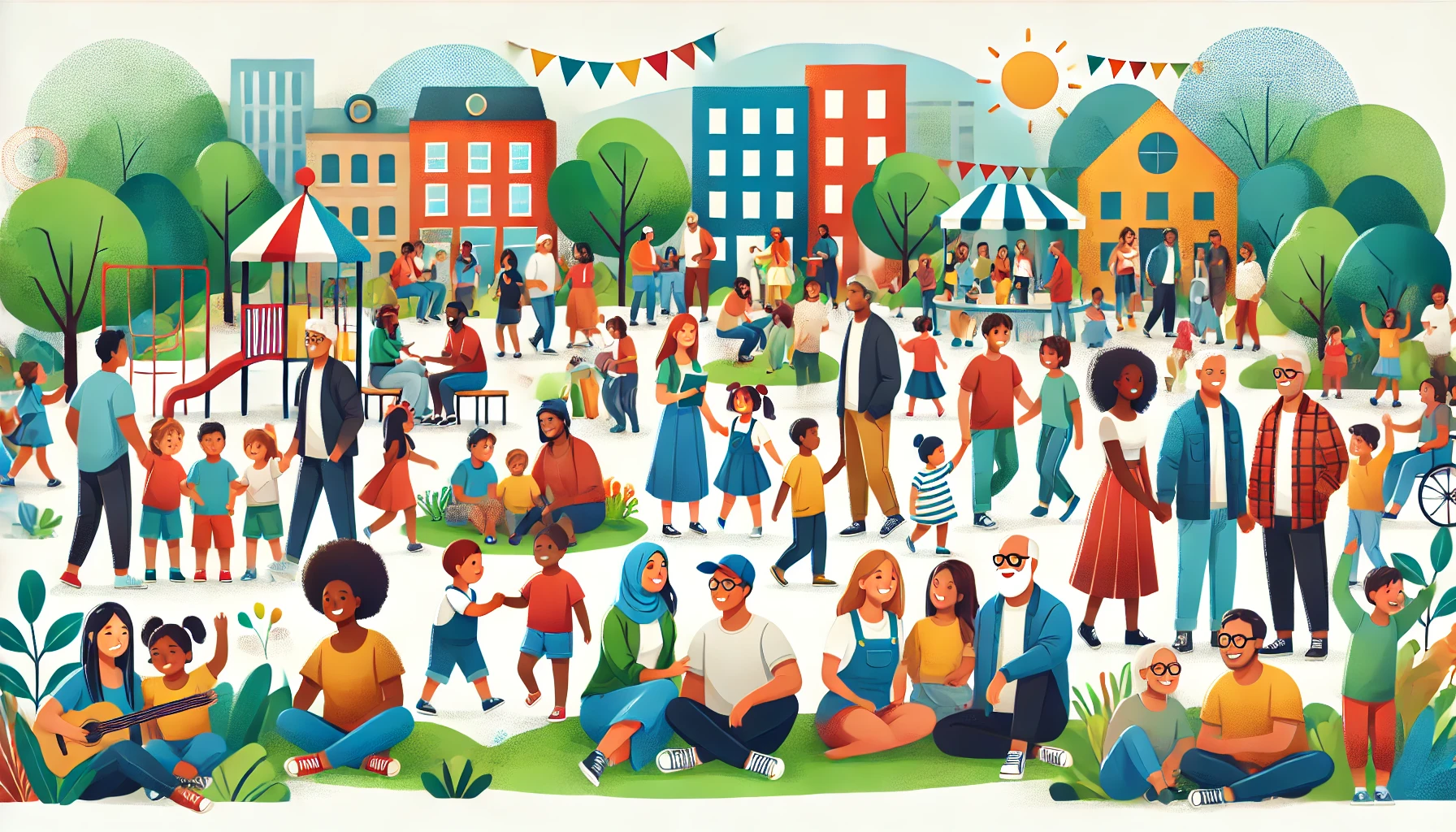
A diverse group of people in a vibrant community setting, showcasing unity, inclusivity, and a sense of belonging and togetherness.

One of the most notable changes in the DSM 5 TR is the use of the term ‘racialized’ instead of ‘race/racial’. This shift highlights the socially constructed nature of race, moving away from the outdated notion that race is a biological fact.

Recognizing race as a social construct allows mental health professionals to understand how societal contexts influence individual experiences and mental health outcomes. This understanding is crucial for accurate diagnosis and effective treatment.

Ethnoracial Categories

The DSM 5 TR introduces the term ‘ethnoracial’ to denote U.S. Census categories such as Hispanic, White, or African American. These categories combine ethnic and racial identifiers, providing a more comprehensive understanding of individuals’ identities. This approach acknowledges the complex interplay between ethnicity and race, which is essential for understanding the unique mental health challenges faced by different groups.

  • Hispanic/Latino/Latinx: Recognizes the diversity within the Hispanic community, including gender-inclusive terms like ‘Latinx’.

  • African American/Black: Considers the historical and contemporary experiences of racism and its impact on mental health.

  • Asian American: Addresses the specific mental health issues related to experiences of racism and cultural expectations.

Moving Away from ‘Minority’ and ‘Non-White’

The terms ‘minority’ and ‘non-White’ have long been used to describe groups in relation to a presumed majority, reinforcing power dynamics and social hierarchies.

The DSM 5 TR’s decision to avoid these terms represents a significant step toward more equitable language. This shift encourages mental health professionals to view all individuals as part of a diverse spectrum rather than deviations from a norm.

  • Empowering Language: Uses terms that respect and acknowledge individuals’ identities without perpetuating hierarchies.

  • Inclusive Terminology: Promotes a more inclusive and accurate understanding of diverse populations.

Gender-Inclusive Language

In an effort to promote inclusivity, the DSM 5 TR adopts the term ‘Latinx’ instead of Latino/Latina. This gender-neutral term respects the diverse gender identities within the Latin community and encourages a broader understanding of cultural and social factors influencing mental health. Such changes reflect a commitment to inclusivity and cultural competence in mental health care.

Shedding ‘Caucasian’

The term ‘Caucasian’ has historically been used to describe White individuals based on outdated and inaccurate notions of race. The DSM 5 TR’s decision to discontinue its use is a move towards more accurate and respectful terminology.

By rejecting this term, the DSM emphasizes the importance of using language that reflects current understandings of race and ethnicity, avoiding outdated concepts that no longer serve a purpose in modern mental health care.

Addressing Misdiagnosis in Oppressed Groups

Misdiagnosis is a significant risk for individuals from socially oppressed ethnoracial groups. The DSM 5 TR acknowledges this risk and emphasizes the need for careful and culturally informed evaluations.

This approach aims to reduce the likelihood of misdiagnosis, ensuring that individuals receive appropriate and effective treatment based on a thorough understanding of their cultural and social contexts.

The Risk of Misdiagnosis

A diverse person sitting in a cozy therapy setting, engaging in a conversation with a social worker. The scene reflects empathy, trust, and understanding, highlighting the importance of inclusive and supportive social work practices.

Individuals from marginalized communities are at a higher risk of being misdiagnosed due to cultural misunderstandings and biases. For example, expressions of distress may differ across cultures, leading to incorrect diagnoses if not properly understood. The DSM 5 TR encourages mental health professionals to consider cultural factors in their evaluations to avoid these pitfalls.

  • Cultural Competence: Mental health professionals must be trained to understand and respect cultural differences in expressions of distress and symptoms.

  • Comprehensive Assessments: Incorporate cultural and social contexts into mental health evaluations to ensure accurate diagnoses.

Case Studies: Real-World Impact

To illustrate the impact of these changes, let’s look at some real-world examples:

  • Case Study 1: African American Youth: A study found that African American youth exposed to racial discrimination had higher rates of anxiety and depressive symptoms. Understanding the role of racism as a stressor helped in developing targeted interventions.

  • Case Study 2: Latinx Community: Experiences of discrimination in the Latinx community were linked to higher rates of depression. Incorporating cultural competence in treatment plans improved outcomes.

  • Case Study 3: Asian American Adults: Asian American adults reported higher levels of PTSD symptoms due to racism. Culturally informed care helped address these issues more effectively.

Agents of Change packages include 30+ ASWB topics, 2 free study groups per month, and hundreds of practice questions so you’ll be ready for test day!

2) The Impact of Racism and Discrimination on Mental Disorders

The intersection of racism, discrimination, and mental health is complex and multifaceted. The DSM 5 TR sheds light on how these societal issues contribute to mental disorders, emphasizing the need for culturally informed care.

Understanding this impact involves examining historical context, recognizing racism as a chronic stressor, and analyzing the specific mental health outcomes of discrimination.

Historical Context and Its Legacy

The history of racism and discrimination in the United States has left deep scars on the mental health of marginalized communities. For decades, systemic racism has created barriers to accessing quality mental health care, leading to significant disparities in mental health outcomes.

  • Segregated Care: Historically, mental health facilities were segregated, with people of color receiving substandard care compared to their White counterparts.

  • Mistrust of Medical Institutions: Past abuses, such as the Tuskegee Syphilis Study, have fostered a deep mistrust of medical institutions among communities of color.

  • Lack of Representation: The underrepresentation of ethnoracial minorities in mental health research and clinical trials has led to a lack of culturally relevant data and treatment approaches.

Racism as a Chronic Stressor

Racism is not just a one-time event but a chronic stressor that can have profound effects on mental health. The constant exposure to discrimination, microaggressions, and systemic inequalities contributes to a range of mental health issues.

Chronic Stress and Mental Health

An African American client dealing with chronic stress, engaged in a conversation with a therapist in a comfortable and inviting therapy room. The scene highlights empathy and support in a safe environment, emphasizing the importance of addressing mental health with care and understanding.

Chronic stress from racism can lead to a variety of mental health problems, including:

  • Anxiety Disorders: Persistent fear and worry resulting from racial discrimination can develop into generalized anxiety disorder or social anxiety disorder.

  • Depression: Ongoing experiences of racism and discrimination can lead to feelings of hopelessness and worthlessness, which are core symptoms of depression.

  • Post-Traumatic Stress Disorder (PTSD): Repeated exposure to racial trauma can result in PTSD, with symptoms such as flashbacks, nightmares, and severe anxiety.

Microaggressions and Their Effects

Microaggressions, or subtle and often unintentional discriminatory comments or behaviors, can accumulate over time and significantly impact mental health.

  • Psychological Impact: Microaggressions can cause feelings of alienation, invalidation, and frustration.

  • Physiological Impact: The stress response triggered by microaggressions can lead to physical health issues, such as hypertension and cardiovascular problems.

Discrimination and Its Effects

Discrimination affects mental health by creating environments of fear, mistrust, and hostility. These experiences can lead to various mental health issues and affect individuals’ overall well-being.

Social and Environmental Stressors

Discrimination manifests in various forms, including social and environmental stressors that impact mental health.

  • Workplace Discrimination: Experiences of discrimination in the workplace can lead to job dissatisfaction, decreased productivity, and mental health issues such as anxiety and depression.

  • Housing Discrimination: Discriminatory practices in housing can result in unstable living conditions, which contribute to stress and mental health problems.

  • Educational Discrimination: Unequal educational opportunities and discriminatory practices in schools can affect the mental health and academic performance of students from marginalized communities.

Internalized Racism

Internalized racism occurs when individuals from marginalized communities internalize negative societal beliefs about their own race or ethnicity. This internalization can lead to various mental health issues.

  • Low Self-Esteem: Believing negative stereotypes can lead to diminished self-worth and self-esteem.

  • Identity Crisis: Struggling to reconcile one’s identity with societal expectations can result in confusion and distress.

  • Self-Destructive Behaviors: Internalized racism can lead to behaviors that harm one’s physical and mental health, such as substance abuse.

Case Studies: The Real-World Impact

To better understand the impact of racism and discrimination on mental disorders, let’s explore some real-world examples:

Case Study 1: African American Youth and Anxiety

A study found that African American youth exposed to racial discrimination had higher rates of anxiety and depressive symptoms. The constant stress of navigating a racially biased society took a toll on their mental health, leading to significant challenges in their daily lives.

  • Social Isolation: Fear of discrimination can lead to social withdrawal and isolation.

  • Academic Performance: Anxiety and depression can negatively impact academic performance and school attendance.

Case Study 2: Latinx Community and Depression

In the Latinx community, experiences of discrimination were linked to higher rates of depression. The fear of deportation, language barriers, and economic instability exacerbated the mental health struggles of many individuals within this group.

  • Family Stress: Concerns about family separation and immigration status can cause significant stress and anxiety.

  • Economic Hardship: Economic instability and job insecurity contribute to depression and anxiety.

Case Study 3: Asian American Adults and PTSD

Asian American adults who experienced racism reported higher levels of PTSD symptoms. The historical trauma of exclusionary policies, coupled with contemporary discrimination, contributed to ongoing mental health issues.

  • Cultural Stigma: Cultural stigma around mental health can prevent individuals from seeking help.

  • Intergenerational Trauma: The trauma experienced by previous generations can affect the mental health of subsequent generations.

Learn more additional tips and tricks for the ASWB exam and get hundreds of practice questions with Agents of Change!

3) Strategies for Culturally Competent Care

Providing culturally competent care is essential for addressing the unique mental health needs of diverse populations. Culturally competent care involves understanding and respecting the cultural backgrounds, values, and experiences of clients, and incorporating this understanding into all aspects of mental health care. 

Educating Mental Health Professionals

Ongoing education and training in cultural competence are crucial for mental health professionals. This education should cover a wide range of topics, including cultural norms, communication styles, and the impact of racism and discrimination on mental health.

Cultural Awareness

Cultural awareness involves recognizing and appreciating the cultural differences that exist within and between groups. It is the first step toward providing culturally competent care.

  • Training Programs: Regular cultural competence training for all staff members.

  • Workshops and Seminars: Hosting educational events focused on different cultures and their specific mental health needs.

  • Cultural Immersion: Encouraging mental health professionals to engage with diverse communities to better understand their experiences.

Cultural Sensitivity

A community social worker interacting with members of a diverse community, respecting and participating in the community's traditions. The scene highlights mutual respect and cultural competence, showing the social worker engaged in traditional activities, fostering joy and connection within the community.

Cultural sensitivity refers to the ability to recognize and respect the cultural values and practices of clients. It involves being mindful of how cultural differences can affect the therapeutic process.

  • Respect for Traditions: Understanding and respecting clients’ cultural practices and beliefs.

  • Avoiding Assumptions: Refraining from making assumptions about clients based on their cultural background.

  • Empathetic Communication: Using language and communication styles that are respectful and considerate of cultural differences.

Cultural Humility

Cultural humility is an ongoing process of self-reflection and self-critique, recognizing one’s own cultural biases and working to overcome them. It involves acknowledging the limits of one’s own cultural understanding and being open to learning from clients.

  • Self-Reflection: Encouraging mental health professionals to reflect on their own cultural biases and how these might impact their work.

  • Client-Led Learning: Valuing clients as experts on their own cultural experiences and learning from their insights.

  • Adaptability: Being willing to adapt therapeutic approaches based on the cultural context of the client.

Building Trust with Marginalized Communities

Trust is a critical component of effective mental health care. Building trust with marginalized communities requires consistent, respectful, and culturally informed interactions.

Community Engagement

Engaging with communities on their terms and participating in community activities can help build trust and rapport.

  • Community Events: Participating in or hosting events within the community.

  • Collaborative Projects: Working with community leaders on projects that address mental health needs.

  • Outreach Programs: Developing programs that bring mental health services directly to the community.

Transparent Communication

Transparent communication involves being open, honest, and clear with clients about all aspects of their care.

  • Informed Consent: Ensuring that clients fully understand their treatment options and the potential risks and benefits.

  • Honest Dialogue: Encouraging open discussions about clients’ concerns and questions.

  • Feedback Mechanisms: Providing opportunities for clients to give feedback on their care and making adjustments based on this feedback.

Advocacy and Systemic Change

Advocating for systemic change is a key part of addressing the impact of racism and discrimination on mental health. Mental health professionals can work to influence policies and practices that promote equity and inclusivity.

Policy Advocacy

Advocating for policies that address systemic racism and promote mental health equity is essential for creating lasting change.

  • Anti-Discrimination Legislation: Supporting laws and policies that combat discrimination in all forms.

  • Mental Health Funding: Advocating for increased funding for mental health services in marginalized communities.

  • Educational Reform: Pushing for changes in the education system to include comprehensive cultural competence training.

Institutional Change

Promoting change within mental health institutions is necessary to create environments that support culturally competent care.

  • Diverse Hiring Practices: Ensuring that mental health organizations hire a diverse staff that reflects the communities they serve.

  • Cultural Competence Policies: Implementing policies that promote cultural competence in all aspects of care.

  • Accountability Measures: Establishing mechanisms to hold institutions accountable for providing culturally competent care.

Supportive Interventions

Implementing supportive interventions can help individuals from marginalized communities access and benefit from mental health services.

Culturally Adapted Therapies

Adapting therapeutic approaches to fit the cultural context of the client can enhance the effectiveness of mental health interventions.

  • Tailored Treatment Plans: Developing treatment plans that incorporate clients’ cultural beliefs and practices.

  • Culturally Relevant Techniques: Using therapeutic techniques that resonate with clients’ cultural backgrounds.

  • Bilingual Services: Offering therapy and support in clients’ preferred languages.

Support Groups

Support groups for individuals who have experienced racism and discrimination can provide a safe space to share experiences and receive support.

  • Peer Support: Facilitating connections with others who have similar experiences.

  • Coping Strategies: Teaching effective coping strategies for dealing with racism and discrimination.

  • Resource Sharing: Providing information about resources and services available to support mental health.

Monitoring and Evaluation

Monitoring and evaluating the effectiveness of culturally competent care initiatives are crucial for continuous improvement.

Client Feedback

Collecting and analyzing feedback from clients can provide valuable insights into the effectiveness of culturally competent care.

  • Surveys and Questionnaires: Using tools to gather client feedback on their experiences with mental health services.

  • Focus Groups: Conducting focus groups with clients to discuss their experiences and identify areas for improvement.

  • Ongoing Communication: Maintaining open lines of communication with clients to continually assess their needs and preferences.

Outcome Measurements

Measuring outcomes can help determine the impact of culturally competent care on mental health.

  • Mental Health Outcomes: Tracking changes in clients’ mental health status over time.

  • Service Utilization: Monitoring the use of mental health services by clients from different cultural backgrounds.

  • Client Satisfaction: Assessing clients’ satisfaction with the care they receive.

4) FAQs – The Impact of Racism and Discrimination on Mental Disorders

Q: What is culturally competent care and why is it important in mental health?

A: Culturally competent care refers to the ability of healthcare providers to understand, respect, and address the unique cultural needs and backgrounds of their patients. In mental health, culturally competent care is crucial because it ensures that individuals from diverse ethnoracial backgrounds receive appropriate and effective treatment.

This type of care recognizes the impact of cultural values, beliefs, and experiences on mental health, which can significantly influence the diagnosis, treatment, and outcomes of mental health services. By providing culturally competent care, mental health professionals can reduce disparities, improve patient satisfaction, and enhance the overall quality of care for marginalized communities.

Q: How does racism act as a chronic stressor, and what are its effects on mental health?

A: Racism acts as a chronic stressor by subjecting individuals to persistent and pervasive discrimination, microaggressions, and systemic inequalities. This ongoing exposure to racism can lead to a variety of mental health problems.

Chronic stress from racism can manifest as anxiety disorders, depression, and even PTSD. The constant need to navigate a racially biased society creates a high level of psychological distress, which can result in feelings of hopelessness, low self-esteem, and social isolation.

Recognizing racism as a chronic stressor in mental health care is essential for developing targeted interventions and providing support to those affected.

Q: What strategies can mental health professionals use to build trust with marginalized communities?

A: Building trust with marginalized communities involves several key strategies:

  • Community Engagement: Mental health professionals should actively participate in community events and collaborate with local leaders to show their commitment and build rapport.

  • Transparent Communication: Being open, honest, and clear about all aspects of care helps to build trust. This includes explaining treatment options, risks, and benefits in a way that is easily understood.

  • Culturally Competent Care: Providing care that respects and incorporates the cultural values and experiences of clients demonstrates sensitivity and understanding, which fosters trust.

  • Outreach Programs: Developing programs that bring mental health services directly to the community can make care more accessible and show that providers are willing to meet clients where they are.

  • Feedback Mechanisms: Encouraging and acting on client feedback shows that mental health professionals value their clients’ experiences and are committed to improving care based on their needs.

By implementing these strategies, mental health professionals can create a more inclusive and supportive environment that promotes trust and engagement with marginalized communities.

5) Conclusion

The DSM 5 TR updates, highlighting the impact of racism and discrimination on mental disorders, marks a transformative step in the field of mental health by acknowledging the deep-seated effects of societal issues on mental well-being.

By shifting to more inclusive and accurate language, such as ‘racialized’ and ‘ethnoracial,’ and discarding outdated terms like ‘Caucasian,’ the DSM 5 TR sets a new standard for cultural competence in mental health care. These changes highlight the importance of considering the social construction of race and the unique challenges faced by marginalized communities, paving the way for more equitable and effective mental health services.

Understanding the profound impact of racism and discrimination on mental health requires a comprehensive approach that includes educating mental health professionals, building trust within communities, and advocating for systemic changes.

Racism acts as a chronic stressor that can lead to anxiety, depression, and PTSD, while discrimination in various forms contributes to social and environmental stressors that exacerbate mental health issues. By addressing these factors, mental health professionals can better support individuals from diverse backgrounds and mitigate the adverse effects of racism and discrimination on their mental health.


► Learn more about the Agents of Change course here: https://agentsofchangeprep.com

About the Instructor, Meagan Mitchell: Meagan is a Licensed Clinical Social Worker and has been providing individualized and group test prep for the ASWB for over 7 years. From all of this experience helping others pass their exams, she created the Agents of Change course to help you prepare for and pass the ASWB exam!

Find more from Agents of Change here:

► Facebook Group: https://www.facebook.com/groups/aswbtestprep

► Podcast: https://podcasters.spotify.com/pod/show/agents-of-change-sw

#socialwork #testprep #aswb #socialworker #socialwork #socialworktest #socialworkexam #exam #socialworktestprep #socialworklicense #socialworklicensing #licsw #lmsw #lcsw #aswbexam #aswb #lcswexam #lmswexam #aswbtestprep #aswbtest #lcswtestprep #lcswtest #lmswtestprep #lmswtest #aswbcourse #learningstyles #learningstyle

Disclaimer: This content has been made available for informational and educational purposes only. This content is not intended to be a substitute for professional medical or clinical advice, diagnosis, or treatment

Share:

Discover more from Agents of Change

Subscribe now to keep reading and get access to the full archive.

Continue reading