Welcome to the ultimate guide to improving your memory and information recall for the ASWB exam! This guide is your roadmap to mastering the art of memory and recall, tailored specifically for the ASWB exam. It’s more than just memorizing; it’s about strategically embedding that knowledge into your brain’s fabric so that it comes to you effortlessly.
We understand that every individual’s memory works differently, and there’s no one-size-fits-all method. That’s why we’ve compiled a diverse range of tactics – from mnemonics to lifestyle changes, active learning to time management – ensuring that there’s something here for everyone. Whether you’re a visual learner or someone who prefers auditory cues, our guide is designed to cater to your unique learning style.
Learn more about the ASWB exam and create a personalized ASWB study plan with Agents of Change. We’ve helped thousands of Social Workers pass their ASWB exams and want to help you be next!
1) Understanding Memory: More Than Just Remembering
The Complex Layers of Memory
- Short-Term Memory: Think of short-term memory as your brain’s notepad. It temporarily holds information you’re thinking about or are aware of. This memory type is like a fleeting storage space with limited capacity, usually holding information for less than a minute. It’s the kind of memory that allows you to remember a phone number long enough to dial it.
- Long-Term Memory: This is where your brain stores information over extended periods, from days to decades. Long-term memory is like a vast library, housing everything from your deepest emotions about an event to the procedural memory of riding a bike or the declarative memory of historical facts.
- Working Memory: Working memory is the active part of your memory system. It’s like a mental workspace where information from both short-term and long-term memory is brought together, manipulated, and used. For example, when solving a complex problem, your working memory is at play, juggling and rearranging information to find a solution.
The Encoding Process
Understanding memory also means understanding the encoding process – how your brain turns a piece of information into a construct that can be stored and recalled later. This process can be influenced by several factors:
- Attention: Focusing on specific information makes it more likely to be remembered. During study sessions, distractions can hinder this process, making it harder for information to reach long-term memory.
- Understanding: Higher levels of understanding and comprehension enable better encoding. It’s not just about reading the material; it’s about grasping the ‘why’ and ‘how’ behind it.
- Emotional Connection: Information tied to emotions, whether it’s excitement, humor, or surprise, is more likely to be remembered. This is why creating interesting and engaging study sessions can be so effective.
Strengthening Memory
How can you make these processes work for you in preparing for the ASWB exam? Here are some key strategies:
- Repetition and Review: Regular review and repetition of material help transfer information from short-term to long-term memory. This doesn’t mean mere rote learning; it involves revisiting the material at spaced intervals and connecting it with what you already know.
- Organized Learning: Structuring and organizing the material to be learned can significantly aid memory. Creating outlines, grouping similar concepts, or breaking down complex information into simpler parts can make the learning process more efficient. Agents of Change helps you organize your learning into digestible chunks!
- Elaborative Rehearsal: This involves thinking about the meaning of the information and making connections between the new information and what you already know. For instance, when studying for the ASWB exam, relate new theories or concepts to real-life situations or case studies.
- Mnemonic Devices: These are memory aids or tricks that help you encode and recall information more easily. They can be acronyms, visual images, rhymes, or even songs.
2) Strategies for the ASWB Exam
Embracing Active Learning
Active learning is a dynamic and interactive approach to studying that involves engaging with the material on a deeper level, rather than passively reading or listening. Here’s how you can implement active learning in your study routine:
- Practice Tests: One of the most effective ways to prepare for the ASWB exam is through practice tests. These not only familiarize you with the format and types of questions but also help in identifying areas where you need more focus. Timed practice tests can also help you manage your time more effectively during the actual exam. Agents of Change offers 3 full-length practice exams here.
- Group Study Sessions: Studying in a group can be beneficial, especially if each member brings unique insights or knowledge to the table. Engaging in discussions, explaining concepts to each other, and challenging each other’s understanding can deepen your grasp of the material. All Agents of Change programs include 2 live study groups per month.
- Teaching Concepts: They say the best way to learn is to teach. Try explaining the concepts you’ve learned to someone else, or even pretend as if you are teaching a class. This not only reinforces your knowledge but also helps in identifying any gaps in your understanding.
Learn more about Active Learning and Reading
Time Management Techniques
Time management is crucial in the lead-up to the exam. Here are some tips to effectively manage your time:
- Structured Study Plan: Create a detailed study plan that covers all the topics in the syllabus and stick to it. Break down your study material into manageable sections and allocate specific times to each, ensuring a balanced approach.
- Pomodoro Technique: Use the Pomodoro technique or similar methods to enhance focus and prevent burnout. This involves studying for a set period (like 25 minutes), followed by a short break, and then repeating the cycle.
- Early Preparation: Begin your preparation well in advance. This avoids the need for last-minute cramming, which is less effective for long-term memory retention.
Learn more about Time Management techniques for the ASWB exam
Customizing Study Techniques
- Flashcards: Flashcards can be a powerful tool for memorization, especially for key terms and concepts. They promote active recall, a process in which you stimulate your memory during the learning process.
- Mind Maps: Use mind maps to organize information visually. This helps in better understanding and remembering the relationships between different concepts.
- Summarization: Summarizing the material in your own words helps in consolidating your understanding and recall. This could be in the form of notes, diagrams, or even voice recordings.
- Application-Based Learning: Whenever possible, apply your knowledge to real-world scenarios or case studies. This not only deepens understanding but also prepares you for the application-based questions on the ASWB exam.
Dealing with Anxiety and Stress
Exam preparation often comes with its share of anxiety and stress. Managing these effectively is as important as mastering the study material:
- Regular Breaks and Relaxation Techniques: Ensure you take regular breaks to avoid burnout. Techniques such as meditation, deep breathing, or even a short walk can help in reducing stress.
- Healthy Lifestyle Choices: Maintain a healthy diet and regular exercise routine. A healthy body contributes to a healthy and more efficient mind.
- Adequate Sleep: Don’t compromise on sleep. A well-rested mind is more efficient in learning and recalling information.
Learn more additional tips and tricks for the ASWB exam and get hundreds of practice questions with Agents of Change!
3) Leveraging Technology and Resources for Effective Study
Leveraging the right digital tools and resources is important for effective studying. Platforms like Agents of Change (www.agentsofchangeprep.com) demonstrate how technology can be harnessed to enhance learning experiences for Social Work students.
Agents of Change stands out with its multi-modal teaching approach, addressing various learning styles. This approach incorporates a mix of video, audio, and visual resources, catering to different preferences and needs. Their video content breaks down complex topics into digestible segments, making learning more engaging and less overwhelming. Similarly, audio resources allow for learning on-the-go, perfect for busy students who can listen to lectures while commuting or during breaks.
What makes Agents of Change particularly effective is its combination of these digital resources with interactive learning opportunities. The platform offers 2 monthly live study groups, allowing students to engage directly with educators and peers. These sessions not only clarify doubts but also provide a community feel, which can be incredibly motivating during the sometimes solitary journey of exam preparation.
The platform includes 100’s of realistic practice questions. These questions familiarize students with the format and type of questions to expect in the ASWB exam and also help in applying theoretical knowledge to practical scenarios.
Incorporating technology-enhanced learning resources into your study plan can elevate your preparation. Agents of Change, with its comprehensive and user-friendly platform, stands as an example of how digital tools can be effectively used to prepare for the ASWB exam.
Get 100’s of practice questions, answers, and rationales with Agents of Change.
4) FAQs – Improving Memory and Information Recall for ASWB Exam
Q: How can I balance my study time with other commitments while preparing for the ASWB exam?
A: Balancing study time with other life commitments is a common challenge for ASWB exam candidates. The key is to create a realistic and flexible study schedule. Start by assessing your weekly routine and identifying pockets of time that can be dedicated to studying. Prioritize your tasks and use tools like digital calendars or apps to keep track of your schedule.
Also, remember the importance of short, focused study sessions – quality often trumps quantity. Don’t forget to integrate breaks and time for relaxation to prevent burnout. If possible, try to delegate or postpone less critical responsibilities during your peak study periods.
Learn More: Balancing Work, My Masters Program, And Studying For ASWB Exam
Q: What are the most effective memory techniques for retaining vast amounts of information for the ASWB exam?
A: Effective memory techniques for retaining large amounts of information include the use of mnemonics, which are memory aids that help in organizing and remembering information. For example, creating acronyms, rhymes, or associations with familiar concepts can make recall easier.
Another powerful technique is spaced repetition, where you review the material at increasing intervals over time. Visualization and storytelling are also effective, as they transform abstract information into more concrete, memorable formats. Additionally, teaching the material to someone else or discussing it in study groups can reinforce your learning and uncover areas that need more attention.
Q: How can I ensure that my study materials for the ASWB exam are up-to-date and relevant?
A: Ensuring that your study materials are up-to-date and relevant is crucial for the ASWB exam. Start by checking the official ASWB website for the most current exam content outlines and any updates or changes in the exam format. It’s also beneficial to use reputable sources for study materials, such as well-known textbooks, academic journals, and trusted online platforms like Agents of Change.
Joining study groups or online forums can also provide insights into the latest study resources and strategies. Additionally, attending workshops or webinars led by experienced professionals in the field can offer current and practical insights into the exam content and preparation techniques.
5) Conclusion
By understanding the intricacies of memory and actively employing effective study techniques, you’re setting the stage for success. Remember, it’s not just about memorizing facts; it’s about integrating knowledge into your thought process, making it a part of you. Utilizing resources like Agents of Change, with its multi-modal approach, can significantly enhance this learning experience, offering a well-rounded and interactive platform that caters to various learning styles.
The journey towards acing the ASWB exam is also about balance and personal well-being. Managing your time effectively, handling stress, and maintaining a healthy lifestyle are as crucial as the study itself.
Learn more about the ASWB exam and create a personalized ASWB study plan with Agents of Change. We’ve helped thousands of Social Workers pass their ASWB exams and want to help you be next!
► Learn more about the Agents of Change course here: https://agentsofchangeprep.com
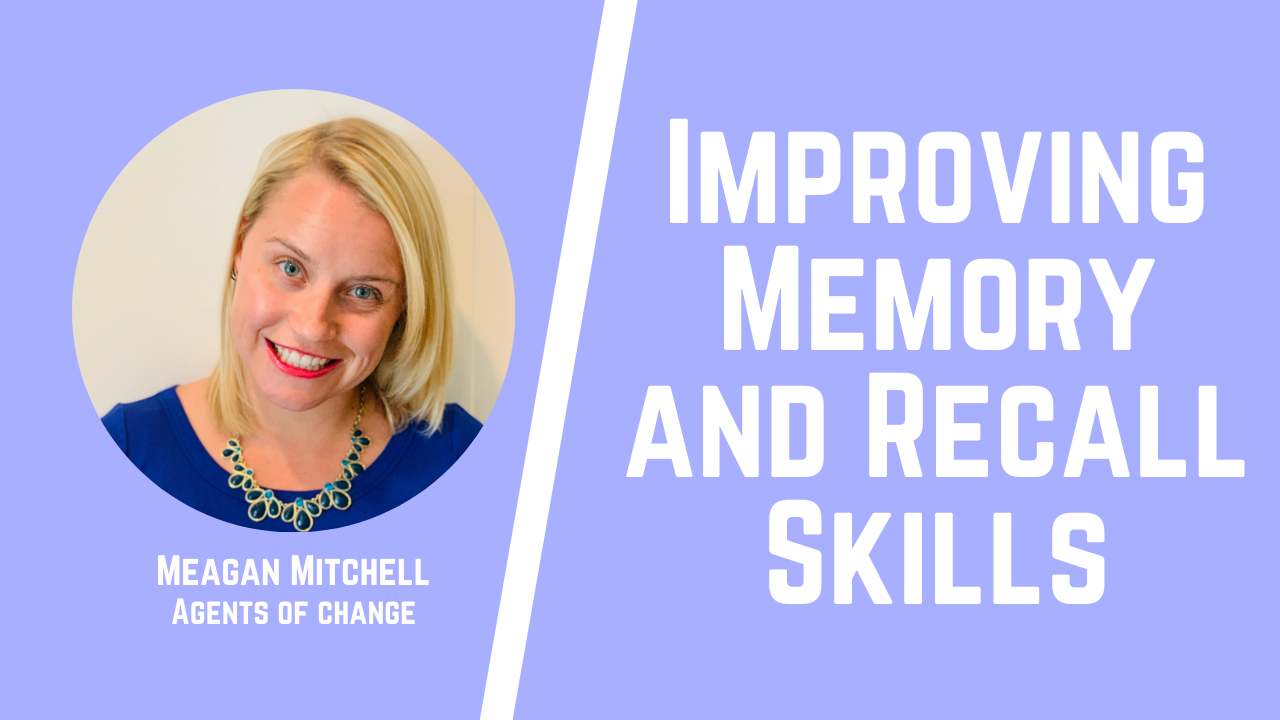
About the Instructor, Meagan Mitchell: Meagan is a Licensed Clinical Social Worker and has been providing individualized and group test prep for the ASWB for over five years. From all of this experience helping others pass their exams, she created the Agents of Change course to help you prepare for and pass the ASWB exam!
Find more from Agents of Change here:
► Facebook Group: https://www.facebook.com/groups/aswbtestprep
► Podcast: https://anchor.fm/agents-of-change-sw
#socialwork #testprep #aswb #socialworker #socialwork #socialworktest #socialworkexam #exam #socialworktestprep #socialworklicense #socialworklicensing #licsw #lmsw #lcsw #aswbexam #aswb #lcswexam #lmswexam #aswbtestprep #aswbtest #lcswtestprep #lcswtest #lmswtestprep #lmswtest #aswbcourse #learningstyles #learningstyle
Disclaimer: This content has been made available for informational and educational purposes only. This content is not intended to be a substitute for professional medical or clinical advice, diagnosis, or treatment