Social workers, counselors, and therapists are all professionals who help people in their communities. They work in a variety of settings, including schools, hospitals, recovery facilities, and government agencies. The following information explains the similarities and differences between these professionals and the types of licensure that an individual in each area can receive.
Social Worker vs Counselor vs Therapist – Similarities
Social workers, counselors, and therapists are all trained to help people and make a difference in their lives. In each of these professions, an individual may be working with individuals, groups of individuals, or families. Degrees and licensing in therapy, counseling, and social work will prepare a person to make a positive difference in the lives of the people and communities they work with.

Salaries are generally similar in each field:
- Social workers had a median salary of $50,390 in 2021
- School and career counselors had a median pay of $60,510
- Marriage and family therapists had an annual income of $49,880
Salaries will vary, however, depending on factors such as if a person holds a bachelor’s, master’s or doctorate. Additionally, salaries will vary (often substantially) by location.
Similarities between these professions also include how long it generally takes to receive a degree in each area. For example, completing a master’s program in either social work or counseling will normally take between one and two years if a person is attending full-time. It will take approximately three years if an individual is working part-time for each degree. Each type of degree is available online as well. Areas of study will typically also have internships and practicums to complete.
Another similarity is that each profession will require an undergraduate degree before beginning a Master’s program. All programs will likely require supervised postgraduate work before the individual is licensed. When practicing in each of these professions, services may be third-party reimbursable. This means that when fees charged by the professional in social work, counseling, or therapy are reimbursed by the client’s insurance.
Social Worker vs Counselor vs Therapist – Differences
Social Workers, counselors, and therapists are trained to accomplish their goals in different ways. Usually, counselors will work with individuals directly, while social workers may also help people and communities in more indirect ways. Sometimes, degrees in social work and counseling have areas that overlap, but each one often has different specializations. For example, social workers might focus on criminal justice, while a counselor might receive a degree with an emphasis on mental health or child psychology.

Counselors focus on helping their clients develop personal, professional, and family skills, while social workers often connect their clients with programs and resources in the community. Social workers can also help remove barriers hindering their success and influence public policy on a broader scale. Counselors typically work directly with individuals. They often focus on assisting people to develop personal coping skills.
A therapist’s work is different from a social worker and a counselor. Therapists will often put a heavier emphasis on psychological issues a person may be dealing with. A therapist will typically focus on more specific areas of a person’s life, such as professional or personal circumstances. The scope of both a counselor’s and a therapist’s professional duties is often more narrow or limited than those of a social worker.
Counselors and therapists will usually focus on behaviors or thought processes instead of factors in the individual’s community or larger environment. The finest line between all these professions may be between a clinical social worker and a therapist. This is because clinical social workers can diagnose psychological disorders and focus on mental health issues, similar to a therapist.
The difference between social workers and counselors and therapists also involves the type of license and accreditation they can receive. Different licenses will typically verify the experience and education level of the professional. Sometimes, licenses or certifications are in specialty areas. Most of these licenses will vary from state to state. Licenses that each of these professionals can receive will generally require at least a bachelor’s degree and often a master’s degree.
How to Choose Between Becoming a Social Worker, Counselor, or Therapist
Choosing between becoming a social worker, counselor, or therapist depends on your career goals, interests, and the type of impact you want to have on individuals or communities. While these professions share similarities, each career path focuses on different aspects of helping people. Understanding the differences in daily responsibilities, education requirements, and work environments can help you decide which profession is the best fit for you.
Below are several factors to consider when deciding which path to pursue.
1. Consider the Type of Work You Want to Do
One of the most important differences between these careers is how professionals help the people they serve.
Social Workers often address broader social issues and help individuals navigate systems and access resources. They may advocate for clients, coordinate services, or work to improve policies that affect communities.
Counselors typically work directly with individuals or groups to help them develop coping strategies, improve emotional well-being, and address life challenges.
Therapists generally focus more heavily on diagnosing and treating mental health conditions using various therapeutic techniques.
Think about whether you prefer:
-
Working directly with individuals on emotional and psychological issues
-
Helping people connect with resources and social services
-
Addressing larger systemic or community challenges
-
Providing structured mental health treatment and therapy
Your interests in these areas can help guide your decision.
2. Evaluate Educational Requirements
Each profession requires specific educational pathways and licensing requirements.
Social Work
-
Bachelor of Social Work (BSW) for entry-level positions
-
Master of Social Work (MSW) for clinical roles
-
Clinical licensure for diagnosing and providing therapy
Counseling
-
Master’s degree in counseling or a related field
-
Supervised clinical hours
-
State licensure, such as Licensed Professional Counselor (LPC)
Therapy
-
Master’s or doctoral degree in psychology, marriage and family therapy, or a related field
-
Extensive supervised clinical experience
-
State licensure depending on specialization
In general, counseling and therapy careers almost always require a master’s degree, while some social work positions can begin with a bachelor’s degree.
3. Think About Your Preferred Work Environment
Your ideal workplace can also influence which profession may be the best fit.
Common work settings for each career include:
Social Workers
-
Hospitals and healthcare systems
-
Government agencies
-
Community organizations
-
Child welfare or social service agencies
-
Schools
Counselors
-
Schools and universities
-
Mental health clinics
-
Rehabilitation centers
-
Private practices
-
Community mental health organizations
Therapists
-
Private practice offices
-
Mental health clinics
-
Hospitals
-
Group practices
-
Specialized treatment centers
If you are interested in policy work, social services, or community programs, social work may be a strong fit. If you prefer direct mental health treatment, counseling or therapy might align more closely with your goals.
4. Consider the Population You Want to Help
Many professionals in these fields choose their path based on the populations they want to serve.
You might want to work with:
-
Children and adolescents
-
Families and couples
-
Individuals with mental health conditions
-
People dealing with addiction or substance use
-
Individuals facing housing, employment, or financial challenges
For example:
-
School counselors often work with students and families.
-
Clinical social workers may support individuals facing mental health challenges or systemic barriers.
-
Marriage and family therapists focus on relationships and family dynamics.
5. Reflect on Your Long-Term Career Goals
Finally, consider how each career path aligns with your long-term goals.
Ask yourself questions such as:
-
Do I want to influence policy or advocate for social change?
-
Do I want to diagnose and treat mental health conditions?
-
Am I interested in opening a private practice in the future?
-
Do I prefer working one-on-one with clients or supporting communities at a systems level?
Each of these professions can lead to meaningful and rewarding careers. By considering the type of work you want to do, the education required, and the populations you hope to serve, you can make a more informed decision about whether social work, counseling, or therapy is the right path for you.
Job Outlook and Career Growth for Social Workers, Counselors, and Therapists
Social Worker vs Therapist vs Counselor – Licensing
Sometimes the careers of each of these professionals overlap. They might have titles such as Social Work Counseling or Child and Family Social Worker, but the licensing for each is different.
Social Workers Can Receive the Following Licenses:
- Licensed Baccalaureate of Social Work (LBSW)
- Licensed Master of Social Work (LMSW)
- Licensed Master Social Worker – Advanced Generalist (LMSW – AG)
- Licensed Clinical Social Worker (LCSW)
Areas Therapists Can Be Licensed In:
- Clinical Therapist
- Drug and Alcohol Therapist
- Family Therapist
- Pastoral Therapist
There Are a Variety of Licenses that Counselors Can Obtain:
- Licensed Professional Counselor (LPC)
- Licensed Mental Health Counselor (LMHC)
- Licensed Clinical Professional Counselor (LCPC)
- Licensed Clinical Mental Health Counselor (LCMHC)
- Licensed Mental Health Practitioner (LMHP)
- Licensed Professional Clinical Counselor of Mental Health (LPCC)
Interested in Beginning Your Social Work Career?
Agents of Change provides 10 free practice questions to help individuals prepare for their social work licensing exams. Agents of Change also offers a free podcast that can help individuals prepare for their social work exams as well as informative YouTube videos. Even if you aren’t 100% sure if Social Work is for you, take a listen or a watch: they may help you make the decision!
How Can Agents of Change Help?
Agents of Change provides social work prep materials and practice questions for individuals working on bachelor’s, master’s, and clinical social work degrees and licensure. Candidates need the appropriate visual and audio content, test-taking tips, and the strongest resources available to help them pass licensing exams.
Check out our Video on Social Worker vs. Counselor vs. Therapist
————————————————————————————————————————————————
► Learn more about the course here: https://agentsofchangeprep.com/
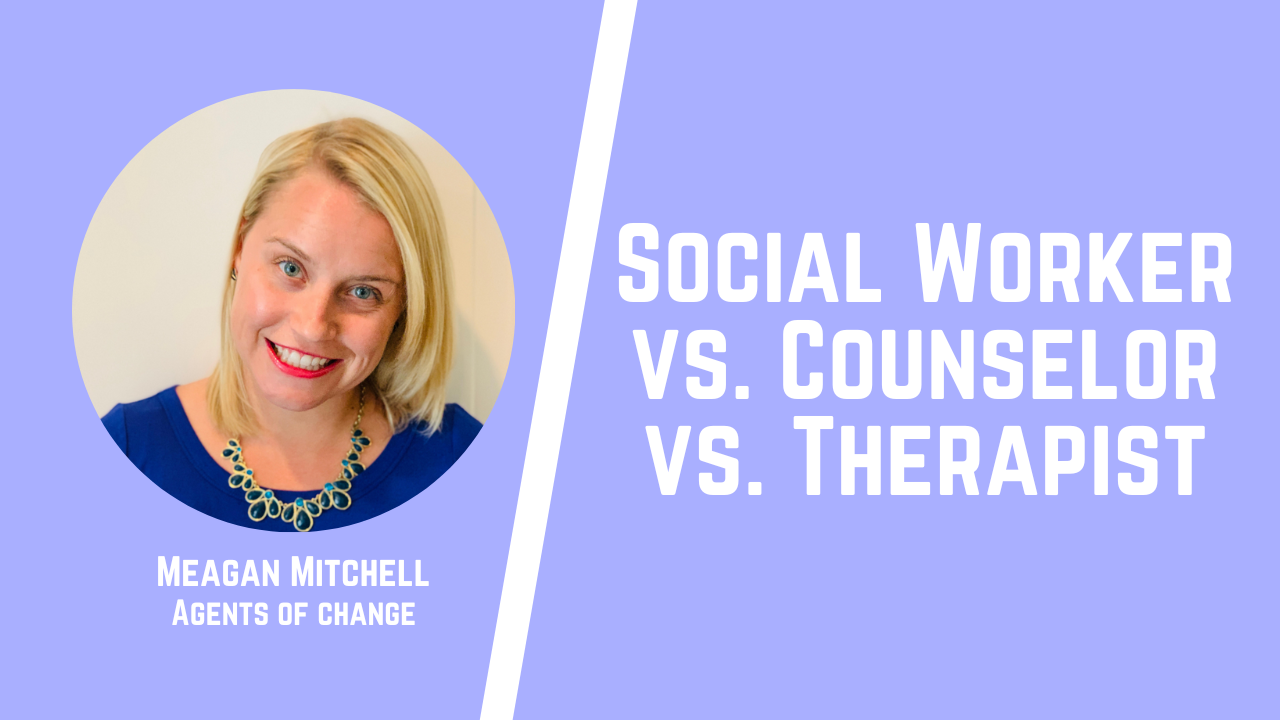
About the Instructor, Meagan Mitchell: Meagan is a Licensed Clinical Social Worker and has been providing individualized and group test prep for the ASWB for over five years. From all of this experience helping others pass their exams, she created the Agents of Change course to help you prepare for and pass the ASWB exam!
Find more from Agents of Change here:
► Facebook Group: https://www.facebook.com/groups/aswbtestprep
► Podcast: https://anchor.fm/agents-of-change-sw
#socialwork #testprep #aswb #socialworker #socialwork #socialworktest #socialworkexam #exam #socialworktestprep #socialworklicense #socialworklicensing #licsw #lmsw #lcsw #aswbexam #aswb #lcswexam #lmswexam #aswbtestprep #aswbtest #lcswtestprep #lcswtest #lmswtestprep #lmswtest #aswbcourse #learningstyles #learningstyle
Disclaimer: This content has been made available for informational and educational purposes only. This content is not intended to be a substitute for professional medical or clinical advice, diagnosis, or treatment