The Benefits of Internships in Social Work Education and ASWB Prep
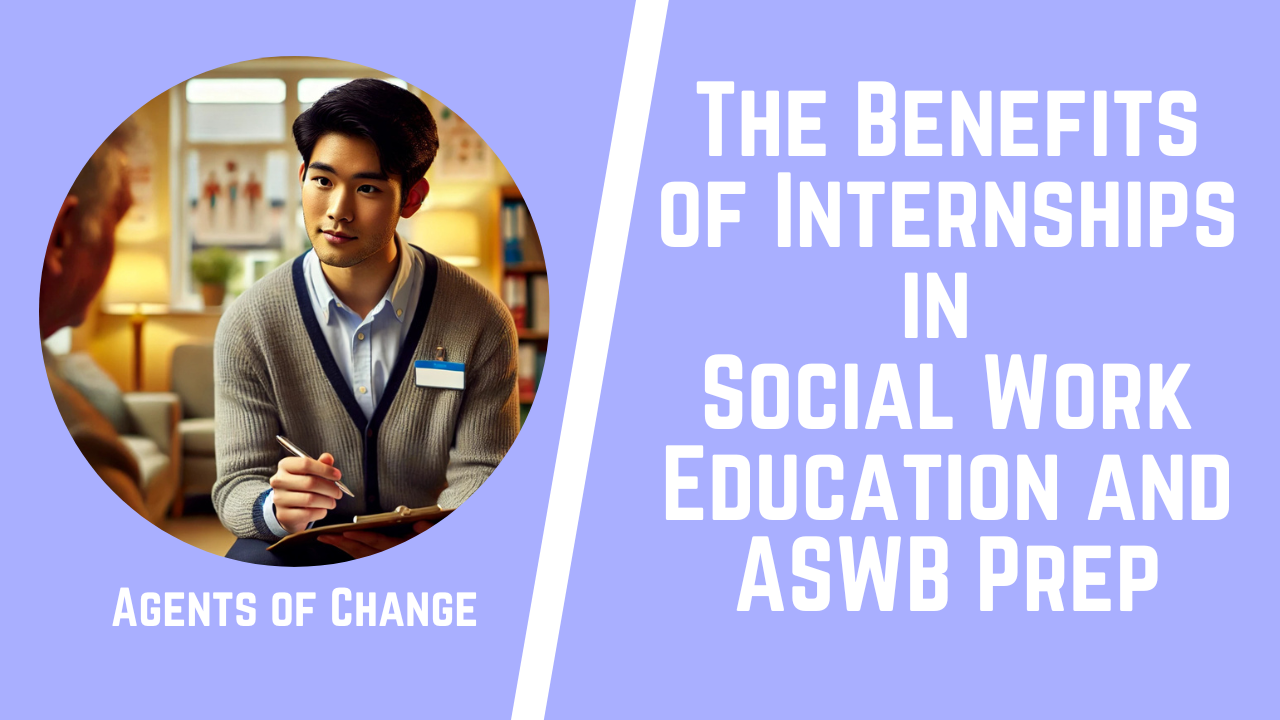
The Benefits of Internships in Social Work Education and ASWB Prep
Imagine stepping into the world of Social Work, where your knowledge goes beyond textbooks and lectures to include rich, real-life experiences that shape you into a well-rounded professional. This is the essence of integrating internships into Social Work education—a transformative journey that combines academic theory with practical, hands-on experiences.

As future Social Workers prepare to navigate the complexities of human behaviors and societal needs, internships serve as vital training grounds for applying classroom theories in real-world settings, providing a clearer understanding of the profession and its impacts.

Internships do more than just fulfill academic requirements; they offer a crucial peek into the daily lives and challenges faced by professional Social Workers. Through these experiences, students gain invaluable insights into client interactions, ethical decision-making, and the multifaceted nature of Social Work. Such real-world exposure is indispensable, especially for those gearing up for the Association of Social Work Boards (ASWB) exams, as it primes them with practical knowledge and scenarios that are often mirrored in the exams.

Learn more about the ASWB exam and create a personalized ASWB study plan with Agents of Change. We’ve helped thousands of Social Workers pass their ASWB exams and want to help you be next!

1) Why Internships Matter in Social Work Education

Internships are a pivotal part of Social Work education, bridging the gap between theoretical knowledge and practical expertise. They provide a foundation upon which students can build a robust understanding of Social Work, its challenges, and its impacts.

A diverse female Social Worker intern engaging with a group of teenagers in a high school setting

Below, we explore several reasons why these practical experiences are so crucial to developing effective, compassionate Social Workers.

Gaining Real-World Experience

Nothing can simulate the real-world scenarios that Social Workers face daily like an internship can. It’s here that students transition from theoretical to practical learning in diverse settings such as hospitals, schools, social service agencies, and community organizations. The benefits include:

  • Handling Real Caseloads: Interns might manage a reduced caseload under supervision, learning case management skills crucial for their future careers.
  • Applying Theory to Practice: Students can apply their classroom knowledge about human behavior, social policies, and research methods to solve real-life problems.
  • Navigating Professional Environments: Learning to operate within the organizational structure of a Social Work setting prepares students for their future job settings.

Developing Professional Skills

Internships in Social Work not only offer hands-on experience but also help in honing vital professional skills. These skills are often difficult to fully develop through coursework alone and include:

  • Communication Skills: Effective communication with clients, families, and other professionals is practiced and refined.
  • Ethical Decision-Making: Students encounter ethical dilemmas that are not easily resolved by textbooks alone. Internships provide a supervised setting for exploring these complex issues.
  • Critical Thinking: Tackling real-life challenges helps interns develop the ability to think on their feet and devise innovative solutions.

Enhancing Employability

The competitive nature of the job market means that new Social Workers need every advantage they can get. Internships provide several employability benefits, such as:

  • Professional Networking: Interns meet professionals who can offer guidance, mentorship, and job opportunities.
  • Resume Building: Real-world experience is highly attractive to potential employers and adds significant value to a resume.
  • Job Offers: Many organizations consider their interns as potential employees. Performing well during an internship can lead to job offers post-graduation.

Understanding Diverse Client Needs

Social Work serves a wide range of populations, and internships allow students to understand better the diverse needs of these groups through direct interaction. These experiences are critical for:

  • Cultural Competency: Working with diverse populations helps interns develop sensitivity to cultural differences and the various needs of different client groups.
  • Specialized Practices: Interns may work in specialized areas such as addiction, child welfare, or mental health, which helps them choose their future specialization based on informed experiences.

Facilitating Personal Growth

The challenges and rewards of Social Work internships also foster significant personal growth, which is vital for anyone entering a field as demanding as Social Work.

A diverse female Social Worker intern conducting a session with a group of elderly people in a community center.

Key areas of personal development include:

  • Resilience and Adaptability: Learning to manage stress and adapt to changing situations is crucial in Social Work.
  • Self-awareness: Interns gain insights into their strengths and areas for improvement, which is essential for professional growth.
  • Empathy and Compassion: Direct interaction with clients enhances an intern’s ability to empathize with others, a core component of effective Social Work.

Internships are more than just a graduation requirement in the field of Social Work. They are a critical component of education that transforms students into capable, compassionate professionals who are well-prepared to make a difference in the lives of those they serve.

Through these comprehensive experiences, interns learn about the field and themselves, gaining skills and insights that will guide them throughout their careers.

Agents of Change packages include 30+ ASWB topics, 2 free study groups per month, and hundreds of practice questions so you’ll be ready for test day!

2) The ASWB Connection: More Than Just Prep

Internships in Social Work do more than just provide practical training and professional development; they are also a strategic component in preparing for the Association of Social Work Boards (ASWB) exams. This section explores how internships align closely with the ASWB’s expectations and help foster a deep understanding of the competencies required for licensure.

Bridging Theory and Practice

Internships serve as the perfect bridge between the theoretical knowledge gained in academia and the practical skills needed for both the workplace and the ASWB exams. They allow students to see how theoretical concepts are applied in real-world settings, which is critical for any comprehensive exam prep. Key aspects include:

  • Ethical Standards and Practices: Understanding the code of ethics in a classroom is different from applying it in practice. Internships allow students to see these ethical principles in action.
  • Policy Implementation: Many questions on the ASWB exams revolve around policy and its effects on clients. Interns witness firsthand how policies are implemented and can affect change. Agents of Change packages cover the types of questions to expect and comprehensively review the materials you need to know.

Enhancing Exam Readiness

The experience gained during an internship can be directly beneficial in tackling the ASWB exam, as it:

  • Provides Contextual Learning: Knowledge gained during internships provides a practical context to theoretical knowledge, which can enhance recall and application during exams.
  • Develops Critical Thinking Skills: Handling real-life situations helps develop the critical thinking skills necessary to answer complex scenario-based questions on the ASWB exam.
  • Encourages Application of Learning: Interns are often able to apply what they have learned in a controlled environment, which reinforces their knowledge and boosts their confidence.

Practical Skills for Practical Exams

a diverse male Social Worker studying for an exam in a warm and cozy home environment

The ASWB exams test not just knowledge, but the ability to apply this knowledge practically. Internships are instrumental in developing these practical skills:

  • Assessment and Intervention Techniques: Interns learn how to assess client needs and develop appropriate intervention strategies, a key component of the ASWB exams.
  • Documentation and Record Keeping: Effective documentation is crucial both in practice and for the exam. Interns learn how to keep accurate and detailed records, which is often tested.
  • Understanding Client Diversity: ASWB exams cover working with diverse populations. Internships provide exposure to a wide range of clients, enhancing understanding and sensitivity.

Real-World Application of ASWB Content Areas

Internships provide experiential learning opportunities that cover various content areas outlined by the ASWB, such as:

  • Human Development and Behavior: Observing and interacting with clients across different life stages provides a deep understanding of human behavior, enriching the intern’s ability to answer related exam questions.
  • Social and Economic Justice: Engaging with underprivileged and marginalized communities during internships helps interns understand the complexities of social justice issues, which are integral to Social Work practice and the ASWB exams.

Internships enrich a Social Work student’s preparation for the ASWB exams by integrating real-world experience with academic learning. This comprehensive preparation not only makes it easier to tackle the exams but also ensures that emerging Social Workers are well-prepared to enter the field as competent, ethical, and responsive professionals.

Through hands-on learning, observation, and direct application of Social Work principles, interns gain a practical understanding that textbooks alone cannot provide, setting them on a path to success in both their careers and their certification exams.

3) The Real-World Impact of Social Work Internships

Social Work internships have a profound impact that extends beyond the educational development of the interns themselves. They influence communities, shape client outcomes, and refine the practices of the agencies that host these aspiring professionals. This section delves into the various ways internships in Social Work make a tangible difference in the real world.

Strengthening Community Connections

Internships often serve as a crucial link between Social Work agencies and the communities they serve, facilitating a deeper understanding and engagement with local issues:

  • Community Outreach: Interns often participate in or lead projects that focus on community education and outreach, helping to raise awareness about available social services.
  • Resource Development: By assisting in the development of community resources, interns contribute to the sustainability of social programs that support underserved populations.
  • Enhanced Service Delivery: Interns bring fresh perspectives and energy, which can lead to more innovative approaches to service delivery and client engagement.

Improving Client Outcomes

The direct interaction between interns and clients can lead to significant improvements in client care through various avenues:

  • Individualized Attention: Interns often have more time to spend with each client, which can lead to more personalized and effective interventions.
  • Early Intervention: Interns can help identify issues and intervene earlier than might be possible in understaffed agencies, potentially altering client trajectories for the better.
  • Client Advocacy: Armed with the latest academic knowledge and techniques, interns are well-prepared to advocate effectively for their clients’ needs within the system.

Professional Development of Interns

The hands-on experience gained during internships not only helps interns develop essential skills but also prepares them for professional challenges ahead:

  • Skill Enhancement: Real-world practice helps interns refine professional skills like communication, assessment, and management that are critical in Social Work.
  • Professional Identity: Interns develop a sense of their professional identity and where they fit within the field, helping them make informed career choices.
  • Resilience Building: Dealing with challenging situations during internships builds emotional resilience, an indispensable trait for Social Workers.

Agency Improvement

Interns also contribute to the improvement of the agencies where they work by introducing new ideas and helping to implement best practices:

  • Feedback Loop: Interns can provide valuable feedback on agency processes and client care, often offering new insights that can lead to improvements.
  • Technology Integration: Younger interns are typically more familiar with new technology and digital tools, which can help agencies enhance their digital presence and streamline operations.
  • Staff Support: By taking on significant workloads, interns allow full-time staff more time to focus on complex cases or strategic planning, indirectly boosting the agency’s efficiency and effectiveness.

Long-Term Impact on the Social Work Field

Internships influence the future of the Social Work profession by shaping the next generation of Social Workers:

  • Innovative Practices: Exposure to current practices and the opportunity to trial innovative methods can lead to long-lasting changes in how services are delivered.
  • Leadership Development: Interns who gain leadership experience by managing projects or leading teams are better prepared to take on leadership roles in their future careers.
  • Networking and Collaboration: Connections made during internships can foster collaboration and networking opportunities that benefit interns and the agencies long after the internship ends.

The real-world impact of Social Work internships is profound and multi-faceted. Not only do they provide crucial learning experiences for interns, but they also bring about positive changes in client care, community interaction, and agency practices.

Ultimately, these internships play a crucial role in advancing the field of Social Work and ensuring that emerging professionals are ready to meet the challenges of this vital profession.

4) FAQs – The Benefits of Internships in Social Work Education and ASWB Prep

Q: What are the typical requirements to qualify for a Social Work internship?

A: Qualifying for a Social Work internship generally involves several key requirements:

  • Educational Background: Most internships require that applicants are enrolled in an accredited Social Work program at the undergraduate or graduate level.
  • Prerequisites: Some internships may require students to have completed specific courses, particularly those focusing on core Social Work practices and ethics.
  • Skills Assessment: Depending on the nature of the internship, applicants might need to demonstrate certain competencies, such as communication skills or basic counseling techniques.
  • Background Check: Due to the sensitive nature of the work, a background check is often mandatory to ensure the safety of the clients and the integrity of the service provider.

Q: Can Social Work internships be completed in non-traditional settings outside of agencies or clinical environments?

A: Yes, Social Work internships can be conducted in a variety of settings beyond the traditional agency or clinical environments. These can include:

  • Schools: Interns may work in educational settings, helping to address student behavior, family issues, and coordinating with teachers on child welfare concerns.
  • Corporate Settings: Some companies employ Social Workers to support employee wellness programs or to manage corporate social responsibility initiatives.
  • Law Enforcement: Interns might work alongside police departments or in correctional facilities, focusing on crisis intervention and rehabilitation programs.
  • Policy and Advocacy Organizations: Interns interested in macro Social Work might engage with policy-making processes or advocacy groups to influence social change at a legislative level.

Q: How can I make the most out of my Social Work internship to prepare for a successful career?

A: Maximizing the benefits of your Social Work internship involves several proactive strategies:

  • Set Clear Goals: Identify what skills and experiences you want to gain from your internship. Discuss these goals with your supervisor to align your tasks and projects accordingly.
  • Seek Diverse Experiences: Try to get exposure to different aspects of Social Work practice, such as case management, counseling, and community outreach, to broaden your understanding and skill set.
  • Ask for Feedback: Regular feedback from your supervisor and colleagues can help you improve your professional skills and address areas of weakness.
  • Network Actively: Use your internship as an opportunity to build relationships with professionals in the field. Networking can lead to mentorship opportunities and potential job offers in the future.
  • Reflect on Your Experiences: Regularly reflect on your internship experiences to deepen your learning and clarify your career interests within the field of Social Work.

5) Conclusion

Internships in Social Work education are indispensable, offering students a critical bridge between academic theories and the realities of professional practice. They prepare students not just for successful careers but also for meaningful contributions to the communities they serve.

By engaging directly with clients and contributing to the missions of their host organizations, interns gain invaluable insights and experiences that textbooks alone could never provide. The benefits of these internships—ranging from enhanced employability and professional networking to significant personal growth—underscore their importance in shaping well-rounded, competent Social Workers.

Moreover, the alignment of internship experiences with ASWB preparation cannot be overstated. Through practical application of learned theories and exposure to real-world dilemmas, interns are better prepared for the complexities of the ASWB exams and are more likely to succeed.

These experiences reinforce classroom learning, enhance understanding, and build confidence, making the challenging path to licensure more manageable and less daunting. In this way, internships serve as a cornerstone of academic and exam preparation, ensuring that future Social Workers are knowledgeable, adaptable, and resilient.


► Learn more about the Agents of Change course here: https://agentsofchangeprep.com

About the Instructor, Meagan Mitchell: Meagan is a Licensed Clinical Social Worker and has been providing individualized and group test prep for the ASWB for over 8 years. From all of this experience helping others pass their exams, she created the Agents of Change course to help you prepare for and pass the ASWB exam!

Find more from Agents of Change here:

► Facebook Group: https://www.facebook.com/groups/aswbtestprep

► Podcast: https://podcasters.spotify.com/pod/show/agents-of-change-sw

#socialwork #testprep #aswb #socialworker #socialwork #socialworktest #socialworkexam #exam #socialworktestprep #socialworklicense #socialworklicensing #licsw #lmsw #lcsw #aswbexam #aswb #lcswexam #lmswexam #aswbtestprep #aswbtest #lcswtestprep #lcswtest #lmswtestprep #lmswtest #aswbcourse #learningstyles #learningstyle

Disclaimer: This content has been made available for informational and educational purposes only. This content is not intended to be a substitute for professional medical or clinical advice, diagnosis, or treatment.

Share:

Discover more from Agents of Change

Subscribe now to keep reading and get access to the full archive.

Continue reading