The Role of Social Workers in Public Health Emergencies: Lessons for the ASWB Exam
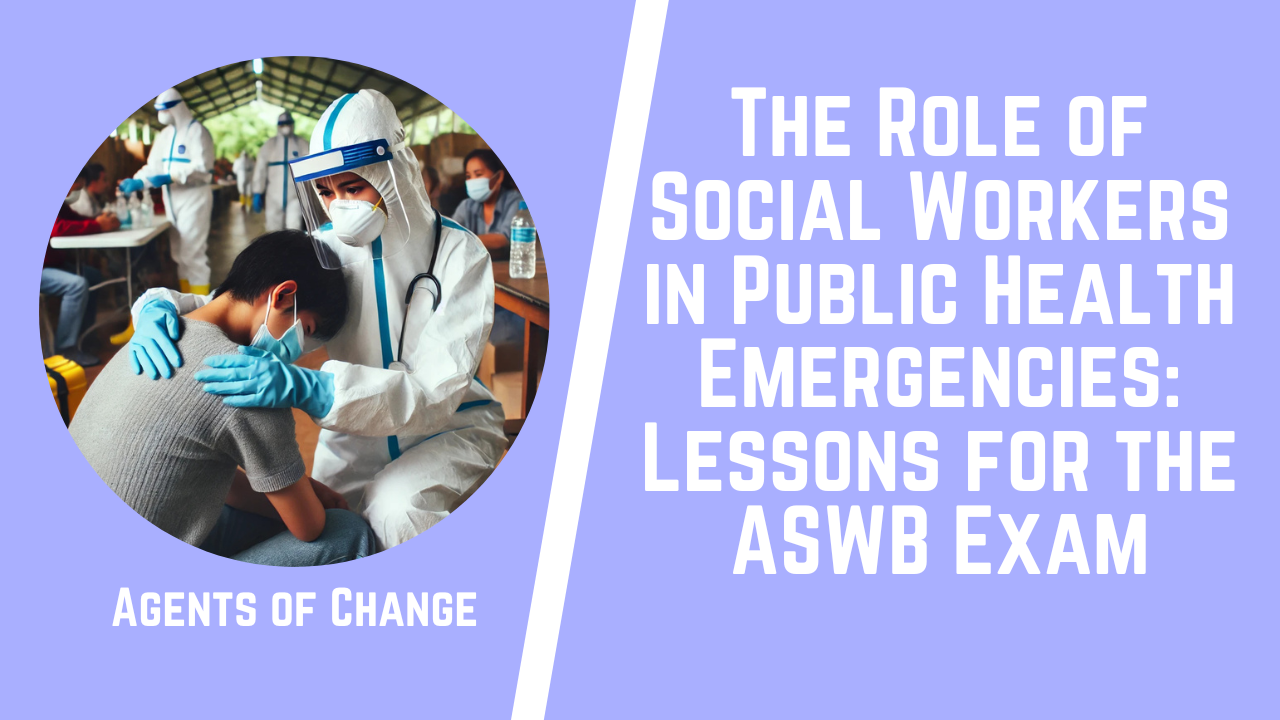
The Role of Social Workers in Public Health Emergencies: Lessons for the ASWB Exam
Public health emergencies thrust communities into turmoil and uncertainty, testing the very fabric of societal resilience. Amidst this chaos, Social Workers emerge as critical pillars of strength and support, navigating complex networks of care and resources to assist those in need.

From pandemics to natural disasters, these professionals engage deeply on the front lines, not just meeting the immediate logistical demands but also addressing the severe emotional and psychological impacts. Their unique skill set makes them invaluable, yet their contributions often go unrecognized in the broader narratives of crisis response.

The role of Social Workers during such emergencies is multifaceted, encompassing direct intervention, resource coordination, and long-term recovery planning. They are tasked with assessing the immediate needs of affected populations, providing psychological first aid, and connecting individuals to necessary support services. 

Understanding the expansive role of Social Workers in public health emergencies is also crucial for those preparing for the Association of Social Work Boards (ASWB) exam. Prospective Social Workers must grasp the depth of responsibility and the breadth of knowledge required in these high-stakes situations. This article aims to explore these responsibilities and offer essential insights into the lessons that can be drawn for the ASWB exam.

Learn more about the ASWB exam and create a personalized ASWB study plan with Agents of Change. We’ve helped thousands of Social Workers pass their ASWB exams and want to help you be next!

1) Understanding the Role of Social Workers in Emergencies

When a public health emergency unfolds, the community turns to a network of support systems in which Social Workers play a critical, multifunctional role. Their involvement ranges from direct crisis intervention to strategic long-term recovery planning.

a Social Worker helping to distribute food and supplies in a community center after a major flood. The setting illustrates the organized yet bustling atmosphere of a relief center.

This section explores the multifaceted roles that Social Workers undertake during such emergencies, shedding light on their contributions across various phases of disaster management.

Immediate Response and Crisis Intervention

In the immediate aftermath of a disaster, Social Workers are among the first to respond, providing crucial support in several key areas:

  • Psychological First Aid: Delivering initial emotional and psychological support to victims to stabilize and reduce stress.
  • Needs Assessment: Conducting rapid assessments to identify the most urgent needs of affected individuals and communities.
  • Resource Mobilization: Facilitating access to emergency services such as food, shelter, and medical care.

These actions are vital for stabilizing the situation and setting the stage for ongoing recovery efforts.

Resource Coordination and Advocacy

As the initial phase settles, Social Workers transition into roles that involve more coordination and advocacy to ensure that recovery efforts are equitable and effective:

  • Linking with Services: Connecting individuals with government and non-government services for long-term support.
  • Advocacy for Resources: Advocating for additional resources and services, such as disability aid, senior services, and child care, which are crucial for vulnerable populations.
  • Policy Influence: Working with policymakers to address gaps in services and proposing new solutions to serve affected populations better.

Social Workers act as a bridge between the community and the often-complex array of available services, ensuring that help reaches those who need it most.

Long-Term Recovery and Resilience Building

The long-term recovery phase focuses on restoring the social fabric of the community and building resilience against future emergencies. Social Workers contribute by:

  • Emotional and Social Support: Offering ongoing counseling and support groups to help individuals and families cope with the long-term effects of the crisis.
  • Community Engagement: Facilitating community workshops and meetings to discuss recovery progress and encourage local input and participation.
  • Resilience Planning: Collaborating with community leaders to develop or refine emergency preparedness plans.

This stage is critical for strengthening community ties and enhancing the collective capacity to manage future challenges.

Education and Training

To equip communities with the tools to better manage future crises, Social Workers also focus on education and training:

  • Public Education Campaigns: Designing and delivering informational campaigns that educate the public on emergency preparedness and recovery processes.
  • Professional Development: Conducting workshops and seminars for other professionals on the role of Social Work in emergency situations.
  • School Programs: Implementing school-based programs to teach children and teenagers about resilience and coping strategies.

By integrating these educational aspects, Social Workers not only aid in recovery but also empower communities to face future adversities with greater confidence and resources.

Agents of Change packages include 30+ ASWB topics, 2 free study groups per month, and hundreds of practice questions so you’ll be ready for test day!

2) Navigating Ethical Dilemmas: Best Practices in Crisis Situations

During public health emergencies, Social Workers face a myriad of ethical challenges that require careful navigation. These dilemmas often revolve around resource allocation, confidentiality, and maintaining professional boundaries in highly charged environments.

a Social Worker assisting an elderly man during a heatwave at a cooling center. The setting is calm and organized, capturing the essential support provided in extreme weather conditions.

This section explores the common ethical dilemmas Social Workers encounter in crisis situations and outlines best practices to handle these issues effectively.

Prioritizing Services and Resource Allocation

One of the most pressing ethical challenges in emergencies is deciding how to allocate limited resources fairly among those affected. Social Workers must often make quick decisions on who receives immediate help and who must wait, decisions that can significantly impact the wellbeing of individuals.

  • Equitable Distribution: Ensure that resources are distributed based on specific needs and vulnerabilities rather than on a first-come, first-served basis.
  • Transparency in Decision-Making: Maintain transparency with affected individuals about the criteria used for resource allocation.
  • Collaboration with Other Agencies: Work collaboratively with other agencies to maximize resource availability and minimize overlap in services.

Confidentiality and Information Sharing

Maintaining confidentiality while sharing critical information with other professionals can be challenging but necessary for effective service delivery during emergencies.

  • Consent and Disclosure: Obtain consent where possible before sharing personal information, and ensure that information shared is necessary for the provision of aid.
  • Data Protection Practices: Adhere to strict data protection protocols to ensure sensitive information is handled securely.
  • Interprofessional Communication: Establish clear lines of communication with other professionals to coordinate services without compromising client confidentiality.

Professional Boundaries in High-Stress Environments

Social Workers often form close bonds with those they help, particularly in high-stress situations like public health emergencies. It is vital to maintain professional boundaries to avoid conflicts of interest and emotional burnout.

  • Self-awareness and Supervision: Regularly engage in self-reflection and seek supervision to discuss potential boundary issues.
  • Boundary Education: Educate all team members about the importance of boundaries to prevent inappropriate relationships or dependencies.
  • Support Networks: Utilize professional support networks to manage personal stress and prevent over-identification with clients.

Ethical Decision-Making Models

a Social Worker distributing masks and hand sanitizers in a crowded urban shelter during a viral pandemic outbreak.

When faced with ethical dilemmas, relying on established decision-making models can provide a structured way to evaluate options and outcomes. Here are some steps to follow:

  • Identify the Dilemma: Clearly define what makes the situation an ethical dilemma.
  • Gather Relevant Information: Collect all necessary information to understand the context and the stakes involved.
  • Consider the Consequences: Evaluate the potential outcomes of different decisions on all parties involved.
  • Consult Ethical Guidelines and Peers: Refer to professional ethical guidelines and discuss the dilemma with trusted colleagues to gain broader perspectives.
  • Make a Decision: Choose the course of action that best aligns with ethical principles and the well-being of those affected.

Continuous Ethical Education

To effectively navigate ethical dilemmas, continuous education on ethical issues in Social Work practice is essential.

  • Regular Training: Participate in ongoing training sessions on ethics in Social Work, with a focus on crisis and emergency situations.
  • Literature and Research: Keep abreast of the latest research and publications on ethical practices in Social Work to remain informed about best practices.
  • Ethical Committees: Join or form ethical committees within professional organizations to discuss and update ethical standards and guidelines.

Navigating ethical dilemmas in crisis situations requires a deliberate and informed approach. Social Workers must balance immediate needs with long-term consequences, always striving to uphold the dignity and rights of those they serve. By adhering to best practices and continuously engaging in ethical education, Social Workers can address these complex challenges effectively and compassionately.

3) Preparing for the ASWB Exam: A Tactical Approach

The Association of Social Work Boards (ASWB) exam is a crucial milestone for any aspiring Social Worker. It tests a broad range of knowledge, from direct practice to administrative skills, and it requires a thoughtful and strategic study plan.

In this section, we will explore a comprehensive approach to effectively prepare for the ASWB exam, emphasizing the role of Social Workers in public health emergencies—a topic of increasing relevance and significance.

Understanding the Exam Structure

First and foremost, it is essential to understand the structure and content of the ASWB exam to prepare effectively. The exam is divided into several content areas, each representing a different aspect of Social Work practice.

  • Human Development, Diversity, and Behavior in the Environment
  • Assessment and Intervention Planning
  • Interventions with Clients/Client Systems
  • Professional Relationships, Values, and Ethics

Familiarizing yourself with these content areas can help you focus your study efforts on the most relevant topics, particularly those related to crisis and emergency Social Work.

Key Study Strategies

Once you have a good understanding of the exam’s structure, you can adopt several targeted strategies to enhance your preparation:

  • Comprehensive Study Guides: Use high-quality ASWB study guides like Agents of Change, which cover all areas of the exam. These guides often include practice questions that mirror the format of the actual exam.
  • Practice Tests: Regularly complete practice exams to familiarize yourself with the timing and pressure of the actual test. This can also help identify areas where you need further study. Agents of Change Test Prep offers 3 full-length practice exams.
  • Group Study Sessions: Join study groups with fellow exam candidates to share insights and resources. Discussing complex topics can aid in retention and understanding. All Agents of Change programs include 2 live study groups per month.

Focusing on Social Work in Public Health Emergencies

Given the increasing importance of Social Workers in managing public health crises, special attention should be given to this area during your exam preparation:

  • Relevant Coursework: If still in school or able to take additional courses, focus on classes that deal with crisis intervention, disaster response, and public health.
  • Specialized Workshops and Seminars: Attend workshops and seminars that focus on emergency response and public health. These can provide valuable insights and practical knowledge that are directly applicable to exam questions.
  • Real-World Experience: Engage in volunteer opportunities or internships that involve emergency response or public health settings. Practical experience can provide a deeper understanding of the material and improve your ability to apply theoretical knowledge in an exam setting.

Time Management and Scheduling

Effective time management can significantly enhance your preparation efforts. Developing a study schedule that balances thoroughness with well-timed breaks is crucial:

  • Create a Study Calendar: Outline your study times and ensure you cover all necessary content areas well before the exam date. All Agents of Change programs include study calendars to help you stay on track.
  • Set Goals: Establish weekly goals to keep yourself on track. This helps maintain a steady pace and reduces last-minute cramming.
  • Regular Breaks: Include short breaks to avoid burnout. Regular intervals of rest can improve overall productivity and mental clarity.

Staying Updated and Seeking Support

The field of Social Work is always evolving, and staying informed about the latest research, policies, and best practices is essential:

  • Continuing Education: Engage in continuing education courses that offer the latest insights into Social Work practice and ethics. Agents of Change Continuing Education offers unlimited ASWB-approved Continuing Education.
  • Professional Networks: Utilize networks and professional associations to connect with peers who can provide support and advice during your exam preparation.
  • Seek Professional Guidance: Consider seeking help from a mentor who has successfully passed the ASWB exam. Their experience and guidance can be invaluable in your preparation.

Preparing for the ASWB exam requires a balanced approach that combines thorough knowledge of the exam structure, strategic study habits, focused content review, especially on Social Work’s role in public health emergencies, and effective time management.

By adopting these tactics, candidates can enhance their readiness and confidence, positioning themselves for success on the exam and in their future careers as Social Workers.

4) FAQs – The Role of Social Workers in Public Health Emergencies: Lessons for the ASWB Exam

Q: What specific skills should I focus on developing to improve my effectiveness as a Social Worker during public health emergencies?

A: During public health emergencies, certain skills are particularly vital for Social Workers. Focus on developing the following competencies:

  • Crisis Intervention: Learn how to perform under pressure, providing immediate support and stabilization.
  • Resource Management: Gain expertise in identifying, coordinating, and deploying resources quickly and efficiently.
  • Emotional Resilience: Strengthen your ability to manage your own emotional responses during stressful situations to maintain your effectiveness and support your clients.
  • Communication: Enhance your ability to communicate clearly and compassionately under stress, both with clients and other professionals.
  • Advocacy: Be prepared to advocate fiercely for your clients’ needs, navigating bureaucratic systems to access necessary services.

Q: How can I best utilize real-world experiences in public health emergencies to prepare for the ASWB exam?

A: Real-world experiences in emergencies provide invaluable learning opportunities that can enhance your ASWB exam preparation:

  • Reflect on Experiences: Take time to reflect on your emergency response experiences, identifying lessons learned and areas for improvement.
  • Apply Theoretical Knowledge: Use your experiences to contextualize and better understand theoretical knowledge. Relate what you’ve learned in your studies to what you’ve seen in the field.
  • Seek Supervision: Discuss your experiences and their relevance to exam topics with a supervisor or mentor who can provide insights and guidance.
  • Study Group Discussions: Share your experiences in study groups, using them as case studies to explore potential exam questions and answers.
  • Documentation: Keep a detailed log of your involvement in emergency responses, which can serve as a personal case study resource for exam preparation.

Q: Are there specific resources or texts that focus on the role of Social Workers in public health emergencies I should study for the ASWB exam?

A: Yes, there are several resources that can help you prepare for the ASWB exam, specifically focusing on the role of Social Workers in public health emergencies:

  • ASWB Guide: Utilize the ASWB’s guide to the Social Work exams, which includes sections relevant to public health emergencies.
  • Professional Organizations: Organizations like the National Association of Social Workers (NASW) often have resources and publications dedicated to Social Work in emergency settings.
  • Online Courses and Continuing Education: Consider enrolling in online courses or webinars focused on emergency management and psychological first aid like those offered by Agents of Change Continuing Education.

5) Conclusion

The role of Social Workers in public health emergencies is both vital and multifaceted. As we’ve explored throughout this article, Social Workers not only provide critical immediate responses in crisis situations but also play an essential role in the long-term recovery and resilience-building of affected communities. Their skills in crisis intervention, resource allocation, and emotional support are indispensable during these times, making their contributions crucial to both individual and community recovery.

For those preparing for the ASWB exam, understanding the depth and breadth of Social Work’s involvement in emergencies is particularly crucial. It equips candidates with the knowledge to navigate complex scenarios on the exam and in real life, blending theory with practice to foster a comprehensive understanding of Social Work’s impact. The strategic approach to exam preparation discussed here underscores the importance of a well-rounded, informed preparation process that addresses both the expected content and the unpredictable nature of real-world Social Work.

Aspiring Social Workers are encouraged to integrate the lessons from this article into their study routines and professional development, focusing on enhancing their crisis management capabilities and ethical decision-making skills. Remember, your role as a Social Worker extends beyond passing an exam; it involves a commitment to serve and advocate for those in crisis, championing the cause of humanity in the face of adversity. This profound responsibility is what makes Social Work not just a profession, but a calling to improve and impact lives during the most challenging times.


► Learn more about the Agents of Change course here: https://agentsofchangeprep.com

About the Instructor, Meagan Mitchell: Meagan is a Licensed Clinical Social Worker and has been providing individualized and group test prep for the ASWB for over 8 years. From all of this experience helping others pass their exams, she created the Agents of Change course to help you prepare for and pass the ASWB exam!

Find more from Agents of Change here:

► Facebook Group: https://www.facebook.com/groups/aswbtestprep

► Podcast: https://podcasters.spotify.com/pod/show/agents-of-change-sw

#socialwork #testprep #aswb #socialworker #socialwork #socialworktest #socialworkexam #exam #socialworktestprep #socialworklicense #socialworklicensing #licsw #lmsw #lcsw #aswbexam #aswb #lcswexam #lmswexam #aswbtestprep #aswbtest #lcswtestprep #lcswtest #lmswtestprep #lmswtest #aswbcourse #learningstyles #learningstyle

Disclaimer: This content has been made available for informational and educational purposes only. This content is not intended to be a substitute for professional medical or clinical advice, diagnosis, or treatment.

Share:

Discover more from Agents of Change

Subscribe now to keep reading and get access to the full archive.

Continue reading