Utilizing Feedback Loops in Social Work Practice and ASWB Preparation

Utilizing Feedback Loops in Social Work Practice and ASWB Preparation

In Social Work, continuous improvement and adaptability are very important. Social Workers strive to make meaningful differences in their clients’ lives, but to do so effectively, they must consistently evaluate and enhance their practices.

One powerful method to achieve this is through feedback loops. By understanding and utilizing feedback loops in Social Work practice, professionals can identify areas for growth, refine their strategies, and ultimately deliver better outcomes for their clients. This concept is vital for day-to-day practice and preparing for the Association of Social Work Boards (ASWB) exam.

Traditional study methods might help you get by, but incorporating feedback loops into your preparation strategy can make a substantial difference. By continuously assessing your progress, identifying weaknesses, and adjusting your study plan accordingly, you can enhance your learning efficiency and increase your chances of passing the exam with flying colors.

Learn more about the ASWB exam and create a personalized ASWB study plan with Agents of Change. We’ve helped thousands of Social Workers pass their ASWB exams and want to help you be next!

1) What Are Feedback Loops?

Understanding feedback loops is crucial for any profession that relies on continuous improvement, including Social Work. Feedback loops provide a structured approach to evaluating and refining strategies, ensuring that efforts lead to desired outcomes. Let’s break down feedback loops and how they function in various contexts.

Definition and Key Concepts

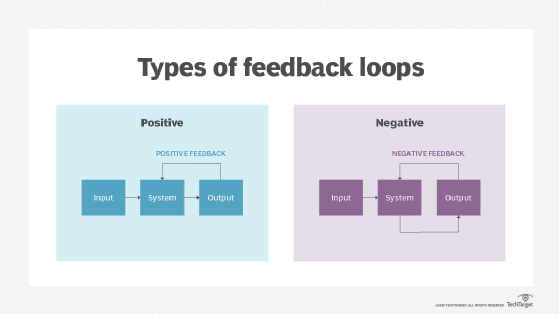
At its most basic, a feedback loop is a system where the outputs of a process are fed back into the system as inputs. This cycle helps continuously adjust and improve the process. There are two main types of feedback loops:

  • Positive Feedback Loop: This amplifies changes and can lead to exponential growth or decline. For example, receiving positive reinforcement for a behavior can lead to more frequent occurrences of that behavior.

  • Negative Feedback Loop: This reduces deviations and helps maintain stability. For instance, receiving constructive criticism can lead to correcting mistakes and improving performance.

Components of a Feedback Loop

Feedback loops consist of several key components, which work together to create a cycle of continuous improvement:

  1. Input: The initial data or information gathered.

  2. Process: The actions or interventions applied based on the input.

  3. Output: The results or outcomes of the process.

  4. Feedback: Information about the output that is fed back into the system.

  5. Adjustment: Changes made based on the feedback to improve future processes.

The Cycle of Improvement

The feedback loop operates in a cyclical manner, often visualized as a continuous loop. Here’s how the cycle works:

  1. Gather Information: Collect data on current practices and outcomes.

  2. Analyze Data: Evaluate the effectiveness of actions taken.

  3. Implement Changes: Make adjustments based on the analysis.

  4. Monitor Results: Observe the outcomes of the changes made.

  5. Repeat: Continuously repeat the process to ensure ongoing improvement.

Benefits of Feedback Loops

Feedback loops offer several significant benefits, particularly in fields that require continuous development and adaptability:

  • Enhanced Learning: Regular feedback helps identify gaps in knowledge and skills, leading to targeted learning.

  • Improved Performance: Continuous adjustments based on feedback lead to better outcomes.

  • Increased Accountability: Regular feedback ensures that individuals and teams remain accountable for their performance.

  • Proactive Problem-Solving: Feedback loops encourage a proactive approach to addressing issues before they become significant problems.

Types of Feedback Loops

Feedback loops can be classified into different types based on their purpose and application:

Intrinsic Feedback Loops

Intrinsic feedback loops occur naturally within a system or process. For example, in a learning environment, students receive immediate feedback through their own understanding and comprehension of the material.

  • Self-Assessment: Regularly evaluating one’s own performance and identifying areas for improvement.

  • Peer Feedback: Receiving constructive criticism and insights from colleagues or classmates.

Extrinsic Feedback Loops

Extrinsic feedback loops involve external sources providing feedback. This can include supervisors, mentors, or standardized tests.

  • Supervisor Reviews: Regular performance reviews and feedback from supervisors or managers.

  • Standardized Assessments: Feedback from exams and tests that provide benchmarks for performance.

Implementing Feedback Loops Effectively

To implement feedback loops effectively, follow these steps:

  1. Set Clear Goals: Define what you aim to achieve with your feedback loops.

  2. Collect Relevant Data: Gather data that is pertinent to your goals and objectives.

  3. Analyze Feedback: Evaluate the feedback to understand strengths and weaknesses.

  4. Make Adjustments: Implement changes based on the feedback received.

  5. Repeat the Process: Continuously repeat the cycle to ensure ongoing improvement.

Common Challenges and Solutions

Implementing feedback loops can come with challenges. Here are some common issues and their solutions:

  • Resistance to Feedback: Encourage a culture of openness and constructive criticism.

  • Inconsistent Data: Ensure that data collection methods are reliable and consistent.

  • Lack of Follow-Up: Establish a routine for regularly reviewing and acting on feedback.

Agents of Change packages include 30+ ASWB topics and hundreds of practice questions so you’ll be ready for test day!

2) Feedback Loops in Social Work Practice

Feedback loops are indispensable in Social Work practice, driving continuous improvement and ensuring effective and client-focused interventions. By integrating feedback loops into various aspects of Social Work, professionals can enhance their practice, foster better client outcomes, and maintain a high standard of care. 

a diverse social worker working with a client in a modern office setting. The interaction reflects empathy, active listening, and a supportive environment, highlighting the positive dynamic between the social worker and the client.

Implementing Feedback Loops with Clients

Client-centered feedback loops are at the heart of effective Social Work practice. These loops involve continuously collecting and acting on client feedback to refine interventions and improve outcomes.

Initial Assessment and Goal Setting

The first step in creating a feedback loop with clients is a thorough initial assessment and goal setting. This lays the foundation for all subsequent actions and feedback.

  • Conduct Comprehensive Assessments: Gather detailed information about the client’s history, current situation, and needs.

  • Collaborate on Goal Setting: Work with clients to set realistic, measurable goals that are meaningful to them.

Action and Monitoring

Once goals are set, the next step is implementing interventions and monitoring progress.

  • Implement Interventions: Apply tailored interventions based on the initial assessment and goals.

  • Regular Check-Ins: Schedule frequent check-ins with clients to monitor their progress and gather feedback.

  • Document Progress: Keep detailed records of client progress and any changes in their circumstances.

Review and Adjust

Reviewing and adjusting interventions based on client feedback is crucial for ensuring that the Social Work practice remains responsive and effective.

  • Evaluate Outcomes: Assess the effectiveness of interventions through client feedback and measurable outcomes.

  • Modify Strategies: Adjust interventions and strategies based on the feedback received to better meet client needs.

Feedback from Supervisors and Peers

Feedback from supervisors and peers is a vital component of professional growth in Social Work. This type of feedback loop involves seeking and acting on input from colleagues to enhance practice.

Engage in Regular Supervision

Supervision provides an opportunity for Social Workers to reflect on their practice and receive guidance.

  • Schedule Regular Sessions: Have consistent supervision sessions to discuss cases, challenges, and strategies.

  • Be Open to Criticism: Approach supervision with an open mind, ready to accept constructive criticism.

  • Set Professional Goals: Use supervision to set and review professional development goals.

Peer Feedback and Collaboration

Collaboration with peers can provide diverse perspectives and foster a supportive work environment.

  • Join Peer Review Groups: Participate in peer review groups to discuss cases and share feedback.

  • Encourage Open Communication: Foster a culture where peers feel comfortable giving and receiving feedback.

  • Reflect and Act: Reflect on peer feedback and take actionable steps to improve your practice.

Reflective Practice and Self-Assessment

Reflective practice and self-assessment are self-driven feedback loops that help Social Workers continuously evaluate and enhance their practice.

Engage in Reflective Practice

Reflective practice involves regularly thinking about your experiences and how they inform your practice.

  • Maintain a Reflective Journal: Write about your experiences, challenges, and what you’ve learned.

  • Identify Patterns: Look for patterns in your reflections that can inform your practice.

  • Set Improvement Goals: Based on your reflections, set specific goals for professional development.

Conduct Self-Assessments

Self-assessments are a formal way to evaluate your skills and areas for growth.

  • Use Assessment Tools: Utilize tools and questionnaires to assess your competencies.

  • Review Past Cases: Look back at past cases to identify areas where you could improve.

  • Create an Action Plan: Develop a plan to address the areas identified in your self-assessment.

Case Study: Implementing Feedback Loops

To illustrate the effectiveness of feedback loops in Social Work practice, consider the case of Alex, a Social Worker in a community mental health setting.

Initial Assessment and Goal Setting

Alex begins by conducting a comprehensive assessment of each client, collaborating with them to set personalized goals. For example, one client, Sarah, aims to improve her coping skills for anxiety.

Action and Monitoring

Alex implements evidence-based interventions to help Sarah manage her anxiety and schedules weekly check-ins to monitor her progress. During these check-ins, Sarah provides feedback on what strategies are working and which ones aren’t.

Review and Adjust

Based on Sarah’s feedback, Alex adjusts the interventions, focusing more on mindfulness techniques that Sarah finds helpful. This ongoing cycle of feedback and adjustment leads to significant improvements in Sarah’s anxiety management.

Benefits of Feedback Loops in Social Work

Incorporating feedback loops into social work practice offers numerous benefits:

  • Improved Client Outcomes: Tailoring interventions based on client feedback leads to better results.

  • Enhanced Professional Development: Continuous feedback from supervisors and peers fosters professional growth.

  • Greater Accountability: Regular feedback ensures accountability to clients and the profession.

  • Proactive Problem-Solving: Feedback loops encourage proactive identification and resolution of issues.

Challenges and Solutions in Implementing Feedback Loops

While feedback loops are beneficial, implementing them can come with challenges. Here are some common issues and solutions:

Resistance to Feedback

Some Social Workers or clients may resist giving or receiving feedback.

  • Solution: Cultivate a culture of openness and trust where feedback is seen as a positive tool for growth.

Time Constraints

Regular feedback sessions can be time-consuming.

  • Solution: Integrate feedback loops into routine activities, such as regular client check-ins and team meetings.

Inconsistent Feedback

Feedback can sometimes be inconsistent or subjective.

  • Solution: Use structured tools and questionnaires to gather feedback consistently and objectively.

Learn more additional tips and tricks for the ASWB exam and get hundreds of practice questions with Agents of Change!

3) Utilizing Feedback Loops for ASWB Exam Preparation

Preparing for the ASWB exam can be a daunting task, but incorporating feedback loops into your study routine can make a significant difference. By continuously assessing your progress, identifying weaknesses, and adjusting your strategies, you can create a dynamic and effective study plan. 

A diverse social worker studying in a cozy environment, sitting in front of a computer. The setting includes warm lighting, comfortable furniture, and study materials like books and notes spread out on a desk, creating a focused and comfortable atmosphere.

Creating an Effective Study Plan

A well-structured study plan is the foundation of successful exam preparation. Integrating feedback loops into your study plan ensures continuous improvement and targeted learning.

Initial Assessment

Begin your study journey by conducting an initial assessment to identify your strengths and weaknesses.

  • Diagnostic Tests: Take a full-length diagnostic test to gauge your current knowledge and identify areas that need improvement. Agents of Change offers 3 full-length practice exams here.

  • Self-Assessment: Reflect on your comfort level with different topics covered in the ASWB exam.

Setting Study Goals

Based on your initial assessment, set clear, achievable study goals.

  • Specific Goals: Define specific goals for each study session, such as mastering a particular topic or improving your practice test scores.

  • Measurable Milestones: Set measurable milestones to track your progress, such as completing a certain number of practice questions each week.

  • Time-Bound Objectives: Establish a timeline for achieving your goals, ensuring you stay on track with your preparation.

Study and Practice

Once you have a clear study plan, focus on consistent study habits and practice.

Consistent Study Routine

Establish a regular study routine that includes a variety of study methods and resources.

  • Daily Study Sessions: Dedicate specific times each day for focused study sessions.

  • Variety of Resources: Use a mix of materials and study groups to diversify your learning. All Agents of Change programs include video and audio materials and 2 live study groups per month.

  • Breaks and Downtime: Incorporate regular breaks to avoid burnout and keep your mind fresh.

Practice Tests and Quizzes

Regular practice tests are a crucial component of effective feedback loops in exam preparation.

  • Weekly Practice Tests: Take full-length practice tests weekly to simulate the exam experience and assess your progress. Agents of Change offers 3 full-length practice exams here.

  • Topic-Specific Quizzes: Use quizzes to focus on specific areas where you need improvement.

  • Timed Practice: Practice under timed conditions to improve your time management skills for the actual exam.

Monitoring Progress

Continuous monitoring of your progress is essential to make informed adjustments to your study plan.

Tracking Scores

Keep detailed records of your practice test scores and quiz results.

  • Score Logs: Maintain a log of your scores to identify trends and measure improvement over time.

  • Error Analysis: Analyze your mistakes to understand the areas where you need more focus.

Feedback Journals

Use a feedback journal to document your reflections and adjustments.

  • Daily Entries: Write daily entries about what you studied, what worked well, and what didn’t.

  • Reflection Questions: Include questions in your journal such as, “What did I learn today?” and “What can I improve next time?”

Adjusting Study Plan

Based on the feedback and data you collect, make necessary adjustments to your study plan.

Revisiting Goals

Periodically revisit and revise your study goals based on your progress.

  • Adjust Objectives: Modify your objectives if you’re consistently meeting or struggling with your current goals.

  • Set New Targets: Set new targets for areas where you’ve shown significant improvement.

Focusing on Weak Areas

Allocate more time and resources to areas where you’re underperforming.

  • Targeted Study Sessions: Schedule additional study sessions focused on weak areas.

  • Supplemental Resources: For difficult topics, use supplemental resources such as tutoring or additional practice materials. Agents of Change offers free flashcards here.

Example Study Schedule Incorporating Feedback Loops

Here’s a sample study schedule that integrates feedback loops into your preparation routine:

Weeks 1-2: Initial Assessment and Goal Setting

  • Take a diagnostic test to assess your baseline knowledge.

  • Set specific, measurable, and time-bound study goals.

Weeks 3-6: Focused Study and Practice

  • Follow a daily study schedule with a variety of resources.

  • Take weekly practice tests and topic-specific quizzes.

  • Document your progress and reflections in a feedback journal.

Weeks 7-8: Review and Adjust

  • Analyze your practice test results and identify weak areas.

  • Adjust your study plan to focus more on areas needing improvement.

  • Set new targets based on your progress.

Weeks 9-10: Intensive Review

  • Intensify your study sessions with a focus on previously identified weak areas.

  • Use supplemental resources like tutoring if necessary.

  • Continue to track your progress and make adjustments.

Weeks 11-12: Final Preparation

  • Take full-length practice exams under timed conditions.

  • Review and reinforce your knowledge in all topics.

  • Maintain a positive mindset and ensure you’re well-rested for the exam.

4) FAQs – Feedback Loops in ASWB Exam Preparation

Q: How do feedback loops help in ASWB exam preparation?

A: Feedback loops are instrumental in ASWB exam preparation because they provide a structured way to assess and improve your study methods continuously. By regularly taking practice tests and quizzes, you can identify your strengths and weaknesses.

Analyzing your performance allows you to adjust your study plan, focusing more on areas that need improvement and reinforcing areas where you are already strong. This ongoing cycle of assessment and adjustment ensures that you are always moving towards better understanding and mastery of the exam material, ultimately increasing your chances of success.

Q: What should I do if I’m not seeing progress despite using feedback loops in my study routine?

A: If you’re not seeing progress despite using feedback loops, taking a step back and reevaluating your approach is essential. Here are some steps you can take:

  • Seek External Feedback: Sometimes, an outside perspective can help identify issues you might have missed. Consider asking a tutor or mentor for their insights.

  • Adjust Study Techniques: If a particular study method isn’t working, try different techniques or resources. Incorporate more interactive methods like flashcards, study groups, or tutoring sessions.

  • Review Your Goals: Ensure your study goals are realistic and attainable. Adjust them if necessary to be more aligned with your current progress and understanding.

  • Increase Focus on Weak Areas: Spend more time on the topics you struggle with. Use targeted resources and practice problems to reinforce your understanding.

  • Self-Care: Ensure you’re taking care of your mental and physical health. Adequate sleep, nutrition, and regular breaks can significantly impact your study effectiveness.

Q: Can feedback loops be applied to group study sessions for the ASWB exam?

A: Absolutely! Feedback loops can be highly effective in group study sessions. Here’s how to incorporate them:

  • Regular Check-Ins: Schedule regular meetings to discuss progress and share feedback on each member’s study approach.

  • Peer Review: Review each other’s practice test results and provide constructive feedback. This can help identify blind spots and offer new perspectives.

  • Collaborative Problem-Solving: Work together to solve difficult practice questions and discuss the reasoning behind different answers.

  • Reflective Discussions: At the end of each session, reflect on what was learned, what methods were effective, and what could be improved for future sessions.

  • Shared Resources: Pool together different study materials and resources, allowing all members to benefit from diverse approaches and content.

5) Conclusion

Feedback loops are a powerful tool that can transform your Social Work practice and ASWB exam preparation. By systematically gathering and analyzing feedback, you can identify areas for improvement, refine your strategies, and achieve better outcomes.

In Social Work practice, feedback loops help you stay responsive to client needs, enhance your professional development, and maintain high standards of care. For ASWB exam preparation, they enable you to create a dynamic and effective study plan that continuously adapts to your learning progress and areas of weakness.

Incorporating feedback loops into your routines may initially seem challenging, but the benefits outweigh the effort. You’ll find yourself more focused, better prepared, and more confident in your abilities. Whether through client feedback, peer reviews, or self-assessments, each loop provides valuable insights that drive continuous improvement. For exam preparation, regular practice tests, detailed analysis of results, and strategic adjustments to your study plan ensure that you are always moving closer to your goal of passing the ASWB exam!


► Learn more about the Agents of Change course here: https://agentsofchangeprep.com

About the Instructor, Meagan Mitchell: Meagan is a Licensed Clinical Social Worker and has been providing individualized and group test prep for the ASWB for over 7 years. From all of this experience helping others pass their exams, she created the Agents of Change course to help you prepare for and pass the ASWB exam!

Find more from Agents of Change here:

► Facebook Group: https://www.facebook.com/groups/aswbtestprep

► Podcast: https://podcasters.spotify.com/pod/show/agents-of-change-sw

#socialwork #testprep #aswb #socialworker #socialwork #socialworktest #socialworkexam #exam #socialworktestprep #socialworklicense #socialworklicensing #licsw #lmsw #lcsw #aswbexam #aswb #lcswexam #lmswexam #aswbtestprep #aswbtest #lcswtestprep #lcswtest #lmswtestprep #lmswtest #aswbcourse #learningstyles #learningstyle

Disclaimer: This content has been made available for informational and educational purposes only. This content is not intended to be a substitute for professional medical or clinical advice, diagnosis, or treatment

Share:

Discover more from Agents of Change

Subscribe now to keep reading and get access to the full archive.

Continue reading