Social Work Practice with Indigenous Populations and the ASWB Exam
Social Work Practice with Indigenous Populations and the ASWB Exam
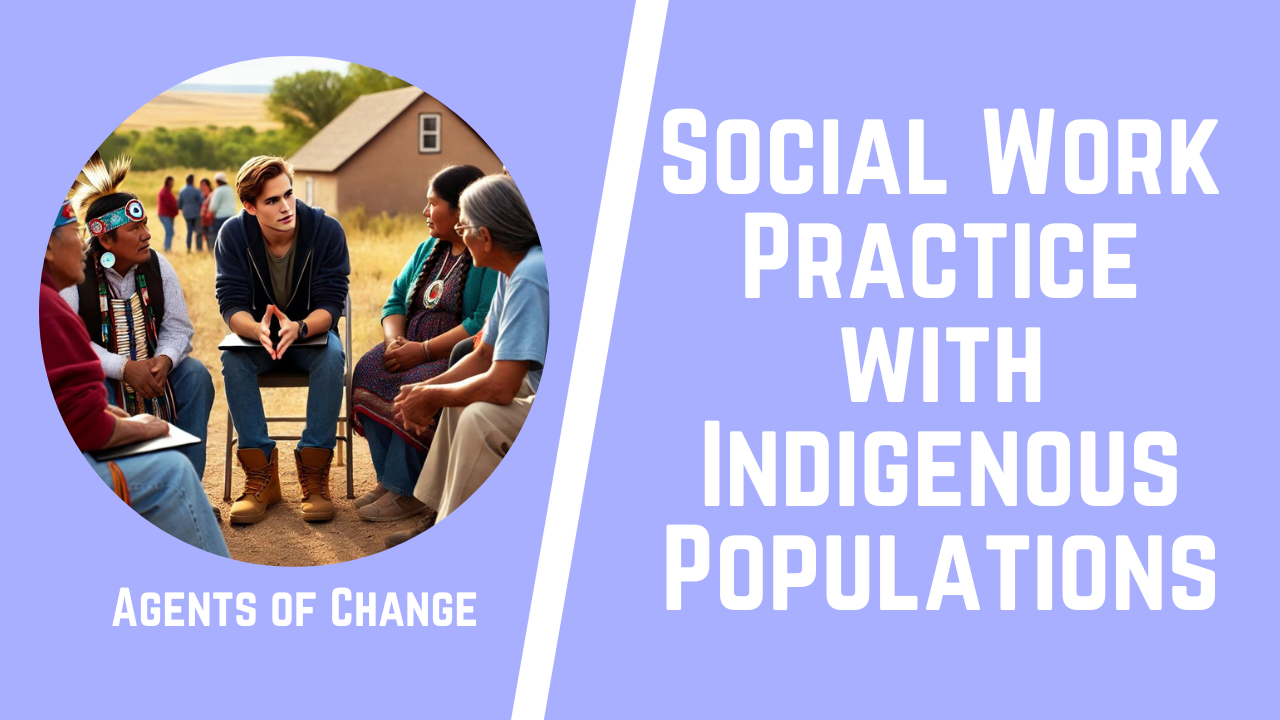
Social Work practice with Indigenous populations is a unique and vital field that requires cultural sensitivity, ethical awareness, and a deep understanding of historical trauma. Indigenous communities have long faced systemic marginalization and oppression, resulting in distinct challenges like intergenerational trauma, health disparities, and mistrust of institutions.

As a Social Worker, it’s essential to recognize these factors and approach your work with Indigenous clients in a way that honors their cultural values, traditions, and needs.

The ASWB exam evaluates professionals on their ability to provide culturally competent care. This means understanding not only the basic principles of Social Work but also the specific contexts in which Indigenous populations live.

From traditional healing practices to community-centered approaches, there are key elements of Indigenous culture that must be integrated into ethical and effective Social Work. Failing to do so can lead to ineffective interventions or even harm to the very individuals you aim to help.

Learn more about the ASWB exam and create a personalized ASWB study plan with Agents of Change. We’ve helped thousands of Social Workers pass their ASWB exams and want to help you be next!

1) Why Is Cultural Competence Vital in Social Work with Indigenous Populations?

Cultural competence is the cornerstone of effective Social Work, especially when working with Indigenous populations. It refers to a Social Worker’s ability to understand, respect, and appropriately respond to the cultural beliefs, practices, and needs of clients from diverse backgrounds.

In the context of Indigenous populations, cultural competence extends beyond acknowledging differences—it involves a commitment to addressing historical trauma, recognizing the strengths and challenges of Indigenous communities, and implementing care that honors Indigenous traditions and values.

Working with Indigenous clients demands more than theoretical knowledge of cultural diversity; it requires active engagement in culturally informed practice. Without this competence, Social Workers risk misunderstanding their client’s needs, applying inappropriate interventions, or even causing harm.

The Importance of Historical Context

One of the most crucial elements of cultural competence when working with Indigenous populations is an understanding of historical trauma. Indigenous communities have endured centuries of colonization, forced relocation, assimilation policies, and systemic discrimination. The legacy of these injustices continues to impact the health and well-being of Indigenous people today, manifesting in intergenerational trauma, economic disparities, and mistrust of government institutions.

Social Workers must appreciate the historical context that shapes Indigenous people’s experiences and challenges. Without this understanding, it’s easy to overlook the deep-rooted causes of issues like substance abuse, mental health struggles, and socioeconomic challenges in these communities.

Key Points About Historical Context:

  • Colonization and forced assimilation caused cultural disconnection and trauma.
  • Historical events like residential schools and the forced removal of Indigenous children have created lasting mistrust of social and governmental institutions.
  • Intergenerational trauma affects parenting, family dynamics, and mental health.

A culturally competent Social Worker recognizes these historical realities and works to provide care that is sensitive to the emotional, psychological, and social impact they continue to have on Indigenous clients.

Addressing Intergenerational Trauma

Intergenerational trauma refers to the transmission of historical traumas from one generation to the next. In Indigenous populations, the effects of colonialism, residential schools, and land dispossession have deeply affected families and communities across generations. Trauma can manifest in various ways, such as heightened rates of substance abuse, domestic violence, and mental health challenges. Understanding this is crucial for any Social Worker aiming to provide effective care.

A diverse social worker engaging with an indigenous population, focusing on healing from intergenerational trauma

Indigenous clients may present with issues that are, in fact, symptoms of unresolved historical trauma. Failing to acknowledge the root causes can lead to misdiagnosis or inappropriate interventions. For example, substance abuse problems often arise from the desire to cope with overwhelming emotional pain tied to historical and intergenerational trauma.

How to Address Intergenerational Trauma:

  • Provide

    trauma-informed care that prioritizes safety and trust, recognizing trauma’s pervasive impact.

  • Support community-based healing that engages Indigenous families and traditions, allowing for collective recovery.

  • Collaborate with Indigenous healers or elders who may offer culturally aligned solutions to trauma, such as traditional ceremonies or talking circles.

Respect for Traditional Healing Practices

Indigenous cultures often have rich and long-standing healing practices that are deeply embedded in their spiritual and social frameworks. These methods might include sweat lodges, smudging ceremonies, consultations with elders or medicine people, and other holistic approaches to well-being. While some of these practices may seem unfamiliar to Western-trained professionals, they are highly valued in many Indigenous communities and can be key to the healing process.

A culturally competent Social Worker does not dismiss or undermine these practices but instead shows respect and understanding. In fact, incorporating traditional healing methods into a client’s care plan can create a more holistic and effective intervention, fostering deeper trust between the Social Worker and the client.

Ways to Show Respect for Traditional Healing:

  • Ask about traditional practices and their significance in your client’s life. Incorporate these into the care plan wherever possible.

  • Collaborate with traditional healers or elders, who often hold significant influence and knowledge in the community.

  • Avoid imposing Western medical models as superior; instead, work with clients to find a balance that respects traditional and modern healing approaches.

Understanding the Role of Community and Family

Indigenous cultures often place a strong emphasis on the community and collective well-being. Unlike many Western frameworks, which prioritize individualism, Indigenous worldviews tend to see the individual as part of a larger social, familial, and environmental whole. Decisions are often made in the context of family and community needs, and healing is considered a communal process rather than a purely personal journey.

Social Workers must be mindful of these cultural values when working with Indigenous clients. Interventions that ignore the role of family and community may fall flat or be rejected altogether. Instead, involving the client’s family or community in the decision-making process can lead to more successful outcomes.

How to Incorporate Family and Community into Care:

  • Engage with family members as part of the support network and involve them in the care process when appropriate.

  • Consult community leaders or elders to understand communal norms and values that may influence the client’s experience.

  • Recognize collective approaches to well-being, which may involve community gatherings, shared rituals, or collective decision-making.

Overcoming Language Barriers and Mistrust of Institutions

Language can often be a barrier to effective communication in Social Work with Indigenous populations, particularly in communities where Indigenous languages are still spoken. Even when clients speak English, there may be differences in communication styles and meanings that need to be navigated with sensitivity.

Informed consent, in particular, must be obtained in ways that ensure the client truly understands their options and the implications of any decisions.

Additionally, many Indigenous communities harbor deep-seated mistrust toward institutions like healthcare systems, government services, and Social Work agencies due to past abuses. Whether it’s the legacy of residential schools or forced child removal, many Indigenous people approach Social Services with caution. Social Workers must be patient, transparent, and dedicated to building trust through consistent, respectful, and culturally appropriate engagement.

A female social worker talking with an indigenous elder.

Strategies for Overcoming Language Barriers and Building Trust:

  • Use interpreters or translators if necessary to ensure clarity in communication, especially when discussing sensitive topics or obtaining informed consent.

  • Adopt culturally appropriate communication styles, such as avoiding overly direct questions, which may be seen as intrusive in some Indigenous cultures.

  • Acknowledge past harms and demonstrate a commitment to rebuilding trust by involving clients in every step of their care.

The Link Between Cultural Competence and the ASWB Exam

The ASWB (Association of Social Work Boards) exam evaluates a Social Worker’s knowledge and application of cultural competence, particularly in working with marginalized populations like Indigenous communities. Social Workers are expected to demonstrate an understanding of diverse cultural backgrounds, ethical considerations, and trauma-informed care approaches in their practice.

Questions on the ASWB exam may present scenarios involving cultural misunderstandings, ethical dilemmas, or trauma-related issues, especially in relation to Indigenous populations. To excel in this area, candidates need to grasp not only the theories of cultural competence but also how to apply them in real-world scenarios.

Key Cultural Competence Concepts for the ASWB Exam:

  • Understanding historical trauma and its continuing impacts on Indigenous populations.

  • Demonstrating respect for cultural diversity by integrating traditional healing practices into care plans.

  • Navigating ethical dilemmas that involve cultural differences, especially regarding child welfare, family dynamics, and community interventions.

Cultural competence is vital in Social Work with Indigenous populations because it ensures that Social Workers can deliver care that respects the cultural, historical, and social realities of the clients they serve.

By understanding the importance of historical trauma, respecting traditional healing practices, involving family and community in care, and overcoming communication barriers, Social Workers can foster trust and promote healing within Indigenous communities.

These principles are not only essential for effective practice but are also key components of the ASWB exam, which assesses Social Workers’ ability to navigate cultural complexities with ethical and informed care.

Agents of Change packages include 30+ ASWB topics, 2 free study groups per month, and hundreds of practice questions so you’ll be ready for test day!

2) Historical Trauma and Its Impacts

Historical trauma is a profound and complex phenomenon that significantly affects Indigenous populations. It refers to the cumulative emotional and psychological wounding experienced across generations due to traumatic events inflicted on a group.

For Indigenous communities, historical trauma stems from colonization, forced relocation, assimilation policies, and systemic racism. This trauma isn’t confined to individual experiences; it affects entire communities and manifests in mental, physical, emotional, and spiritual ways.

Understanding the depth and breadth of historical trauma is essential for Social Workers to provide effective, empathetic care to Indigenous populations.

This section will explore the concept of historical trauma in depth, examine its long-term effects on Indigenous communities, and offer insights into how Social Workers can address these issues in their practice.

Defining Historical Trauma

The term “historical trauma” was first developed in the 1990s by Dr. Maria Yellow Horse Brave Heart to describe the collective emotional and psychological injury experienced by Native American communities due to centuries of colonization and oppression. Historical trauma encompasses not only the initial traumas but also the ongoing effects that continue to harm future generations.

In the case of Indigenous populations, this trauma is rooted in several key historical events, such as:

  • Colonization and Land Dispossession: Indigenous peoples were displaced from their ancestral lands, which disrupted their cultural practices, governance systems, and traditional ways of life.

  • Forced Assimilation: Policies such as residential schools and the removal of children into foster care systems were designed to “civilize” Indigenous people, leading to the erosion of language, culture, and family structures.

  • Systemic Racism and Marginalization: Even after the formal end of these policies, Indigenous communities continue to face systemic discrimination, limited access to resources, and poor social determinants of health.

Understanding historical trauma requires Social Workers to acknowledge that these traumatic experiences are not just events of the past; they reverberate through families and communities today.

The Intergenerational Transmission of Trauma

One of the most significant aspects of historical trauma is its intergenerational transmission. Trauma is not confined to those who directly experienced the historical event; it is passed down through generations, affecting individuals who may not have personally lived through the traumatic incidents but still bear the psychological and emotional scars.

Mechanisms of Intergenerational Transmission:

  • Parenting Practices: Trauma often affects how individuals parent their children. For example, Indigenous parents who experienced abuse or neglect in residential schools may struggle to form healthy attachment bonds with their own children, inadvertently perpetuating cycles of trauma.

  • Cultural Disconnection: The loss of language, spiritual practices, and traditional knowledge as a result of forced assimilation policies can create a sense of cultural dislocation and loss of identity in younger generations.

  • Psychological Impacts: Unresolved trauma can manifest in symptoms such as depression, anxiety, and substance abuse, which are passed down through behaviors modeled within families.

Signs of Intergenerational Trauma:

  • High rates of mental health issues such as depression, anxiety, and PTSD.

  • Substance abuse as a means of coping with unresolved emotional pain.

  • Disrupted family dynamics that may include neglect, abuse, or emotional distancing.

  • Cultural disconnection, where individuals feel disconnected from their Indigenous identity or community.

The cumulative effect of these factors means that many Indigenous individuals continue to suffer from trauma that originated long before their birth. Addressing this trauma requires culturally competent care that acknowledges the deep roots of their pain and supports their healing journey.

The Impacts of Historical Trauma on Health and Well-being

The impacts of historical trauma extend far beyond emotional and psychological wounds. The trauma experienced by Indigenous populations has had widespread effects on their physical health, community structures, and socio-economic status. Social Workers must understand that these health disparities are often the result of systemic and historical oppression, not just individual choices.

Mental Health Disparities

Indigenous populations experience disproportionately high rates of mental health issues, including depression, anxiety, and post-traumatic stress disorder (PTSD). These challenges are often linked to the pervasive influence of historical trauma and the ongoing marginalization of Indigenous communities.

Key statistics highlighting these disparities include:

  • Higher rates of suicide: Among many Indigenous populations, especially youth, suicide rates are significantly higher than the national average.

  • Substance abuse prevalence: Many Indigenous individuals turn to drugs or alcohol as a coping mechanism for unhealed trauma, contributing to high rates of addiction within these communities.

Physical Health Impacts

The stress and emotional pain caused by historical trauma are often linked to physical health issues as well. Indigenous people are more likely to experience chronic illnesses such as diabetes, heart disease, and obesity, partly due to the long-term impacts of colonization, poor access to healthcare, and the disruption of traditional diets and lifestyles.

Common physical health issues related to historical trauma include:

  • High rates of chronic diseases such as diabetes and hypertension.

  • Shortened life expectancy, often linked to the compounded effects of poverty, lack of healthcare access, and stress from trauma.

  • Barriers to healthcare due to mistrust of institutions stemming from past abuses, such as unethical medical testing on Indigenous communities.

Social and Economic Impacts

Historical trauma has also contributed to widespread socio-economic challenges within Indigenous communities. Displacement from traditional lands, loss of economic autonomy, and discrimination have left many Indigenous people facing high levels of poverty and unemployment. These economic hardships further perpetuate cycles of trauma and marginalization.

Common socio-economic challenges include:

  • High unemployment rates and limited job opportunities within many Indigenous communities.

  • Housing instability and lack of access to affordable housing, which compounds mental and physical health challenges.

  • Educational disparities that limit access to higher education and economic advancement.

Healing from Historical Trauma: Best Practices for Social Workers

While the effects of historical trauma are far-reaching, Indigenous communities possess incredible resilience and strength. Social Workers can play a vital role in supporting healing from historical trauma by integrating culturally competent, trauma-informed care into their practice.

1. Trauma-Informed Care

Trauma-informed care is an approach that emphasizes safety, trust, and empowerment. When working with Indigenous clients, Social Workers must be aware of the historical and ongoing traumas these individuals face and ensure that their care environment avoids re-traumatization.

Key principles of trauma-informed care include:

  • Creating a safe space where clients feel physically and emotionally secure.

  • Recognizing trauma triggers and understanding how certain environments or interactions might re-traumatize clients.

  • Empowering clients to be active participants in their healing process.

2. Cultural Sensitivity and Inclusion

Culturally sensitive care is essential for supporting Indigenous clients. Social Workers should strive to incorporate traditional healing practices, recognize the importance of community in Indigenous cultures, and validate their clients’ cultural identity as part of their recovery process.

Ways to implement culturally sensitive care include:

  • Incorporating traditional healing practices, such as smudging, talking circles, or ceremonies, alongside conventional treatment methods.

  • Engaging with elders and community leaders who can provide valuable cultural insights and support.

  • Acknowledging and validating cultural identity

    as a central component of well-being.

3. Building Trust and Relationships

Due to historical traumas and abuses, many Indigenous individuals are understandably wary of social and governmental institutions. Social Workers must work to build trust and demonstrate cultural humility in their interactions with Indigenous clients.

Best practices for building trust include:

  • Listening more than speaking to understand clients’ needs and perspectives without imposing preconceived notions.

  • Being transparent about the care process, ensuring clients are fully informed and involved in decisions about their treatment.

  • Developing long-term relationships rather than focusing solely on short-term interventions, which can help foster a sense of security and support.

Historical trauma is a deeply ingrained and multi-generational experience that continues to shape the lives of Indigenous people. Its impacts are wide-ranging, from emotional and psychological wounds to physical health disparities and socio-economic challenges.

For Social Workers, recognizing and addressing historical trauma through culturally competent and trauma-informed care is critical to supporting Indigenous clients on their healing journeys.

By understanding the mechanisms of intergenerational trauma, appreciating the historical context of oppression, and implementing strategies for culturally inclusive and trauma-sensitive care, Social Workers can play a vital role in promoting healing and resilience within Indigenous populations.

Learn more additional tips and tricks for the ASWB exam and get hundreds of practice questions with Agents of Change!

3) Ethical Guidelines for Social Workers

Social Workers have a professional and moral obligation to adhere to ethical standards that guide their interactions with clients, especially when working with marginalized and vulnerable populations such as Indigenous communities. These ethical guidelines ensure that Social Workers are providing care that is not only effective but also respectful of their clients’ cultural beliefs, histories, and needs.

When working with Indigenous populations, the ethical landscape can be even more complex, requiring Social Workers to balance traditional values, historical traumas, and modern ethical practices.

This section will explore key ethical guidelines for Social Workers, particularly those relevant to Indigenous populations, focusing on cultural respect, informed consent, confidentiality, and community engagement. Understanding these guidelines is crucial for providing culturally competent, ethically sound care that aligns with both professional standards and the needs of Indigenous clients.

Cultural Respect and Sensitivity

Cultural respect is foundational in any Social Work practice, but it takes on heightened importance when working with Indigenous populations. Indigenous communities have rich cultural traditions, languages, and healing practices that must be recognized and respected by Social Workers. Failure to honor these practices can result in ineffective interventions and a breakdown of trust between Social Workers and their clients.

A diverse female social worker practicing cultural respect during a session with a client

Core Principles of Cultural Respect:

  • Recognize cultural diversity: Indigenous communities are not homogeneous. They have distinct languages, spiritual beliefs, and traditions that vary by region and tribe.

  • Avoid imposing Western values: Social Workers must be careful not to impose Western medical models or social norms that conflict with Indigenous worldviews. Instead, they should seek to integrate traditional healing practices with modern interventions.

  • Honor spiritual and traditional practices: Indigenous cultures often have spiritual practices integral to health and well-being, such as ceremonies or consultations with elders. Social Workers should respect these practices and collaborate with traditional healers where appropriate.

By practicing cultural humility—recognizing that one’s own cultural perspective is not superior—Social Workers can build stronger, more respectful relationships with Indigenous clients. This is critical for gaining trust and ensuring that care plans are both culturally and ethically appropriate.

Examples of Culturally Respectful Practice:

  • Including traditional healers, elders, or spiritual leaders in case consultations or care planning.

  • Asking clients about their cultural preferences and any healing practices they find meaningful.

  • Incorporating cultural rituals, such as smudging or ceremonies, into therapeutic practices if requested by the client.

Informed Consent in a Culturally Relevant Context

Informed consent is a cornerstone of ethical Social Work practice. Social Workers must ensure that clients fully understand their options, the potential consequences of those options, and the interventions being proposed. This is particularly important when working with Indigenous populations, where language barriers, mistrust of institutions, and cultural differences can complicate the informed consent process.

Challenges to Informed Consent:

  • Language barriers: Many Indigenous clients may speak their native languages or have limited proficiency in English, which can make it difficult for them to fully understand technical or legal terms.

  • Cultural interpretation: Certain concepts in Western Social Work, such as “autonomy” or “individual consent,” may not align with Indigenous worldviews, where collective decision-making or family involvement is more common.

  • Historical mistrust: Due to the legacy of forced assimilation and unethical interventions in the past, some Indigenous clients may be wary of providing consent for services, particularly if they are not fully aware of what those services entail.

Best Practices for Informed Consent:

  • Use interpreters or cultural brokers to ensure that clients fully understand the terms and implications of their decisions.

  • Adapt communication styles to match cultural norms, ensuring that consent forms are clear and accessible.

  • Engage family members or community leaders in the consent process if culturally appropriate, ensuring that decisions align with communal values.

By ensuring that informed consent is both fully understood and culturally aligned, Social Workers can uphold their ethical obligation to respect clients’ autonomy while also honoring Indigenous cultural frameworks.

Confidentiality and Respect for Privacy

Confidentiality is a critical ethical obligation for Social Workers, but it requires careful navigation when working with Indigenous populations. Indigenous cultures often emphasize community and collective well-being, and information sharing within communities may differ from Western norms of privacy. Social Workers must be mindful of how confidentiality is viewed within Indigenous communities and ensure they strike a balance between respecting individual privacy and honoring communal cultural values.

Ethical Challenges in Confidentiality:

  • Collective decision-making: In many Indigenous cultures, decisions about health and well-being are made collectively, often involving elders or other community leaders. This may complicate the typical Social Work approach, where confidentiality is often focused on the individual client.

  • Community context: In small, tight-knit Indigenous communities, confidentiality may be more difficult to maintain, as community members may know each other well and share information informally.

  • Legal and cultural expectations: In some cases, legal requirements for confidentiality may conflict with Indigenous cultural practices, creating ethical dilemmas for Social Workers.

Strategies for Ethical Confidentiality:

  • Discuss confidentiality openly with clients, explaining its importance while also acknowledging any cultural considerations related to collective decision-making.

  • Seek guidance from community leaders or elders, who can provide insights into how confidentiality is typically managed within the specific Indigenous community.

  • Be transparent about any limitations to confidentiality that exist, such as mandatory reporting laws, while striving to align confidentiality practices with cultural values.

By understanding the cultural context of confidentiality, Social Workers can navigate these challenges ethically while still respecting the collective orientation of many Indigenous communities.

Ethical Engagement with Communities

Social Workers are not just practitioners for individuals—they often engage with entire communities, especially in the context of Indigenous populations. Ethical engagement with Indigenous communities requires respect for traditional governance structures, cultural practices, and communal decision-making. Social Workers must build relationships of trust, not only with individual clients but with the broader community.

Ethical Considerations in Community Engagement:

  • Respect for Indigenous sovereignty: Indigenous communities often operate with a sense of sovereignty, managing their own affairs and cultural practices. Social Workers must respect these systems, engaging with community leaders and elders as collaborators, not as outsiders imposing solutions.

  • Participatory approaches: Ethical engagement with Indigenous communities often involves participatory methods, where Social Workers actively involve community members in decision-making processes. This approach ensures that interventions are aligned with community needs and values.

  • Building long-term relationships: Social Workers should aim to build long-term, trusting relationships with Indigenous communities, rather than seeing their work as a series of short-term interventions. This fosters mutual respect and a deeper understanding of the community’s cultural and social dynamics.

Best Practices for Community Engagement:

  • Consult with community leaders and elders before introducing new interventions, ensuring that they are culturally appropriate and supported by the community.

  • Adopt participatory methods, where community members play an active role in shaping the solutions that affect them.

  • Respect traditional governance systems, working within the community’s own structures of decision-making and leadership.

By engaging ethically with the broader Indigenous community, Social Workers can ensure that their interventions are not only effective but also culturally resonant and respectful of Indigenous autonomy.

Ethical Dilemmas in Social Work with Indigenous Populations

Social Workers will often face ethical dilemmas when working with Indigenous populations, particularly when Western ethical standards conflict with Indigenous cultural practices. Navigating these dilemmas requires sensitivity, respect for cultural traditions, and a commitment to ethical practice.

Common Ethical Dilemmas:

  • Cultural practices vs. Western norms: Social Workers may encounter situations where Indigenous cultural practices, such as certain child-rearing methods, clash with Western legal or ethical standards. In such cases, it’s essential to strike a balance between respecting cultural practices and adhering to professional ethical guidelines.

  • Conflicting values: Some Indigenous communities may prioritize collective decision-making, while Social Workers are trained to focus on individual autonomy. Navigating these conflicting values requires careful negotiation and open communication.

  • Historical trauma and mistrust: Social Workers may face resistance or mistrust from Indigenous clients due to the legacy of colonization and historical abuses. In these situations, Social Workers must be patient, transparent, and committed to building trust over time.

How to Navigate Ethical Dilemmas:

  • Consult with supervisors or ethical boards to seek guidance when ethical conflicts arise.

  • Engage in open dialogue with Indigenous clients and communities, explaining the ethical standards you must follow while respecting their cultural practices.

  • Prioritize client autonomy while also acknowledging the collective values that may be present in the decision-making process.

Ethical guidelines are a critical part of Social Work practice, but they require additional nuance and cultural understanding when working with Indigenous populations. Social Workers must prioritize cultural respect, informed consent, confidentiality, and community engagement, all while navigating potential ethical dilemmas that arise from differences between Western and Indigenous worldviews.

By adhering to these ethical guidelines, Social Workers can provide care that is not only effective but also culturally aligned and respectful. This ethical foundation is essential for building trust with Indigenous clients and communities, ensuring that Social Workers contribute positively to the well-being and healing of these populations.

4) Social Work Practice with Indigenous Populations and the ASWB Exam

The ASWB (Association of Social Work Boards) exam is a crucial step for licensure in Social Work, assessing a candidate’s knowledge, ethical decision-making, and cultural competence across various populations.

For Social Workers aiming to work with Indigenous communities, it’s essential to understand how the principles of cultural competence, ethical practice, and trauma-informed care intersect with the ASWB exam. The exam challenges Social Workers to demonstrate their ability to handle complex cases, including those involving Indigenous clients, where historical trauma, cultural practices, and systemic inequalities play a significant role in the care provided.

In this section, we will explore how Social Work Practice with Indigenous Populations and the ASWB Exam are intertwined, focusing on the knowledge areas relevant to Indigenous clients, ethical dilemmas, and cultural competence scenarios that are often part of the exam. By understanding these key areas, Social Workers can better prepare for the exam and their practice, ensuring they provide culturally respectful and effective care.

Key Areas of Focus for the ASWB Exam with Indigenous Populations

The ASWB exam covers a broad range of topics, but when working with Indigenous populations, there are specific areas of knowledge that Social Workers must be prepared for. These areas involve cultural competence, ethics, trauma-informed care, and an understanding of the unique challenges Indigenous clients face.

Cultural Competence and Respect for Indigenous Traditions

Cultural competence is a central part of the ASWB exam, particularly when working with marginalized populations like Indigenous communities. Social Workers are expected to understand the importance of cultural traditions, respect for Indigenous healing practices, and the diversity within Indigenous cultures.

What to Expect on the ASWB Exam:

  • Case studies involving cultural misunderstandings: You may be presented with a case where a Social Worker must navigate a cultural conflict or misunderstanding. For instance, a client may prefer to use traditional healing methods instead of conventional mental health treatment. The exam may ask how the Social Worker should respond while respecting the client’s cultural background.

  • Questions about Indigenous cultural values: You may encounter scenarios where understanding the client’s worldview and how it differs from Western perspectives is critical to making ethical decisions. This could include respecting collective decision-making processes within a family or community.

Ethical Challenges and Dilemmas

The ASWB exam frequently tests a candidate’s ability to handle ethical dilemmas, and when working with Indigenous populations, these can be particularly complex. Social Workers must balance professional ethical standards with respect for Indigenous traditions and community practices.

Potential Ethical Scenarios on the ASWB Exam:

  • Confidentiality vs. community involvement: Indigenous cultures often prioritize community and family involvement in decision-making. You might face a question where the individual client’s confidentiality conflicts with the community’s collective decision-making process.

  • Navigating historical mistrust: Due to the legacy of colonization and systemic abuse, some Indigenous clients may distrust Social Workers or healthcare systems. You may be asked to handle a situation where a client refuses services due to mistrust, and you’ll need to know how to build trust while upholding ethical standards of care.

  • Child welfare and cultural practices: Indigenous child-rearing practices may differ from Western norms, and Social Workers must navigate these differences sensitively. The ASWB exam could pose scenarios where a Social Worker must decide whether to intervene in a case of perceived neglect while respecting cultural practices.

Trauma-Informed Care

Given the significant impact of historical trauma on Indigenous populations, trauma-informed care is an essential part of working with these communities. The ASWB exam assesses a candidate’s understanding of trauma and how it influences behavior, relationships, and health outcomes.

Trauma-Informed Questions You May Face:

  • Recognizing signs of trauma: The exam may include scenarios that test your ability to identify trauma-related symptoms, such as substance abuse, anxiety, or depression, that stem from intergenerational trauma. Social Workers must demonstrate their ability to approach these issues with empathy and cultural sensitivity.

  • Integrating trauma-informed approaches: You could be asked how to create a care plan that addresses both historical trauma and the client’s current mental health or social challenges. This may involve working with traditional healers or community leaders to provide holistic, culturally appropriate care.

Strategies for Addressing Indigenous-Specific Topics on the ASWB Exam

To successfully navigate questions and scenarios related to Indigenous populations on the ASWB exam, Social Workers need a clear strategy. Understanding how to approach these topics from both a cultural and ethical standpoint will ensure better preparedness for the exam and real-world practice.

1. Deepen Your Understanding of Indigenous History and Culture

The ASWB exam often includes questions that require a nuanced understanding of a client’s cultural and historical context. For Indigenous populations, this means being aware of the history of colonization, forced assimilation, and the ongoing systemic inequalities that impact their well-being.

Study Tips:

  • Review key historical events like the Indian Removal Act, the establishment of residential schools, and other policies that have impacted Indigenous communities.

  • Understand contemporary Indigenous issues, such as land rights, healthcare disparities, and the impact of cultural disconnection on mental health.

  • Familiarize yourself with traditional Indigenous healing practices and how they can be integrated into modern Social Work.

2. Practice Scenario-Based Learning

One of the best ways to prepare for the ASWB exam is to practice scenario-based questions that reflect real-world Social Work challenges. When it comes to Indigenous populations, these scenarios often involve ethical dilemmas, cultural competence, and trauma-informed care.

How to Prepare:

  • Use practice exams that feature cultural competence and ethical dilemma questions. This will help you get comfortable thinking through complex, real-life scenarios. Agents of Change offers 3 full-length practice exams here.

  • Reflect on case studies that involve Indigenous clients, analyzing how cultural context and historical trauma play into the decisions a Social Worker must make.

  • Simulate decision-making processes for ethical scenarios, such as how to manage conflicts between individual rights and community needs, or how to approach a client who prioritizes traditional healing over Western medical treatment.

3. Review the NASW Code of Ethics with a Focus on Indigenous Issues

The NASW (National Association of Social Workers) Code of Ethics is a critical part of the ASWB exam. However, when working with Indigenous populations, some aspects of the Code, such as respecting client self-determination or managing cultural differences, can be particularly challenging. Reviewing these ethical guidelines with an eye toward Indigenous-specific issues will better prepare you for the exam.

Key Areas of the NASW Code to Focus On:

  • Cultural competence and social diversity: This section of the Code emphasizes understanding and respecting cultural differences, which is essential for working with Indigenous populations.

  • Informed consent: Ensure that you understand how to obtain informed consent in a culturally appropriate way, especially in communities where collective decision-making is valued.

  • Confidentiality and privacy: Review how to manage confidentiality within close-knit Indigenous communities, where family and community involvement is often essential.

4. Emphasize Trauma-Informed Care Principles

Understanding trauma-informed care is a key component of both the ASWB exam and Social Work practice with Indigenous populations. Trauma from colonization, residential schools, and systemic discrimination continues to impact Indigenous individuals and communities today, making it essential for Social Workers to incorporate trauma-sensitive approaches into their practice.

Key Aspects of Trauma-Informed Care for the ASWB Exam:

  • Safety and trustworthiness: How can you ensure that your Indigenous clients feel safe and supported in environments where they may have historically experienced harm?

  • Empowerment and voice: How can you empower Indigenous clients to take an active role in their care, while respecting their cultural traditions?

  • Recognizing trauma triggers: How can you identify potential triggers for trauma, such as institutional settings or certain types of authority figures, and adjust your approach accordingly?

Common ASWB Exam Questions Related to Indigenous Populations

To give you a clearer sense of what to expect, here are some types of questions related to Indigenous populations that may appear on the ASWB exam. These examples reflect scenarios that challenge your understanding of cultural competence, ethics, and trauma-informed care.

1. Ethical Dilemma:

  • Question: A Social Worker is working with a family from an Indigenous community where traditional healing practices are used alongside Western medical treatments. The family expresses concern about the use of psychiatric medication for their child and prefers to rely on a spiritual healer. How should the Social Worker proceed in a way that respects the family’s wishes while ensuring the child receives necessary care?

    • Answer considerations: The correct response would involve balancing the family’s cultural preferences with the child’s well-being. The Social Worker could explore integrating traditional healing practices with medical treatment and work closely with the family to build trust and find a culturally aligned solution.

2. Trauma-Informed Scenario:

  • Question: A client from an Indigenous background is showing signs of PTSD and refuses to discuss their trauma with the Social Worker, citing a cultural reluctance to talk about painful past experiences. How can the Social Worker best support the client in a trauma-informed manner?

    • Answer considerations: The Social Worker should create a safe and trusting environment and consider alternative, culturally appropriate ways of addressing trauma, such as involving a traditional healer or using a collective approach that includes the family or community.

3. Cultural Competence:

  • Question: A Social Worker is assigned to a community where Indigenous language is primarily spoken, and many clients do not have full proficiency in English. How should the Social Worker ensure that clients understand their treatment options and give informed consent?

    • Answer considerations: The Social Worker should use interpreters, cultural brokers, or other resources to ensure that clients understand all aspects of their treatment and can make informed decisions. The Social Worker should also adapt communication styles to align with the community’s cultural norms.

Social Work Practice with Indigenous Populations and the ASWB Exam are closely linked through the exam’s emphasis on cultural competence, ethical standards, and trauma-informed care. By studying Indigenous history, cultural practices, and trauma-sensitive approaches, Social Workers can successfully navigate the complexities of both the exam and real-world practice.

The ASWB exam tests not only your theoretical knowledge but also your ability to apply ethical guidelines in culturally diverse and challenging scenarios. Focusing on these areas—cultural respect, informed consent, confidentiality, and trauma-informed care—will ensure that you are well-prepared to both pass the exam and deliver meaningful, ethical care to Indigenous populations.

5) FAQs – Social Work and Indigenous Populations

Q: How can Social Workers build trust with Indigenous clients who may be wary of institutions due to historical trauma?

A: Building trust with Indigenous clients who have experienced historical trauma requires patience, cultural humility, and consistent, respectful engagement. Social Workers should prioritize creating a safe and welcoming environment, where clients feel heard and respected. This involves:

  • Active listening: Truly listening to clients’ concerns without judgment or imposing one’s own views is key to fostering trust.

  • Cultural humility: Acknowledge the historical and systemic wrongs Indigenous populations have faced and be transparent about your desire to work collaboratively.

  • Involving the community: Engage with trusted figures in the community, such as elders or spiritual leaders, who can act as intermediaries and help build rapport.

  • Trauma-informed care: Recognize and respect the impact of trauma on Indigenous clients, and be mindful of potential triggers that could cause distress. Showing empathy and understanding goes a long way toward establishing trust.

Q: What cultural competence strategies should I focus on for the ASWB exam when working with Indigenous populations?

A: When preparing for the ASWB exam, Social Workers should focus on key cultural competence strategies that align with ethical and respectful practice with Indigenous populations:

  • Understanding historical trauma: Know how the legacy of colonization, forced relocation, and assimilation policies continues to impact Indigenous clients today.

  • Integrating traditional healing practices: Be prepared to incorporate or collaborate with traditional Indigenous healing methods in your care plans and recognize their significance to the client’s well-being.

  • Family and community involvement: Respect the communal nature of many Indigenous cultures, where family and community are integral to decision-making. Learn how to work within these frameworks while adhering to ethical standards.

  • Language and communication: Understand that language barriers may exist, and adapt your communication style to be culturally appropriate. Use interpreters or cultural brokers when necessary to ensure informed consent and clarity in decision-making.

Q: What are the ethical challenges Social Workers might face when working with Indigenous communities, and how can they navigate them?

A: Ethical challenges when working with Indigenous communities often involve balancing professional standards with cultural practices. Some of the key ethical issues include:

  • Confidentiality vs. collective decision-making: Indigenous cultures often prioritize community and family involvement, which can complicate the usual expectations of individual client confidentiality. Social Workers must discuss confidentiality openly with clients and determine how much information can be shared with others while respecting both individual rights and community norms.

  • Informed consent: Language barriers or cultural differences in decision-making (e.g., collective vs. individual consent) may make informed consent challenging. Social Workers should ensure clients fully understand their options and seek consent in ways that are culturally respectful, possibly involving family or community leaders.

  • Cultural practices conflicting with Western norms: Social Workers may encounter situations where Indigenous cultural practices, such as traditional healing methods, clash with Western medical or legal standards. Navigating these conflicts requires cultural sensitivity, open communication, and a commitment to finding solutions that respect the client’s cultural beliefs while ensuring ethical care. Consulting supervisors or ethical boards when faced with difficult decisions is also advisable


6) Conclusion

Social Work practice with Indigenous populations presents unique challenges and opportunities that require deep cultural competence, ethical sensitivity, and trauma-informed care. Indigenous communities have endured centuries of historical trauma, systemic marginalization, and cultural disconnection, which continue to impact their health and well-being.

Social Workers must approach their work with respect for Indigenous traditions, cultural values, and collective approaches to decision-making. Understanding these nuances not only enhances the quality of care but also builds the trust essential for effective practice.

The ASWB exam plays a crucial role in ensuring that Social Workers are prepared to engage ethically and competently with diverse populations, including Indigenous clients. By focusing on key areas like cultural competence, ethical dilemmas, and trauma-informed care, Social Workers can successfully navigate the exam and apply these skills in their professional roles.

The ability to respect and integrate traditional healing practices, address historical trauma, and engage with communities is not only tested on the exam but is essential to real-world practice.


► Learn more about the Agents of Change course here: https://agentsofchangeprep.com

About the Instructor, Meagan Mitchell: Meagan is a Licensed Clinical Social Worker and has been providing individualized and group test prep for the ASWB for over 7 years. From all of this experience helping others pass their exams, she created the Agents of Change course to help you prepare for and pass the ASWB exam!

Find more from Agents of Change here:

► Facebook Group: https://www.facebook.com/groups/aswbtestprep

► Podcast: https://podcasters.spotify.com/pod/show/agents-of-change-sw

#socialwork #testprep #aswb #socialworker #socialwork #socialworktest #socialworkexam #exam #socialworktestprep #socialworklicense #socialworklicensing #licsw #lmsw #lcsw #aswbexam #aswb #lcswexam #lmswexam #aswbtestprep #aswbtest #lcswtestprep #lcswtest #lmswtestprep #lmswtest #aswbcourse #learningstyles #learningstyle

Disclaimer: This content has been made available for informational and educational purposes only. This content is not intended to be a substitute for professional medical or clinical advice, diagnosis, or treatment

Share:

Discover more from Agents of Change

Subscribe now to keep reading and get access to the full archive.

Continue reading